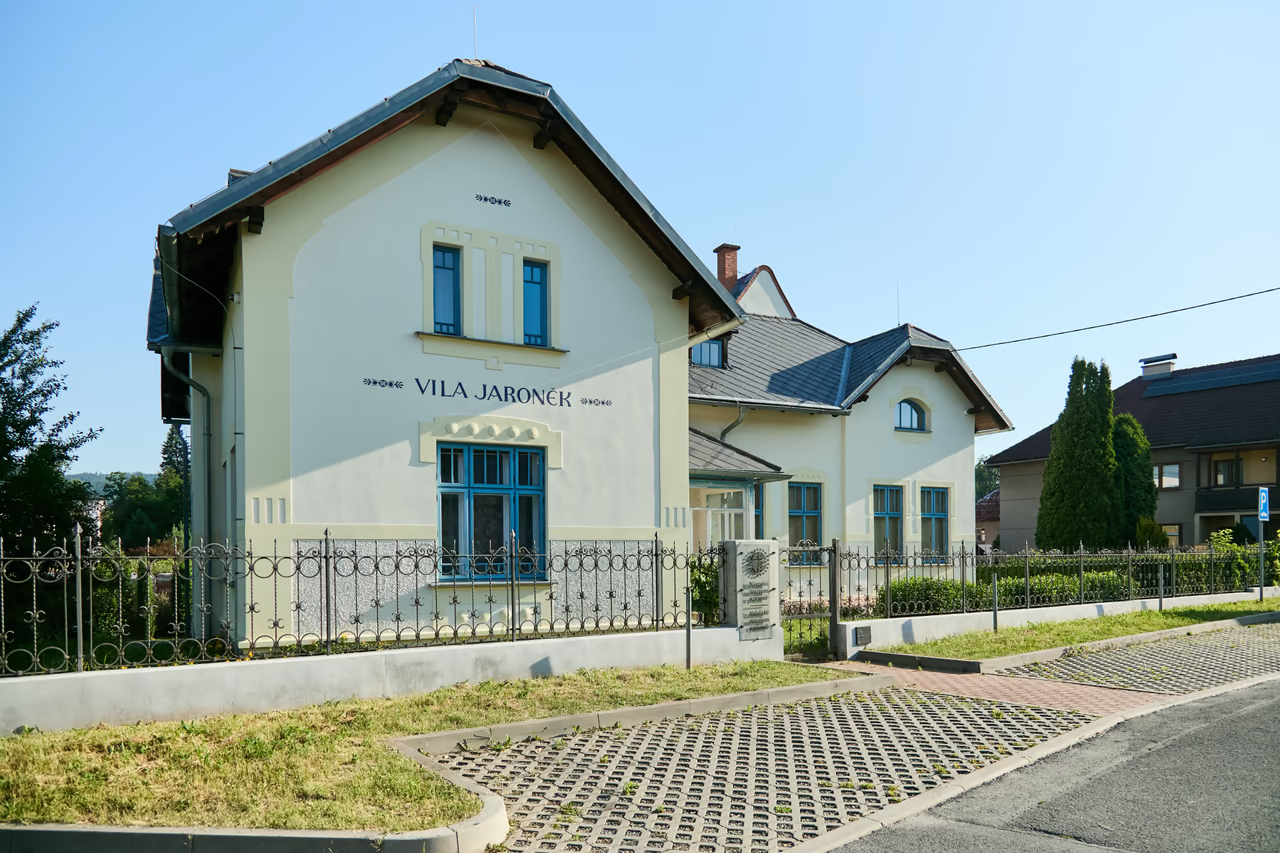
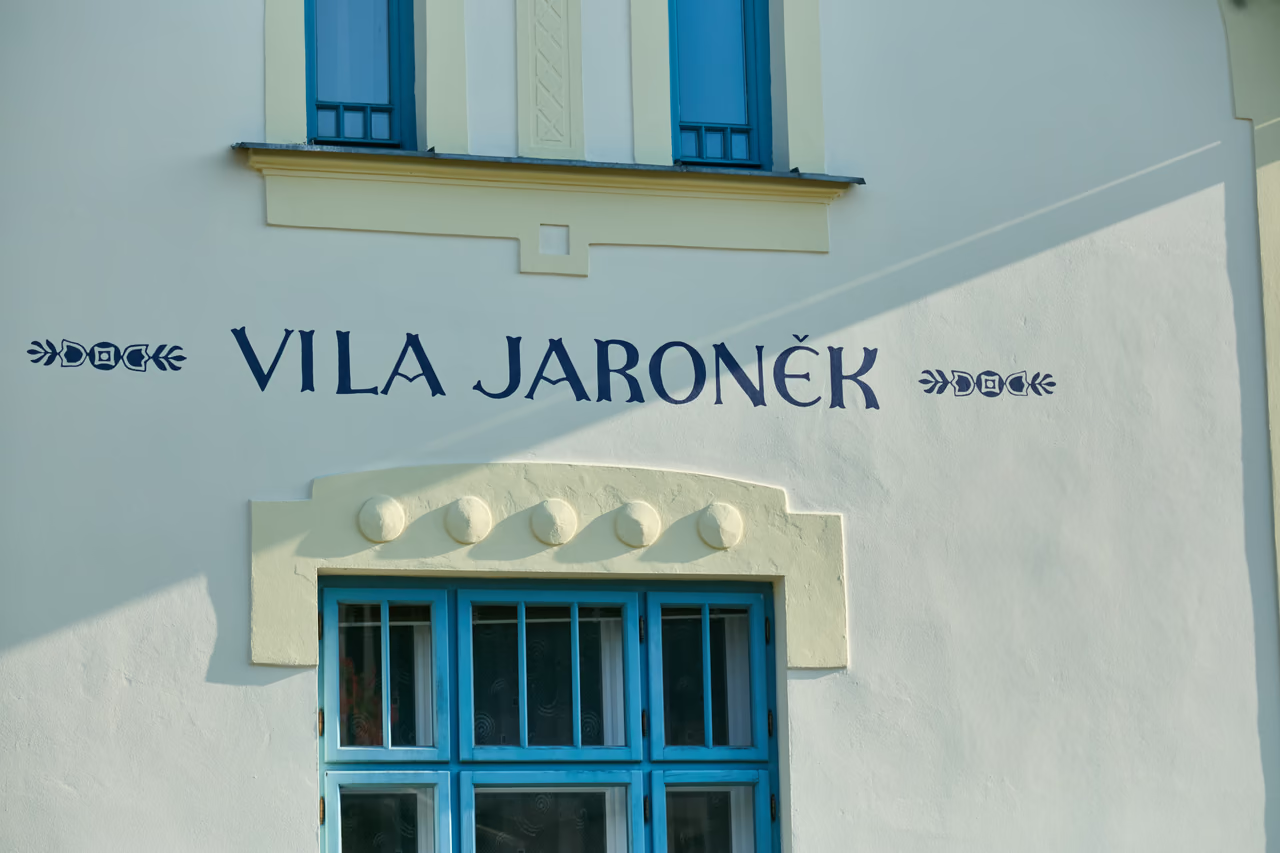
The Jaroněk villa in Čechova street in Rožnov pod Radhoštěm, with the inscription Vila Jaroněk in the gable

Villa and workshop • Rožnov pod Radhoštěm

The Jaroněk villa

The house and workshop of the people who thought up Valašské muzeum v přírodě.

Firing, weaving – and thinking up a museum

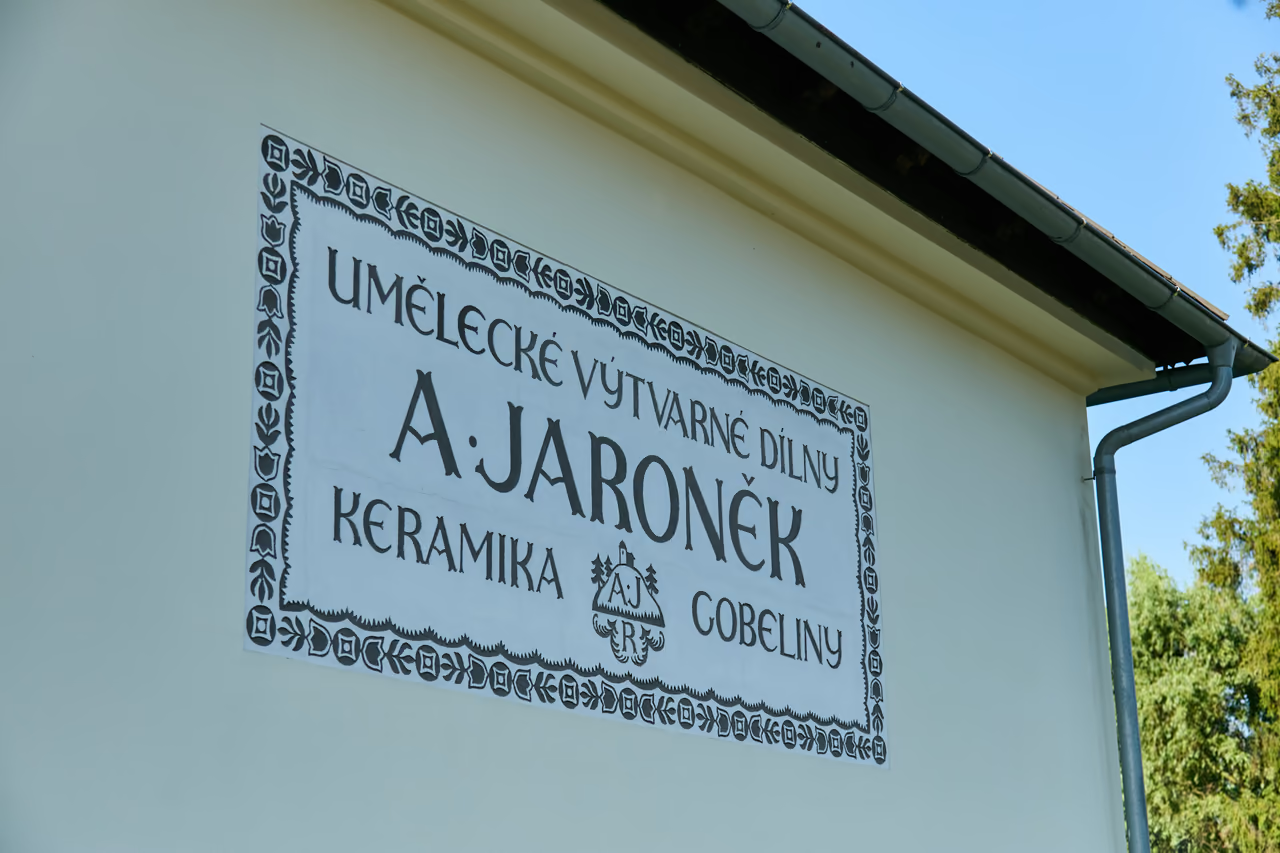
The house in Čechova street says everything essential about itself: in the gable it carries the inscription VILA JARONĚK, and a little further along the render a plaque reading UMĚLECKÉ VÝTVARNÉ DÍLNY A. JARONĚK - KERAMIKA, GOBELÍNY – the A. Jaroněk applied art workshops, ceramics and tapestries.

The Jaroněk siblings lived here: the painter Bohumír, the artist Alois and their sister Julie. In 1923 Alois moved his ceramics and tapestry workshop into the house – and from here the brothers were at the same time pressing for the open-air museum they opened in Rožnov in 1925.

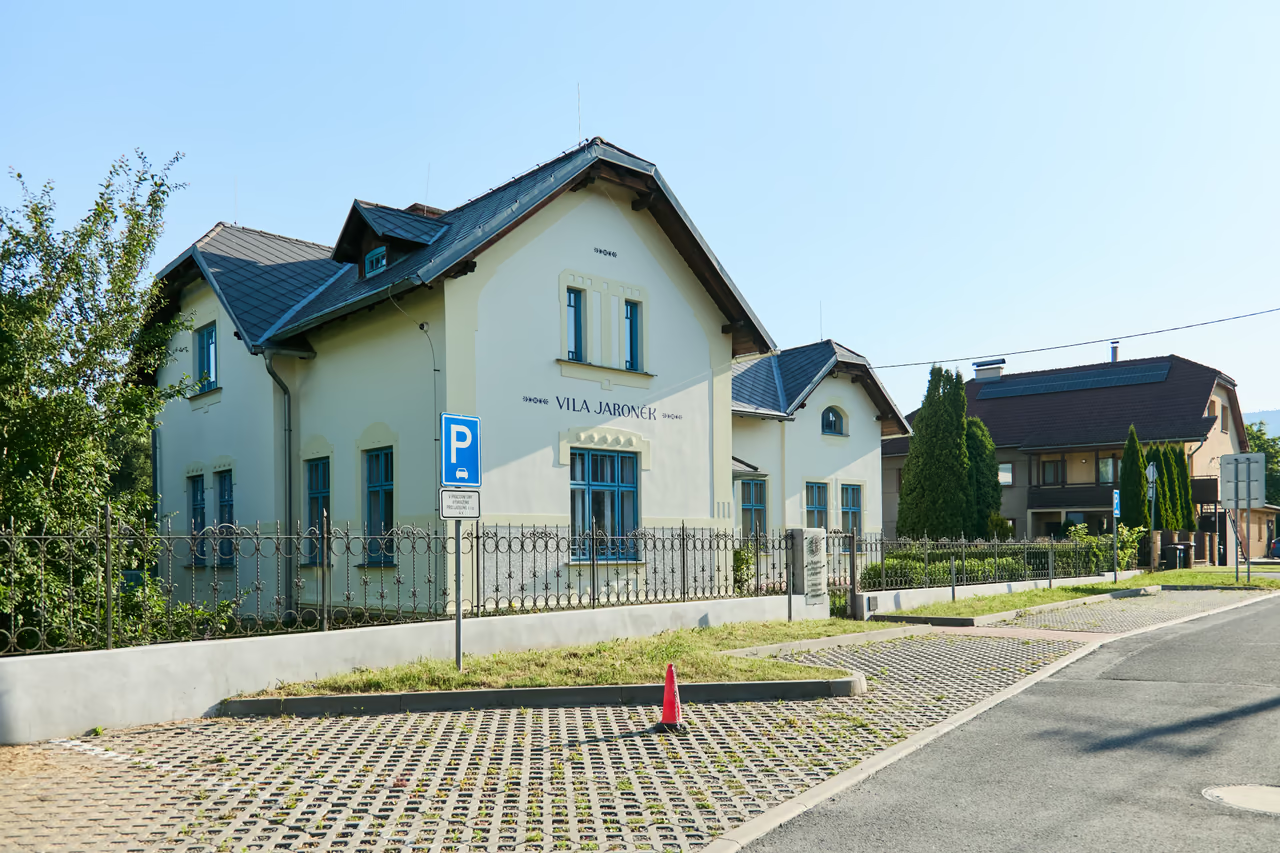
The Jaroněk villa in Rožnov pod Radhoštěm from the street – an irregular building with dormers and blue windows
The villa in Čechova street from the pavement opposite.

Why come here

The address of the museum's founders

The siblings Bohumír, Alois and Julie Jaroněk lived and worked here. For fourteen years the brothers pressed for Valašské muzeum v přírodě and founded it in 1925. All three ended up in Valašský Slavín.

What to look for

The inscriptions on the façade

The façade carries a plaque in an ornamental frame: UMĚLECKÉ VÝTVARNÉ DÍLNY A. JARONĚK - KERAMIKA, GOBELÍNY. In the gable above the windows is the inscription VILA JARONĚK.

Before you set out

People come here to do research

The villa houses the museum's genealogy centre and specialist departments, with a research room on the ground floor. For displays and tour routes, head into the grounds of Valašské muzeum v přírodě.

Villa Jaroněk - In front of the villa360°
The Jaroněk villa behind a wrought-iron fence, seen from Čechova street
The plaque on the villa's façade: Umělecké výtvarné dílny A. Jaroněk, keramika, gobelíny
Detail of the inscription Vila Jaroněk above the windows, with a decorated cornice

The story of the Jaroněks and their villa

Three siblings, one workshop and a house that still bears its name

Arrival

The siblings who settled in Rožnov in 1909

The brothers Bohumír (1866) and Alois Jaroněk (1870) were born in Zlín and grew up in a family with an artistic tradition. Bohumír made his name as a painter and graphic artist, Alois as an applied artist. After years in Valašské Meziříčí they moved to Rožnov in 1909 – and with their sister Julie began developing the applied arts here.

In Rožnov Alois founded a ceramics and tapestry workshop. He made decorative wall plates, porcelain vases and sets, and designed tapestries. The weaving fell to Julie.

The Jaroněk villa behind a wrought-iron fence, seen from Čechova street
The house stands right on the street, behind a wrought-iron fence.

House and workshop

In 1923 the workshop moves into the villa

The villa in Čechova street has stood since the end of the 19th century, and the Jaroněk siblings lived in it. In 1923 Alois moved the workshop here and enlarged it at the same time.

The house announces it with the workshop's sign to this day. On the render is a plaque in an ornamental frame with two crafts under the name: KERAMIKA, GOBELÍNY – ceramics and tapestries.

The irregular building suited a workshop: the layout with an entrance lobby, a corridor and stairs to the attic still keeps its original arrangement. The ground floor was used for work, the upper floors as the family home.

Tapestries from the Jaroněk workshop are now in the collections of Valašské muzeum v přírodě – a few hundred metres from the house where they were made.

The plaque on the villa's façade: Umělecké výtvarné dílny A. Jaroněk, keramika, gobelíny
The workshop's plaque on the façade: an ornamental frame and two crafts – ceramics and tapestries.

The museum was pushed through from here

The society was run from the house where the weaving was done

Bohumír Jaroněk watched the log buildings disappear from Rožnov's square – and to save them he and his brother Alois founded the Valašský muzejní a národopisný spolek in 1911. They proposed an open-air museum two years later, but the First World War got in the way. It only opened in 1925.

“Fenomén Valašska.” – “The phenomenon of Wallachia.”Bohumír Jaroněk – painter, graphic artist and creator of the museum

How one ethnographic festival grew into the Little Wooden Town and two further sites is told on the page for Valašské muzeum v přírodě. All three siblings are buried in its grounds, in Valašský Slavín by the Church of Saint Anne.

the museum and ethnographic society founded
1911
the first proposal for an open-air museum
1913
the museum opens
1925
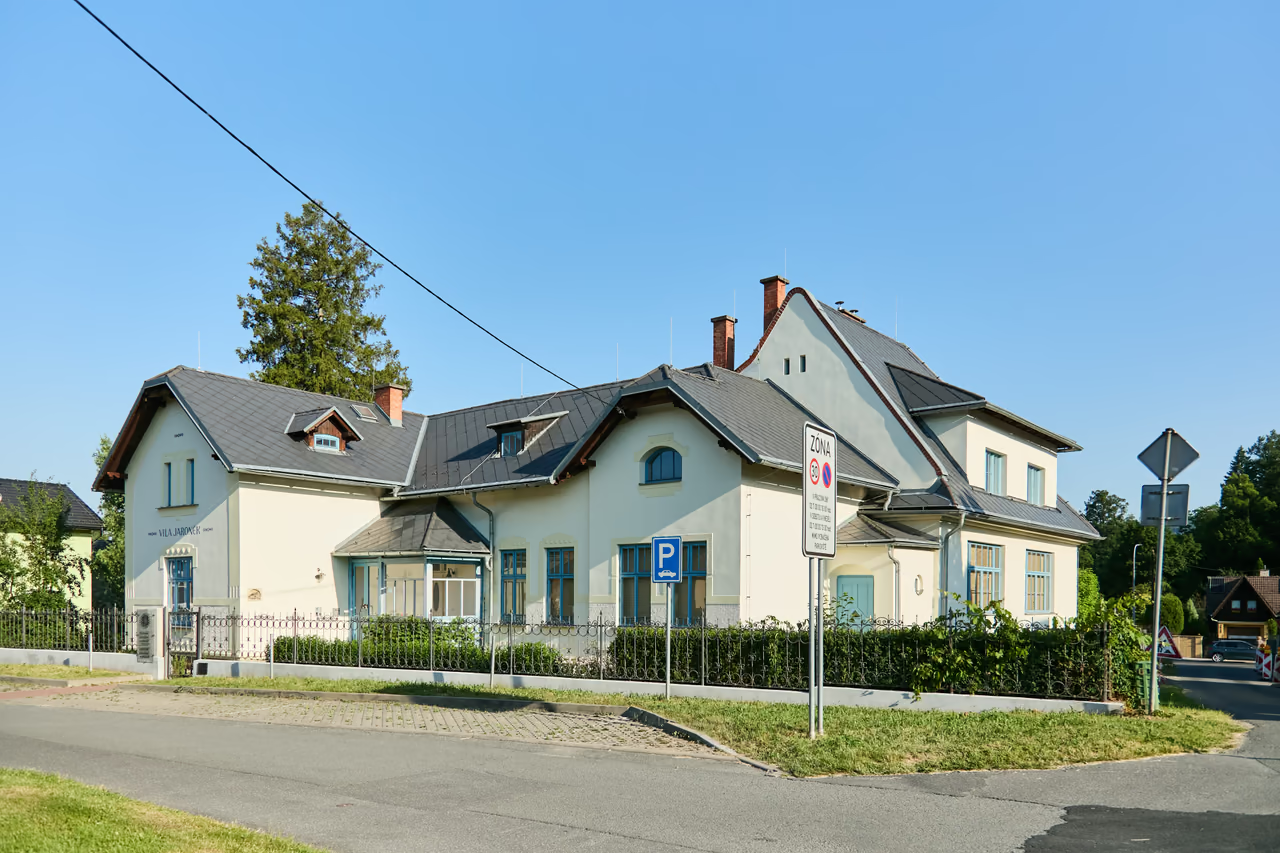
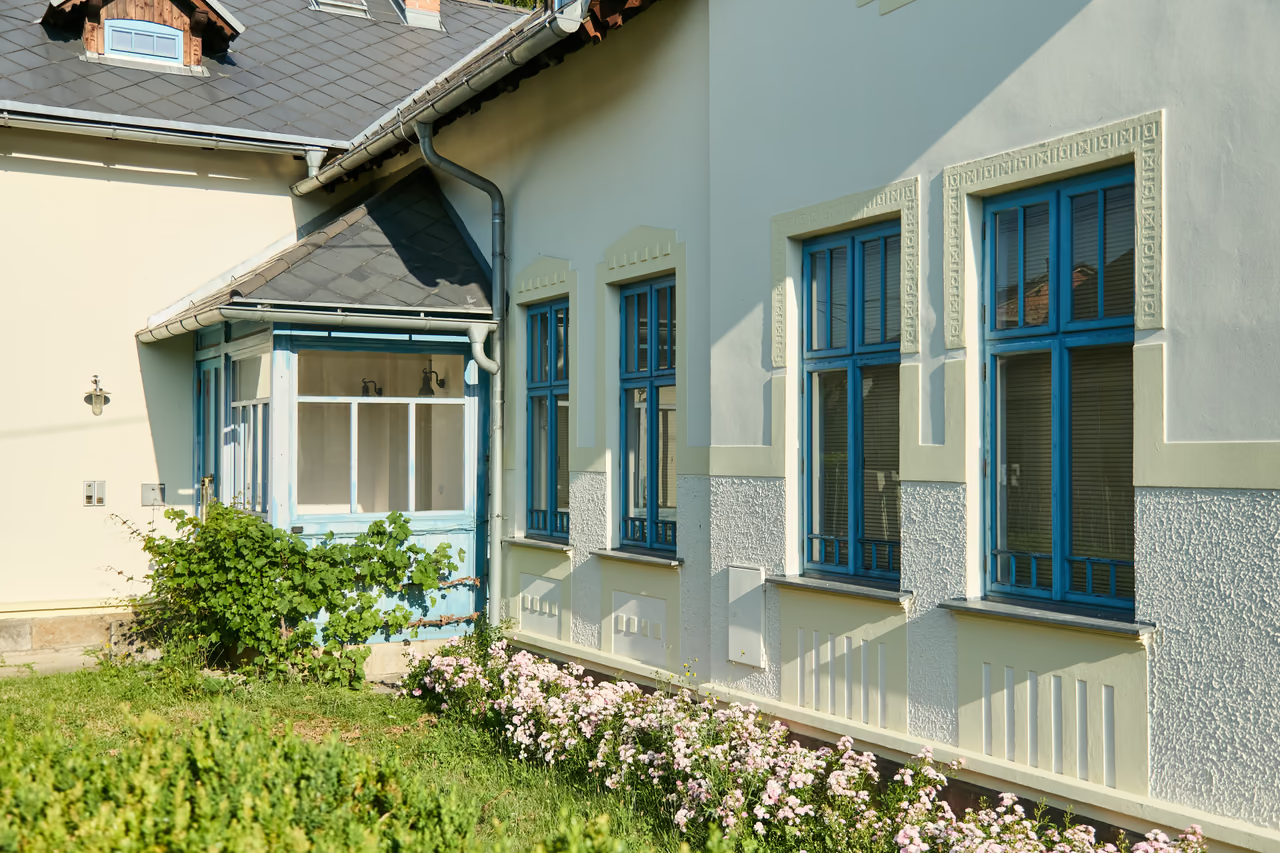
The side façade of the Jaroněk villa with its glazed veranda and blue-framed windows
The side façade with the veranda.

What remains

A research room on the ground floor, a photo archive in the attic

Bohumír Jaroněk died in 1933, Alois eleven years later. The house now belongs to Valašské muzeum v přírodě.

On the ground floor is the genealogy centre with its research room. The museum keeps records of Wallachian families here, so anyone looking for their ancestors starts in this house.

The layout is as the Jaroněks knew it: a tiled corridor beyond the entrance lobby, the research room and the documentation office off it, and a dog-leg staircase in the middle leading up. The attic houses the photo archive, documentation staff and curators of collections.

the genealogy centre founded
2000
research room open to the public
ground floor
photo archive and curators of collections
attic
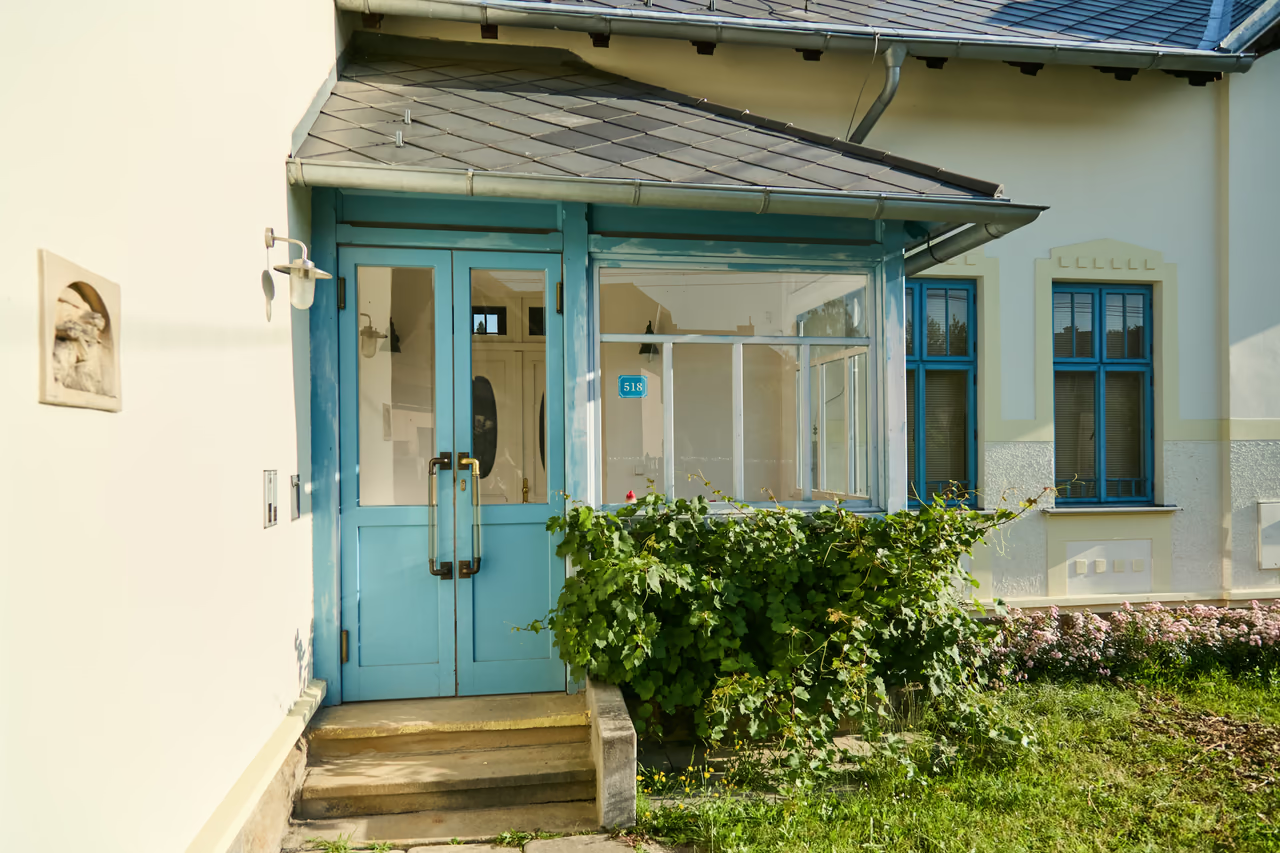
The entrance to the Jaroněk villa: a glazed veranda, pale blue doors and the house number 518
The way into the research room: a glazed veranda and the house number 518.

Timeline

From the building of the villa to a research room on the ground floor

  1. late 19th c.

    The villa in Čechova street

    The irregular villa later occupied by the Jaroněk siblings is built at the end of the 19th century.

  2. 1909

    The Jaroněks in Rožnov

    Bohumír and Alois move to Rožnov with their sister Julie. Alois founds a ceramics and tapestry workshop here.

  3. 1911

    The museum society

    The brothers found the Valašský muzejní a národopisný spolek – the first step towards saving the log buildings.

  4. 1923

    The workshop moves into the house

    Alois Jaroněk enlarges the workshop and puts it in the villa in Čechova street itself.

  5. 1925

    The museum opens

    Valašské muzeum v přírodě begins operating; the villa remains the address of its founders.

  6. 1933

    Bohumír Jaroněk dies

    The painter and creator of the museum dies; he had given the open-air museum the last years of his life.

  7. 1944

    Alois Jaroněk dies

    The founder of the ceramics and tapestry workshop dies eleven years after his brother Bohumír.

  8. 2000

    The genealogy centre

    Genealogické centrum Valašska begins work on the ground floor of Alois Jaroněk's former villa and workshops.

Na závěr

Doplňující info a test znalostí

Rychlá rekapitulace

Who lived in the Jaroněk villa?

The Jaroněk siblings: the painter Bohumír, the artist Alois and their sister Julie. They moved to Rožnov in 1909.

What is written on the villa's façade?

Two inscriptions. VILA JARONĚK in Art Nouveau lettering in the gable, and on the render a painted plaque: Umělecké výtvarné dílny A. Jaroněk - keramika, gobelíny, the A. Jaroněk applied art workshops, ceramics and tapestries.

What did Alois Jaroněk move into the villa, and when?

His ceramics and tapestry workshop, in 1923. He made decorative plates and vases and designed tapestries, which his sister Julie wove.

How is the villa connected to Valašské muzeum v přírodě?

In 1911 the Jaroněk brothers founded a society in Rožnov to save the log buildings that were disappearing. They opened the museum in 1925, both are buried in Valašský Slavín in its grounds, and the villa still serves the museum as a workplace.

Can you visit an exhibition inside the villa?

No – it is a museum workplace and houses the genealogy centre with its research room. The tour routes are in the grounds of Valašské muzeum v přírodě.

Závěrečný kvíz

Otázka 1 z 5

What is written on the painted plaque on the villa's façade?

RysíkRysík→

There is a quiz a little further up. Shall we try it?

A few quizzes and I get glasses, and I will feel properly educated.

Try the quiz

Your rank: Homebody. You do not have a single stamp yet. Visit any place and become a Pilgrim.

You can experience the Beskids and Moravian Wallachia with Rysík and without him. Rysík would love to be there for it. Whether you take him along and take on the challenges with him is up to you.

Save The Jaroněk villa to your favourite places

You can find your favourite places in your account. On the Walking routes page you can use them to filter routes.

Something not right here?

Suggest a more accurate wording.