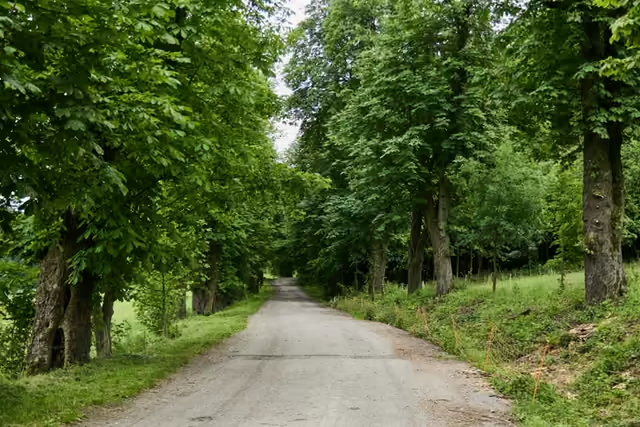
The Hradisko nature trail
3 km · 1 h 15 min
A three-kilometre circuit above the town with nine panels and the castle ruins on the way.
In detail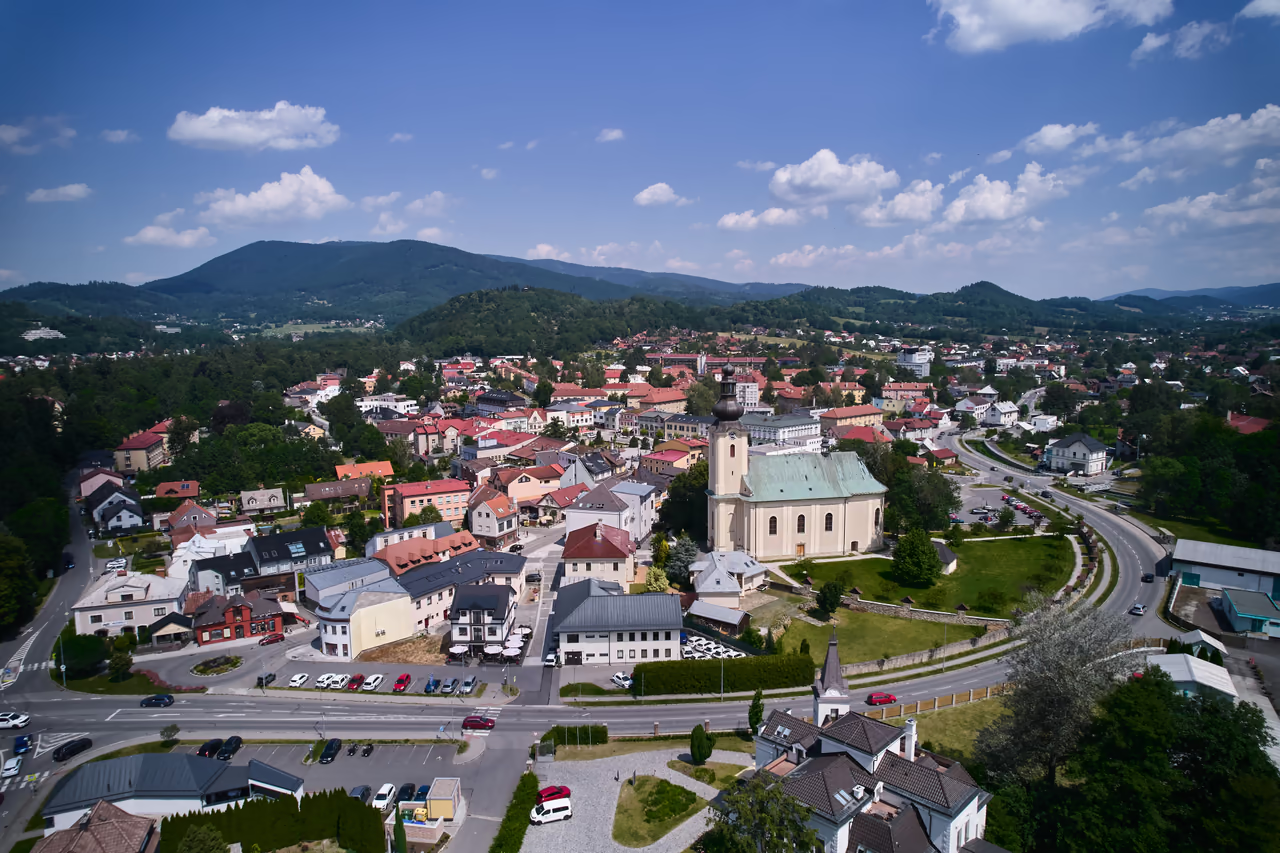
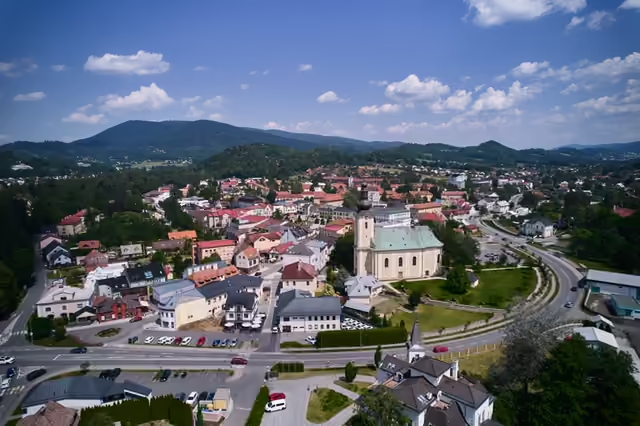
The town below Radhošť, and the easiest place to start exploring the Rožnov area from. Bus and train services meet here, the information centre is here, and most of the places on this site lie nearby.
Masarykovo náměstí 131, 756 61 Rožnov pod Radhoštěm
Opening hours change with the season – the current ones are on the centre's website.
It is worth booking bikes and scooters ahead by phone.
The railway and bus stations are about 10 minutes' walk from here.
3 km · 1 h 15 min
A three-kilometre circuit above the town with nine panels and the castle ruins on the way.
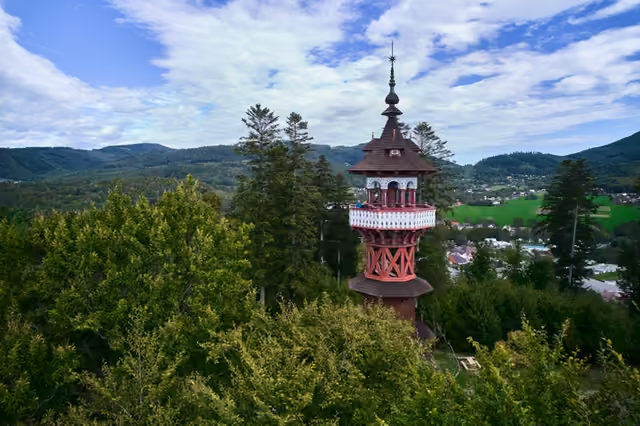
In detailThe Drobník, Seichert and Jurkovič paths – spa-era Rožnov all the way to the lookout tower.
green
Through the park to the lookout tower and on along the green waymarks to Dolní Bečva.
13 km · 4 h 35 min
green → red
Nine and a half kilometres to a lookout tower with views of the Beskids and Jeseníky.
7,5 km · 2 h 35 min
red
Over Kramolišov and Rysová to Hážovické Díly and on to Valašská Bystřice; you can finish at Hážovické Díly.
12,1 km · 3 h 50 min
blue
Twelve kilometres along the blue waymarks to a wooden Protestant Toleration church.
In detailThe 13th century
Rožnov was founded in the mid-13th century by Bruno of Schaumburg, bishop of Olomouc; the first written record of the town dates from 1267. It did not appear by chance: this corner of Moravia made an easy crossing into Hungary, and Rožnov, the last settlement before the border, guarded it.
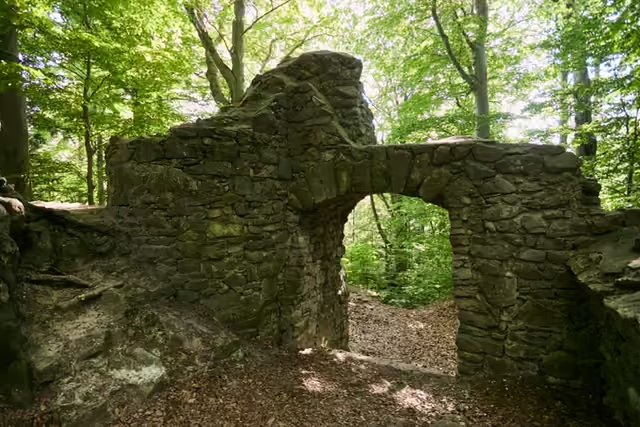
A castle stood above the town as well, and all that is left of it today are the ruins on a wooded hill.
The 19th and 20th centuries
In the 19th century Rožnov became a climatic spa – the cure here was mountain air, above all for diseases of the airways, the lungs and the heart. The regime was made up of walks, drinking žinčice and time spent outdoors.
The spa reached its peak in the early 20th century, when as many as three thousand guests a season came to the town from all over the world. Growing tourism also gave the town its present name in 1913: the ministry of the interior added “pod Radhoštěm” to the plain Rožnov. The Second World War put an end to the spa era.
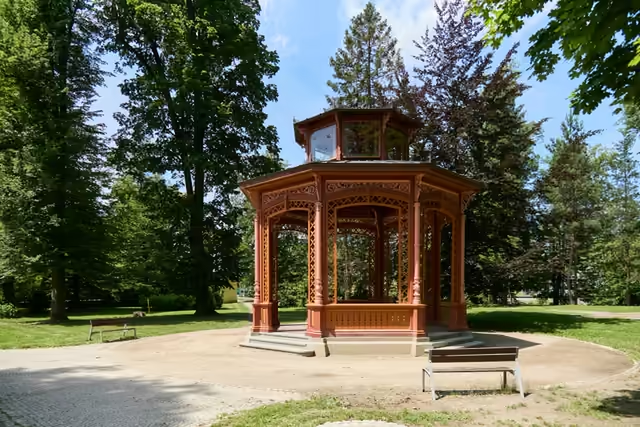
What remains of it today is the town park with its music pavilion, the spa promenades and the avenues on Hradisko.
From 1925
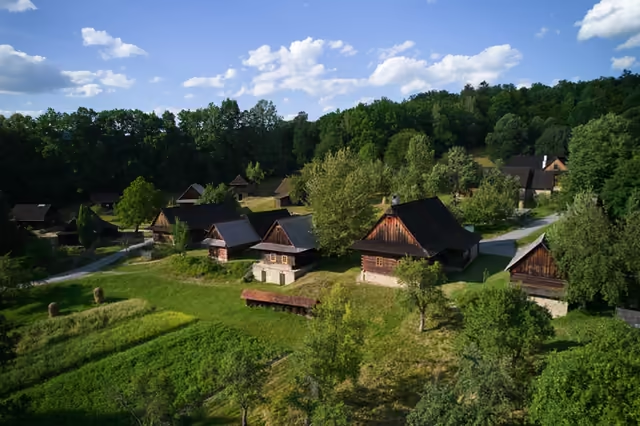
In 1925 the Jaroněk brothers opened Valašské muzeum v přírodě, the Wallachian Open Air Museum. Timber buildings from all over Moravian Wallachia were added to it one by one – today it is the largest museum of its kind in Czechia.
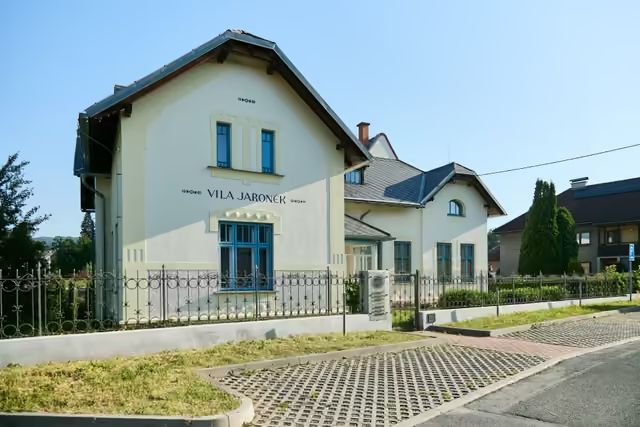
The idea was born in the Jaroněk villa a few streets away. The people who shaped Moravian Wallachia are recalled in the museum grounds by Valašský Slavín.
After 1945
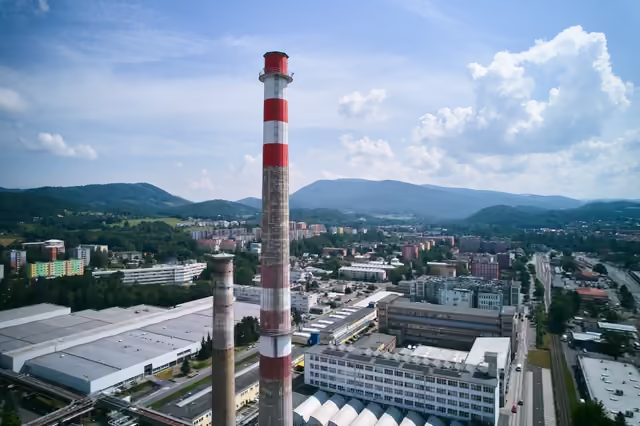
Rožnov saw its greatest growth after the Second World War, when the Tesla works went up here. It brought so many people into the town that a whole new housing estate had to be built – and the character of the town changed fundamentally.