Why come here
Famous names among log houses
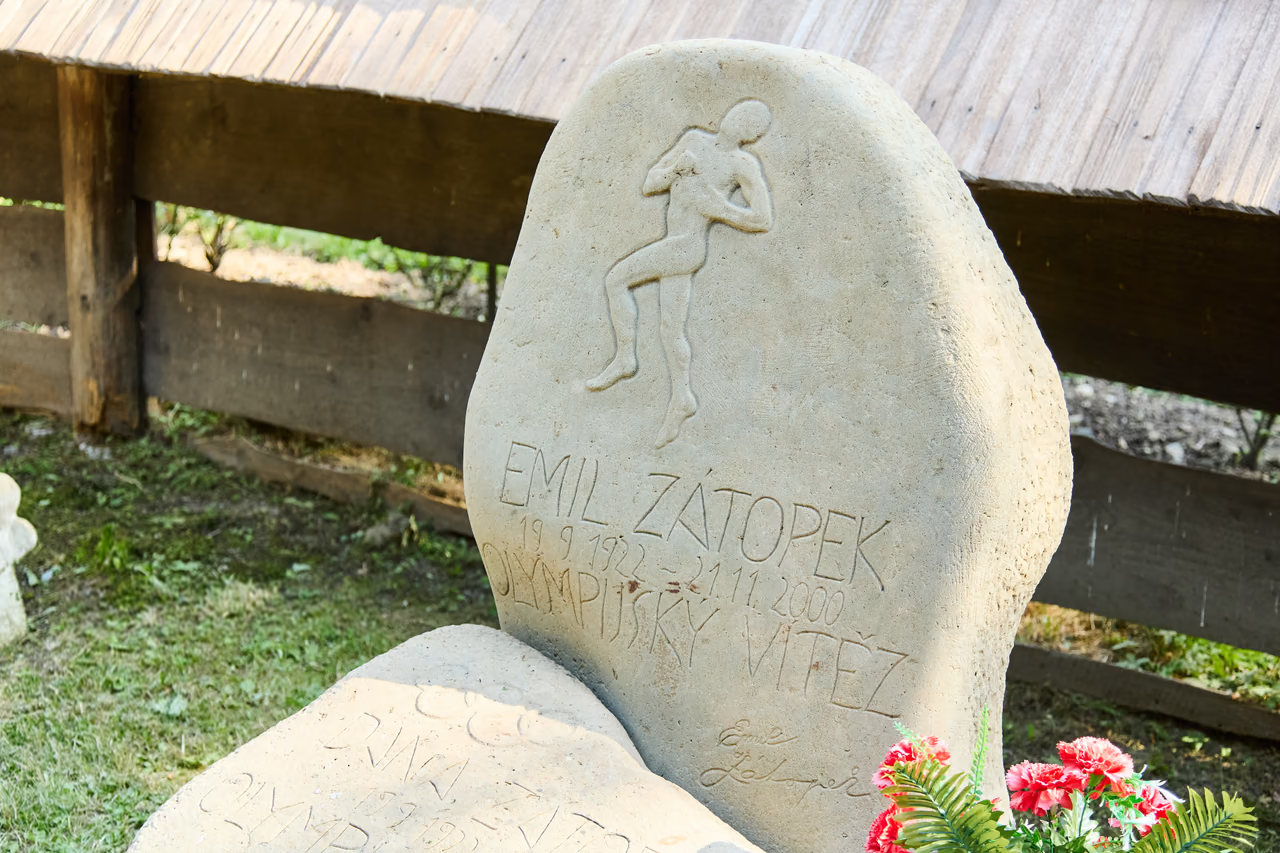
Zátopek, Raška, the Jaroněks – people who made Wallachia known across the country and abroad have their graves right on the Little Wooden Town's tour route.
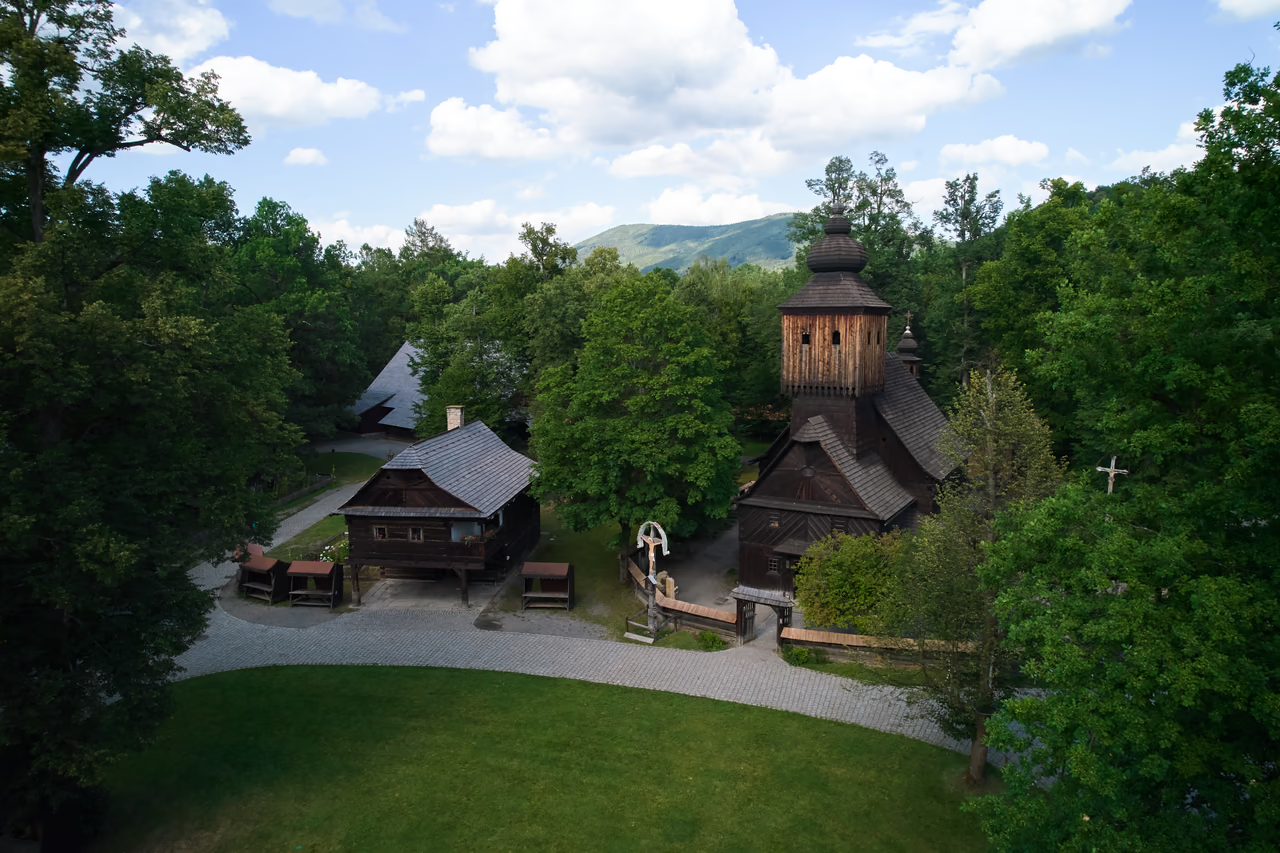
Cemetery of honour • Little Wooden Town • Valašské muzeum v přírodě
A wooden church, and around it the resting place of those who made Wallachia's name.
Valašský Slavín is a cemetery of honour in the middle of the Little Wooden Town, part of Valašské muzeum v přírodě. Who may be laid to rest here is recommended by an expert committee and approved by the museum's director.
In the 1960s there was only a display of old gravestones here. From 1969 it turned into a burial ground for the writers, painters, scientists and sportspeople who made Wallachia's name. The graves surround the Church of Saint Anne, the landmark of the whole town.
Why come here
Zátopek, Raška, the Jaroněks – people who made Wallachia known across the country and abroad have their graves right on the Little Wooden Town's tour route.
What not to miss
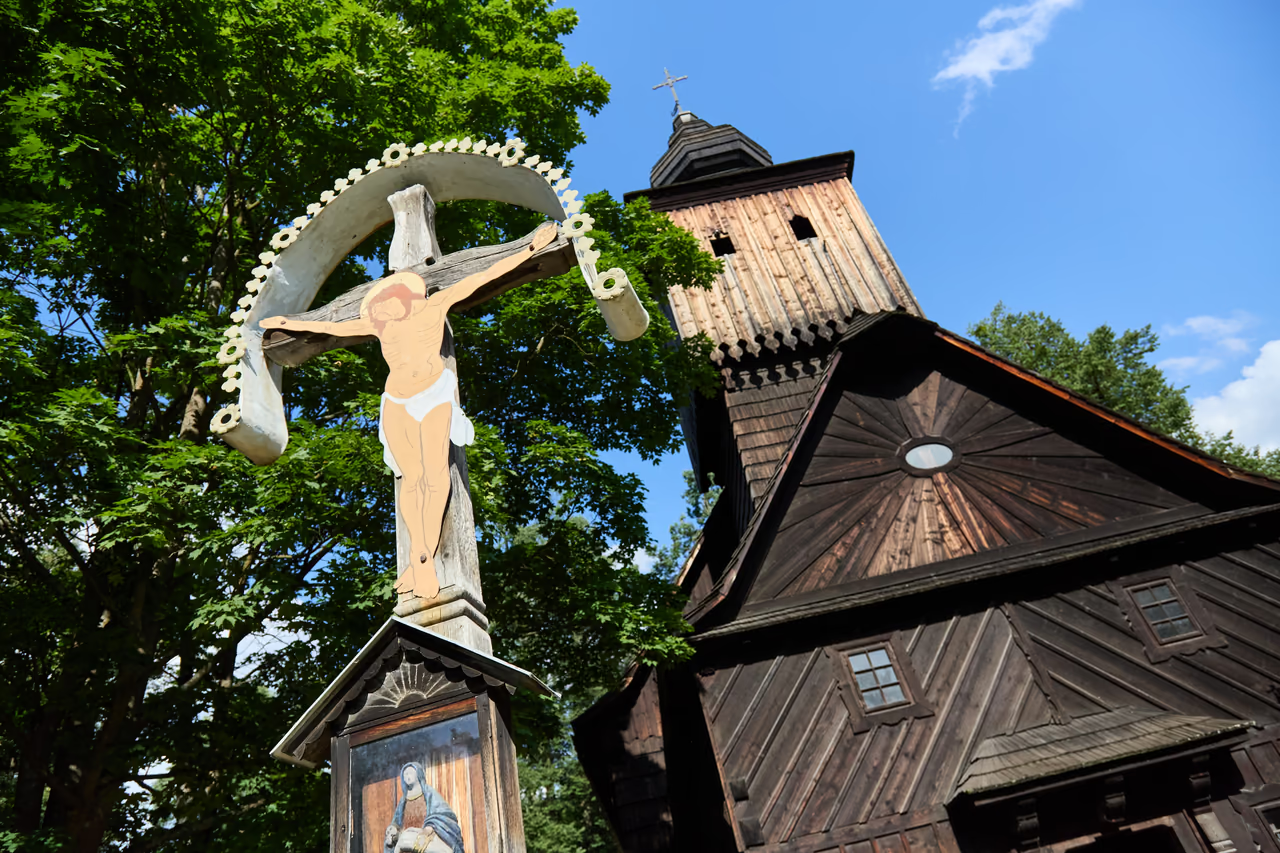
A wooden church with unusual blue painted decoration in the middle of the graveyard – the landmark the Slavín spreads around.
When to come
A costumed procession from the Church of All Saints and a feast for the day of Saint Anne, the patron saint of Wallachia, right by the Church of Saint Anne.

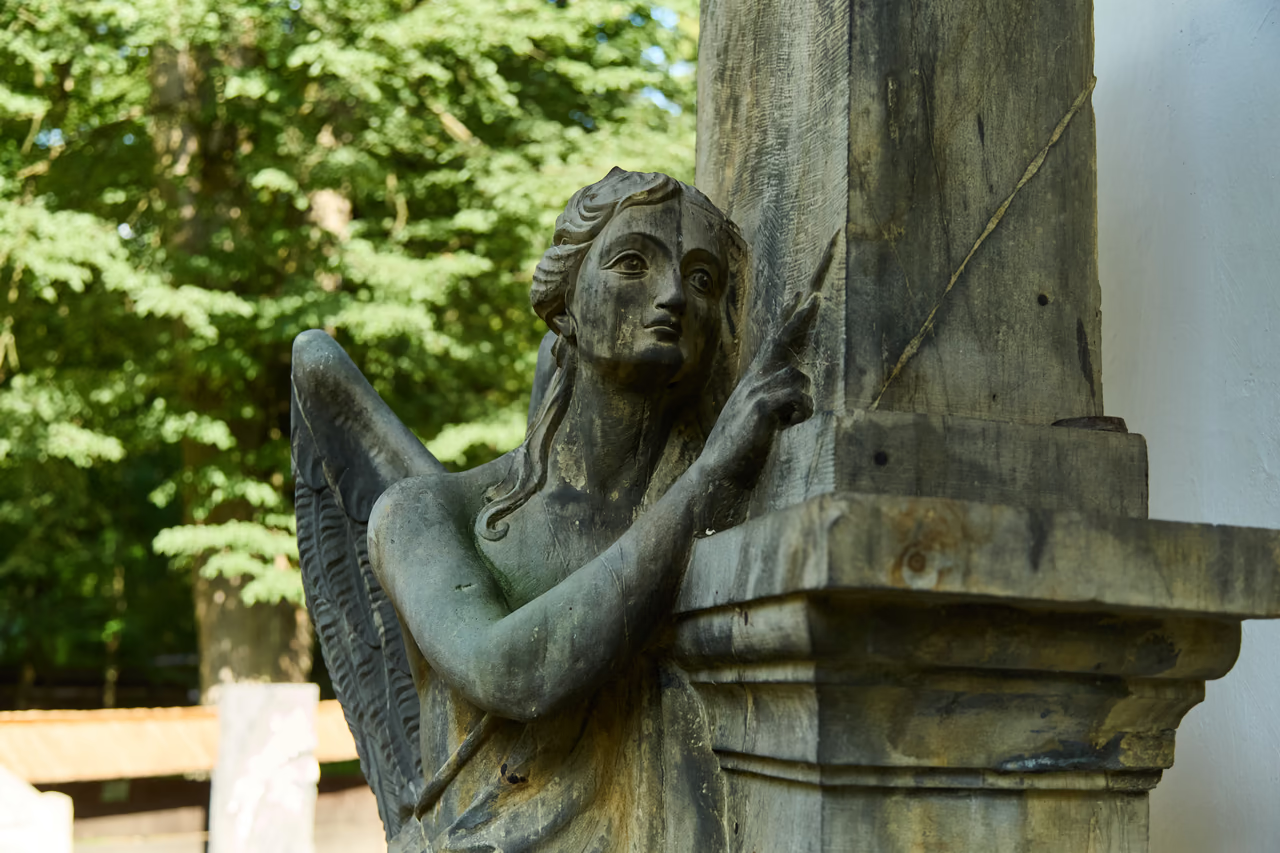
From a collection of gravestones to a cemetery of honour
01 – The change
In the 1960s a display of historic gravestones and cast-iron crosses stood here. The stone slabs of fojts and of the Wallachian portáši by the church gallery drew most of the attention. The corps has a page of its own, Portášské hroby.
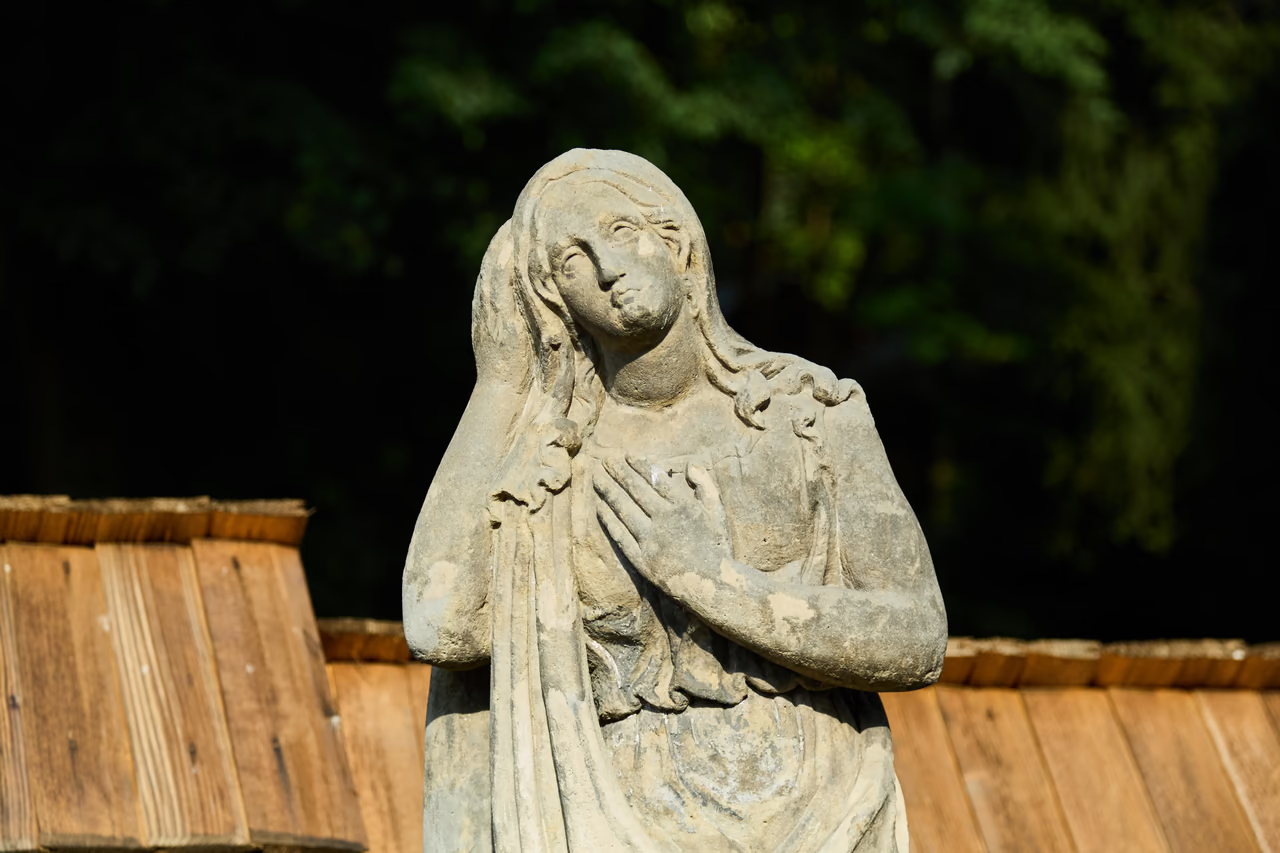
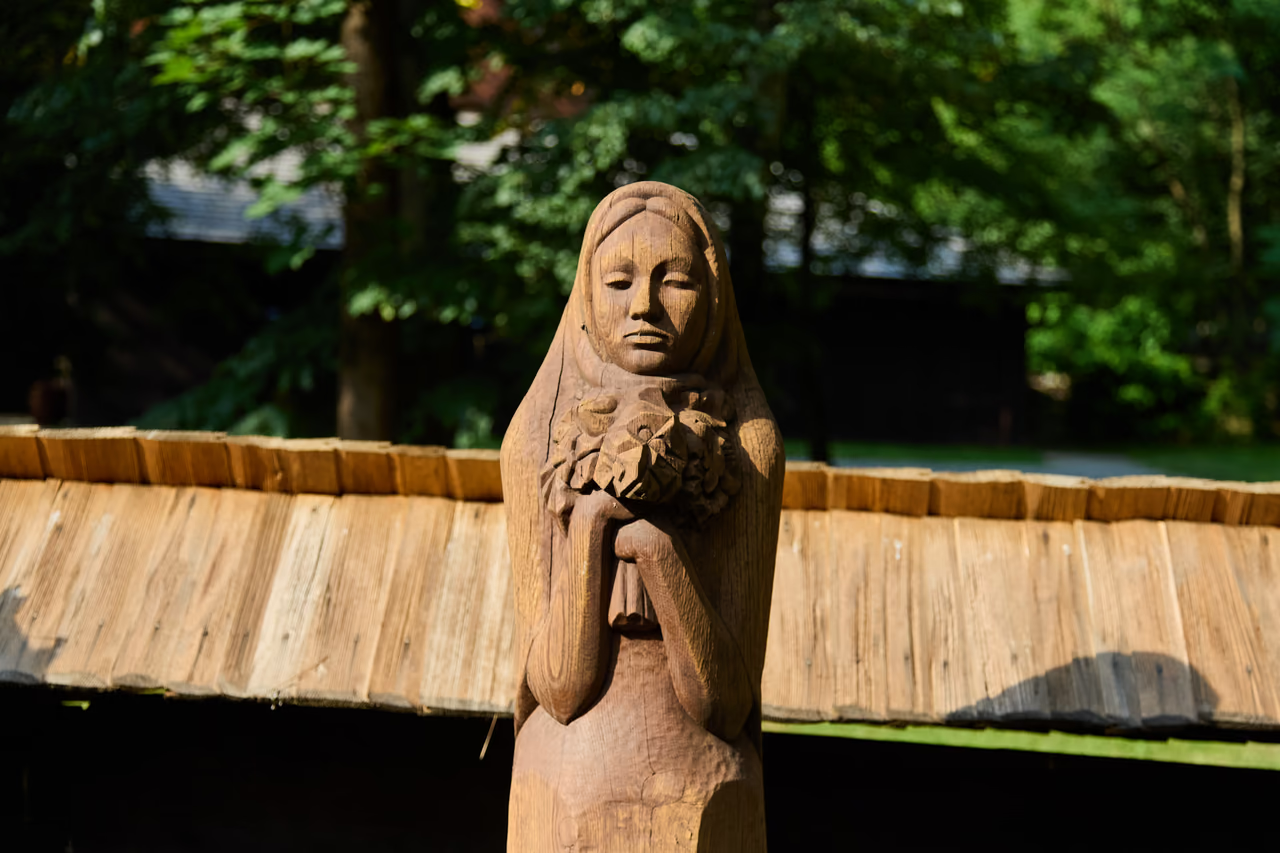
In 1969 the display became a burial ground: a place of remembrance for writers, painters, ethnographers, composers, scientists and sportspeople who came from Wallachia or worked here. The graves are both real and symbolic.
Formally the burial ground was established a year later, in 1970. The names and achievements of everyone recorded here are kept by the museum in parallel, in the Kniha paměti kraje, the region's book of remembrance.
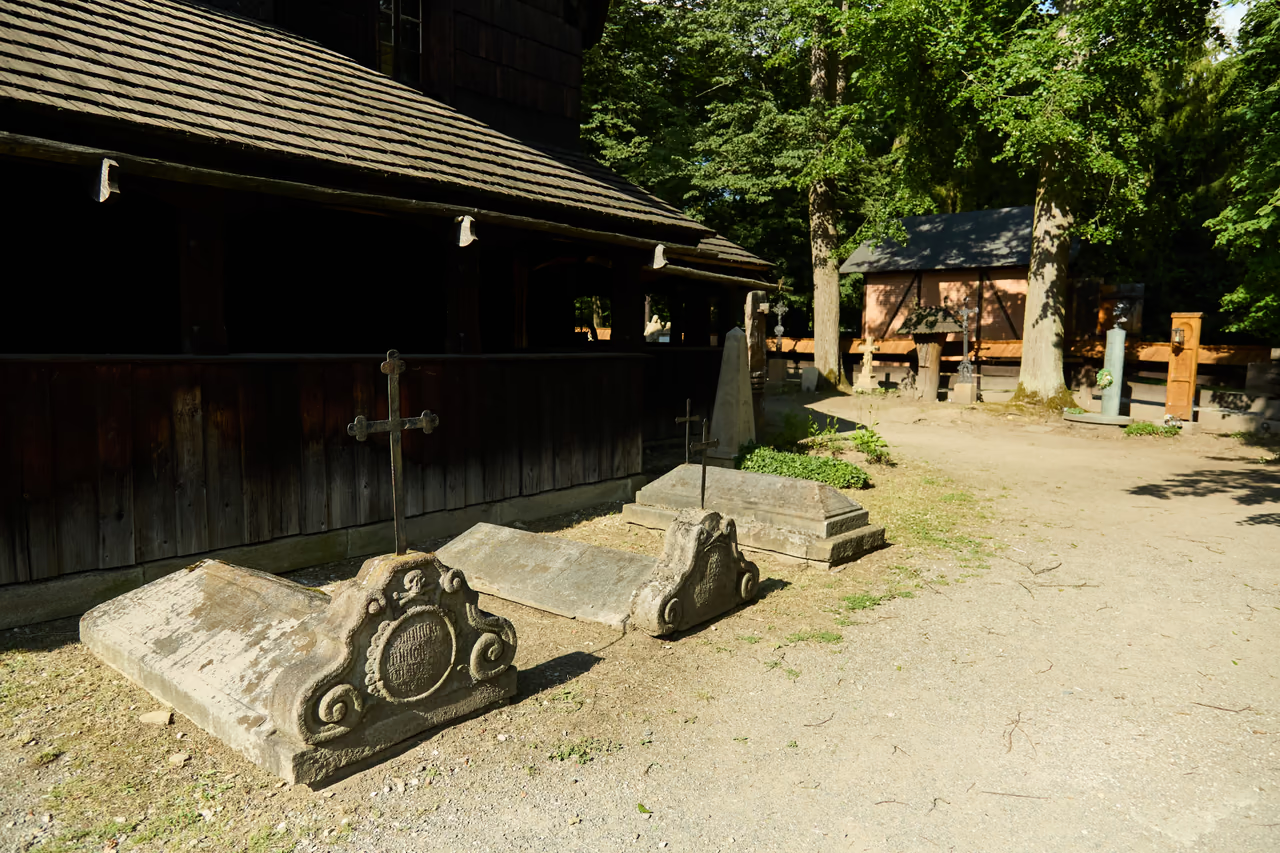
02 – Who decides
Burial here and an entry in the Kniha paměti kraje are two separate proposals. Both are decided the same way by the museum's director, on the recommendation of an expert committee called the Rada starších, the council of elders.
The Rada starších is made up of people from various professions with a deep knowledge of the history, traditions, culture and social conditions of Moravian Wallachia. The burial ground runs under a statute of its own.
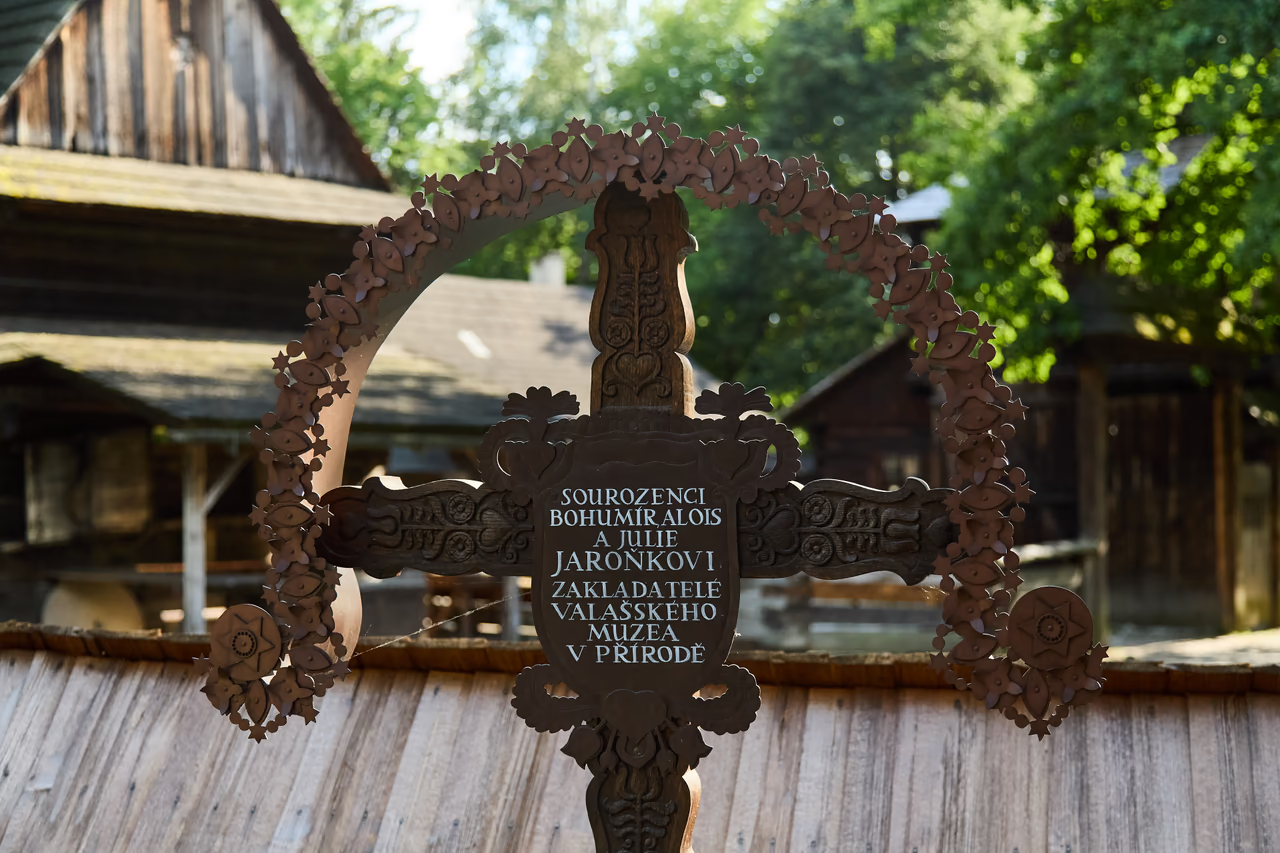
Names
Founders of the museum
The inscription on their carved cross recalls them as the siblings who pushed the museum through and founded it in 1925. Their story is carried by the Jaroněk villa, the house and workshop a short way from here.
Athletics
A runner and four-time Olympic champion: gold in London in 1948 and three more four years later in Helsinki. Born in Kopřivnice.
Athletics
A javelin thrower and Olympic champion from Helsinki in 1952. Emil Zátopek's wife, she was laid to rest in the Slavín in 2020.
Ski jumping
A ski jumper from Frenštát pod Radhoštěm and Olympic champion from Grenoble in 1968.
Athletics
A discus thrower and Olympic champion from Mexico City in 1968.
Folklore
A singer known as the queen of Wallachian folklore.
Music
A composer and collector of folk songs (1873–1956) who, with Leoš Janáček, gathered over 4,000 Wallachian songs.
Fine art
An academic painter (1906–1998) and pupil of Otakar Nejedlý. He painted the Wallachian landscape all his life.
A selection – the graves in the Slavín are both real and symbolic, and the museum keeps the full record in the Kniha paměti kraje.
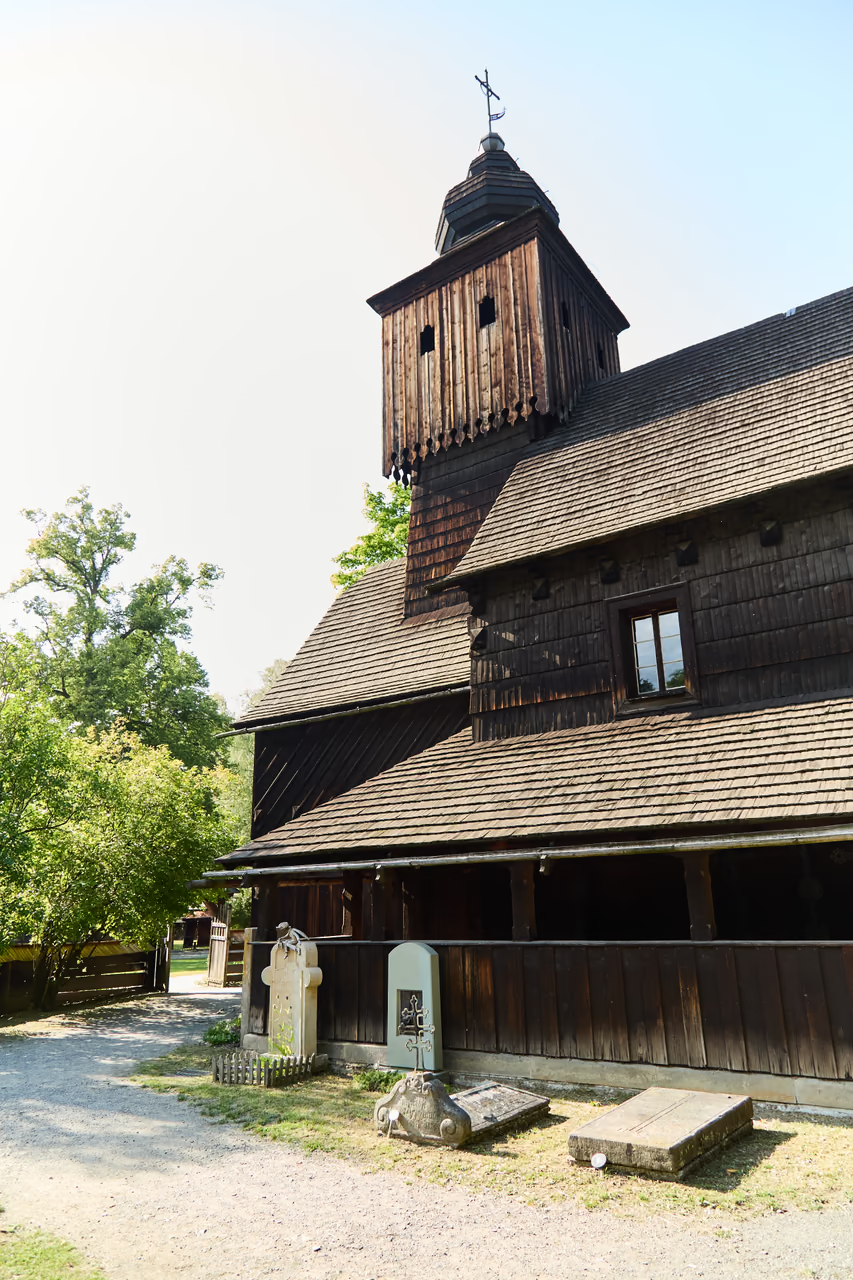
The landmark of the Little Wooden Town is a free copy of the single-nave church from Větřkovice near Příbor. It was built between 1939 and 1941 and consecrated in 1945. The timber building, which is not log-built, has a massive tower and a masonry sacristy on the north side, with gravestones around it on every side.
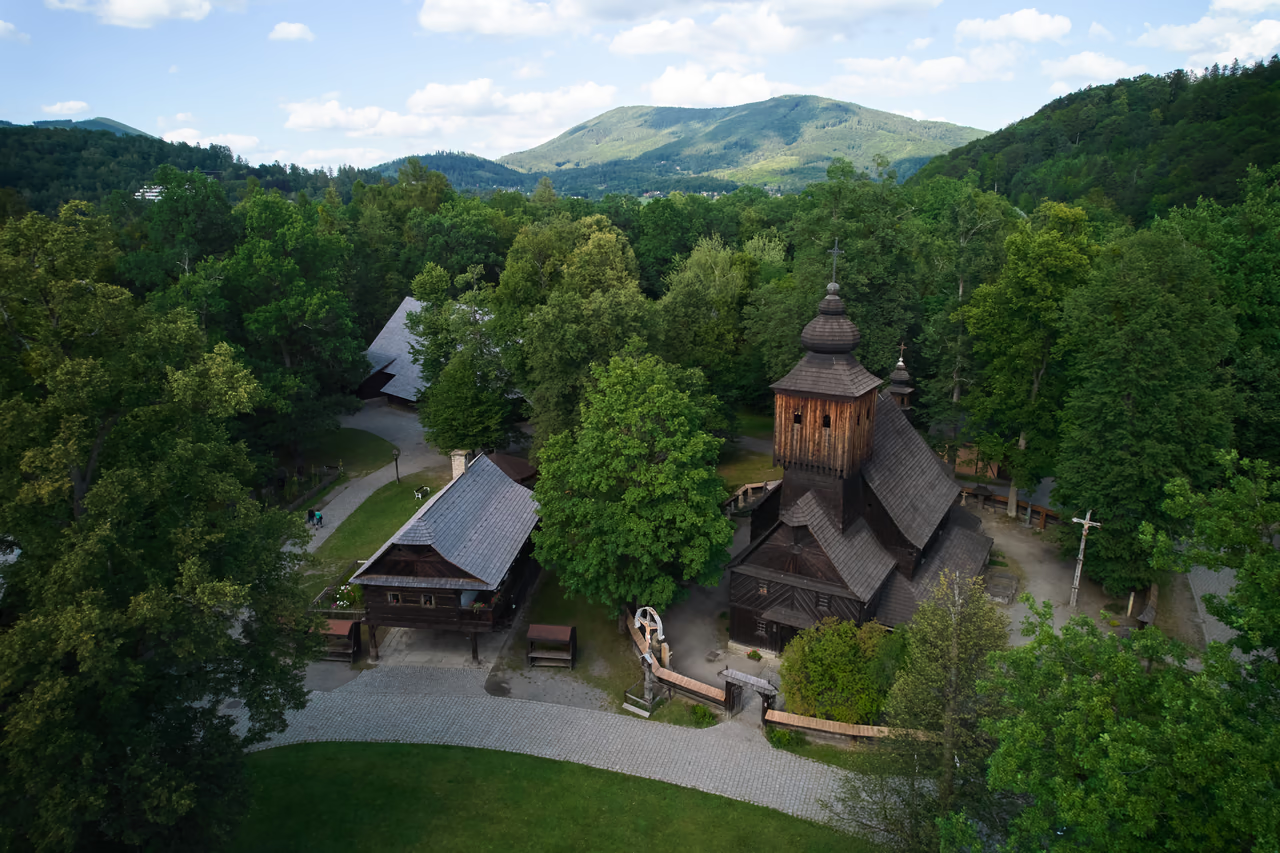
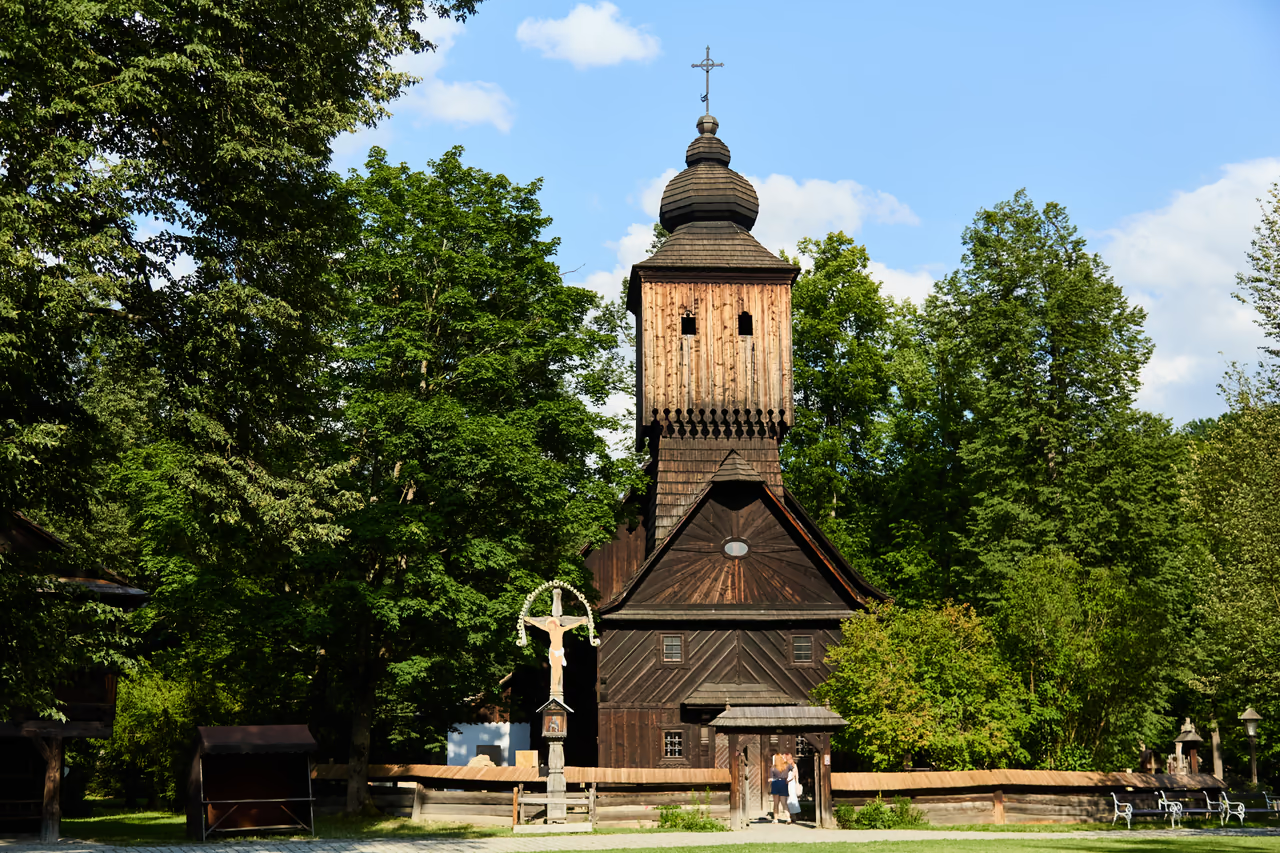
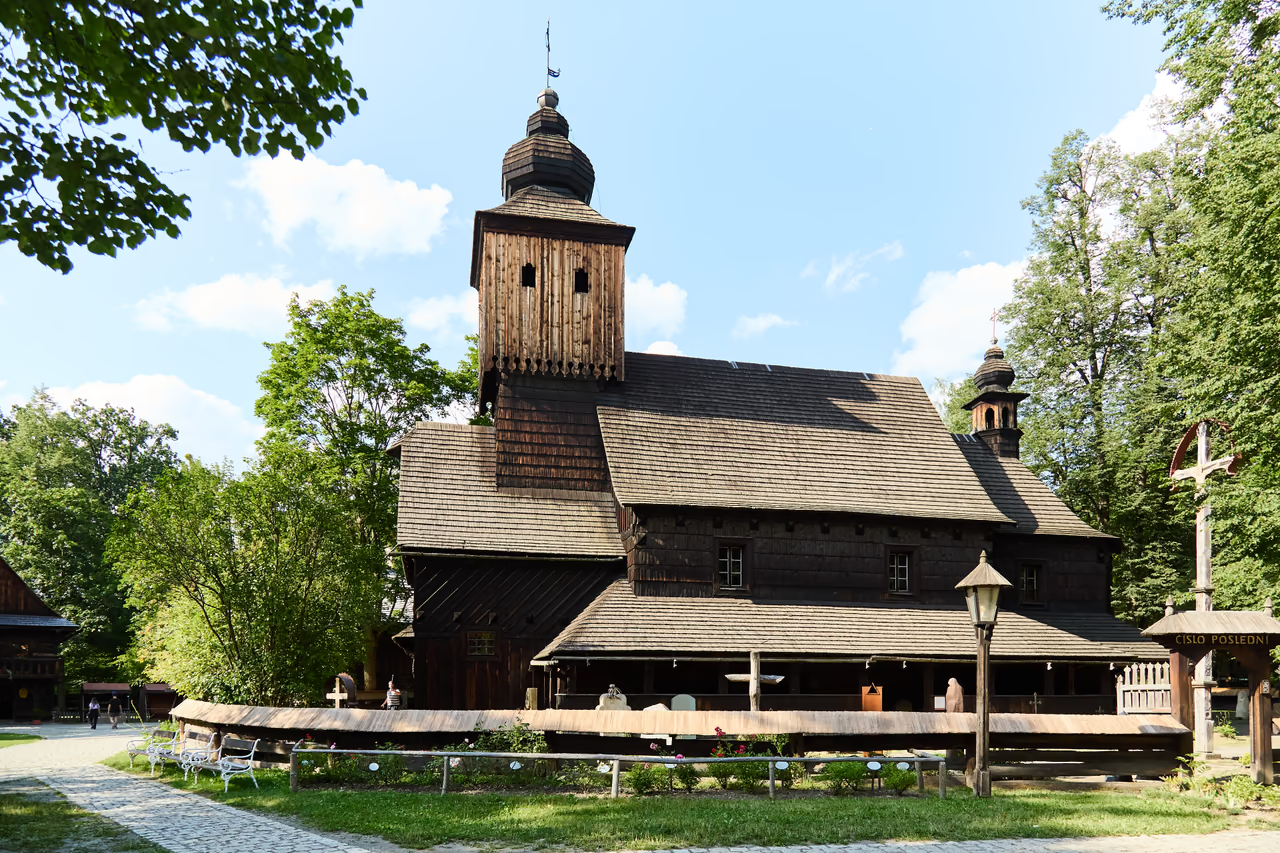
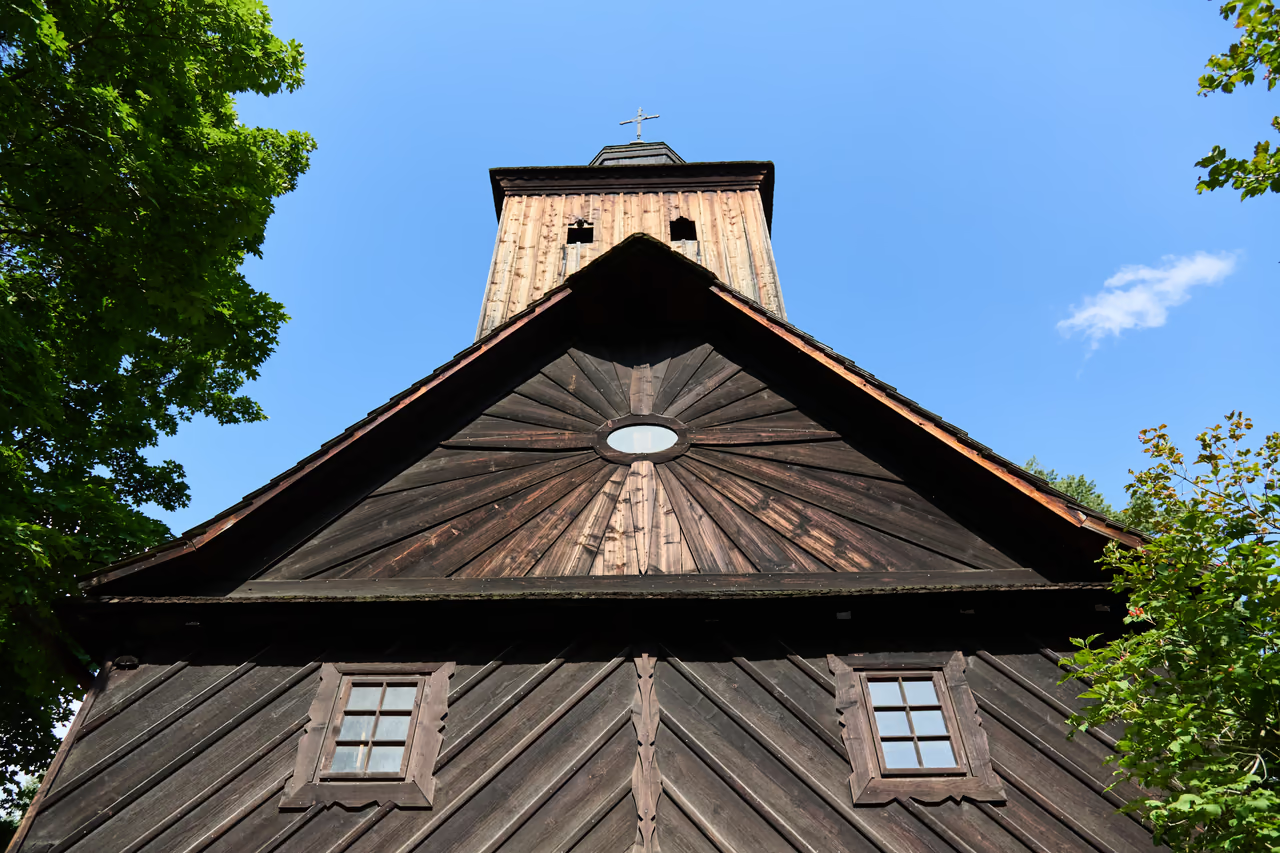
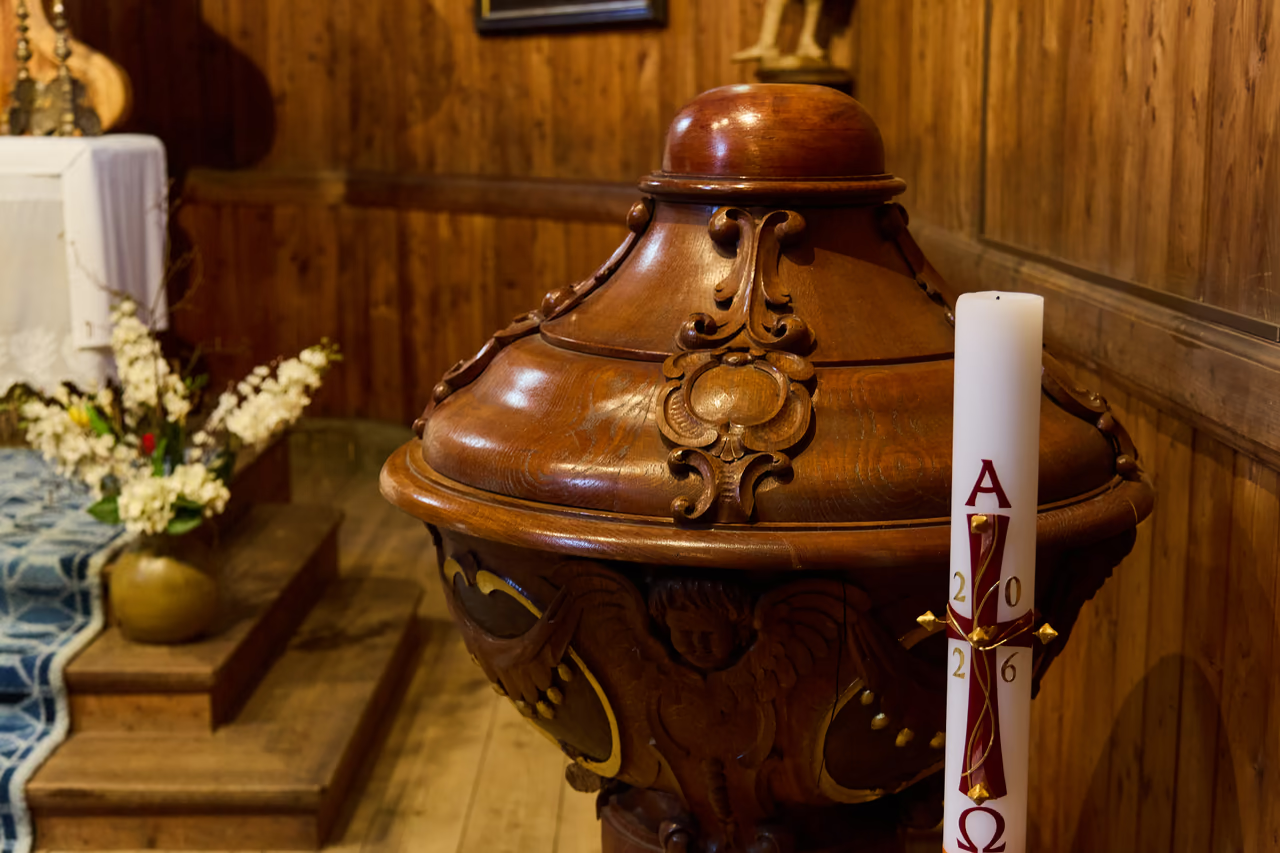
Inside, the unusual blue painted decoration comes as a surprise. There are two altars, the high altar with an image of Saint Anne and a side altar with an image of Saint Wenceslas. The display shows how a church in a small craftsmen's town was furnished at the end of the 19th century.

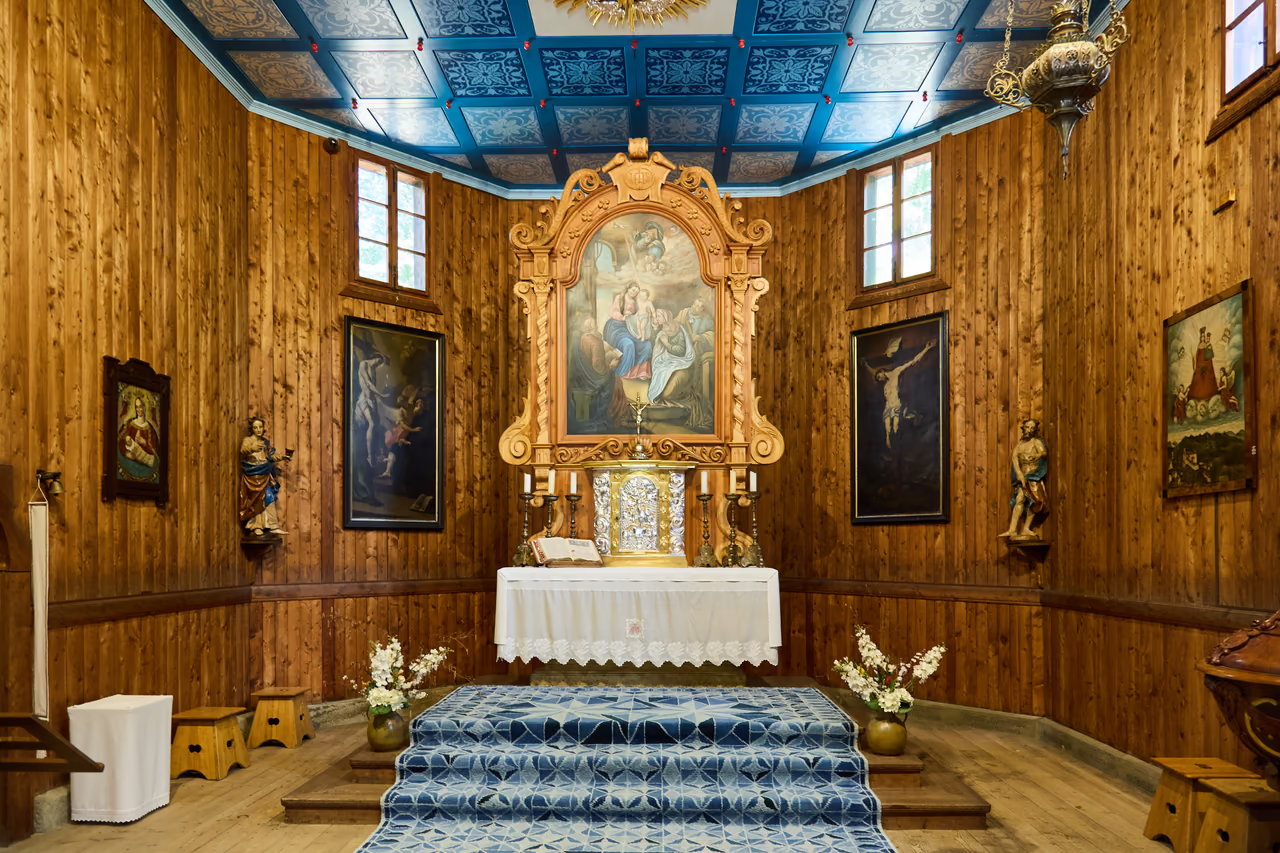
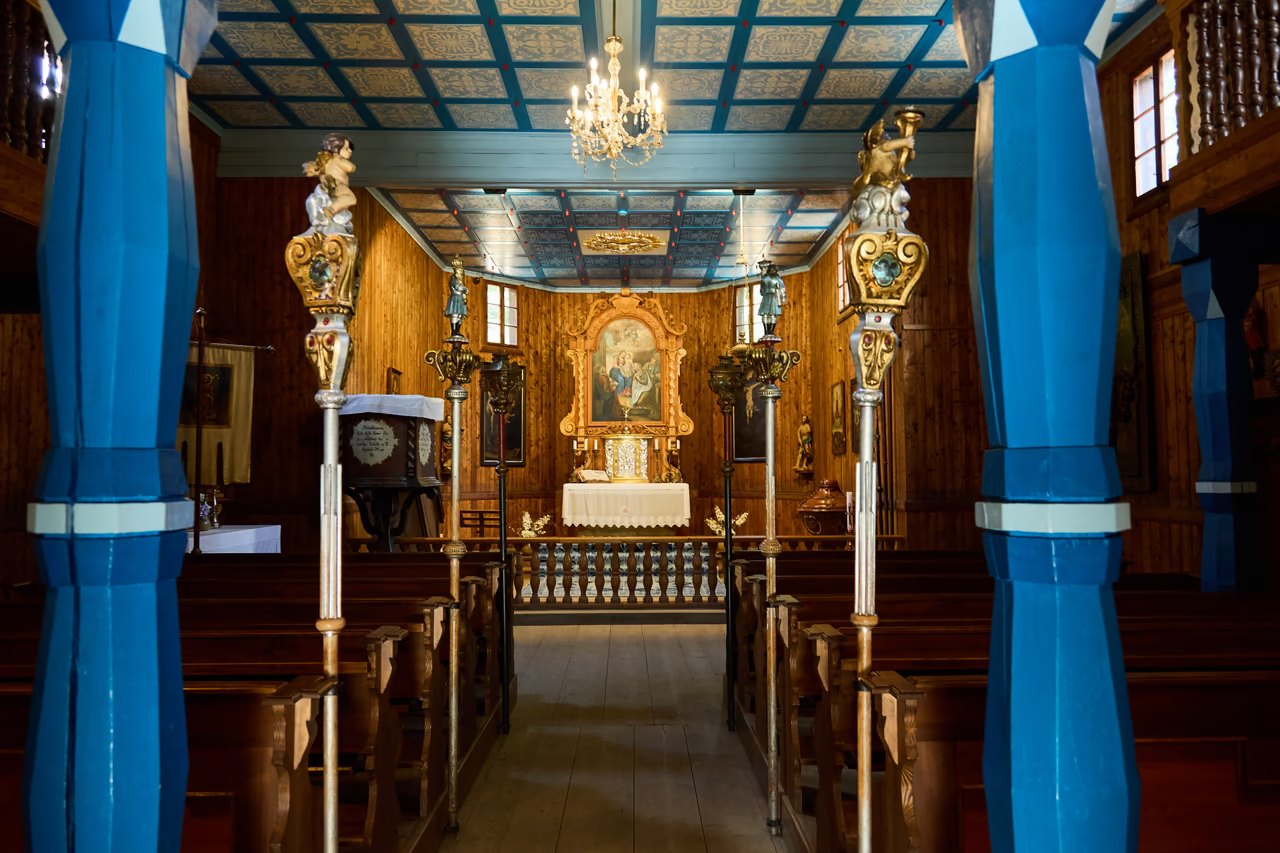
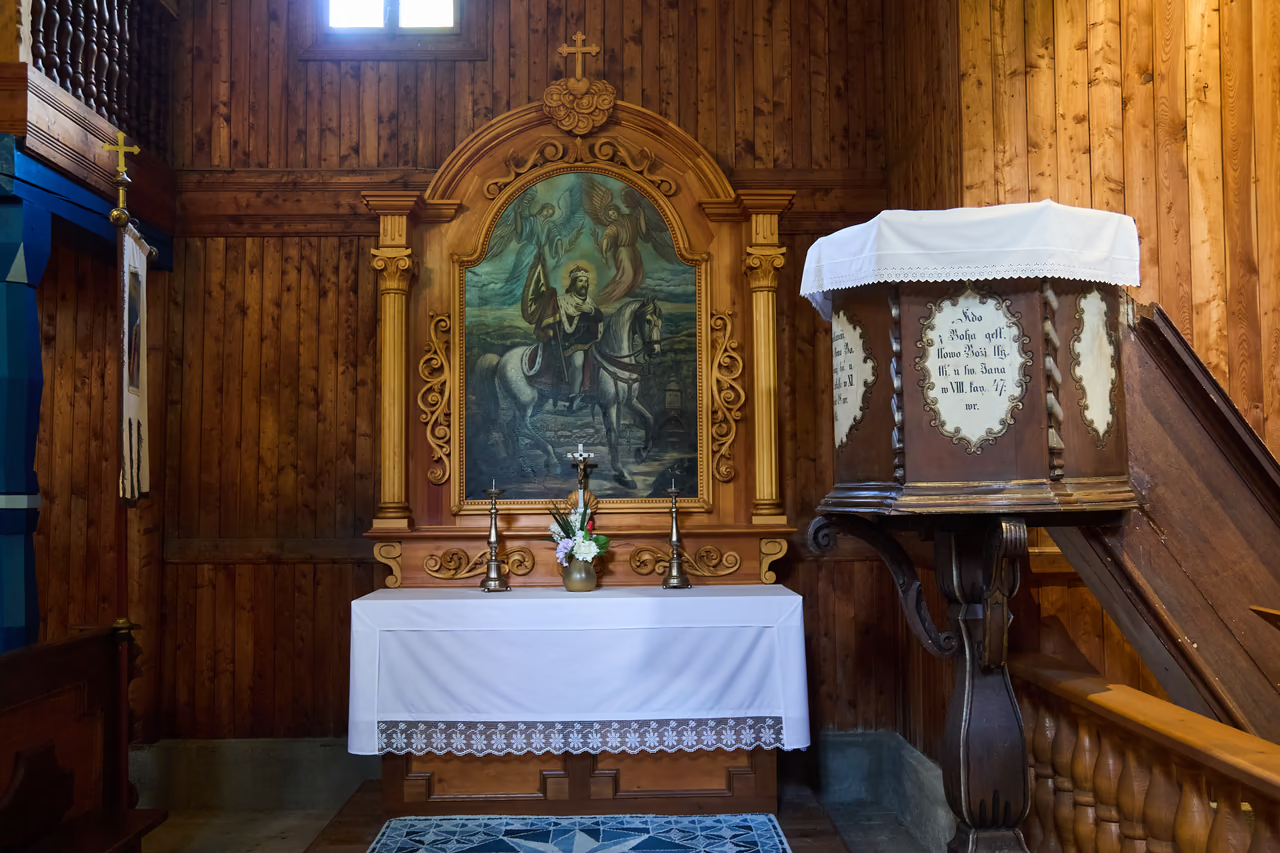
A cemetery of honour around the Church of Saint Anne in the Little Wooden Town, where figures who did much for Wallachia have been laid to rest since 1969 – writers, scientists, sportspeople and the founders of the museum itself.
The director of Valašské muzeum v přírodě, on the recommendation of an expert committee called the Rada starších.
No. It lies directly on the Little Wooden Town's tour route, and that ticket covers it.
It is a free copy of the single-nave church from Větřkovice near Příbor, built in 1939–1941 and consecrated in 1945. Inside it has unusual blue painted decoration and two altars.
Among others the runner Emil Zátopek, the javelin thrower Dana Zátopková, the ski jumper Jiří Raška, the discus thrower Ludvík Daněk, the singer Jarmila Šuláková and the museum's founders, the Jaroněk siblings.
Otázka 1 z 3
 Rysík→
A few quizzes and I get glasses, and I will feel properly educated.
Your rank: Homebody. You do not have a single stamp yet. Visit any place and become a Pilgrim.
You can experience the Beskids and Moravian Wallachia with Rysík and without him. Rysík would love to be there for it. Whether you take him along and take on the challenges with him is up to you.
You can find your favourite places in your account. On the Walking routes page you can use them to filter routes.
Suggest a more accurate wording.
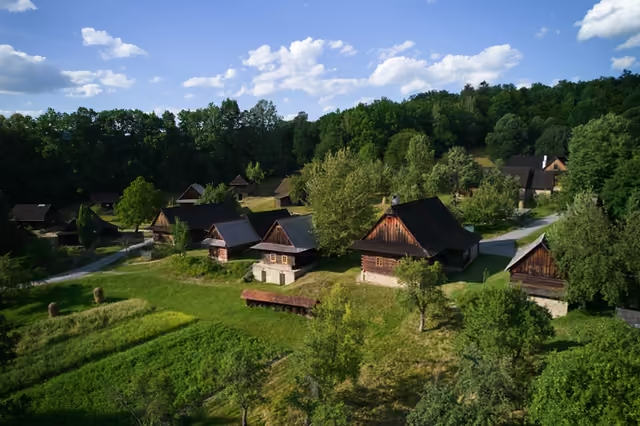
The whole open-air museum
The story from the folk festival of 1925 to today's three sites, with practical information for a visit.
Přejít na stránku →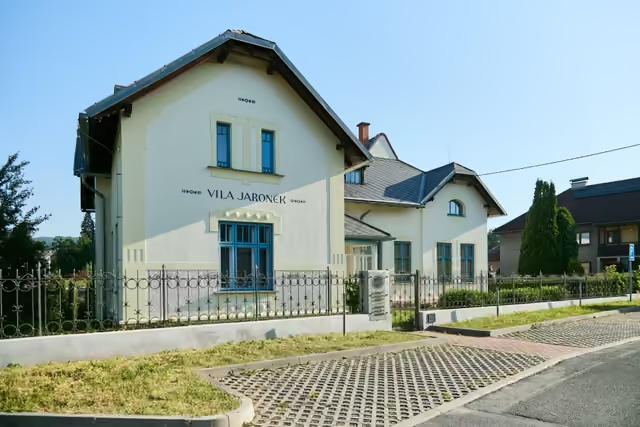
The founders' house
The house and workshop of the Jaroněk siblings, who lie in the Slavín themselves. Ten minutes' walk away.
Přejít na stránku →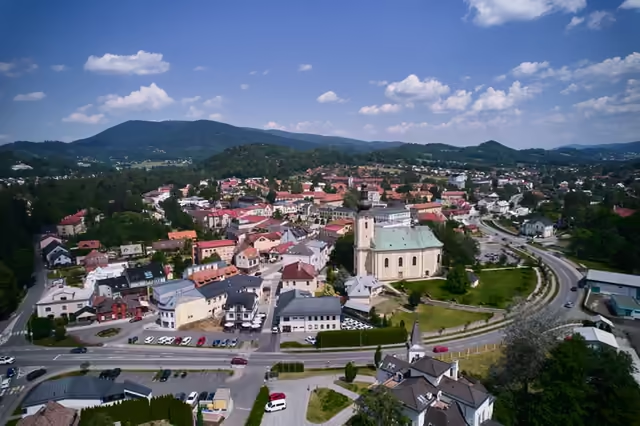
Where Anenská pouť sets out
At the end of July, for the day of Wallachia's patron saint, the parish Church of All Saints is where the costumed procession to the Church of Saint Anne begins.
Přejít na stránku →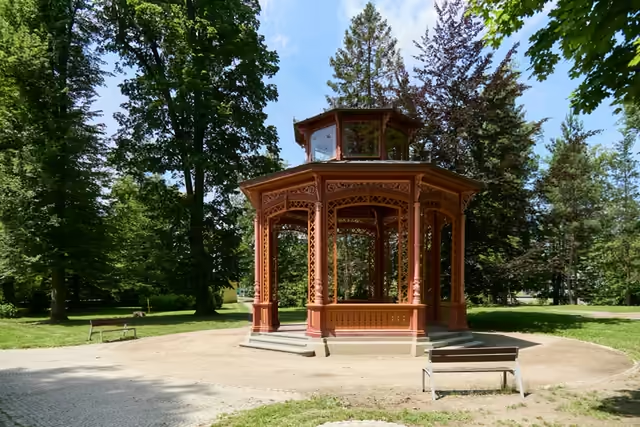
The park just beyond the museum fence
A spa park with a music pavilion, still a place for concerts and walks.
Přejít na stránku →