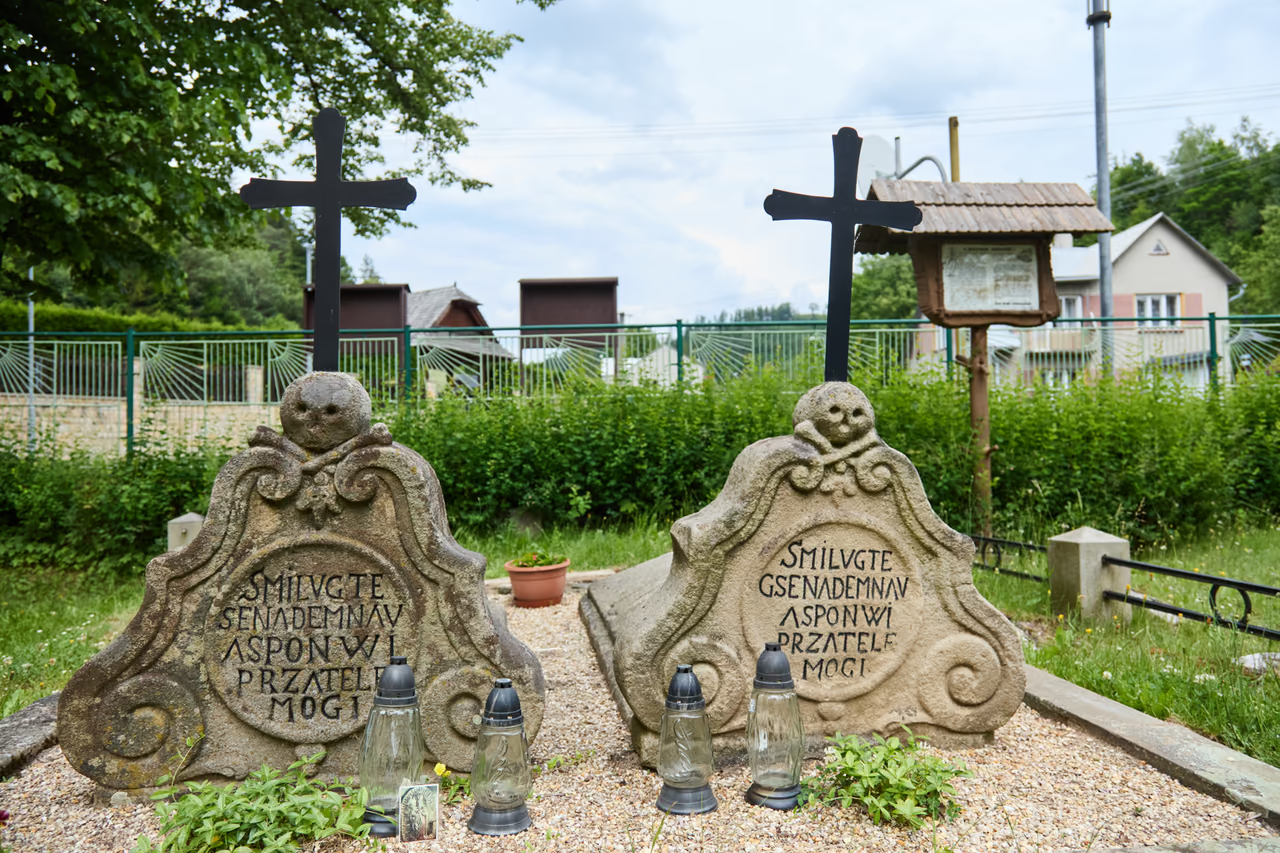
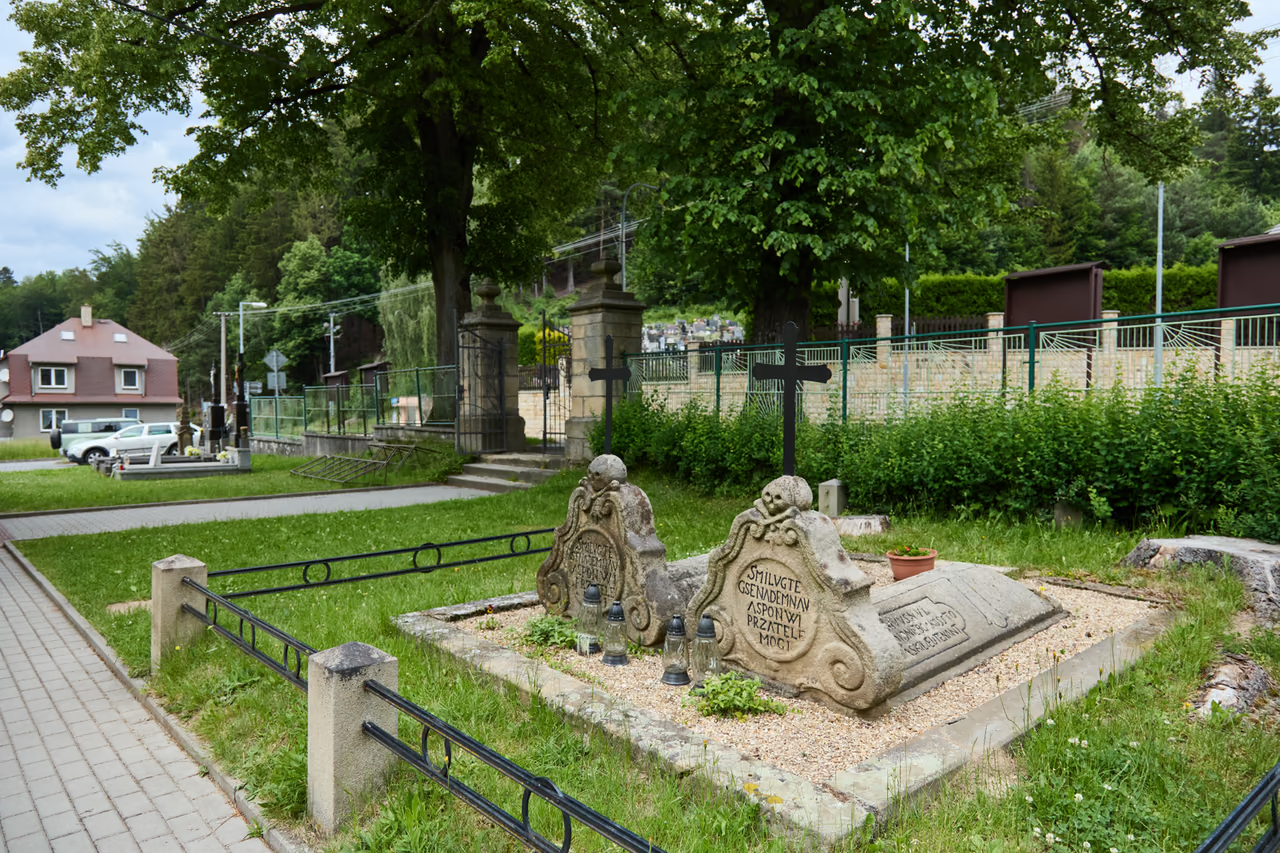
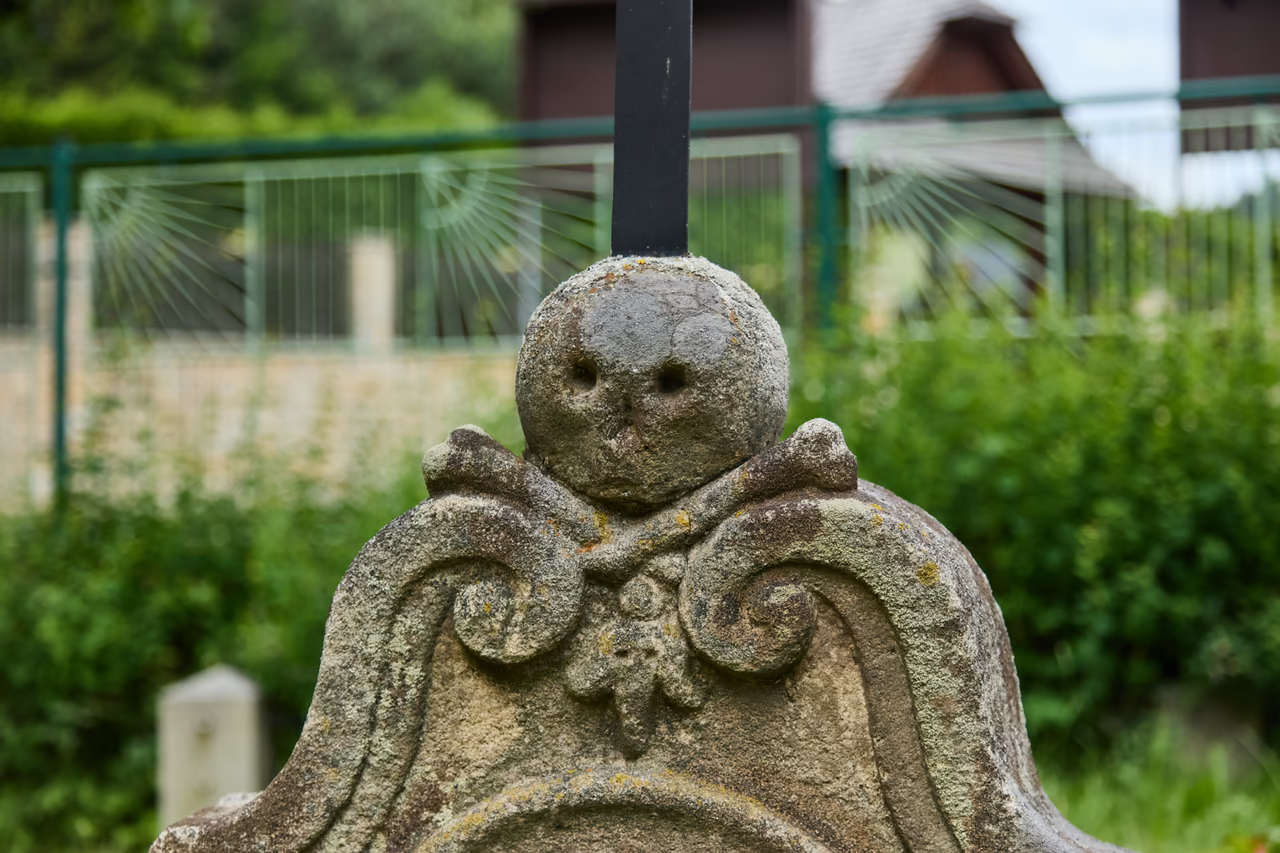
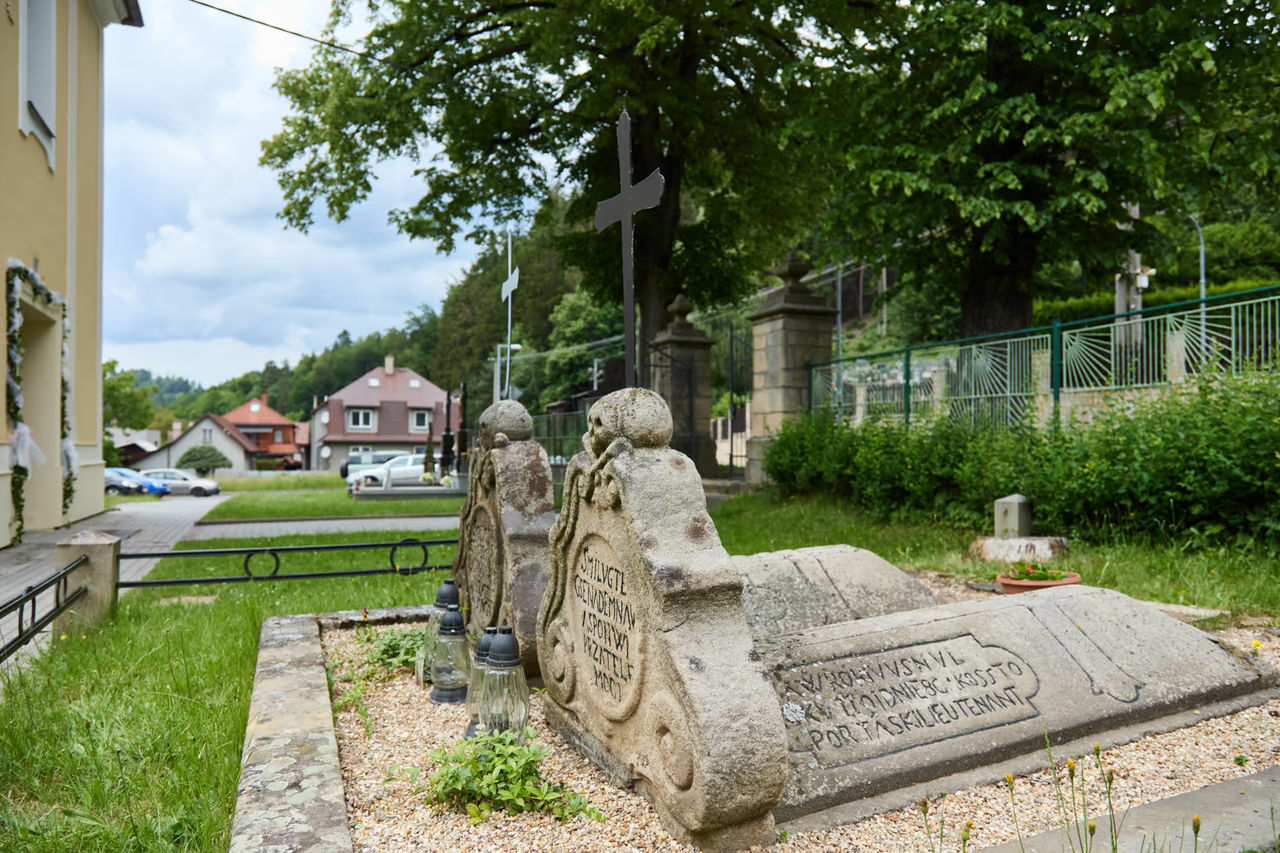
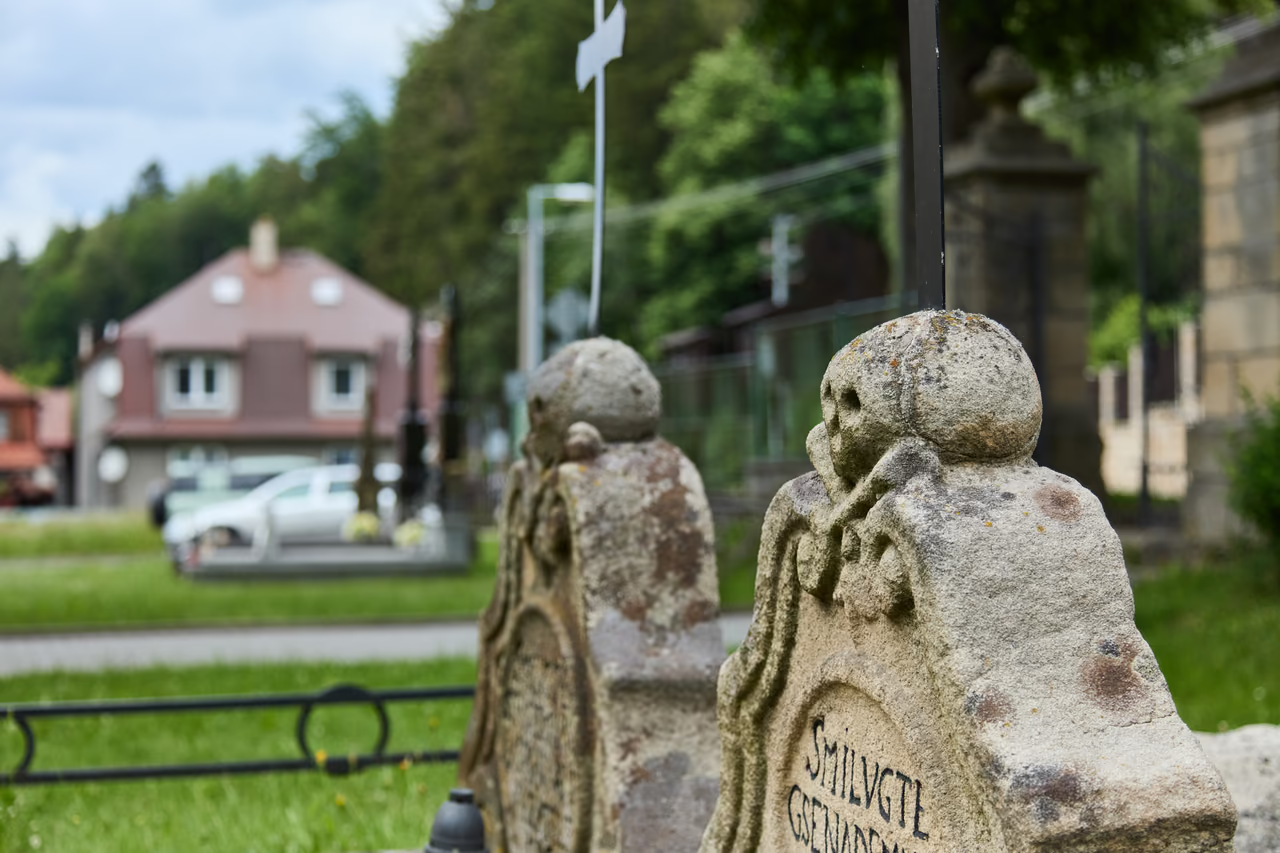
Both graves take the form of a stone coffin, with a sandstone slab some fifteen centimetres thick standing in front of it in a volute frame. At its top sits a skull on crossed bonesLiterally “remember death”. Baroque funerary symbolism: the skull on crossed bones recalls transience, the cross above it the hope of resurrection., from which a cast-iron cross rises.
Who is in the second grave is not known. The parish chronicle and the list of cultural monuments agree on Křenek's wife Marina (†1781), while a number of tourist sources write rather of his son Ondřej, a portáš corporal and blacksmith.
Burials now take place across the road. The parish founded the new graveyard there in the middle of the 19th century, among other reasons because of a typhus epidemic. Both portáš graves stayed where they were, though – in the grass in front of the church.
- material of the slab
- sandstone
- thickness of the front slab
- ≈ 15 cm
- number of graves
- 2