Why come
A walk with a story
The park offers a pond, a lime avenue and the shade of old trees, and with them the music pavilion, the most visible reminder of the town's spa era. The copy of the 1884 building stands on the original spot.
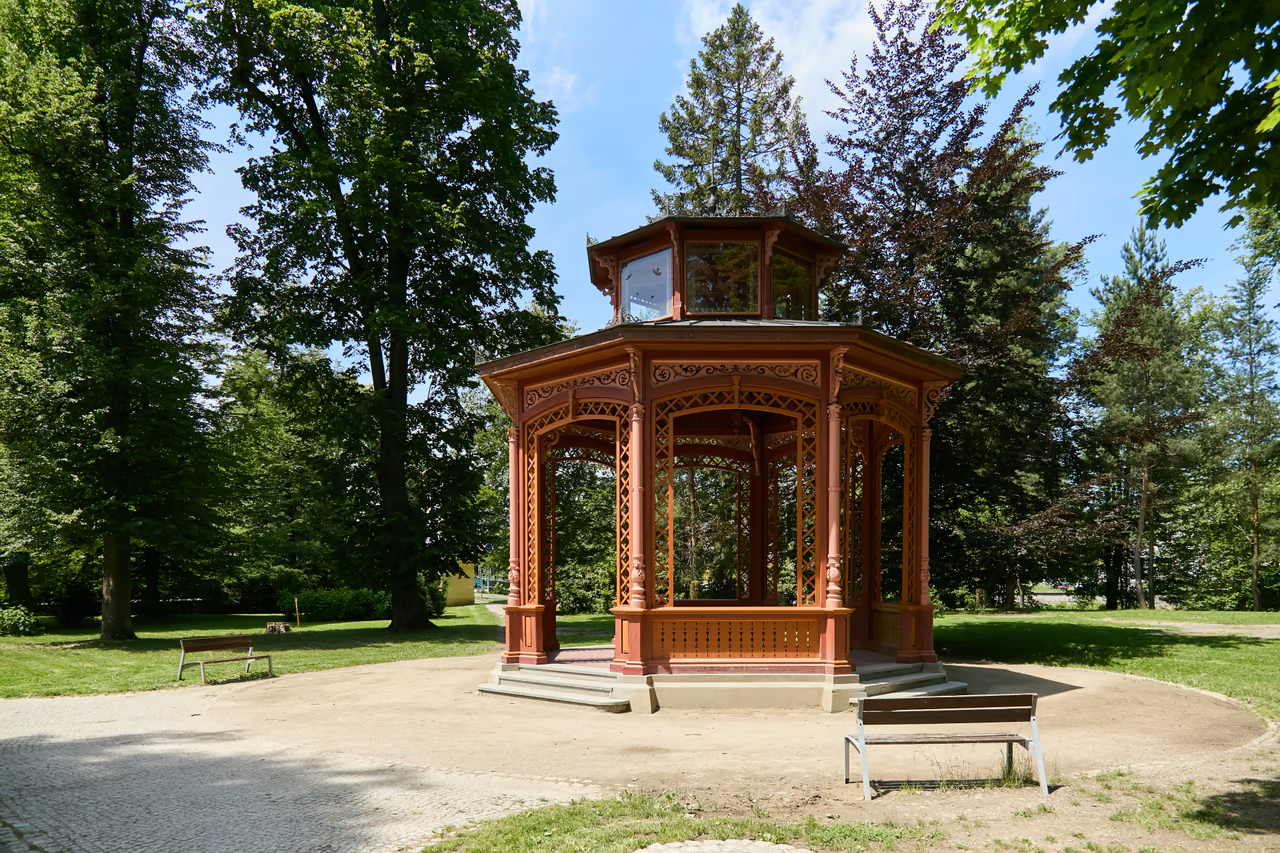
Town park • Rožnov pod Radhoštěm • Hájnice
A park from the spa years – and a pavilion that came back to it after decades.
The town park known as Hájnice wraps around the historic core of Rožnov. It grew up when Rožnov was a celebrated climatic spa.
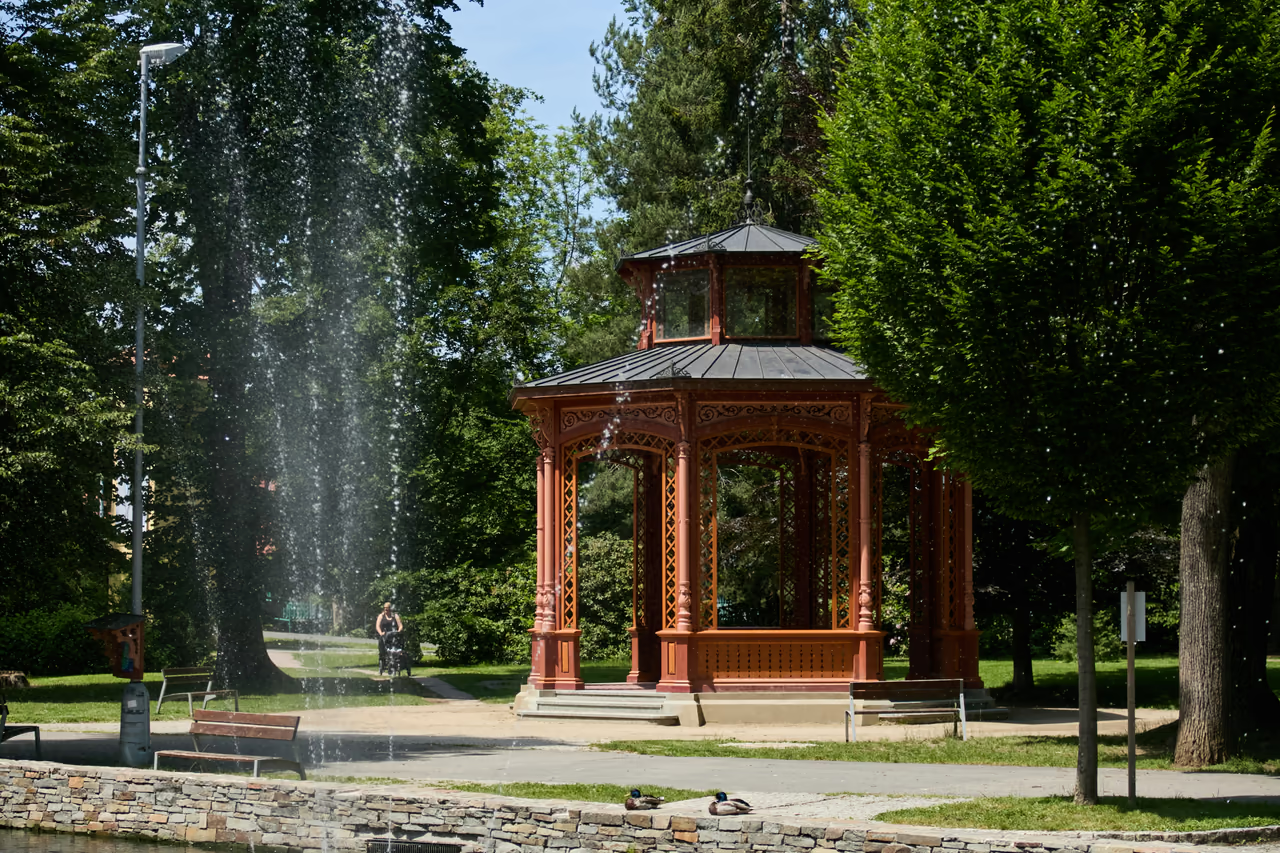
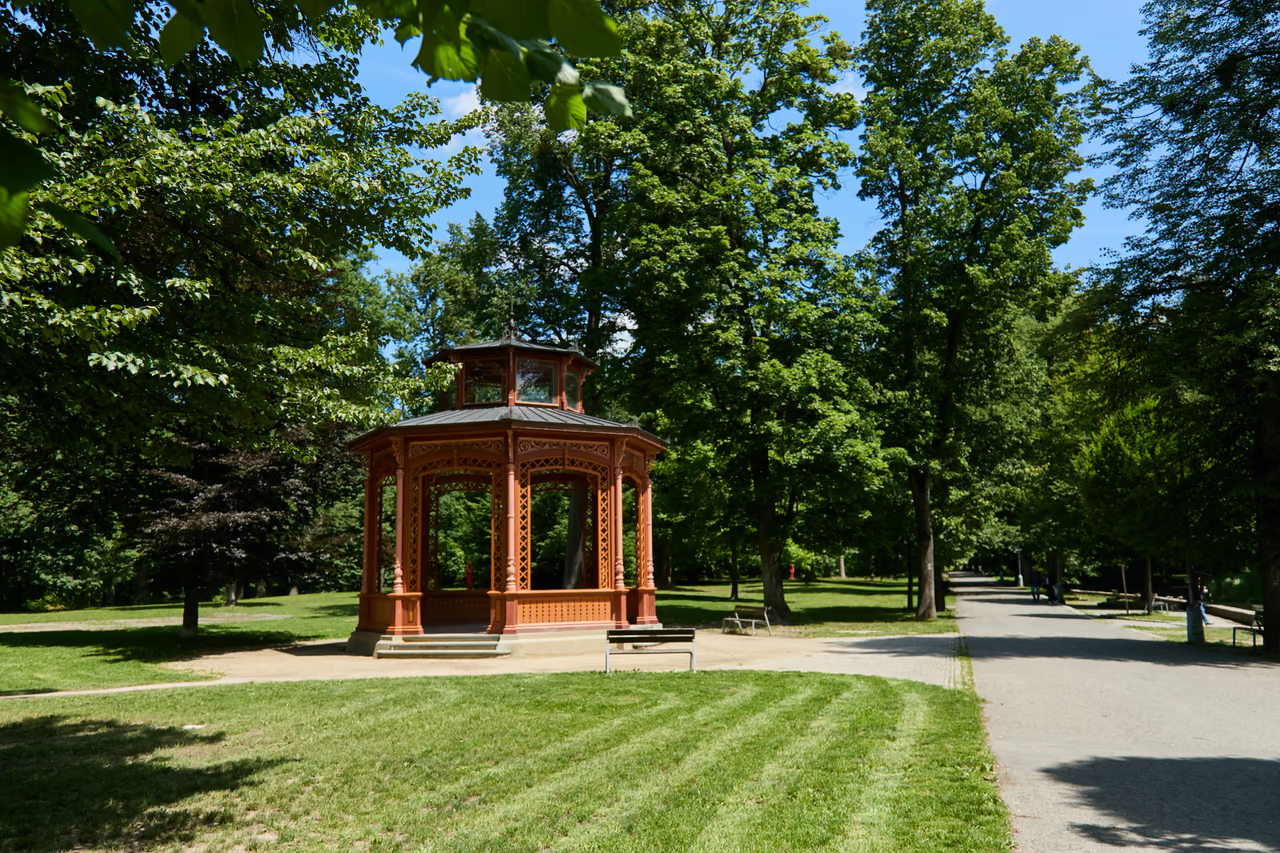
At its heart stands a wooden music pavilion, an exact copy of the 1884 building. It returned to its place in 2009, and music is played in it again in summer.
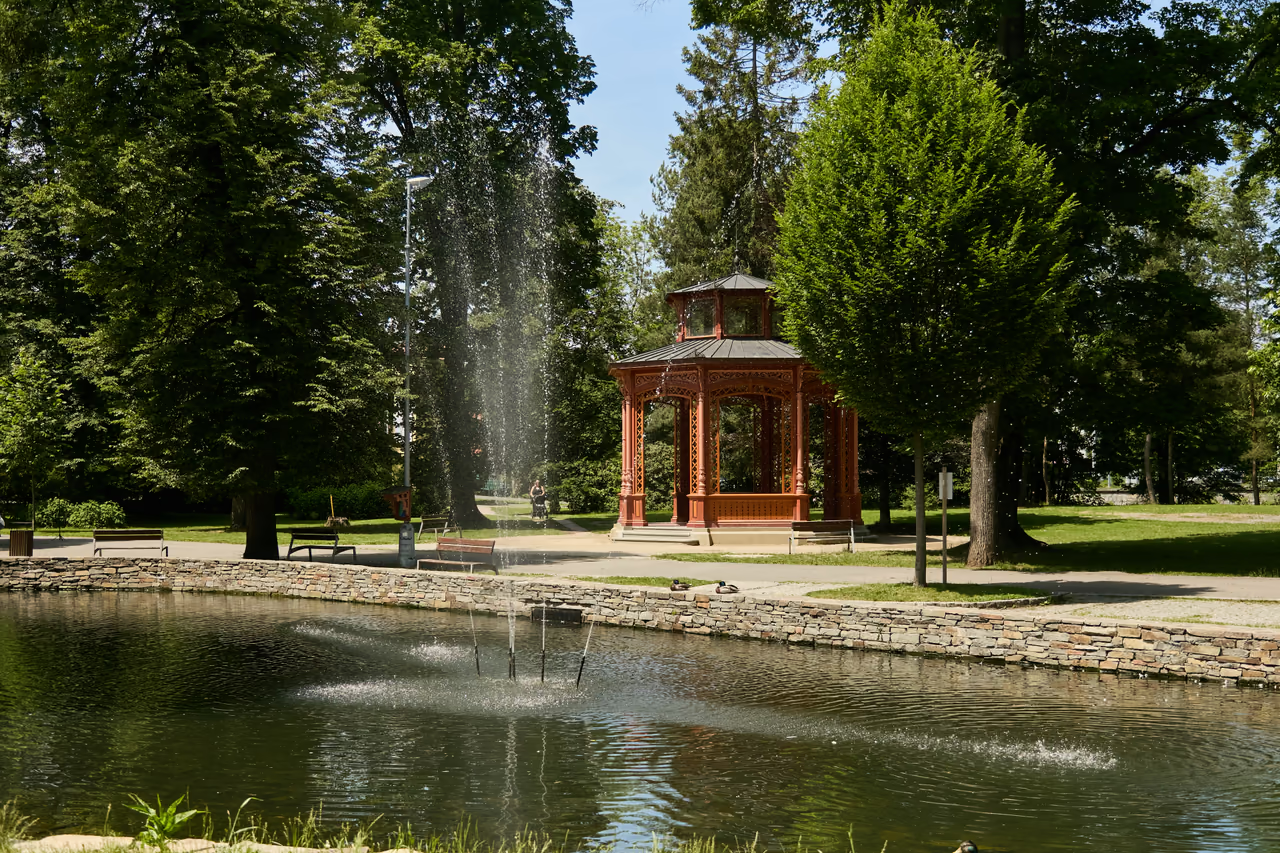
Why come
The park offers a pond, a lime avenue and the shade of old trees, and with them the music pavilion, the most visible reminder of the town's spa era. The copy of the 1884 building stands on the original spot.
When to come
Rožnovské kulturní léto uses the pavilion for its more intimate concerts. Otherwise the park is open all year and the pavilion is freely accessible.
What not to miss
Look at the pavilion's carved latticework and the turret on its roof. Right beside the park lies Valašské muzeum v přírodě – it grew up here as early as 1925.

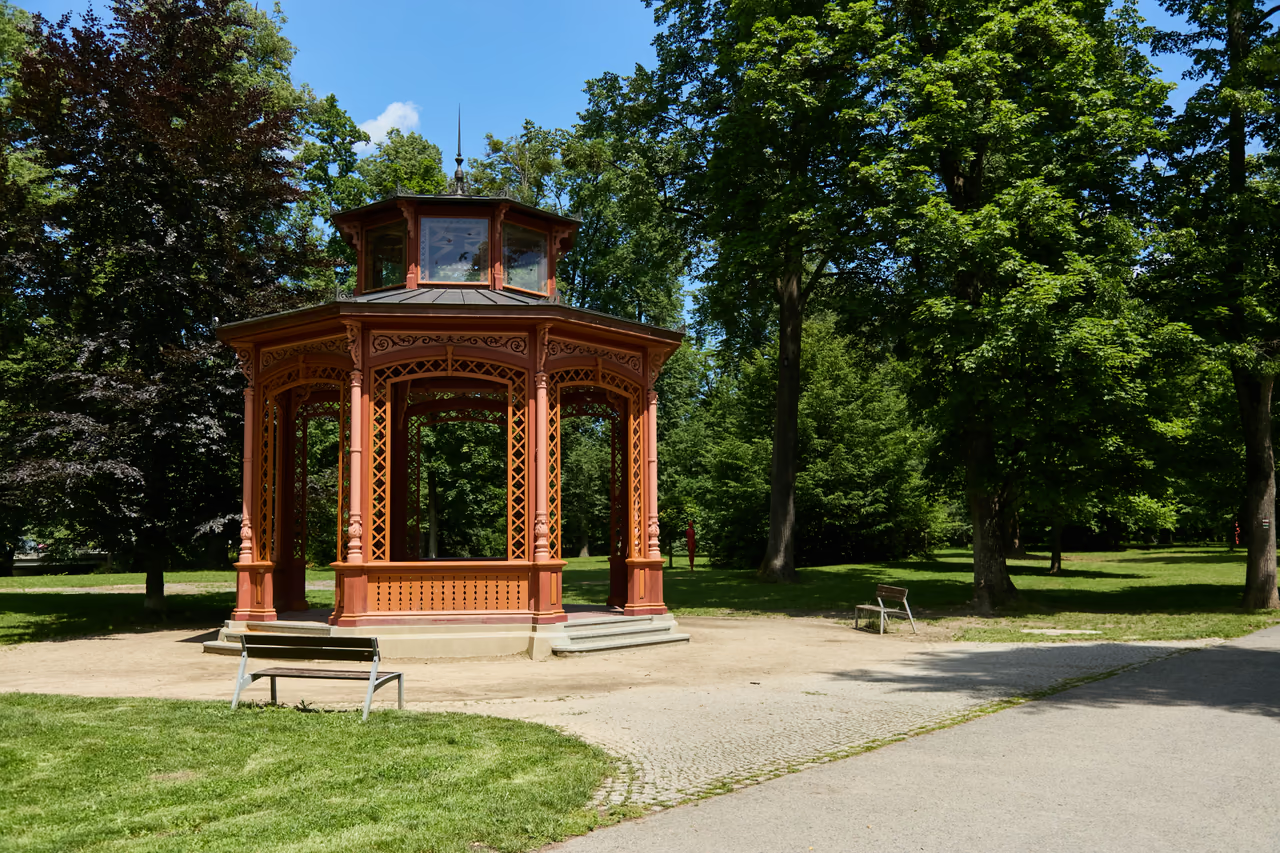
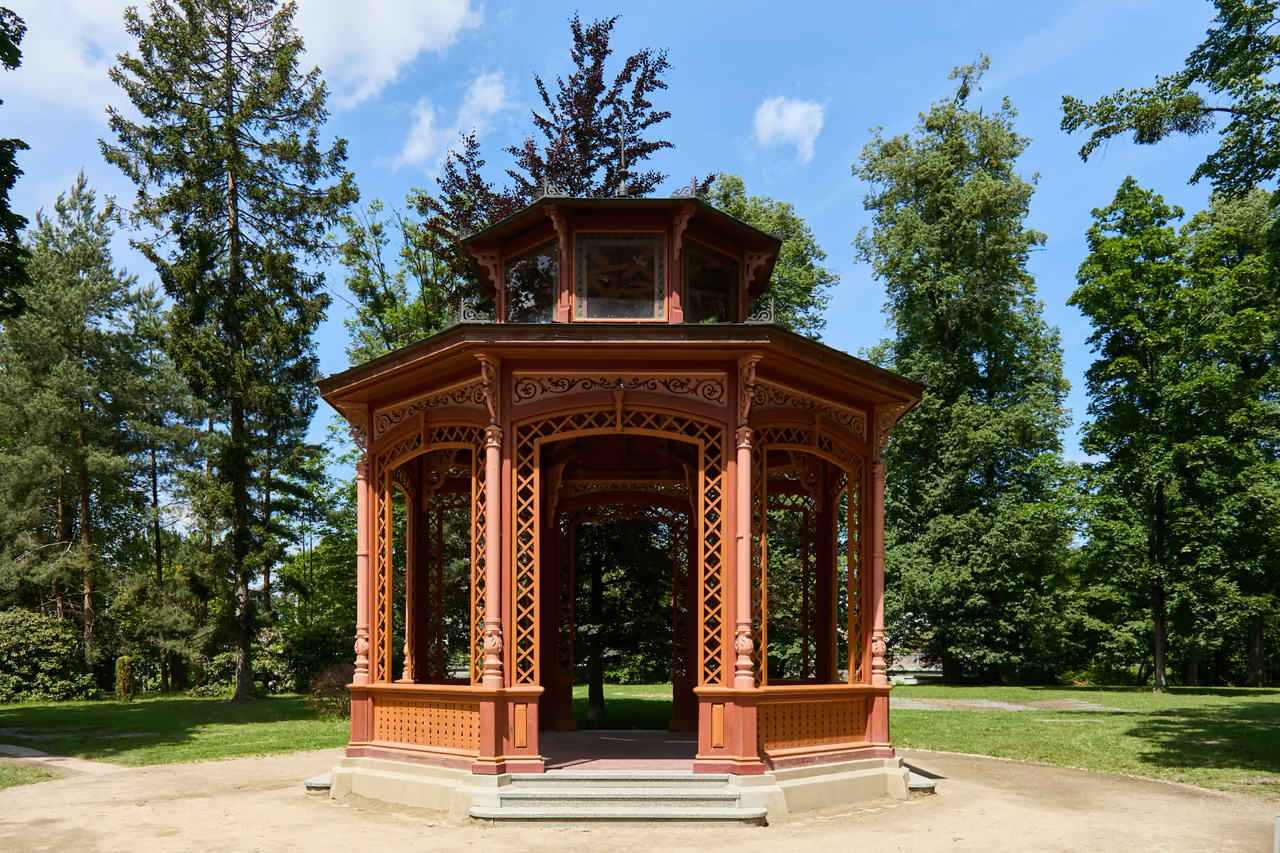
Craft
Fine wooden latticework covers the railings and the upper panels between the posts – it is the detail that makes the pavilion more than an ordinary park building.
Detail
The middle of the low roof is crowned by a glazed turret. It is what gives the pavilion away among the trees from a distance.
Around it
A few steps from the pavilion lies the pond with its fountain; the main park paths from Společenský dům run past it.
From a grove by the Bečva to a park where the music came back
“It is a very rare thing for a town such as Rožnov, numbering barely more than 3,000 inhabitants, to have an extensive park that in its setting and beauty may be the pride of its people.”From the assessment by the Prague architect Josef Kumpán, 1921
Hájnice
The Rožnov “park” was here before the spa and the promenades. The braided river changed its channel at every flood, and people let trees grow up along its banks to hold them. A wood and a grove thus grew on the floodplain of the Rožnovská Bečva, and the locals called it Hájnice. The Bečva's channel was later confined, and the park stayed – almost all of it lies today in the river's former bed.
The turn came with the spa. The air in the foothills of Radhošť proved beneficial for diseases of the lungs and airways, and guests started coming to Rožnov for it as early as the end of the 18th century. After 1796 the people of Rožnov realised what Hájnice meant for those guests. In 1813 they planted it with poplars and other trees.
In 1820 the estate director Josef Drobník founded a medical institution in Rožnov. He laid out a park in Hájnice, built a pavilion and an oven for warming medicinal žinčice. Generations of gardeners then shaped the planting on the principles of an English landscape park: light and shade, thinning of old trees, planting of new ones. A hundred years later, around 1921, a large lime avenue and a pond were added through the efforts of the town improvement society.
The Bečva once had a far wider channel – the park lies in the belt the river wandered freely across at high water.
1884
In 1884 the park was given a music pavilion. Rožnov was on the rise: around 1897 more spa guests arrived in the season than the town had inhabitants.
Sand paths, ladies with trains, a strict commissioner. The pavilion belonged in that setting – it stood by the sand paths a short way from the treatment house of the day (today Společenský dům). How seriously the town took its guests' well-being is shown by a public notice of the time:
“Ladies of decent dress are politely requested to visit the spa gardens and the treatment house, and public walks likewise, with their trains lifted or without them, so as to prevent the raising of dust, which is most harmful to the lungs of the sick.”From a notice by police commissioner Osvald Kotouček, 1 July 1897
1973–2009
In 1973, after almost ninety years, the pavilion disappeared from the park. Those who remembered it missed it enough that in 1996 the Městská knihovna, the town library, launched a fundraising appeal to bring it back.
“It is a magnificent building that always belonged to Rožnov.”Jitka Valentová, Nadace Děti – kultura – sport, at the opening in 2009
The building, costing more than two million crowns, was paid for in the end by the Nadace Děti – kultura – sport foundation, whose founder was born in Rožnov. The exact copy of the original pavilion opened on 19 September 2009 with a concert by Junior Beskydská muzika from the Rožnov art school.
The money from the library's appeal went in the end to repairing the park's entrance gate by Společenský dům.
Today
The park today serves above all the people of the town: children, picnics on the lawns, walks. Anyone crossing from one part of Rožnov to another usually goes through the park.
Music is played in the pavilion again. Rožnovské kulturní léto uses it for its more intimate concerts; the big events go to the stage in the park and to the Na Stráni amphitheatre. Outside the programme the pavilion is simply part of the park: freely accessible, on the path from Společenský dům to the pond. There is no charge.
Right beside the park lies Valašské muzeum v přírodě – it grew up here in 1925 as the oldest museum of its kind in central Europe.
Timeline
From the medical institution of 1820 to the restored pavilion – the landmarks of a place where a park meets music.
1796
As the climatic spa develops, the wood on the town's edge known as Hájnice grows in importance.
1820
The estate director Josef Drobník founds a medical institution; from Hájnice he lays out a park with a pavilion and an oven for žinčice.
1884
A wooden music pavilion goes up in the park.
1897
In the season more guests arrive than the town has inhabitants. The commissioner orders ladies to lift their trains so as not to raise dust.
1921
The spa gardening committee invites the Prague landscape architect Josef Kumpán. Through the efforts of the town improvement society a large lime avenue is added and a pond is made.
1925
The Jaroněk brothers found Valašské muzeum v přírodě in the park – the oldest museum of its kind in central Europe.
1973
After almost ninety years the original pavilion disappears from the park.
1996
Městská knihovna launches a fundraising appeal to bring the pavilion back. The building is paid for in the end by the Nadace Děti – kultura – sport foundation.
2009
The exact copy opens on 19 September with a concert by Junior Beskydská muzika.
No, the park and the pavilion are open all year and free.
No. The original pavilion of 1884 stood in the park until 1973. Today's building is an exact copy of it, opened on 19 September 2009 on the original spot.
By the pond with the fountain, a short way from Společenský dům.
Yes, the more intimate concerts of Rožnovské kulturní léto. Big events go to the stage in the park or to the Na Stráni amphitheatre.
Yes – Valašské muzeum v přírodě is right beside the park, and from here you can carry on up Karlův kopec to the Jurkovič lookout tower.
Otázka 1 z 5
 Rysík→
A few quizzes and I get glasses, and I will feel properly educated.
Your rank: Homebody. You do not have a single stamp yet. Visit any place and become a Pilgrim.
You can experience the Beskids and Moravian Wallachia with Rysík and without him. Rysík would love to be there for it. Whether you take him along and take on the challenges with him is up to you.
You can find your favourite places in your account. On the Walking routes page you can use them to filter routes.
Suggest a more accurate wording.