Why come here
Three faces of Wallachia in one place
The museum is made up of three different but connected sites: a square, a village on a slope and a technical valley. The machinery really turns and craftspeople work at it.
Open-air museum • Rožnov pod Radhoštěm • since 1925
Rescued Rožnov log houses became the oldest open-air museum in central Europe.
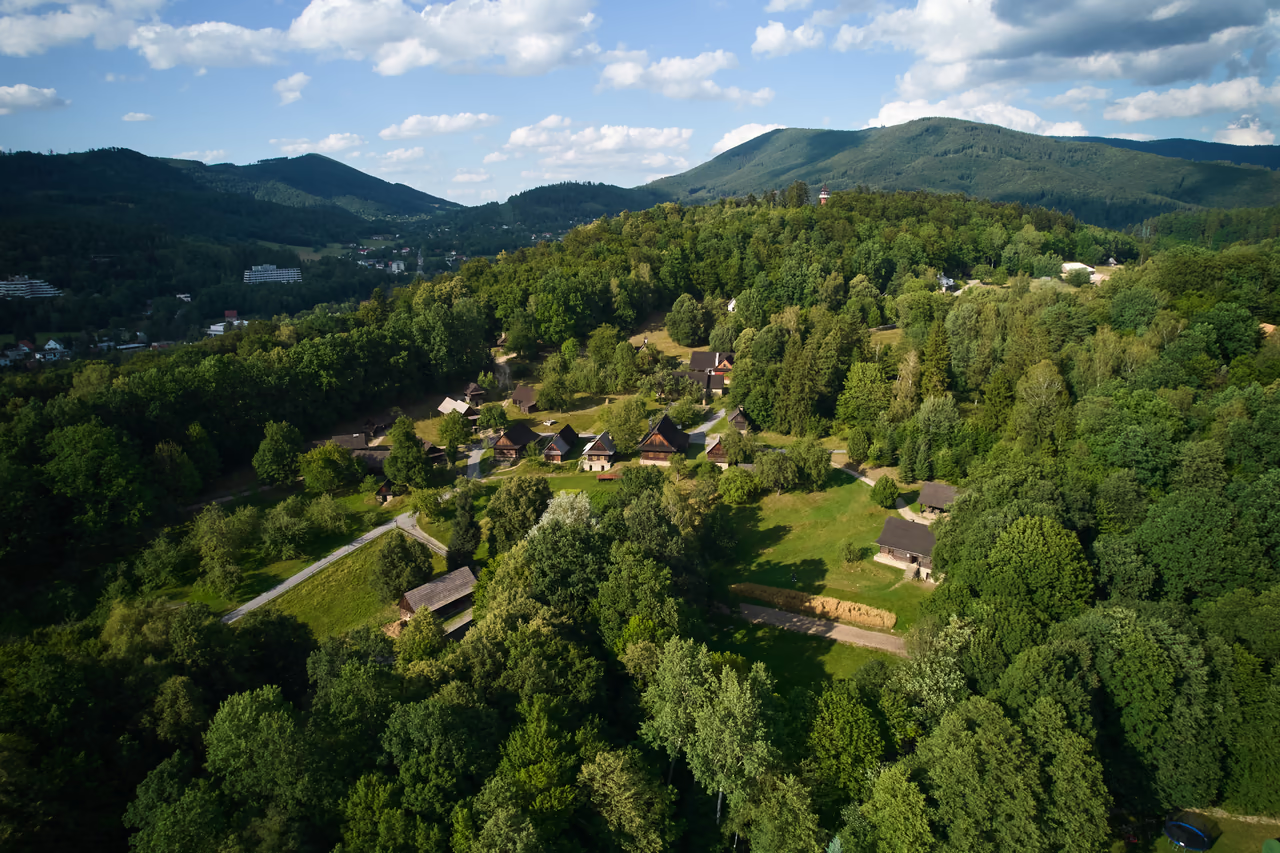
Valašské muzeum v přírodě – the Wallachian Open Air Museum – is the largest open-air museum in Czechia and the oldest in central Europe. Since 1925 it has been showing, in Rožnov pod Radhoštěm, how people in Moravian Wallachia lived and farmed and what crafts they practised.
Today it has three sites: a town square on the flat, a village on a hillside and a valley of water-driven machinery. In the middle of the town square lies Valašský Slavín – the burial ground of people who made the region's name.
Why come here
The museum is made up of three different but connected sites: a square, a village on a slope and a technical valley. The machinery really turns and craftspeople work at it.
When to come
In season the museum puts on craft and folklore programmes. For quiet and crowd-free photographs, come on a weekday right after opening.
What not to miss
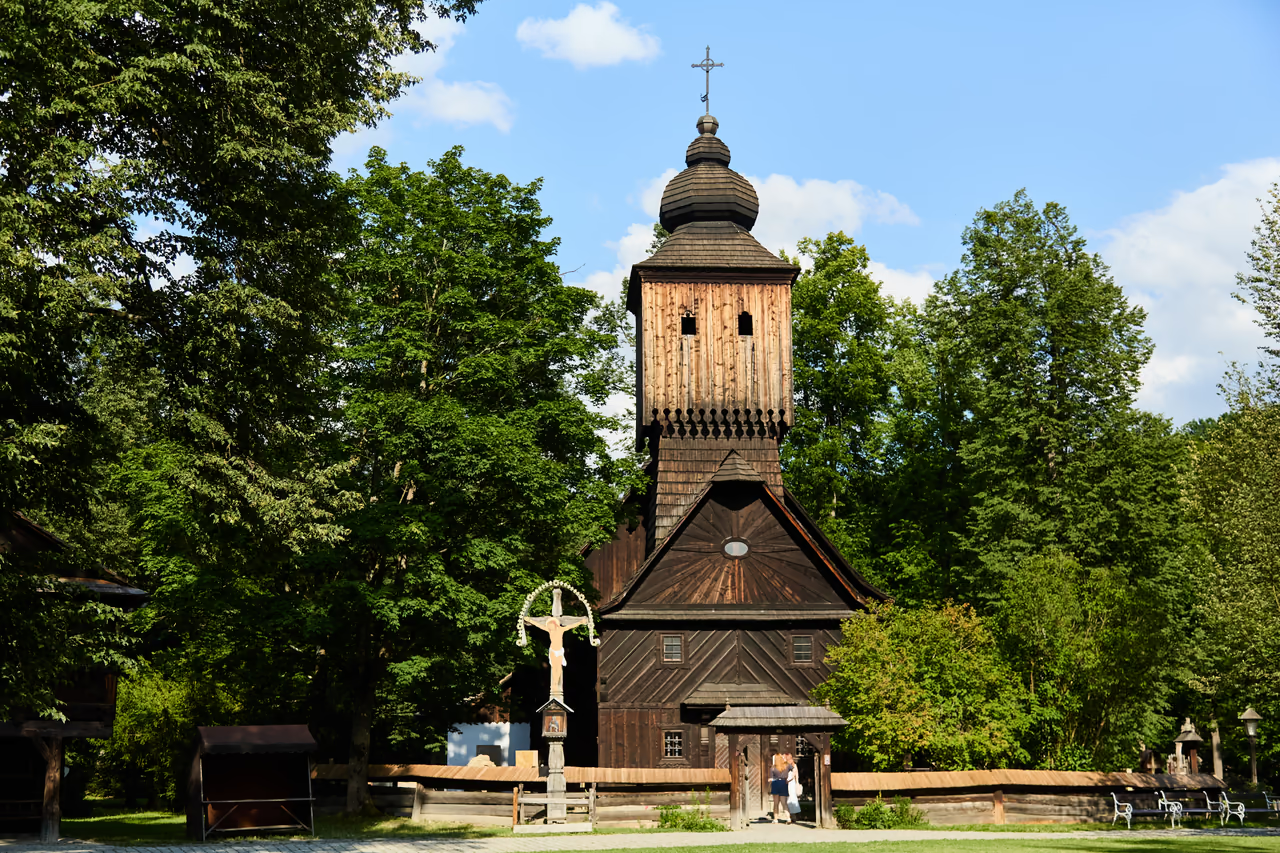
In the Little Wooden Town stands a wooden church with blue painted decoration, ringed by Valašský Slavín – the burial ground of well-known and respected figures tied to Wallachia.
„The Wallachian museum carries on the legacy of its founders, who wanted it to be a living museum."- Národní muzeum v přírodě, on the history and founding of the museum
The museum still rests on displays indoors and out and on demonstrations of crafts, farming, customs and folklore. The houses make the setting; what happens in them is the content.
A festival became a museum, the museum became a piece of the region
The museum's sites took almost sixty years to build up, and each shows a different face of Wallachia.
since 1925 • the oldest part

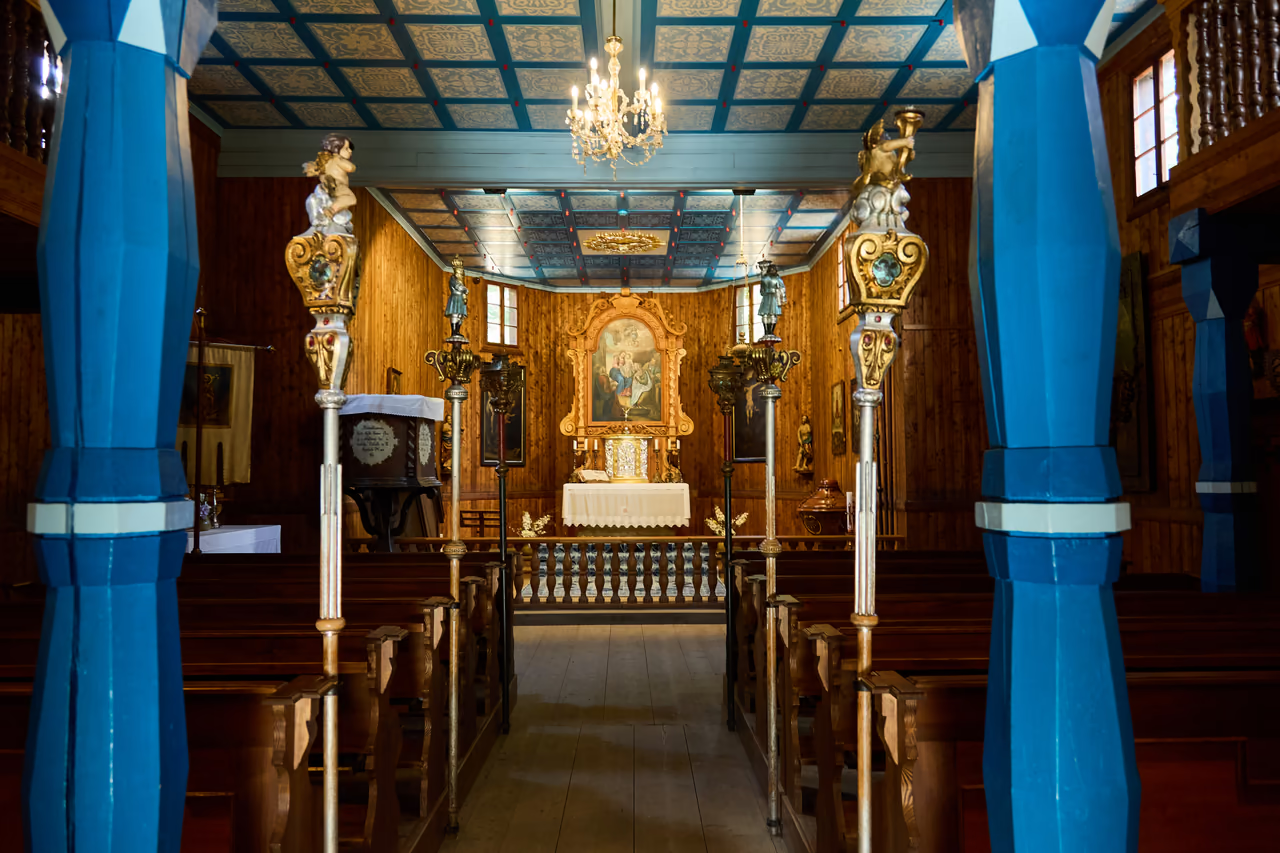
How the Little Wooden Town, and the whole museum, began
The brothers Alois and Bohumír Jaroněk put forward a plan to move several log buildings into the town park as early as before the First World War. They only got it through while Rožnov was preparing an ethnographic festival for 1925.
Two log houses from the square in Rožnov were moved onto a clearing in the spa park at the time, and several smaller buildings with them. They were a backdrop for the great folk festival Valašský rok. Once it was over, the houses stayed. That gave the museum its start as the Little Wooden Town (Dřevěné městečko) – and with it Valašské muzeum v přírodě, the first museum of its kind in the country and, until the 1970s, the only one.
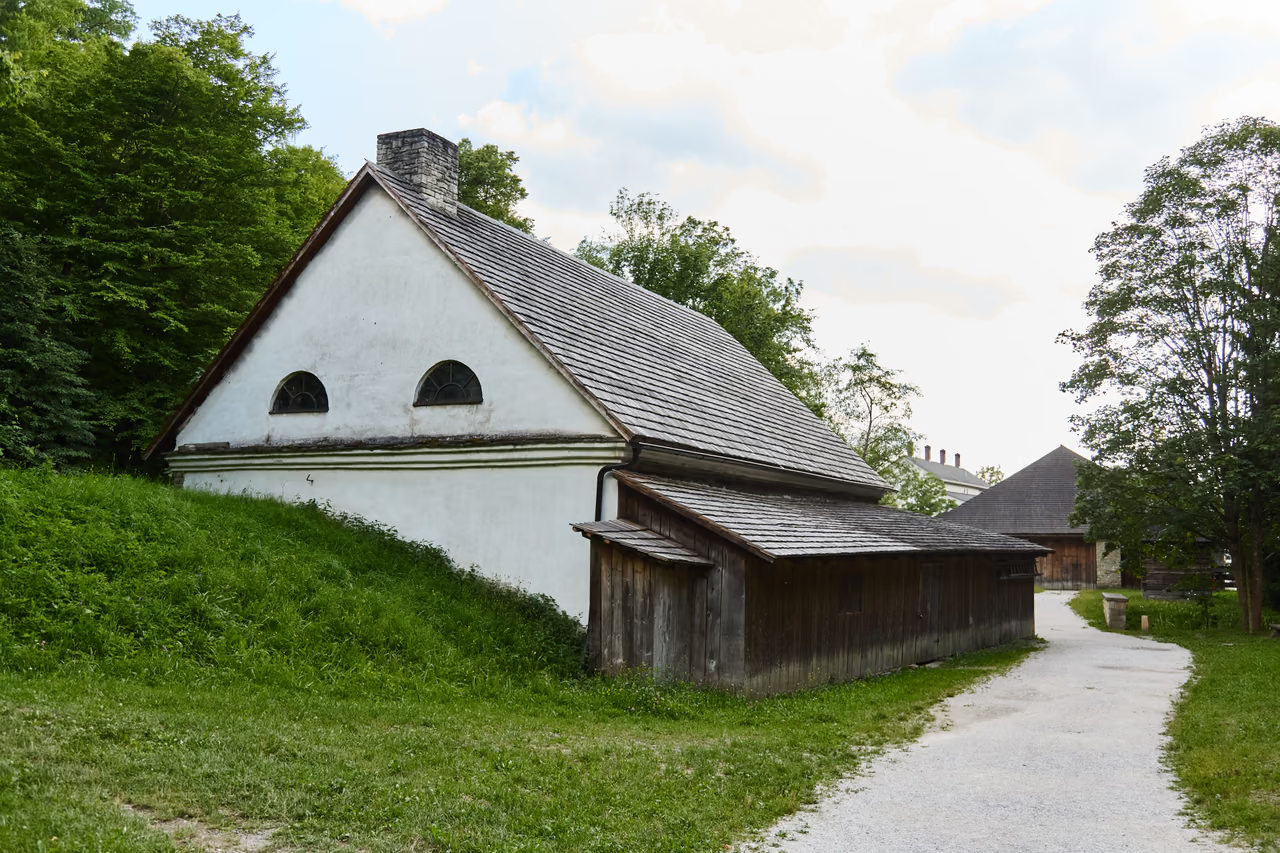
A whole small town grew out of that handful of buildings. Around the paved lanes today stand a town hall, a burgher's house, inns, a barn and the fojtství from Velké Karlovice. Together they show housing and life in a small Wallachian town from the mid-19th century to the first quarter of the 20th.
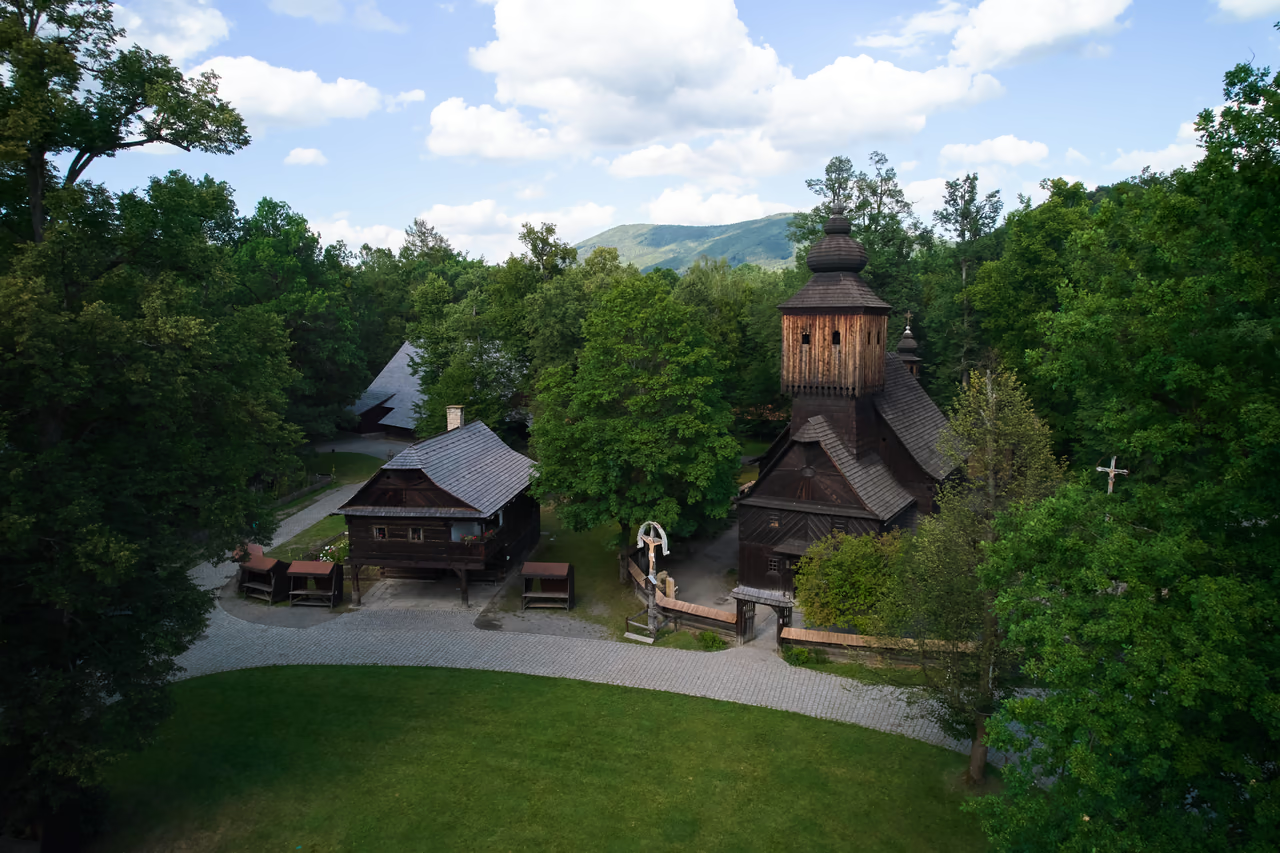
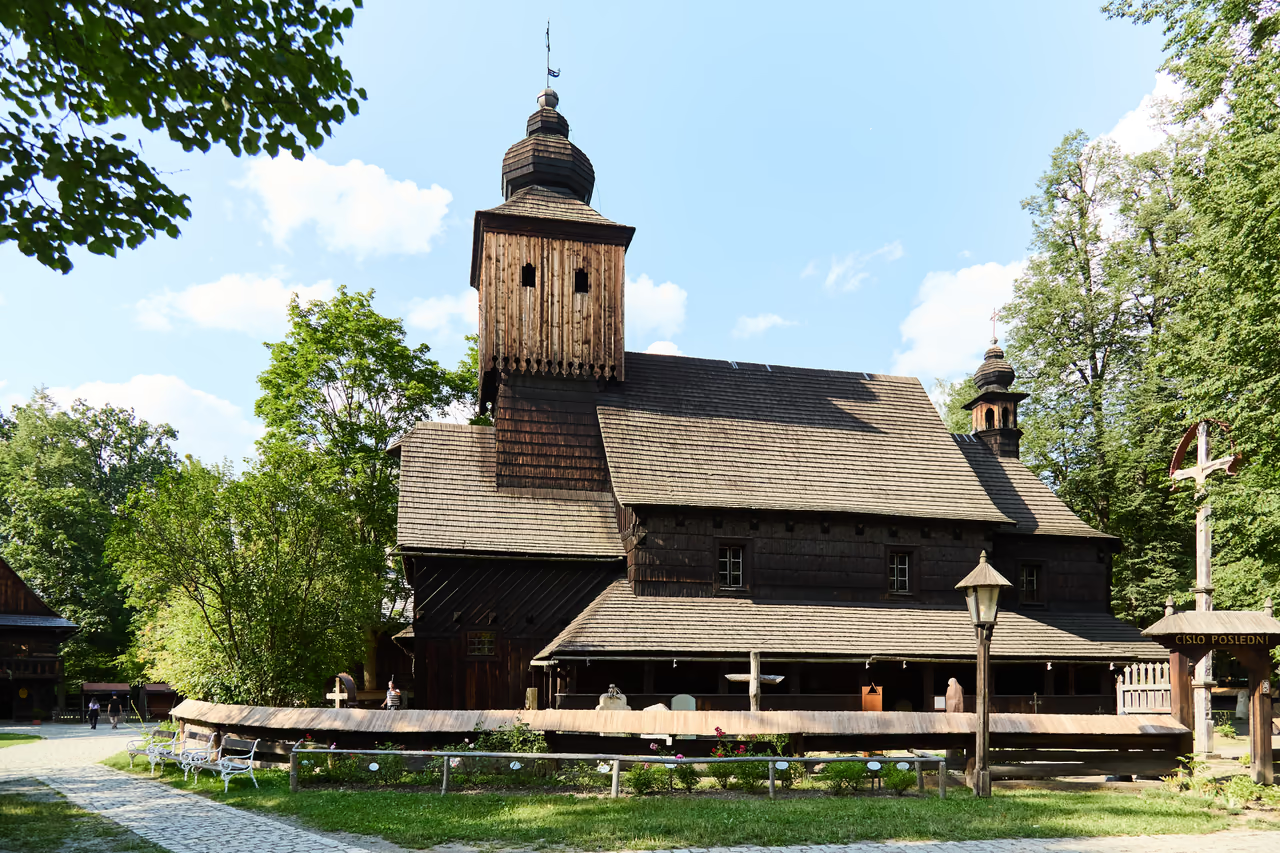
Do not miss it in the Little Wooden Town
since the 1960s • the largest site

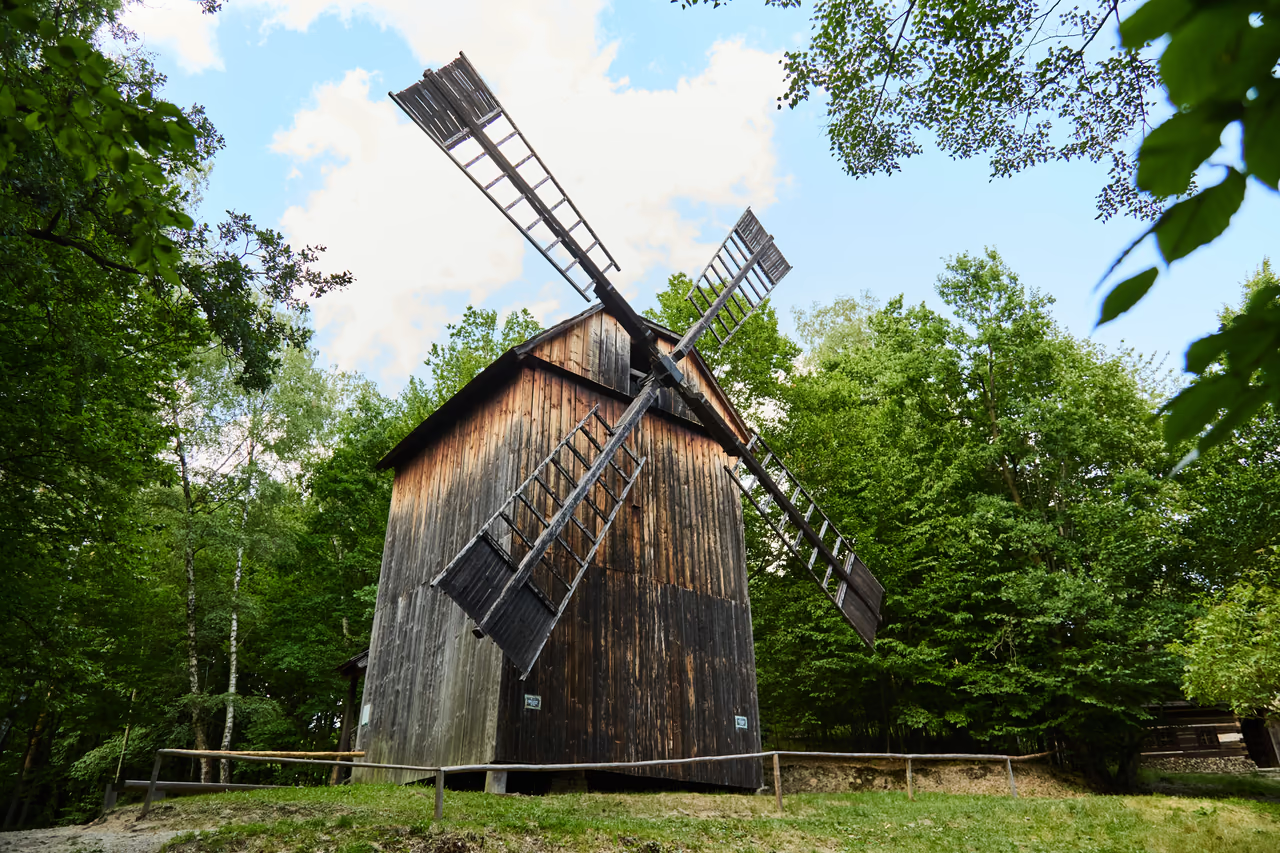
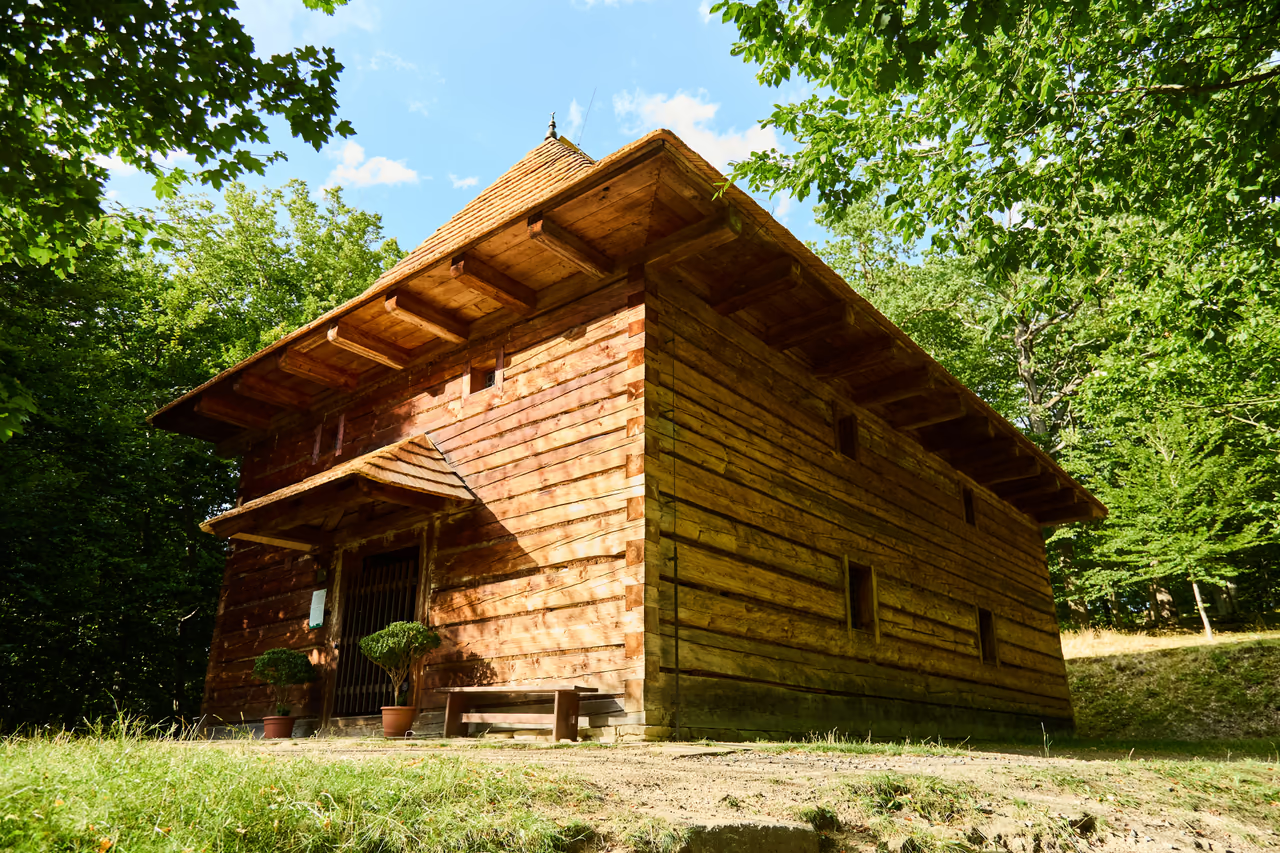
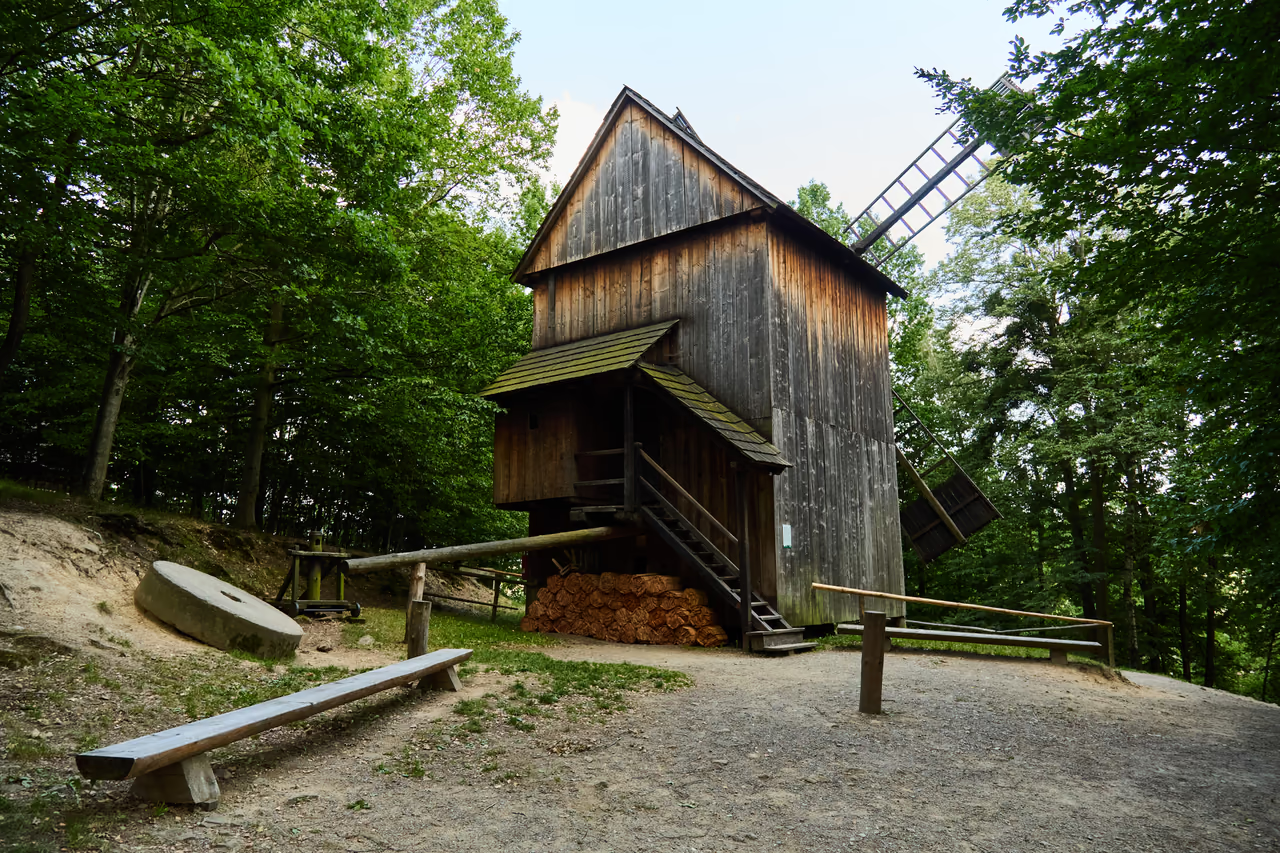
A view of the farmstead from Nový Hrozenkov, of the windmill from Kladníky and of the Protestant Toleration church.
Why it was added
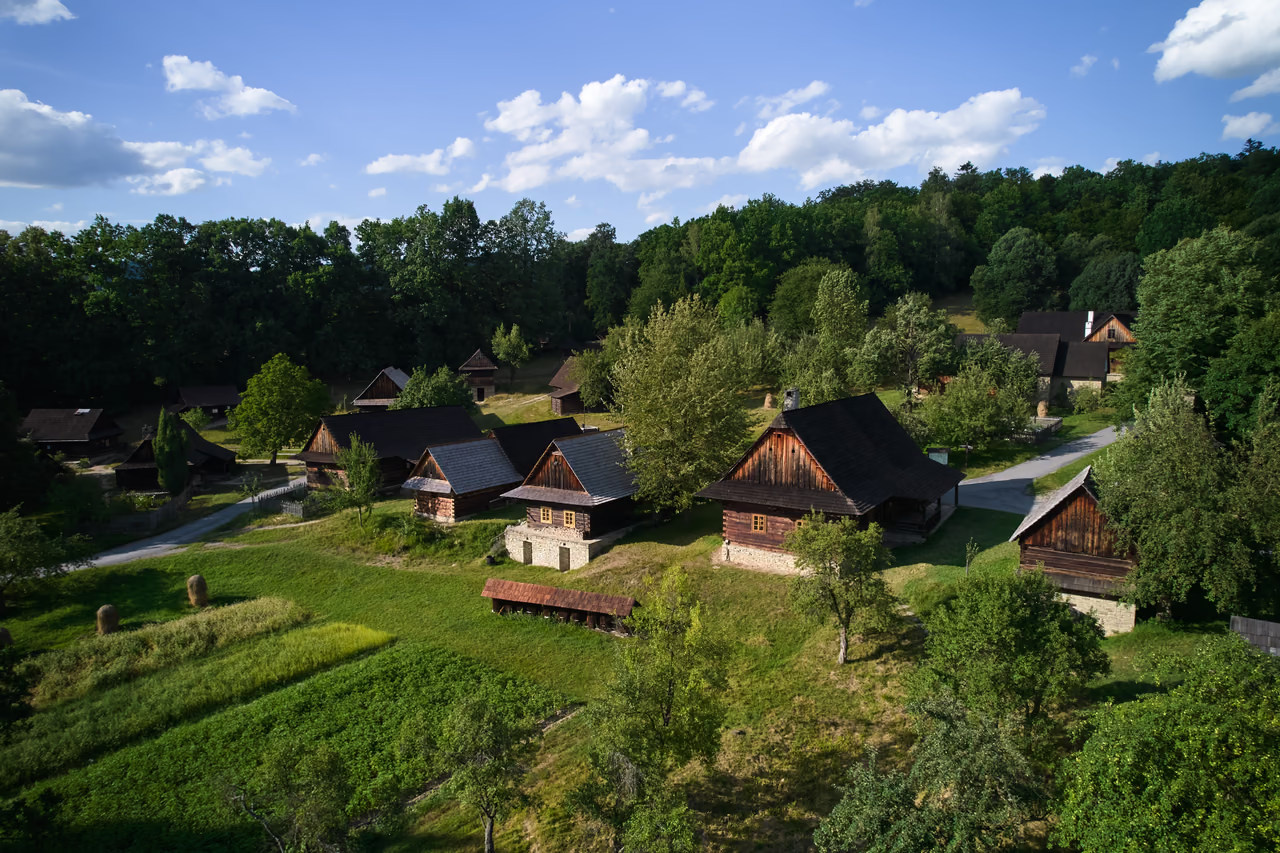
The founders themselves knew that the town part of the museum said too little about life in Wallachia. Wallachia was above all a region of scattered farmsteads in hilly country.
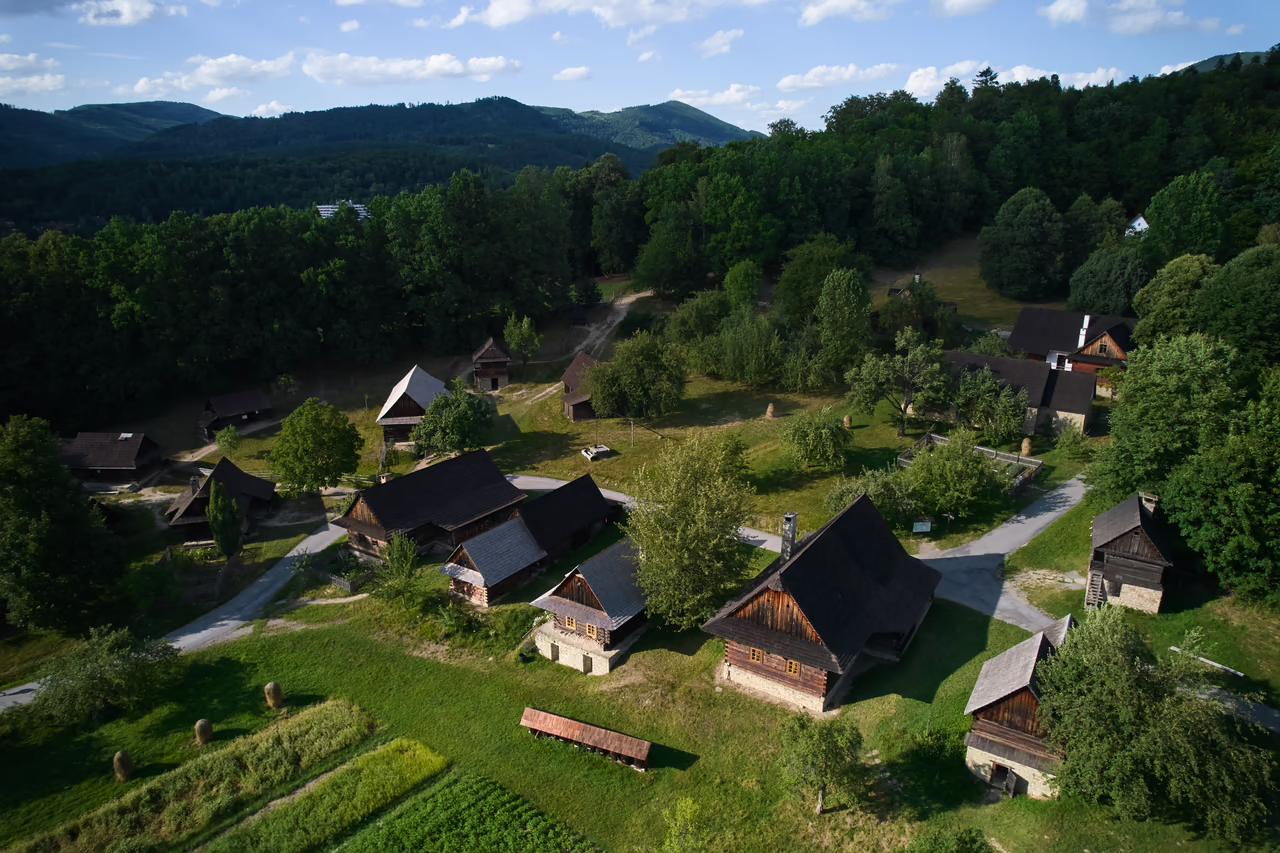
In the early 1950s the museum chose a sloping Rožnov paseka called Stráň, a short way from the Little Wooden Town, for a new village site. The first log cottages and farm buildings went up on it ten years later. The village therefore stands in the terrain that suits it.
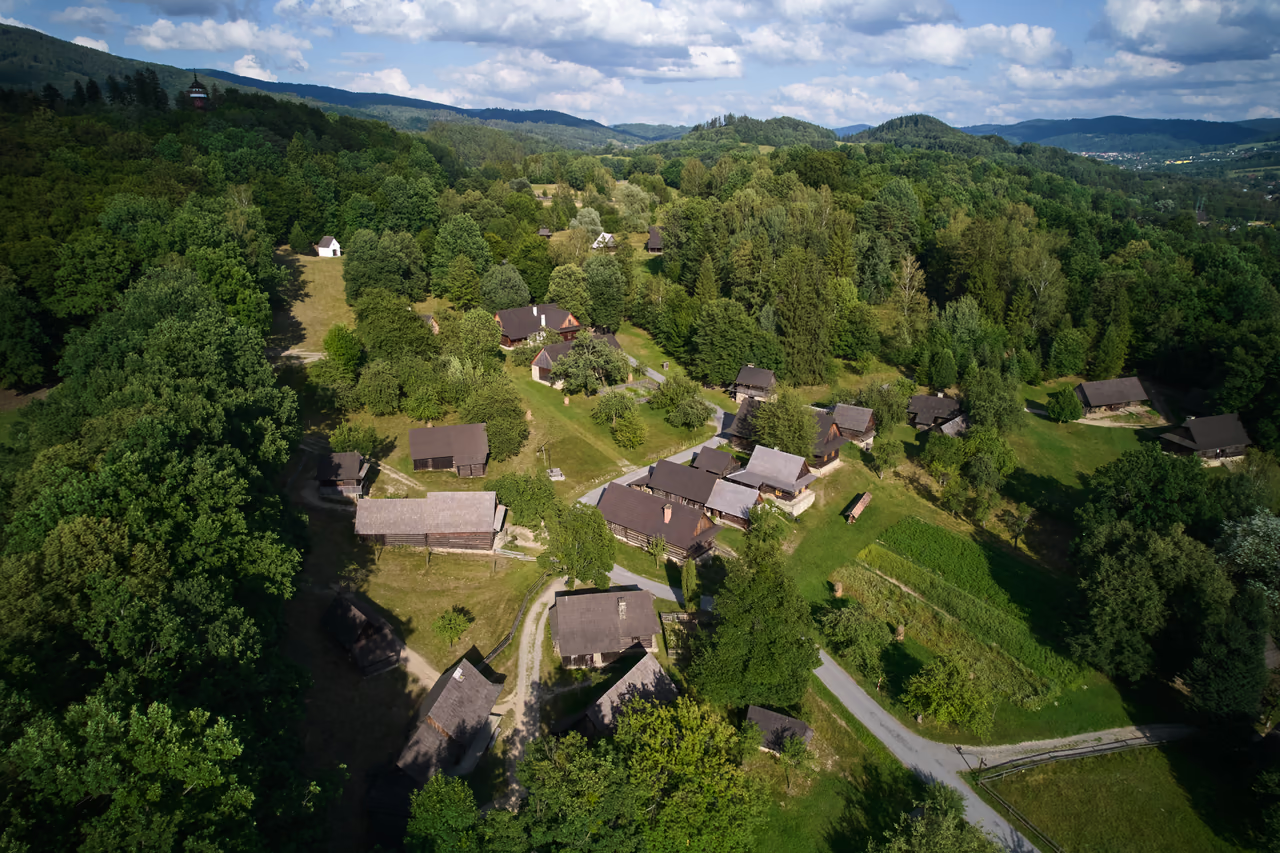
The Wallachian Village (Valašská dědina) is now the museum's largest site. Its broken, uneven layout recalls the real villages spread along the slopes of the Beskids as they still looked at the start of the 20th century. Above the site, on Karlův kopec, stands the Jurkovič lookout tower.
since 1983 • the technical site

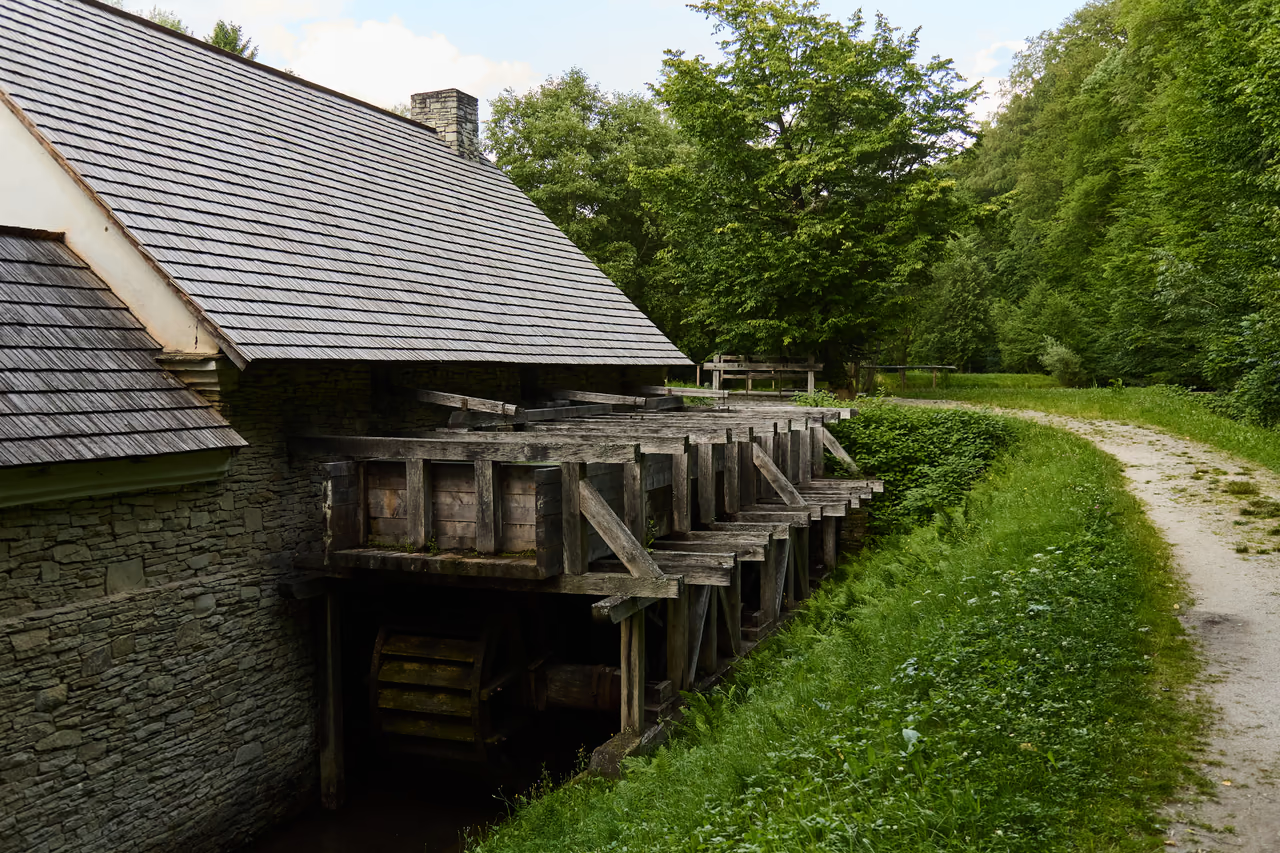
Machinery that still runs
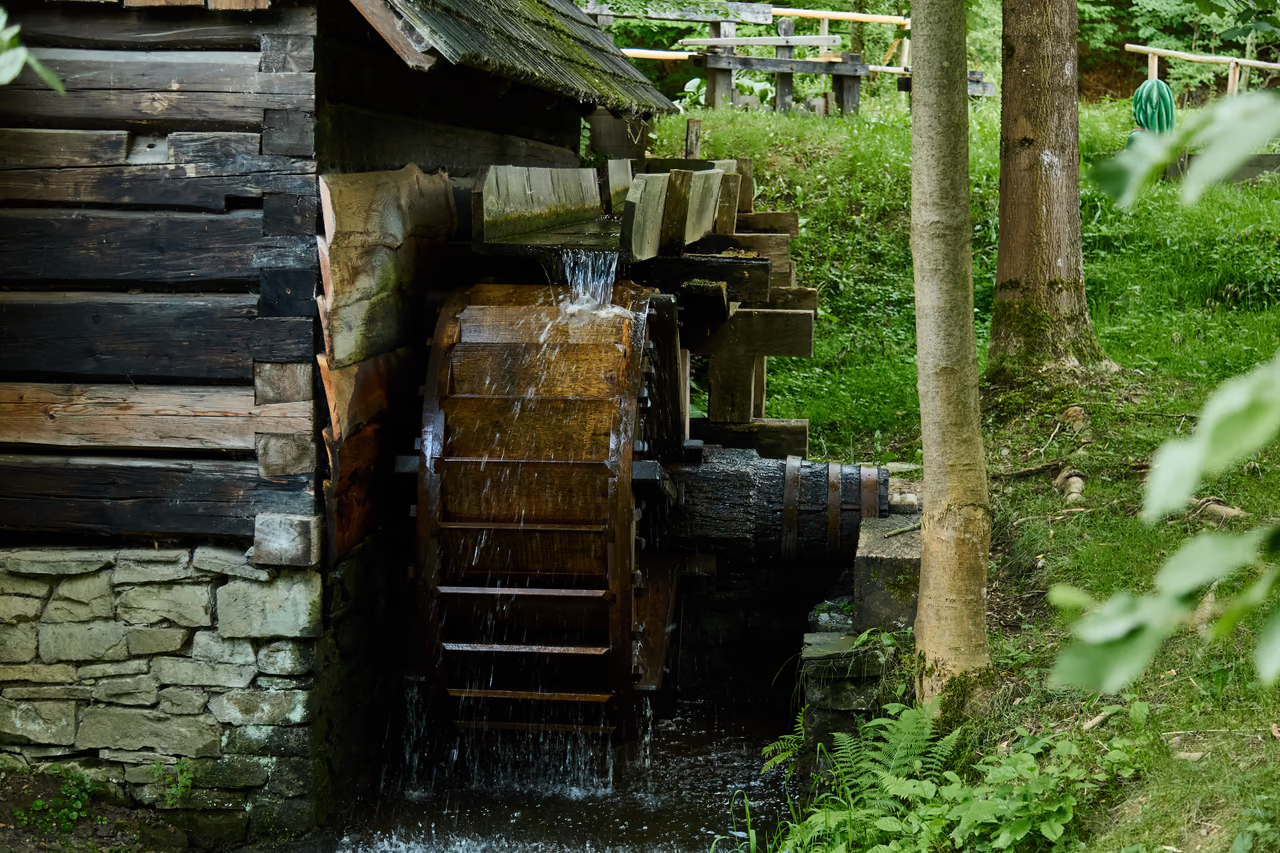
The third, technical site grew step by step: technical buildings had been moving into the valley since the 1970s, and in 1983 the Water Mill Valley (Mlýnská dolina) opened to visitors. Its machinery still runs today, driven by water from the millrace.
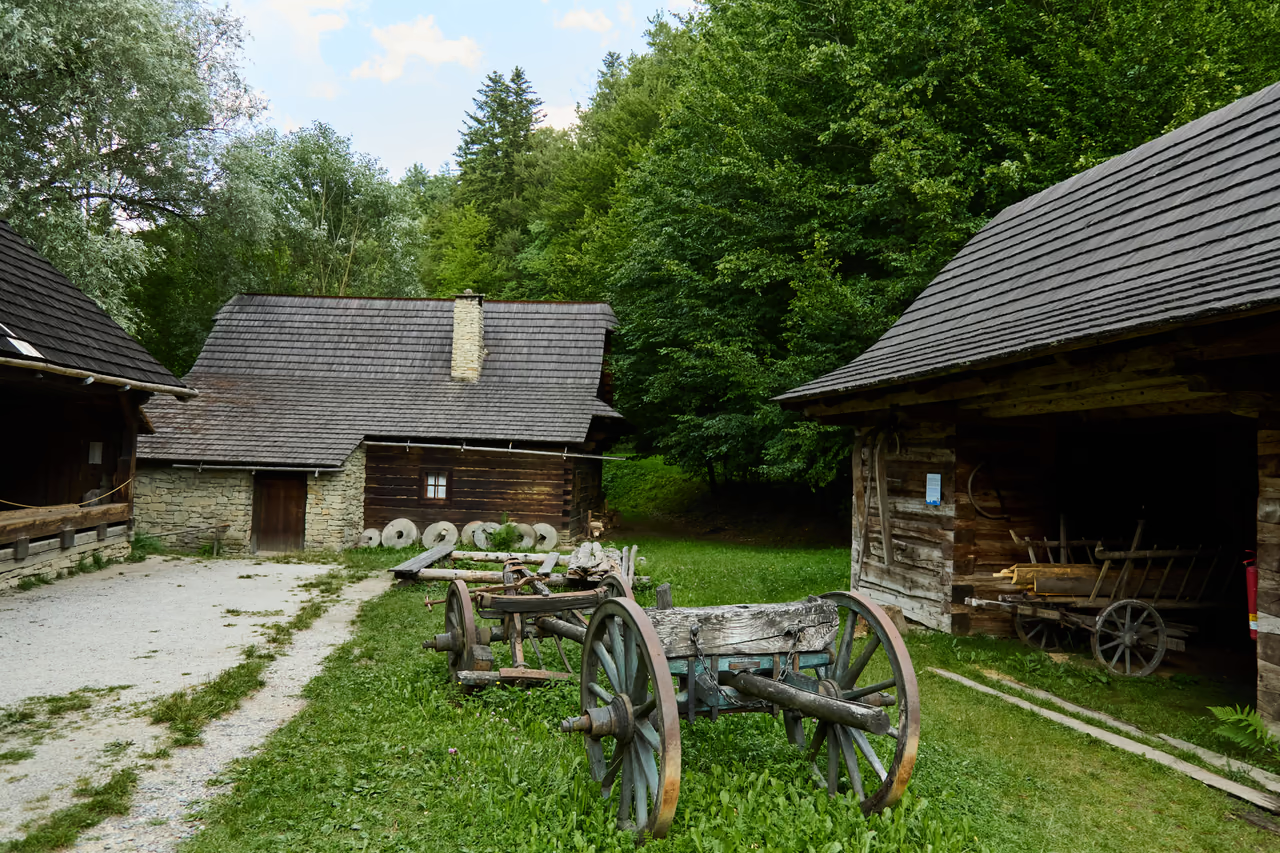
Most of the buildings are copies and reconstructions: the fulling mill, the mill and the sawmill come from Velké Karlovice, and the trip-hammer forge is a reconstruction of one from Ostravice. The oil mill from Brumov, by contrast, is an 18th-century original and the only building that manages without water power. The tour begins in the cart shed from Ostravice, among old wagons and farm machinery.
In 2008 and 2009 the site gained further buildings – a dwelling house from Trojanovice, a smithy from Horní Lideč and a barn from Velké Karlovice.
A hundred years in which a backdrop for a folk festival became the largest open-air museum in Czechia.
before 1914
The Jaroněk brothers put forward a plan to move several log buildings into the town park. Nothing comes of it.
1925
Two log houses from the square in Rožnov are moved onto a clearing in the spa park. After the festival they stay standing, and Valašské muzeum v přírodě is founded.
1939–1941
A free copy of the single-nave church from Větřkovice near Příbor goes up in the Little Wooden Town.
1960s
The ground around the church serves as a display of historic gravestones and cast-iron crosses; the stone slabs of fojts and Wallachian portáši draw the eye.
1969
The display becomes a place of remembrance for figures who did much for Moravian Wallachia.
1950s
The museum decides to add a village to the town – Wallachia was above all a region of slopes and clearings.
1960s
The first cottages and farm buildings of the Wallachian Village go up on the Rožnov paseka Stráň.
1970s
Technical buildings appear one by one by the old millrace – a fulling mill, a mill, a sawmill, an oil mill and a trip-hammer forge.
1983
The technical site opens to the public; its machinery is driven by water and the tour is guided only.
1995
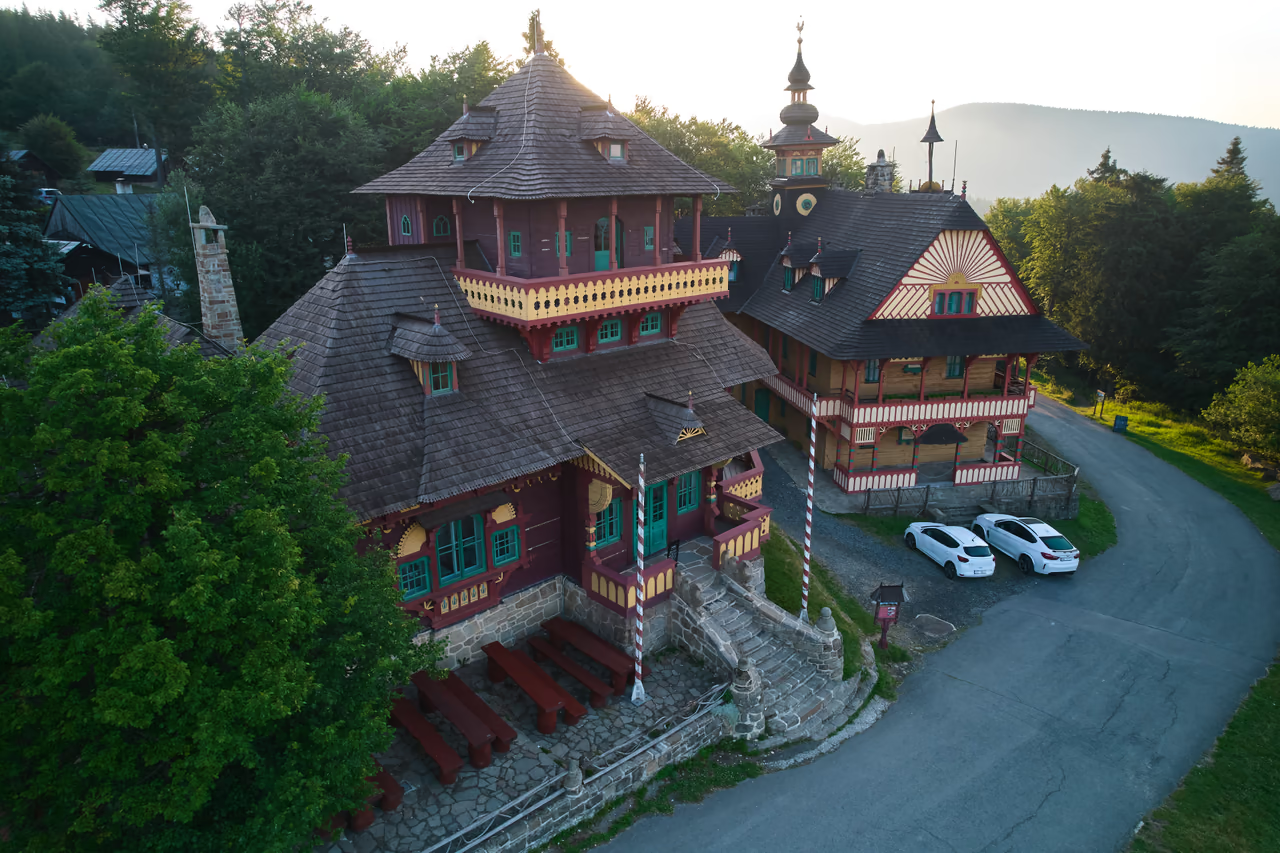
The museum takes over Maměnka, Libušín and the bell tower at Pustevny – Jurkovič's buildings are a national cultural monument.
Go to the Pustevny page2008–2009
A dwelling house from Trojanovice, a smithy from Horní Lideč and a barn from Velké Karlovice are added.
today
Three sites in Rožnov with over a hundred heritage buildings – originals moved in from the field alongside copies and reconstructions.
Three in Rožnov: the Little Wooden Town (since 1925), the Wallachian Village (since the 1960s) and the Water Mill Valley (since 1983). The fourth site is Pustevny, 20 kilometres away – there the museum owns the Maměnka and Libušín lodges and a bell tower, not the whole saddle.
Yes, each of the three Rožnov sites has its own ticket; there is also a combined ticket for all three at once. Current prices and opening times are on the museum's website.
It is the burial ground around the Church of Saint Anne in the middle of the Little Wooden Town, where figures of Wallachia have been laid to rest since 1969. It lies directly on the site's tour route and has no separate admission. The full story and who lies there are on the Valašský Slavín page.
The Little Wooden Town alone takes about 50 minutes to walk through. For all three sites allow half a day – the Wallachian Village is large and goes uphill.
The Little Wooden Town is laid out on the flat along paved lanes with benches, and the site and the ground floors of selected buildings are wheelchair accessible. The Wallachian Village is hilly.
Otázka 1 z 3
 Rysík→
A few quizzes and I get glasses, and I will feel properly educated.
Your rank: Homebody. You do not have a single stamp yet. Visit any place and become a Pilgrim.
You can experience the Beskids and Moravian Wallachia with Rysík and without him. Rysík would love to be there for it. Whether you take him along and take on the challenges with him is up to you.
You can find your favourite places in your account. On the Walking routes page you can use them to filter routes.
Suggest a more accurate wording.
Discover other places and themes linked to Valašské muzeum v přírodě.
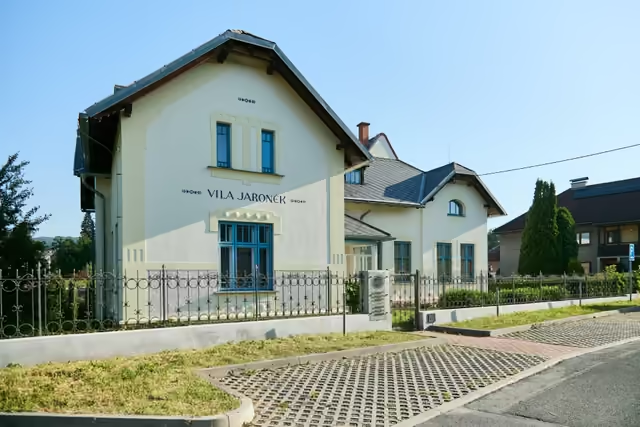
The founders' house
The Jaroněk siblings lived and worked here. Ten minutes' walk away.
Přejít na stránku →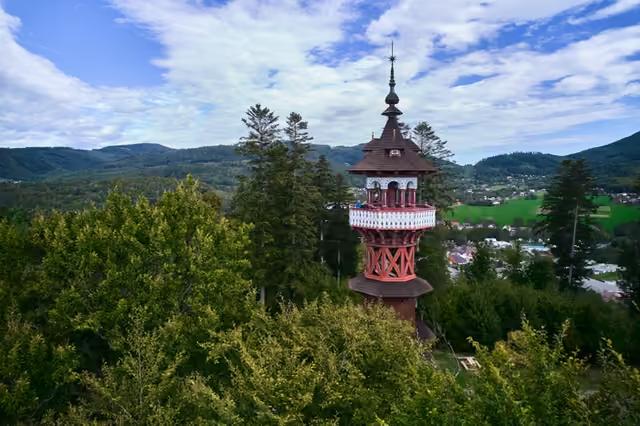
The viewpoint above the Wallachian Village
A wooden lookout tower on Karlův kopec to Jurkovič's designs – a short climb up from the village.
Přejít na stránku →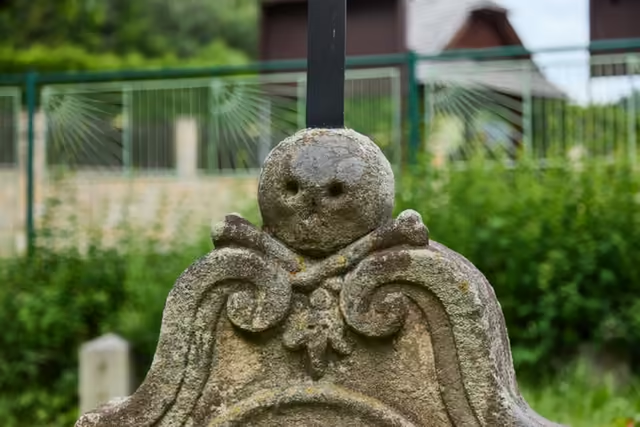
Graves of the Wallachian portáši
Two gravestones by the church in Valašská Bystřice – the last trace of the corps that guarded the region for almost two hundred years.
Přejít na stránku →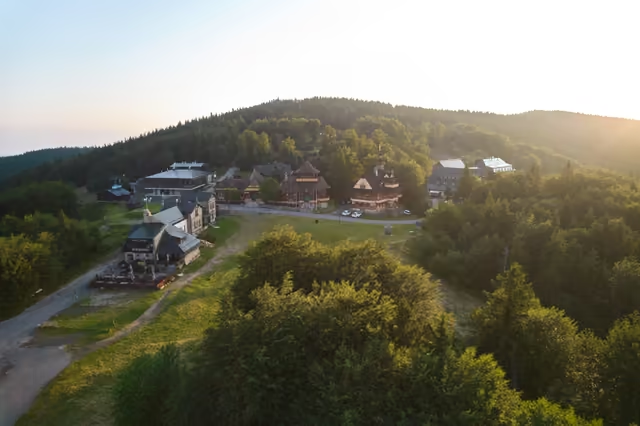
The museum's fourth site
Maměnka, Libušín and the bell tower on the ridge below Radhošť have belonged to the museum since 1995.
Přejít na stránku →