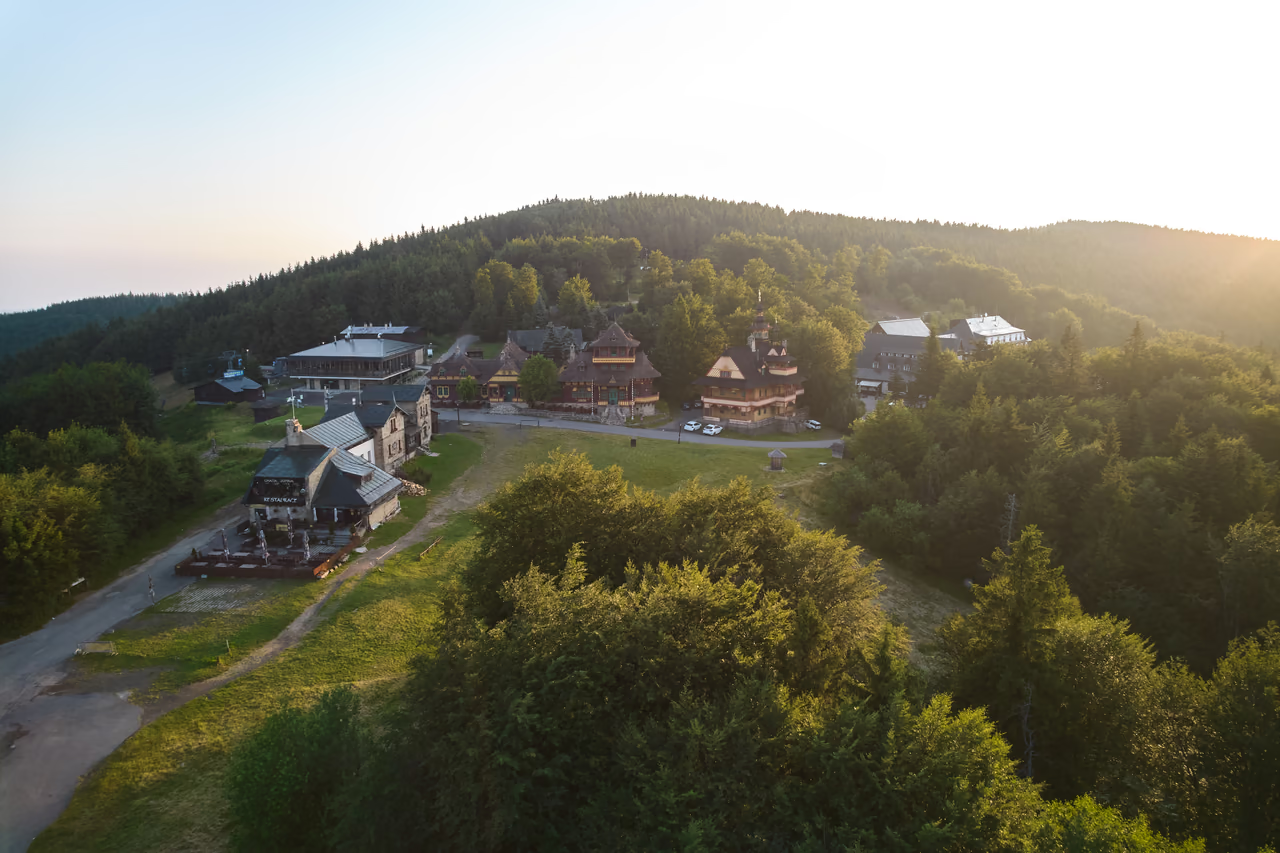
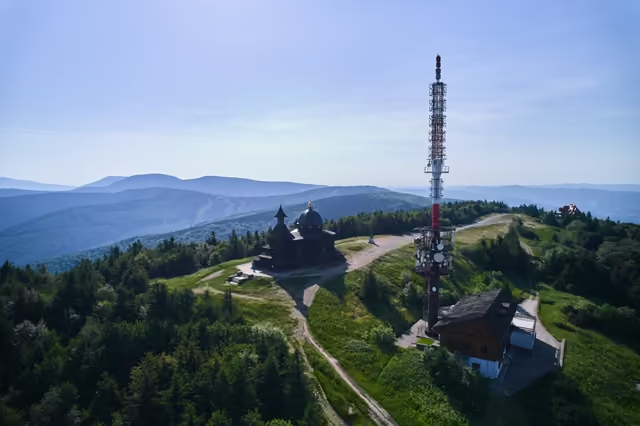
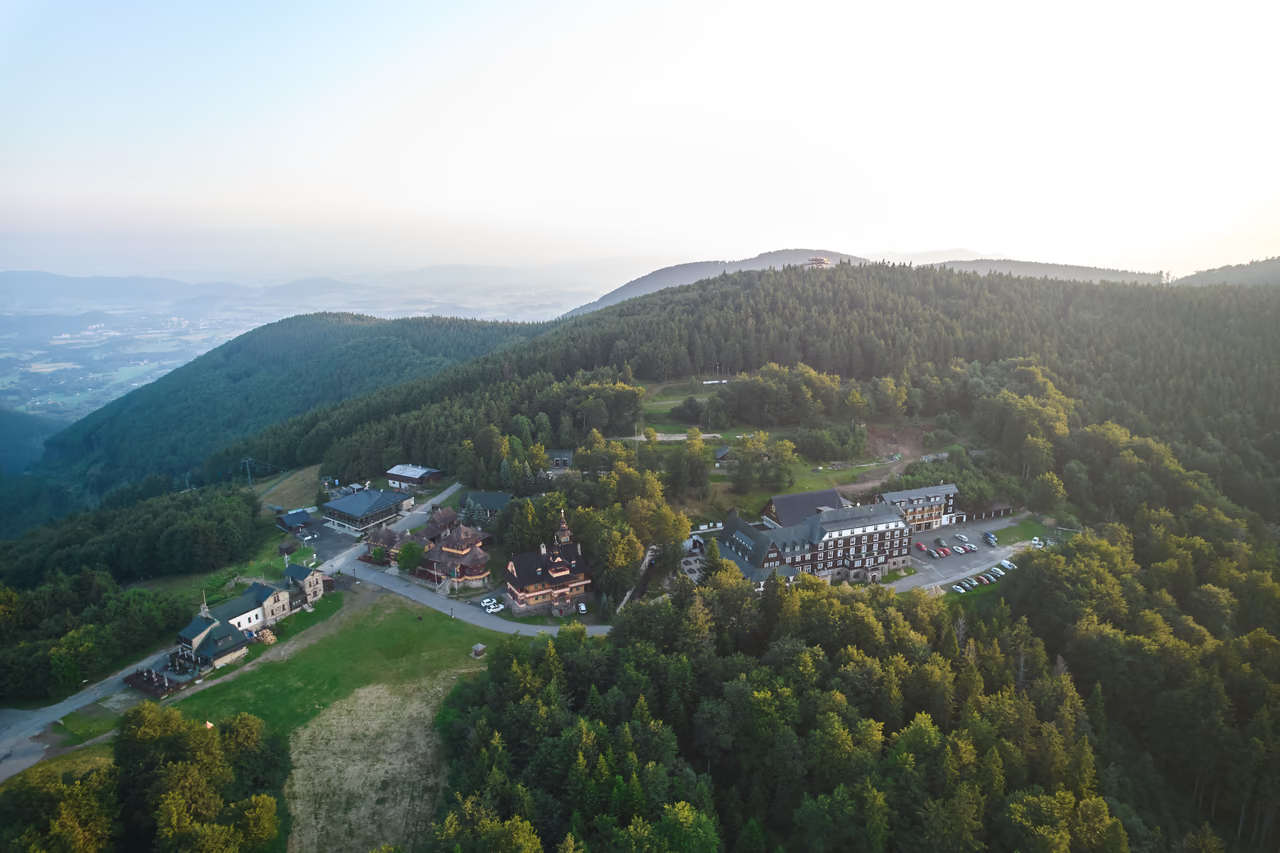
Aerial view of the Pustevny saddle: wooden buildings along the main path, a mountain hotel with a car park and a grassy ski slope, with forested ridges and the countryside below in the distance

Mountain saddle • the Beskids • 1,018 m a.s.l.

Pustevny

The saddle where a hermitage gave way to Jurkovič's mountain lodges.

Hermits, Art Nouveau and a chairlift

The saddle below Radhošť brings together a history of hermits, folk Art Nouveau and the legacy of Europe's first chairlift. The mountain lodges Libušín and Maměnka by Dušan Jurkovič are a national cultural monument.

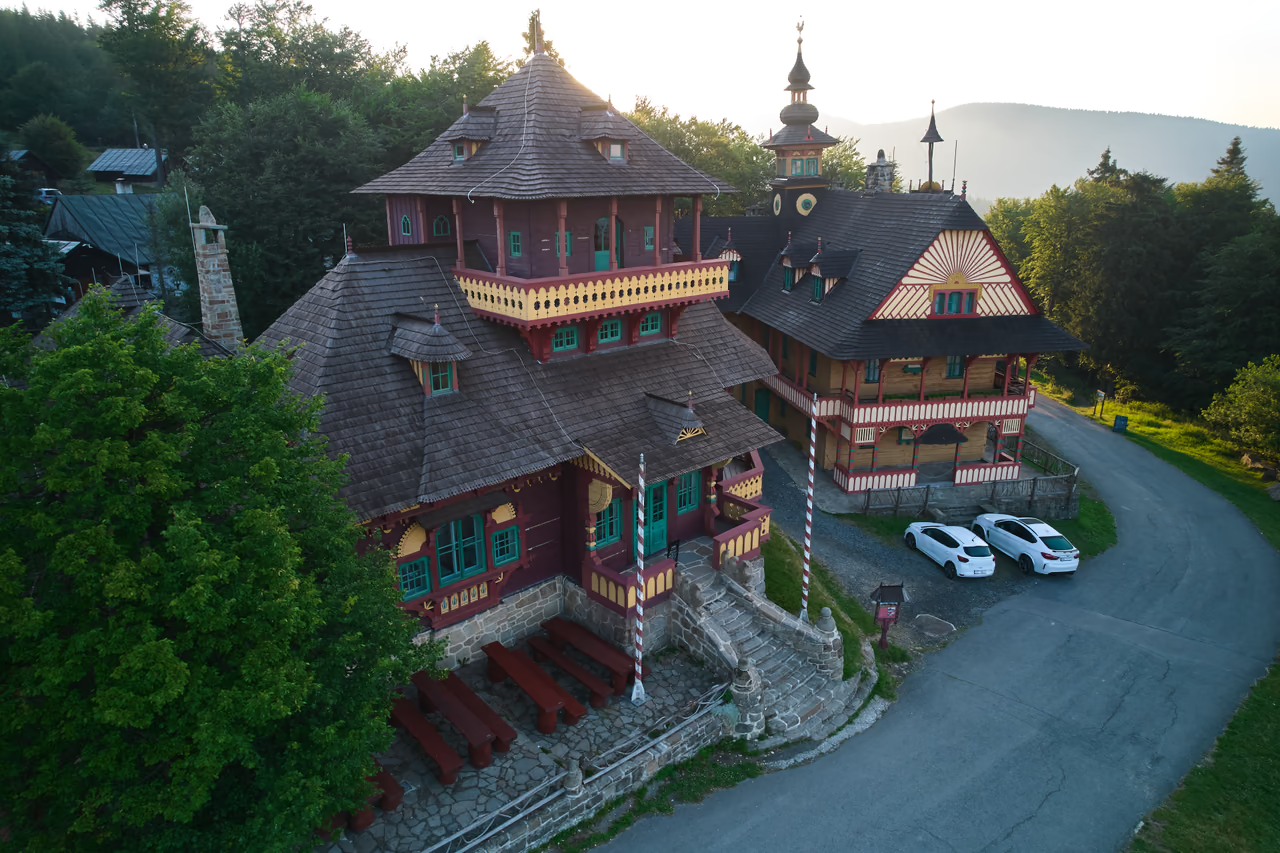
Evening aerial view of the Pustevny saddle – buildings line the main path, with Jurkovič's lodges in the middle
The buildings in the saddle line the main path; Jurkovič's lodges Libušín and Maměnka stand in the middle.

Why come here

Distinctive architecture and a starting point

Libušín and Maměnka stand in the saddle – Dušan Jurkovič's Art Nouveau lodges, restored to their original form. The ridge walk leads from here to the Radegast statue and on to Radhošť. Pustevny is a junction of hiking, cycling and cross-country skiing routes.

When to go

All year – but expect crowds

At weekends and in the school holidays, the car park by Brána Pusteven is often full before noon; the chairlift from Ráztoka is a comfortable alternative. In winter, ice sculptures are on show in the saddle; in summer, sand ones take their place.

The saddle up close

Take a look around the saddle

Pustevny360°

The story of Pustevny

A hermitage gave the saddle its name. Its buildings have shaped its character for over a century.

Hermits

A hermitage gave the saddle its name

A wooden cross stood on Radhošť's summit at the time. From 1735, pilgrimages to it took place four times a year. Hermits looked after the pilgrims on their way up, and in the mid-18th century they built a hermitage here. Their dwelling gave the place its name: Pustevny means “hermitages”.

The last hermit is said to have been Felix, who died in his refuge perhaps in 1784. The hermitage vanished; the name stayed.

Pohorská jednota Radhošť

Shelters for the first tourists

Tourists discovered the saddle in the late 19th century. The Frenštát association Pohorská jednota Radhošť set out to open up remote corners of the Beskids: it waymarked paths and built mountain hostels.

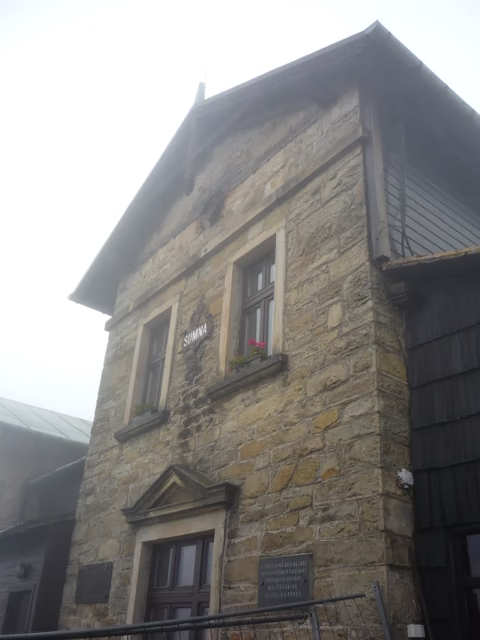
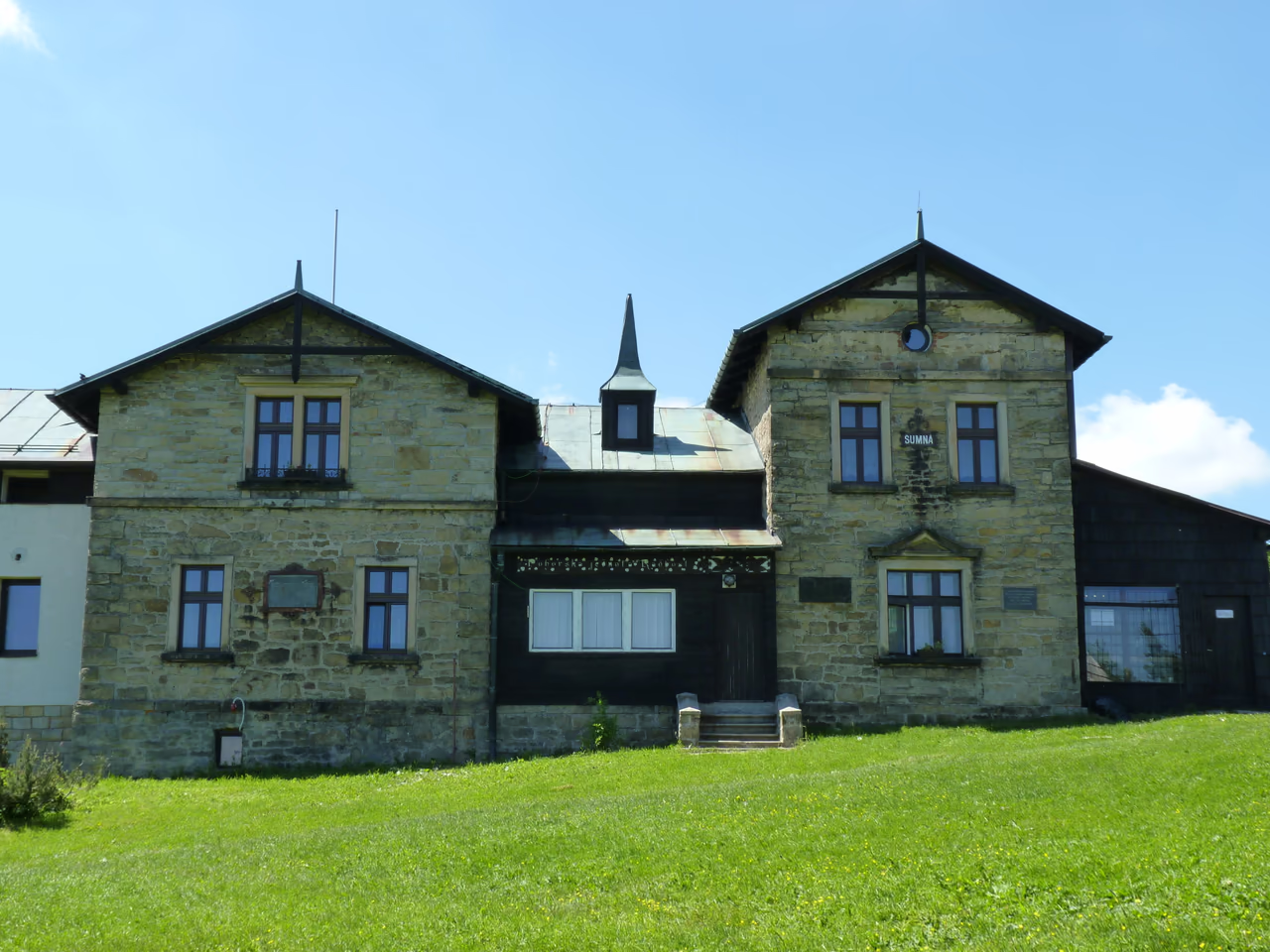
The first shelter, Pústevňa, went up here in 1891, and the stone Šumná three years later. Šumná was designed by the Italian architect Bertini and built by Italian workers who also built the railway from Valašské Meziříčí to Ostrava. Šumná is probably the oldest tourist chalet still standing in the Beskids.

So that the Beskids would have a mountain lake of their own, in 1894 the association dug the small lake Mořské oko below the saddle. Interest grew faster than capacity, and the association decided to keep building.

The stone Šumná shelter at Pustevny – a façade with two gables and a turret on a sunny day
The Šumná shelter (1894) as it looks today.Foto: Michal Klajban, Wikimedia Commons, CC BY-SA 3.0, výřez

Dušan Jurkovič

Libušín, Maměnka and folk Art Nouveau

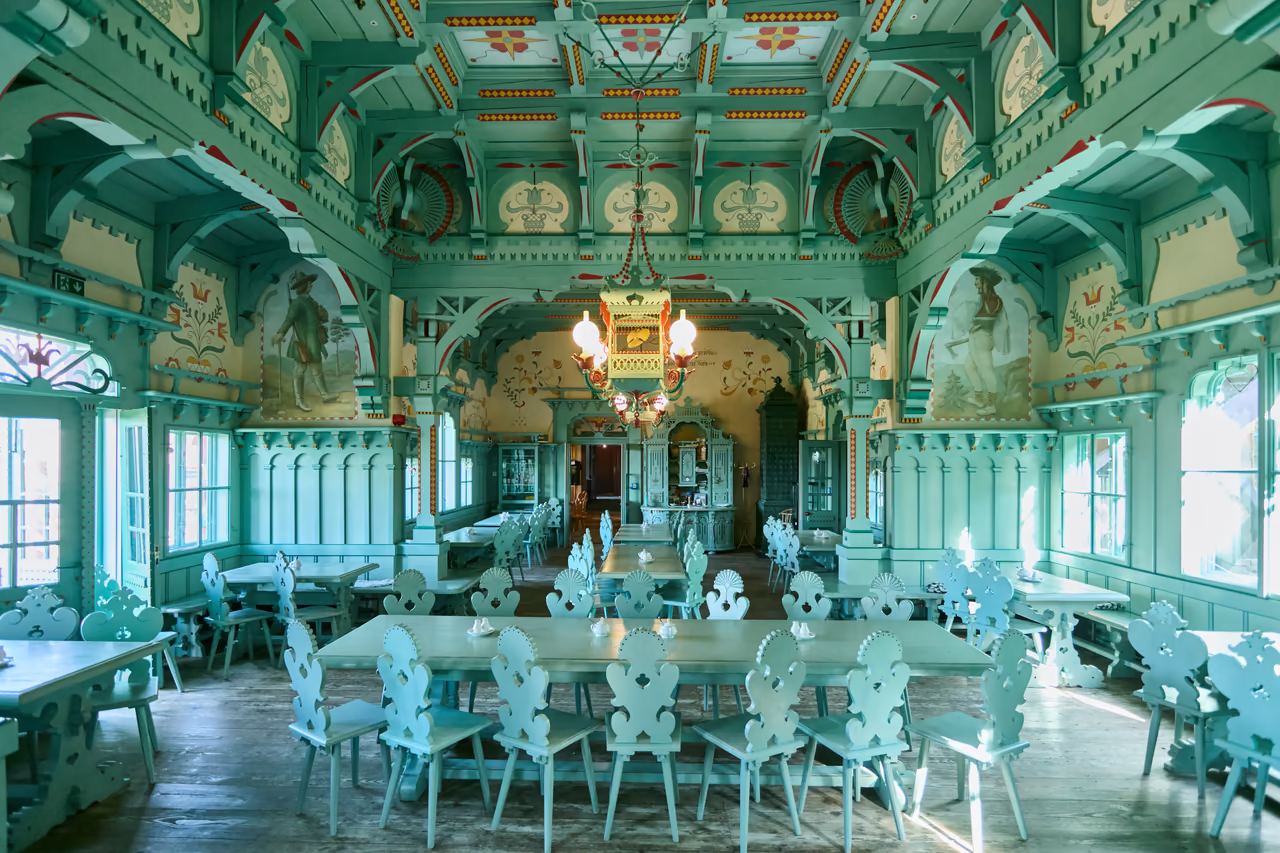
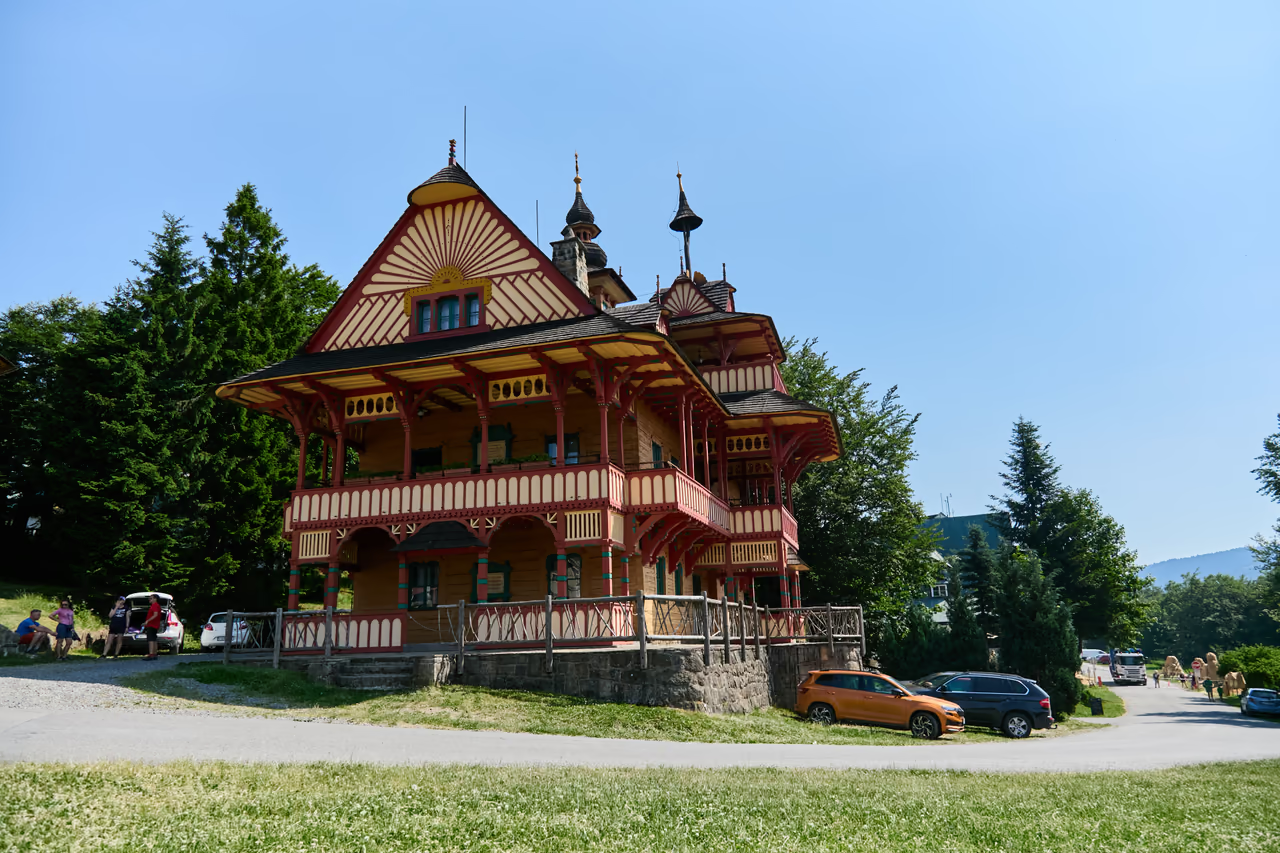
The new lodges were designed by the Slovak architect Dušan Samo Jurkovič in the folk Art Nouveau style; the interiors of Libušín drew on drawings by Mikoláš Aleš. Libušín and Maměnka opened to visitors in 1899.

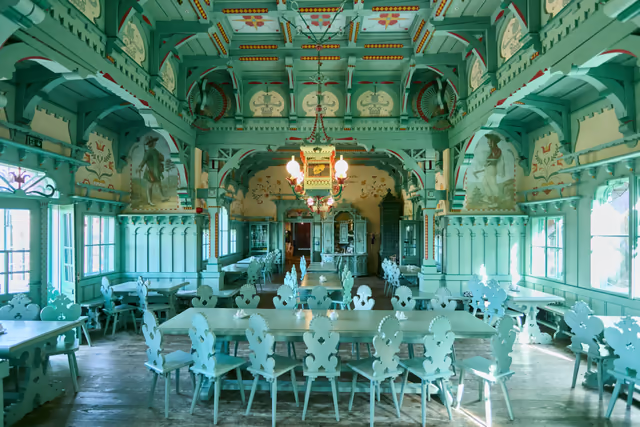
Libušín with its painted dining hall was gutted by fire in 2014 and reopened after a scientific reconstruction; the Maměnka lodge survived the threat of demolition and accommodates guests again today.

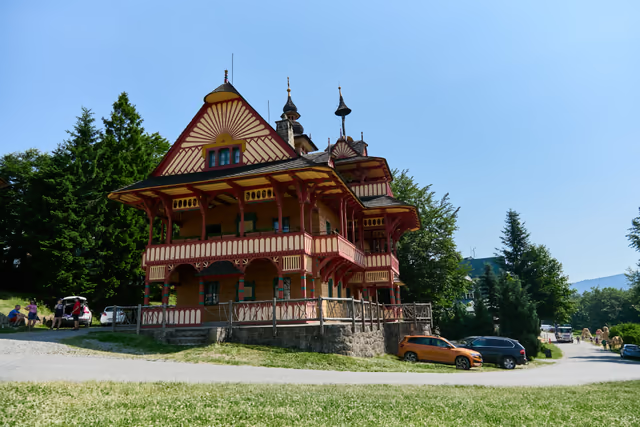
Libušín and Maměnka from above – carved gables, turrets and the shingle roofs of the two lodges side by side
On the left, Parma's extension to Libušín (1924); on the right, Maměnka.

The Jurkovič bell tower

The smallest building in Jurkovič's complex

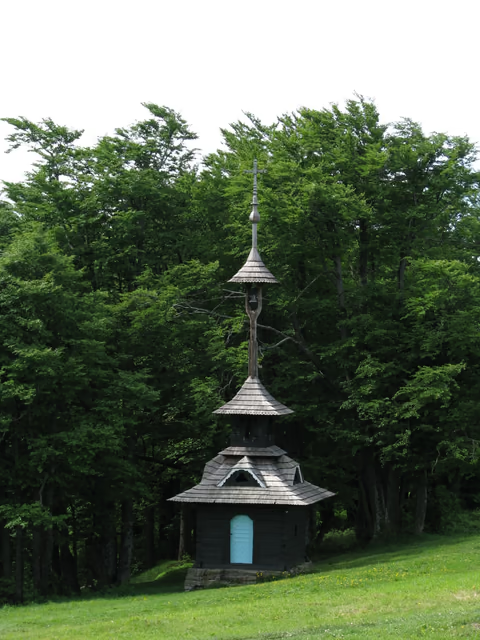
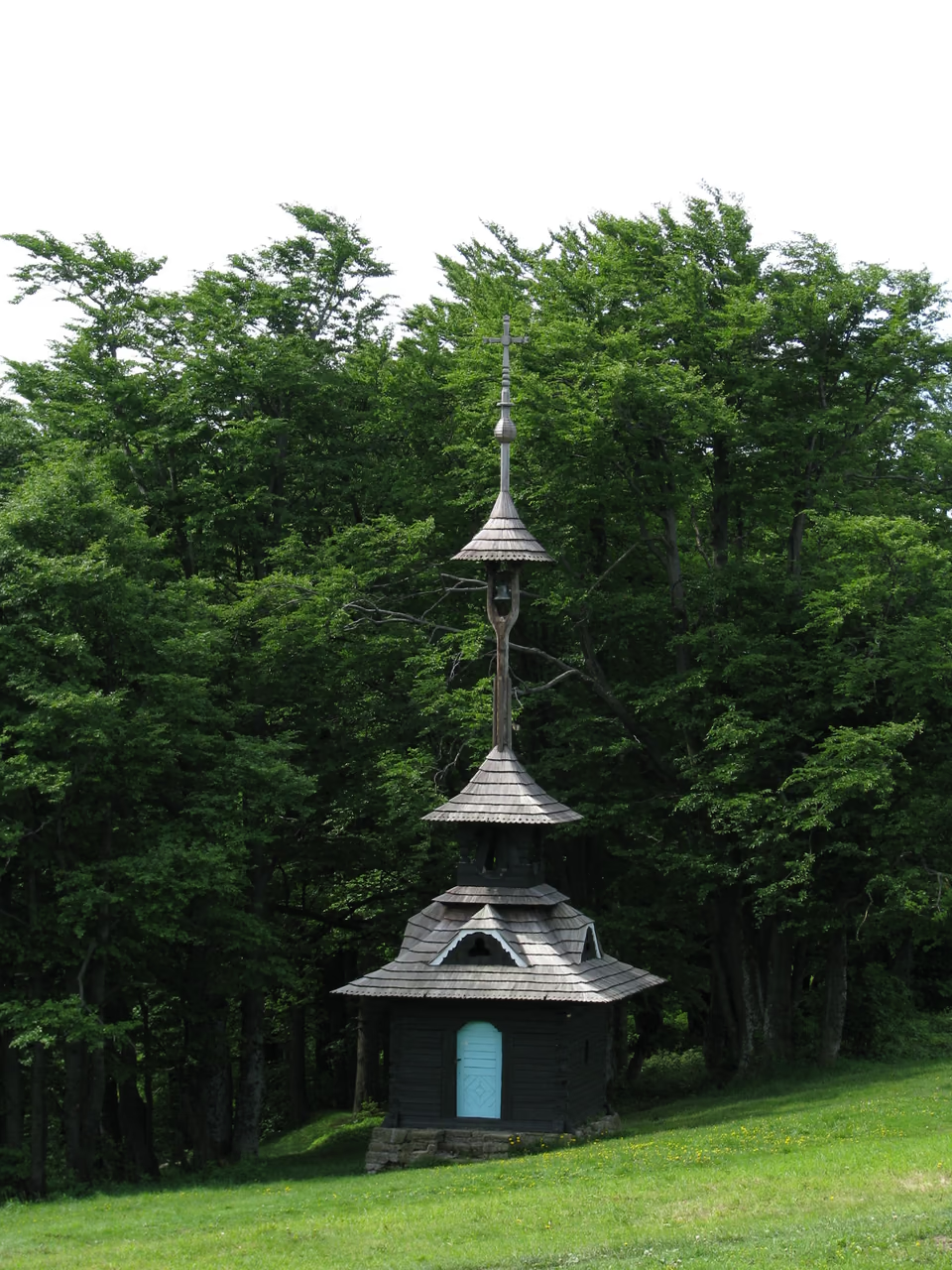
A small log-built bell tower with a shingle roof and a slender turret completes the group of lodges – the third building Dušan Samo Jurkovič left in the saddle. It bears his distinctive folk Art Nouveau style, just like Libušín and Maměnka.

The bell tower's original painted decoration has not survived. It was restored in 1997 by the conservators František Procházka and Ivan Popov, following Jurkovič's plans held in a Bratislava archive. Together with the lodges, the bell tower is now in the care of Národní muzeum v přírodě.

Jurkovič's log-built bell tower on a meadow in front of the forest – shingle roofs, a slender turret and blue doors
Foto: Maxx, Wikimedia Commons, CC BY-SA 3.0

The chairlift from Ráztoka

Europe's first chairlift

The idea for a chairlift was brought back from travels in America by František Wiesner, an industrialist from Chrudim. Work went on in bitter frosts, yet it took only two months. The line from Trojanovice-Ráztoka to Pustevny opened on 4 March 1940.

The single-seat chairs made of oak boards had a ski basket on the side. The first line climbed 304 metres over a distance of 887 metres. A second chairlift replaced it in 1956 and ran until 1982. The current chairlift, the third, has operated since 1987. Its lower station was moved further down the valley, almost doubling the length of the line. The journey covers 1,637 metres in 11 minutes.

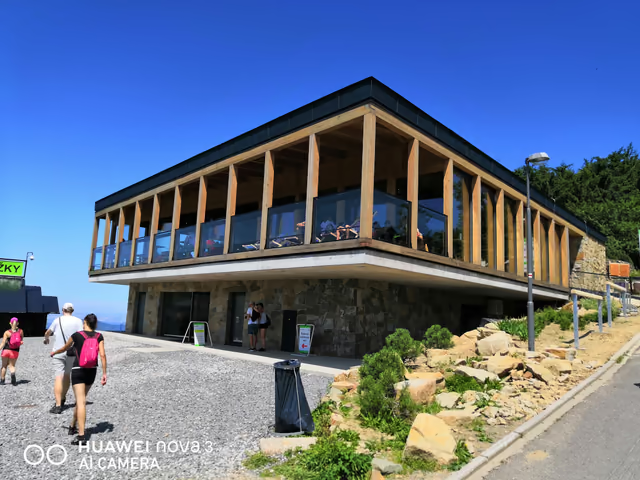
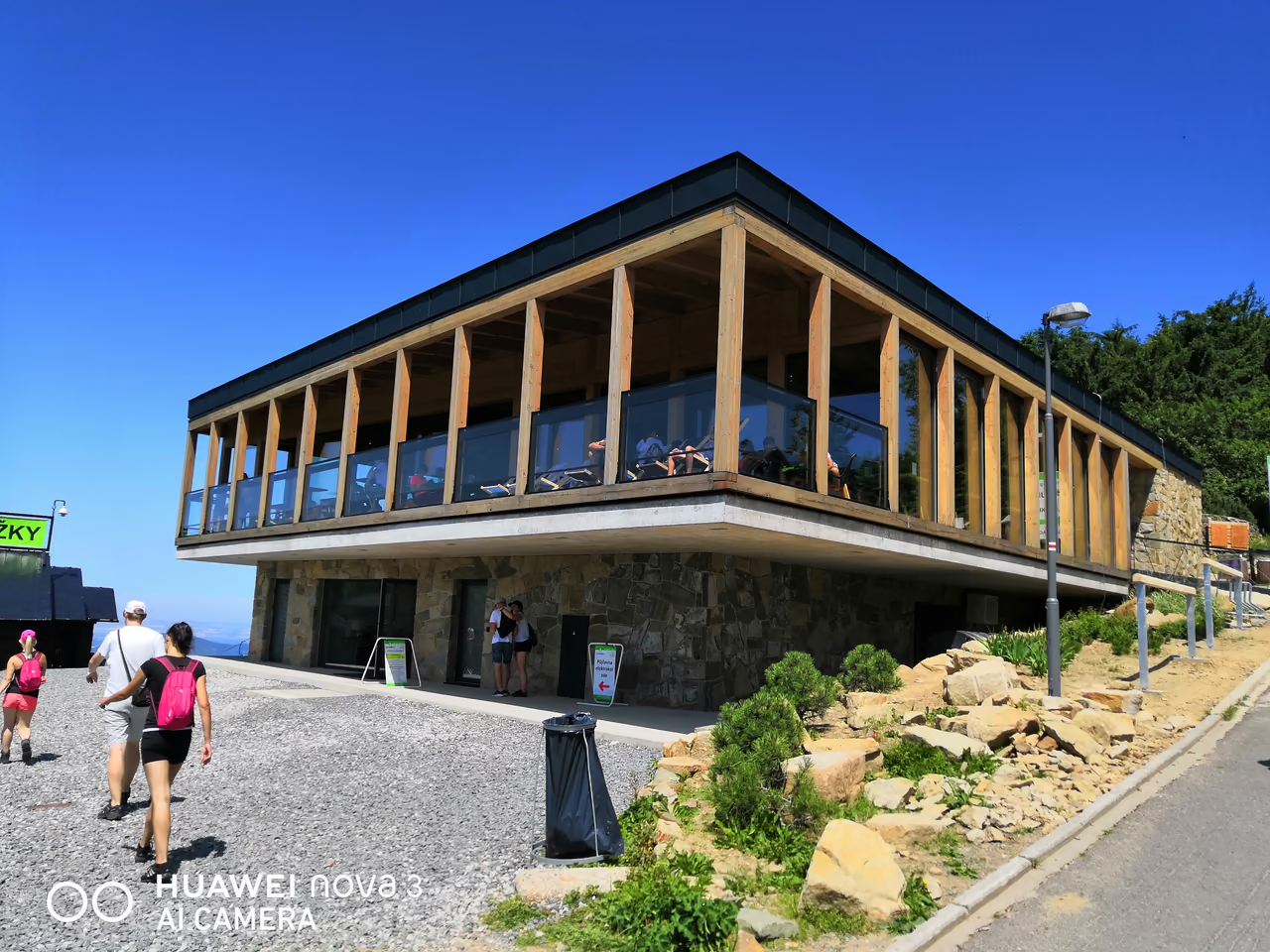
The upper station, with a restaurant glazed on three sides, was designed by the architects Kamil Mrva and Václav Kocián. It is built of stone, wood and glass. Officially classed as a reconstruction of the 1941 station, it was completed in 2017. The result won the main prize, the Grand Prix, in the Stavba Moravskoslezského kraje awards.

The upper chairlift station at Pustevny – the glazed restaurant floor with a wooden colonnade on a stone plinth
The chairlift through time: a chair from 1960, the upper station before rebuilding and today's building of stone, wood and glass.Foto: CypOstravsky, Wikimedia Commons, CC BY-SA 4.0, výřez
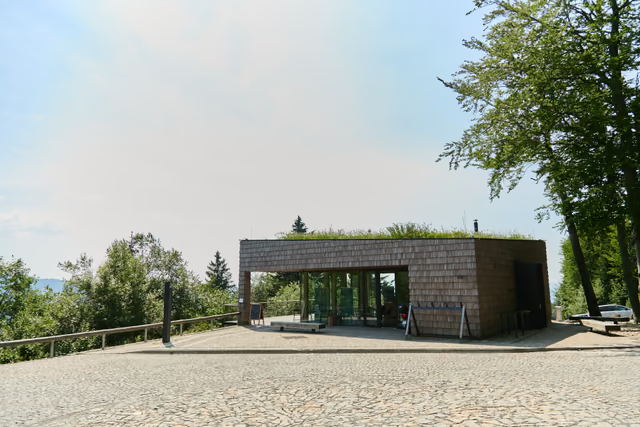
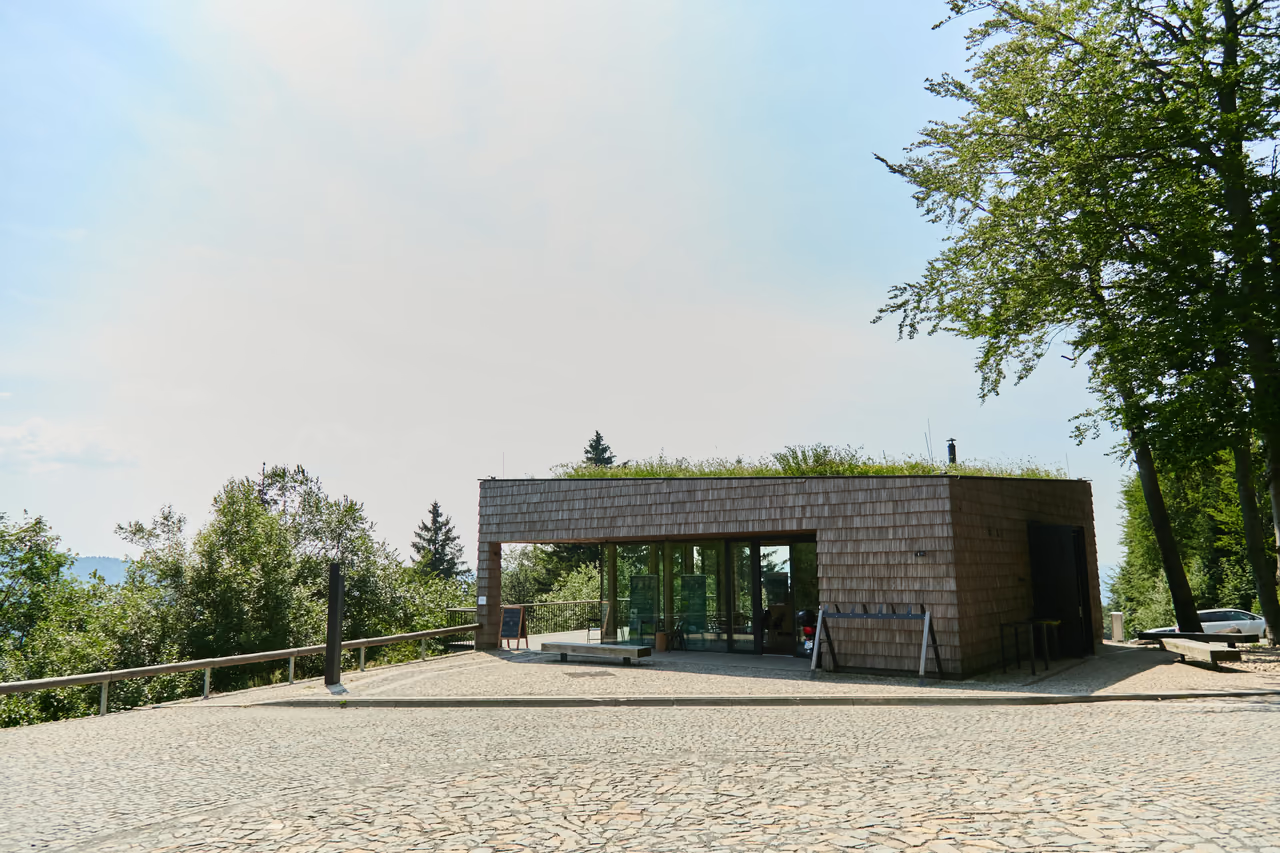
Brána Pusteven on the edge of the slope – a low shingled timber building with a meadow on its roof, by the paved bus turning circle

Brána Pusteven

A new threshold to the mountains by the car park

The newest building in the saddle is the entrance to the resort, opened in 2024. It consists of the main building by the car park and, across the road, a bell tower with a portal onto the forest path – together an imaginary gateway where Pustevny begins.

The building offers an information centre with a waiting room, public toilets and a covered terrace sheltering the bus stop.

Read the story of Brána Pusteven
Timeline

The saddle's story by period

From a hermitage to a new gateway by the car park.

  1. Hermits18th century

    1. mid-18th c.

      A hermitage in the saddle

      A hermitage appears on the pilgrimage route to the cross on Radhošť's summit – a chapel would follow only 150 years later. The hermits look after the pilgrims and give the saddle its name.

    2. 1784

      The last hermit

      The hermit Felix is said to die in the hermitage. The hermitage disappears, the name stays.

  2. The first tourists1891–1899

    1. 1891

      The Pústevňa shelter

      Pohorská jednota Radhošť builds the first tourist shelter – a hostel for the growing stream of visitors to the mountains.

    2. 1894

      Šumná

      A second shelter goes up beside Pústevňa. Interest in visiting grows faster than capacity.

    3. 1899

      Libušín and Maměnka

      The lodges designed by Dušan Samo Jurkovič in the folk Art Nouveau style open; the interiors of Libušín follow drawings by Mikoláš Aleš.

  3. The First Republic1926–1940

    1. 1926

      The Tanečnica hotel

      After the lull of the First World War, building in the saddle continues with a modern mountain hotel.

    2. 23 June 1928

      A president in the saddle

      During a visit to Pustevny, T. G. Masaryk stays overnight at the Tanečnica hotel with his daughter Alice.

    3. 1932

      The Radegast hotel

      Another mountain hotel is added on the ridge between Pustevny and Radhošť.

    4. 4 March 1940

      Europe's first chairlift

      A chairlift with single-seat oak chairs starts running from Ráztoka to Pustevny – built in freezing conditions in two months.

  4. Restoring the complex1995–2020

    1. 1995–2003

      The great restoration

      Jurkovič's lodges return to their original form and the complex is declared a national cultural monument. The Libušín restaurant opens in 1999, the Maměnka hotel in 2003.

      The story of Maměnka
    2. 1997

      The restored bell tower

      Jurkovič's bell tower gets new shingles, following the original plans held in a Bratislava archive.

    3. 2014

      The Libušín fire

      On the night of 2–3 March, much of Libušín burns down – including its artistically most valuable feature, the painted dining hall.

      The story of Libušín
    4. 2017

      A new upper chairlift station

      A building of stone, wood and glass to a design by the architect Kamil Mrva goes up where the demolished one stood.

    5. 2019

      Stezka Valaška

      An elevated walkway opens below Tanečnice: 660 metres of path and a lookout tower whose highest floor is 22 metres above the ground.

    6. 2020

      Libušín reopens

      After a scientific reconstruction to its 1925 form, Libušín returns to visitors on 30 July.

  5. A new gateway2024

    1. 11 January 2024

      Brána Pusteven

      A new entrance to the resort opens by the car park on the single access road.

      More
Where to go from Pustevny

Walks from the saddle

All the walks on one map

Each walk has its own colour on the map (the dots by the itinerary headings); dashed lines mark longer options – the descent to Rožnov with a bus back and the continuation to Kněhyňská louka.

West: to Radegast and Radhošť

13.1 km · ~4 h · blue

  1. 1

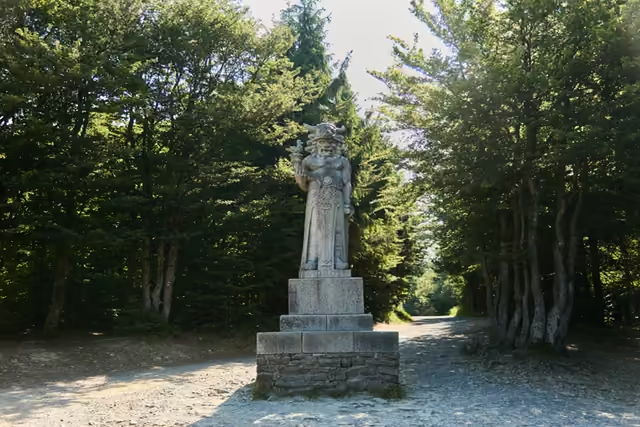
    Along the ridge to the Radegast statue~1.5 km

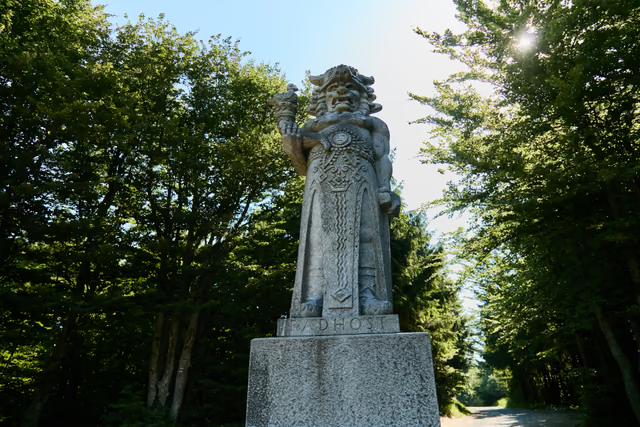
    Follow the ridge to the granite statue of the pagan god Radegast by Albín Polášek – the same sculptor who also made the statues by the chapel.

    The Radegast statue
  2. 2

    From Radegast to the chapel+2 km

    From the statue, continue along the ridge for about another two kilometres to Radhošť's summit itself. You have views over both sides of the Beskids for practically the whole way.

  3. Radhošť's summit and the chapeldestination

    Czechia's highest religious building – and beside it the statues of the missionaries, looking back across the ridge towards Radegast.

    Radhošť and the Chapel of Saints Cyril and Methodius
  4. ↓

    Onward: down to Rožnovlonger option · 13.1 km in total

    Don't want to go back the same way? From the chapel you can walk down the trail past the open-air museum Valašské muzeum v přírodě to Rožnov pod Radhoštěm. Check the return bus connection to Pustevny before setting off. The descent is dashed on the map.

Route detail

East: to Čertův stůl

4.6 km · ~2 h · red

  1. 1

    Mořské oko~0.5 km

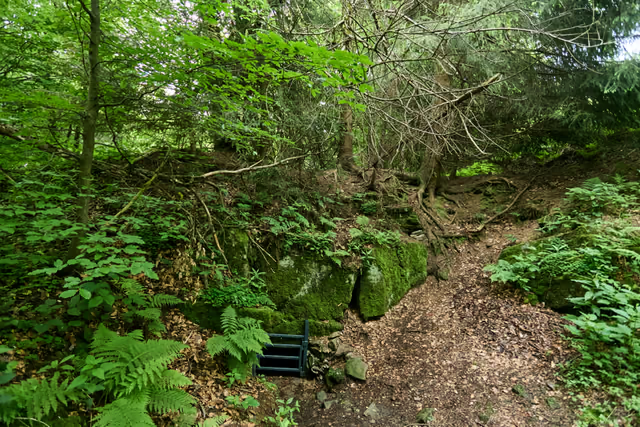
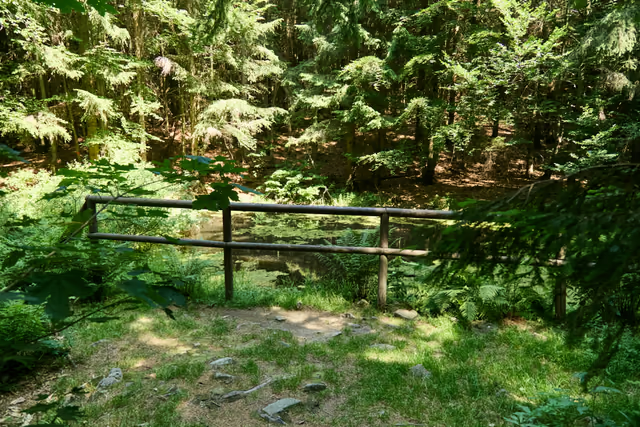
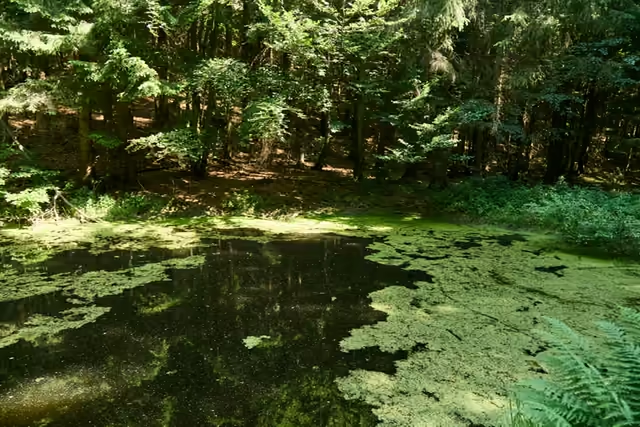
    Head east from the saddle, with Radhošť behind you. A short way from the junction by Libušín, the small lake Mořské oko lies hidden in the forest – a refuge for newts and other amphibians.

    Mořské oko
  2. 2

    The saddle below Tanečnice~1.5 km

    The walk to the junction with a rest area is easy. The red-marked trail then climbs more steeply for the last kilometre and a half or so along a stony forest path. Just below the junction are clearings kept open by grazing sheep for three hundred years.

    Pod Tanečnicí
  3. The summit of Čertův mlýndestination · ~3 km

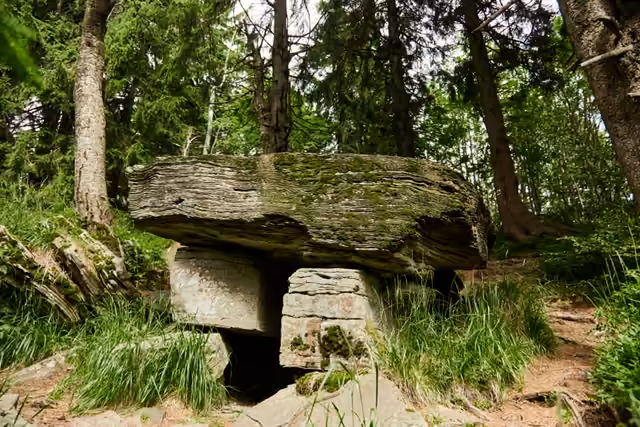
    The red-marked trail runs across the summit of the highest mountain in the Zlín Region (1,206 m), which is accessible on the marked trail. A short way below, at the end of a 100-metre fissure, lies Čertův stůl, a stone slab on two plinths. No marked trail leads to it, however, and visitors must stay on marked trails in the reserve, so you can view it in the 360° panorama. The remains of the Greiffka hunting lodge also stand beside the red-marked trail, about 497 m to the north.

    Čertův mlýn
  4. ↓

    Onward: Kněhyňská loukalonger option · ~0.5 km

    You can continue towards Kněhyně, the higher summit in the national nature reserve. Visitors must stay on marked trails; none leads to the summit of Kněhyně, which is closed. The longer option is shown with a dashed line on the map.

    Kněhyně
Route detail
Na závěr

Doplňující info a test znalostí

Rychlá rekapitulace

Where can I park at Pustevny?

The main car park is by Brána Pusteven at the end of the road from Prostřední Bečva. At weekends and in the school holidays it is often full before noon – the number of free spaces is shown on the municipal website. The alternative is the Ráztoka car park in Trojanovice and the chairlift.

How do I get to Pustevny without a car?

By chairlift from Trojanovice-Ráztoka (the ride up takes 11 minutes), or by regional bus – the turning circle is right by Brána Pusteven and the stop is called “Prostřední Bečva, Pustevny, konečná”. Direct services and the towns they start from change by day and season, so check your arrival and return in IDOS.

Why is the place called Pustevny?

The name means “hermitages”, after the hermits who lived in the saddle from the mid-18th century on the pilgrimage route to the cross on Radhošť's summit. The chapel did not stand there yet: it dates from 1898. The last hermit was called Felix; the hermitage vanished, the name stayed.

Can I walk from Pustevny up to Radhošť?

Yes, along an easy ridge walk: 1.5 km to the Radegast statue and on to the Chapel of Saints Cyril and Methodius on the summit. The path has no shelter, though – expect wind and bring an extra layer.

When are the ice sculptures at Pustevny?

In winter and for a few weeks only (in 2026 from mid-January to early February); in summer a sand sculpture exhibition takes their place. Each year has a different theme and location – check the dates on the resort website.

Can I see inside Libušín and Maměnka?

Libušín is a dining hall open to visitors, Maměnka serves as a hotel – you can get inside if you are staying there. Check the tours run by Národní muzeum v přírodě on the museum's website before you set out.

Závěrečný kvíz

Otázka 1 z 4

How long did it take to build Europe's first chairlift?

RysíkRysík→

There is a quiz a little further up. Shall we try it?

A few quizzes and I get glasses, and I will feel properly educated.

Try the quiz

Your rank: Homebody. You do not have a single stamp yet. Visit any place and become a Pilgrim.

You can experience the Beskids and Moravian Wallachia with Rysík and without him. Rysík would love to be there for it. Whether you take him along and take on the challenges with him is up to you.

Save Pustevny to your favourite places

You can find your favourite places in your account. On the Walking routes page you can use them to filter routes.

Something not right here?

Suggest a more accurate wording.