Why come here
To see how quickly the forest wins
The clearings below Tanečnice are a textbook case of a meadow growing over – what awaits every mountain meadow people stop grazing or mowing.
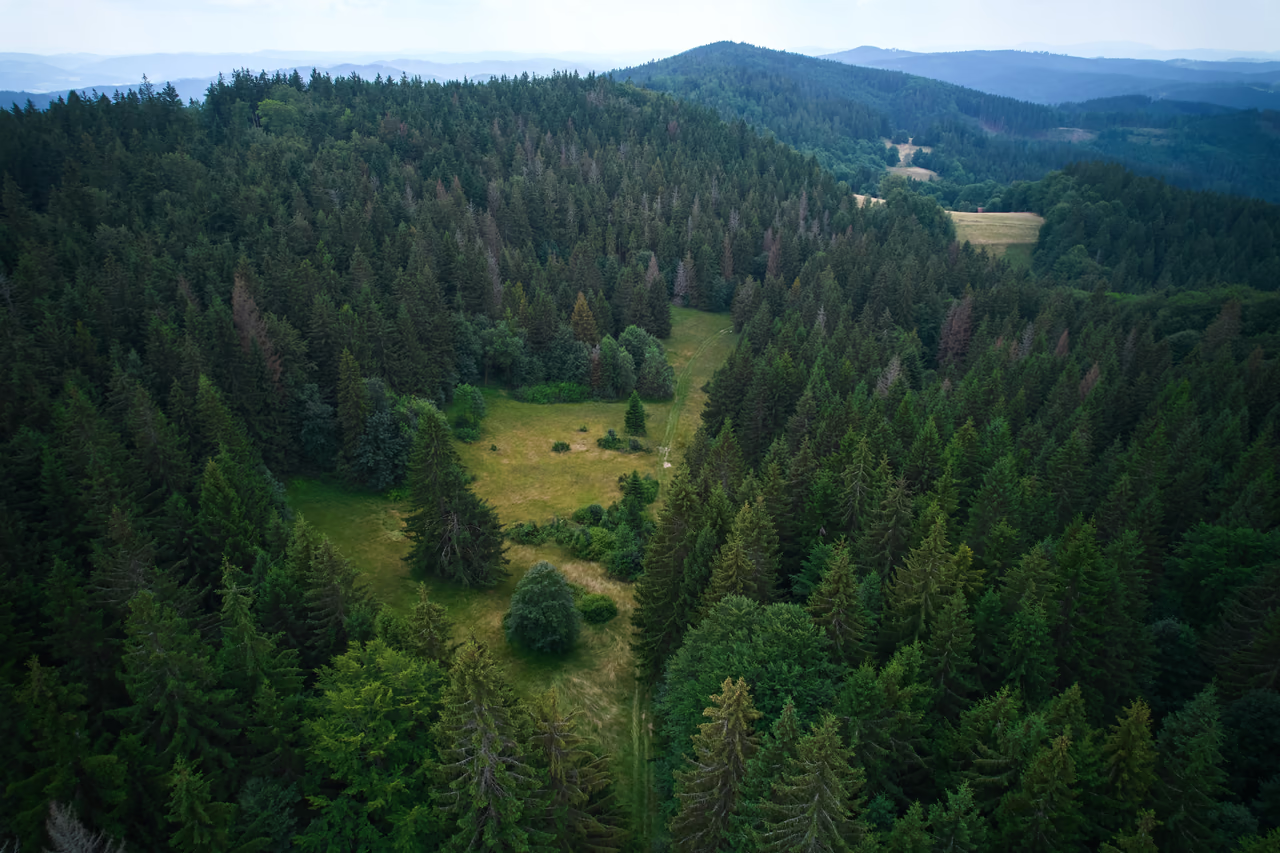
Remnants of mountain meadows • Valašská Bystřice • 858 m a.s.l.
For three hundred years valaška sheep kept this landscape open. Now spruce forest is closing it.
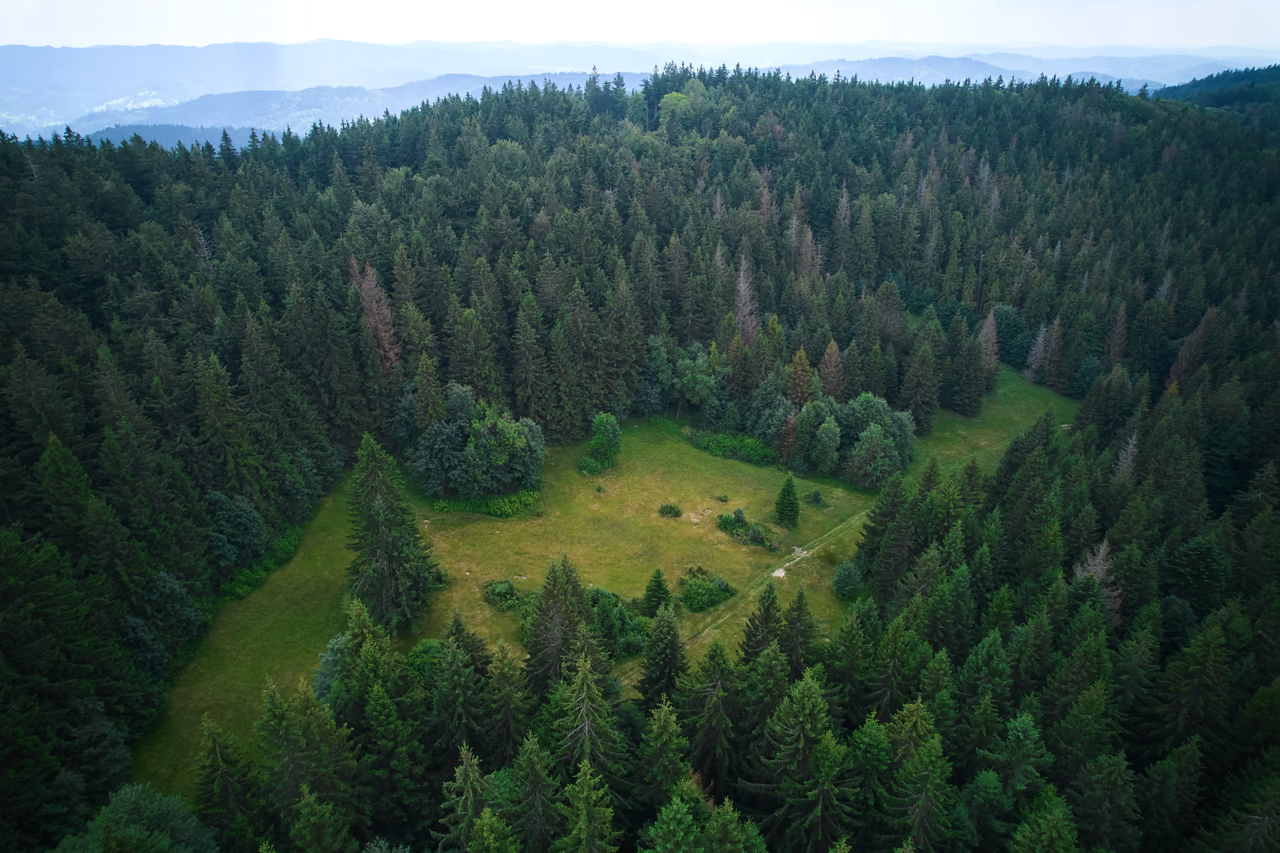
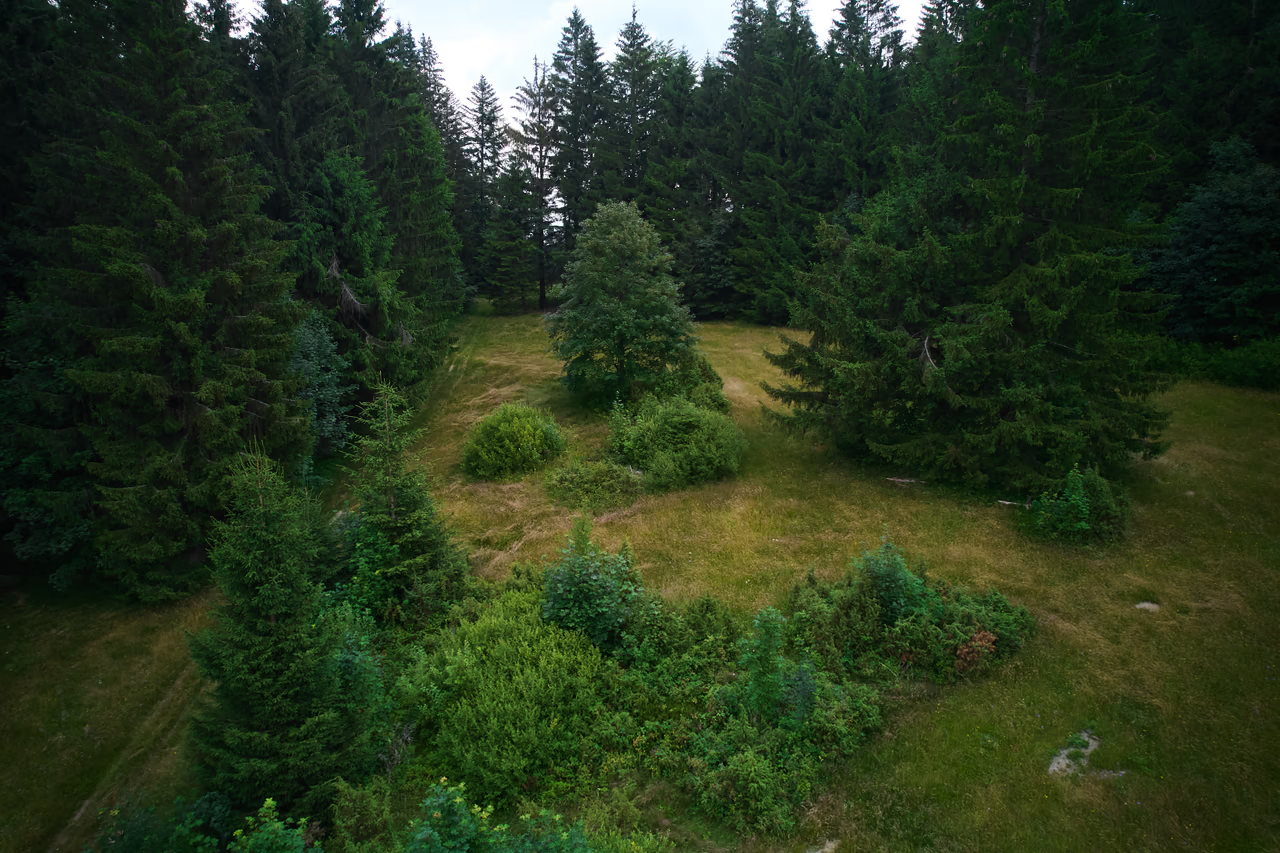
Below the summit of Tanečnice (912 m), the highest mountain of Valašská Bystřice, a few grassy clearings lie in dense spruce forest. Today they look like chance gaps between the trees – in fact they are the last remnants of far more extensive mountain pastures, kept open here for centuries by flocks of grazing sheep.
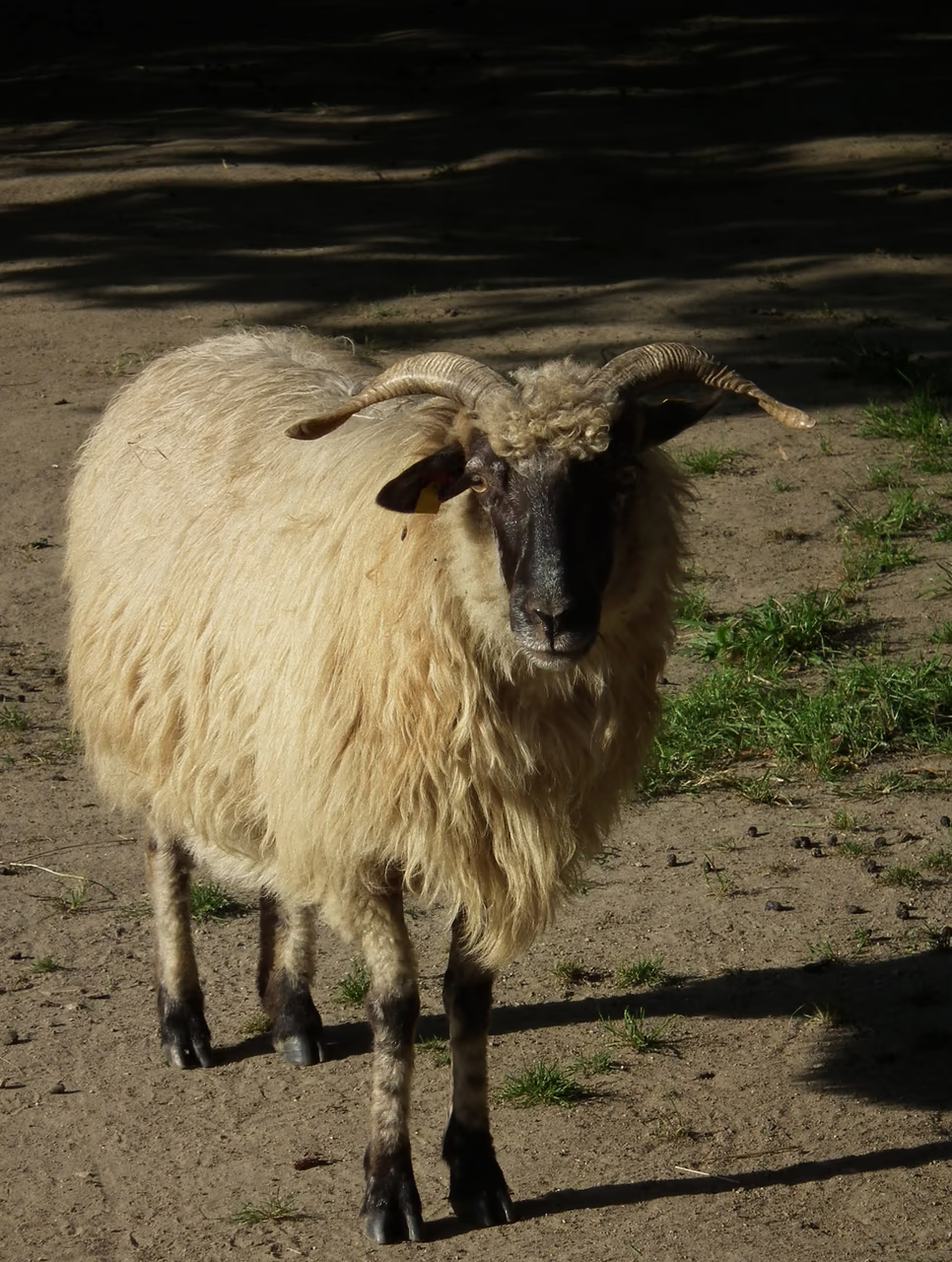
The way of farming those pastures was called salašnictví, and the sheep kept on them were valaškas – a breed that helped shape the landscape of the Beskids and Wallachia, and yet all but disappeared.
Why come here
The clearings below Tanečnice are a textbook case of a meadow growing over – what awaits every mountain meadow people stop grazing or mowing.
What not to miss
From the signpost it is only about 200 metres uphill to the summit. A small stone cairn waits there, with a summit book and a sign carrying the legend the mountain is named after.
When to come
The clearings are small and hidden deep in the forest today – what awaits you is an ordinary walk in the woods along the waymarks. The open pastures of this story have largely been replaced by spruce forest.

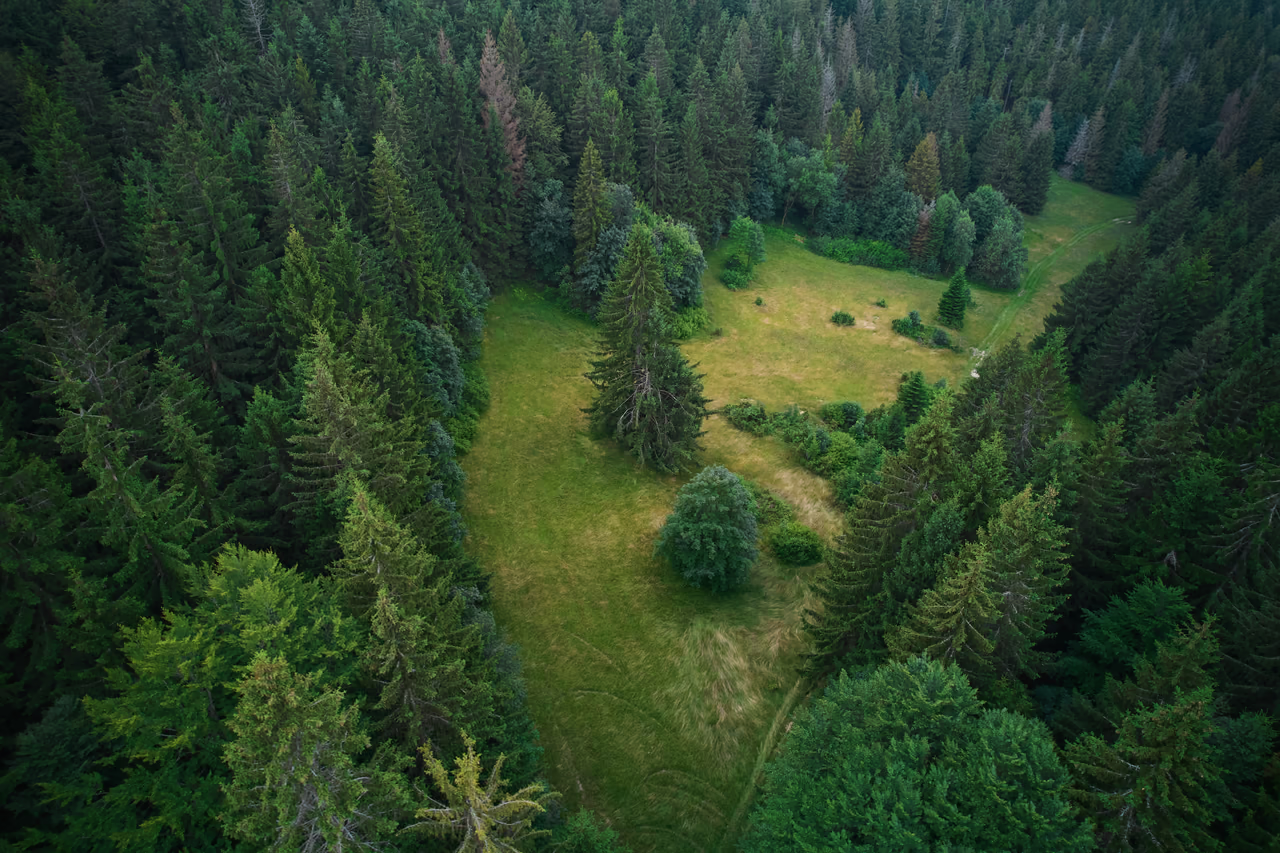
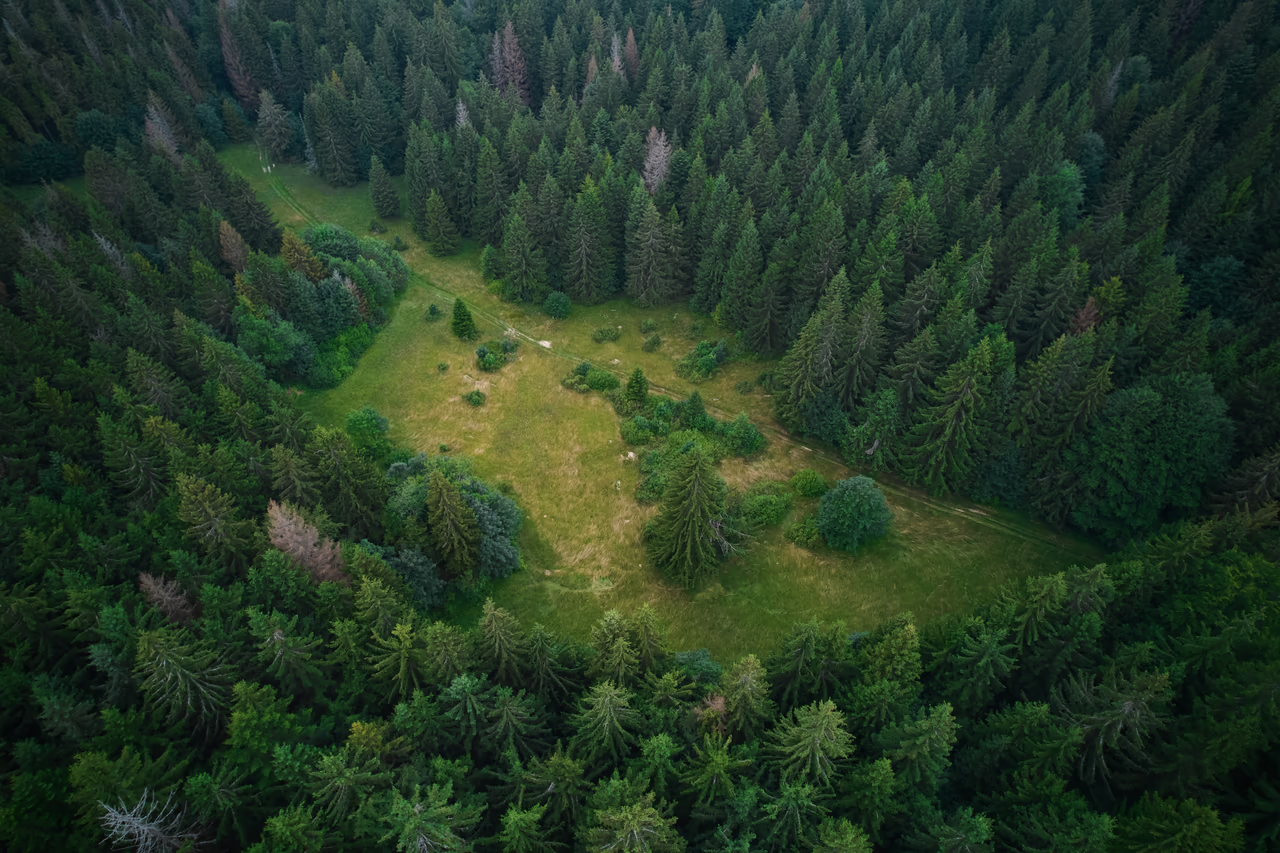
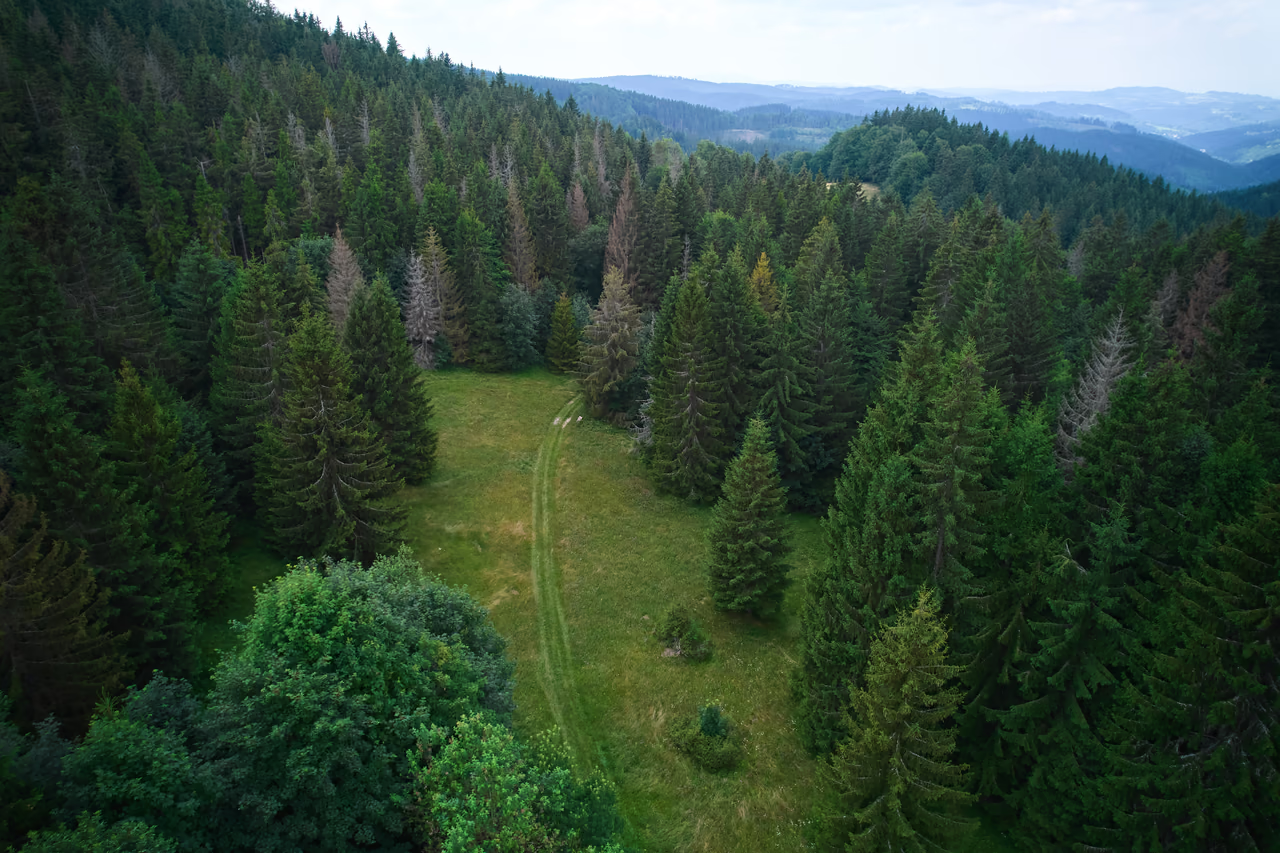
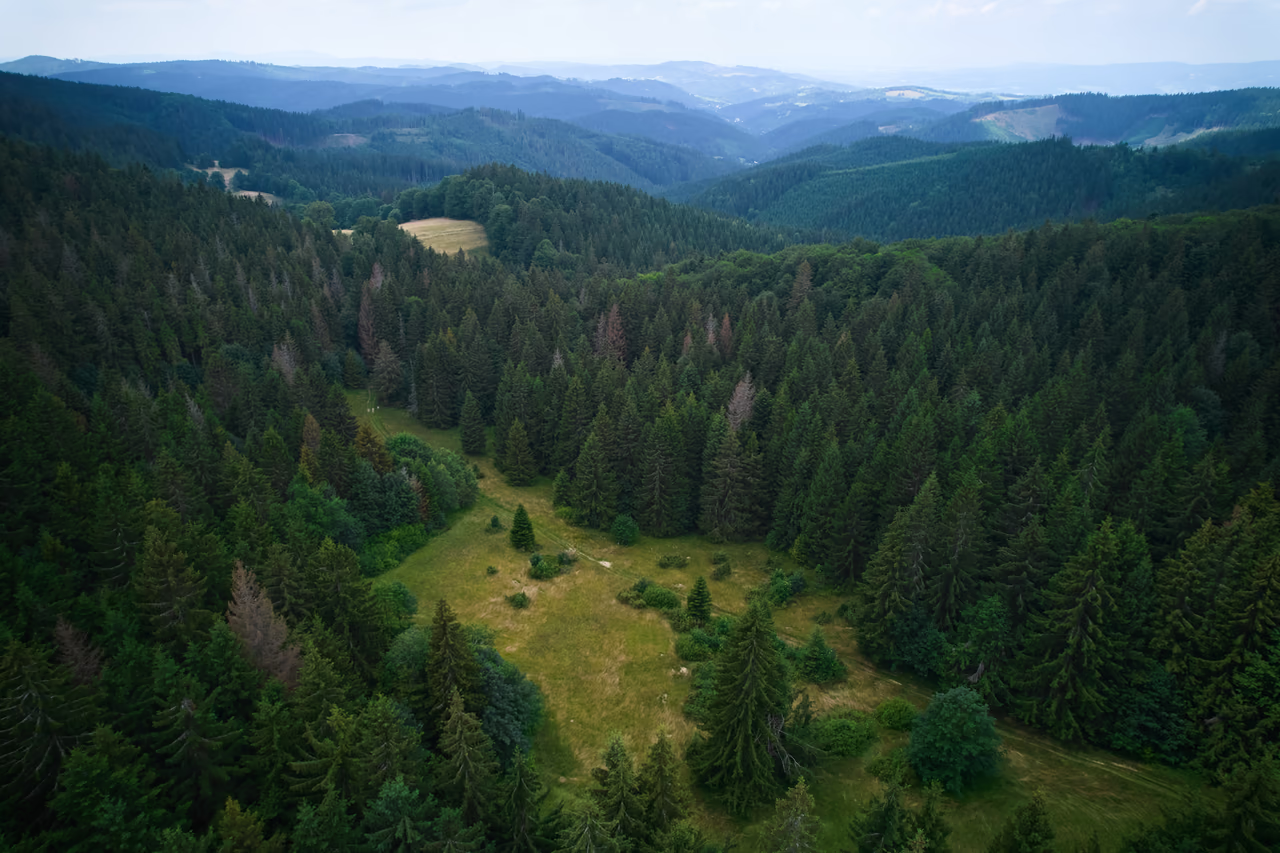
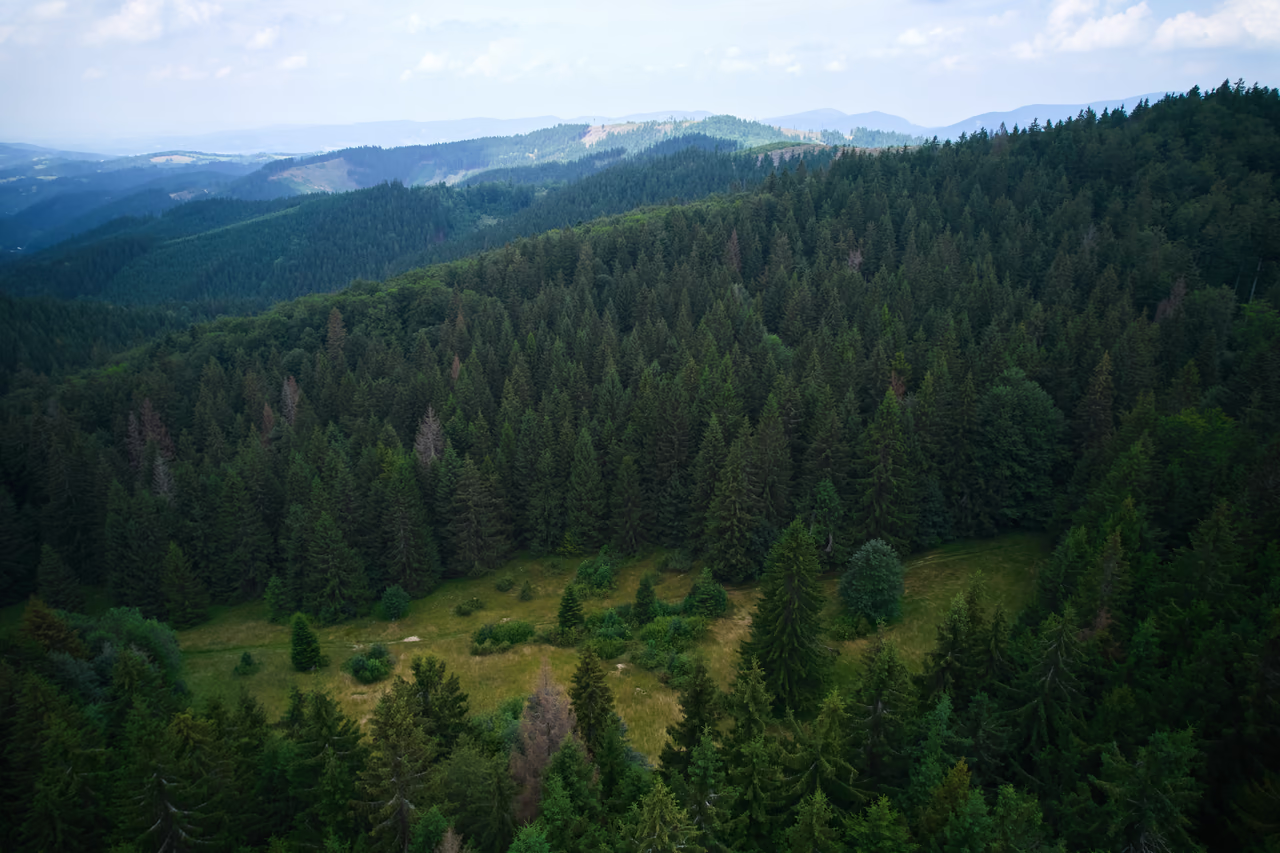
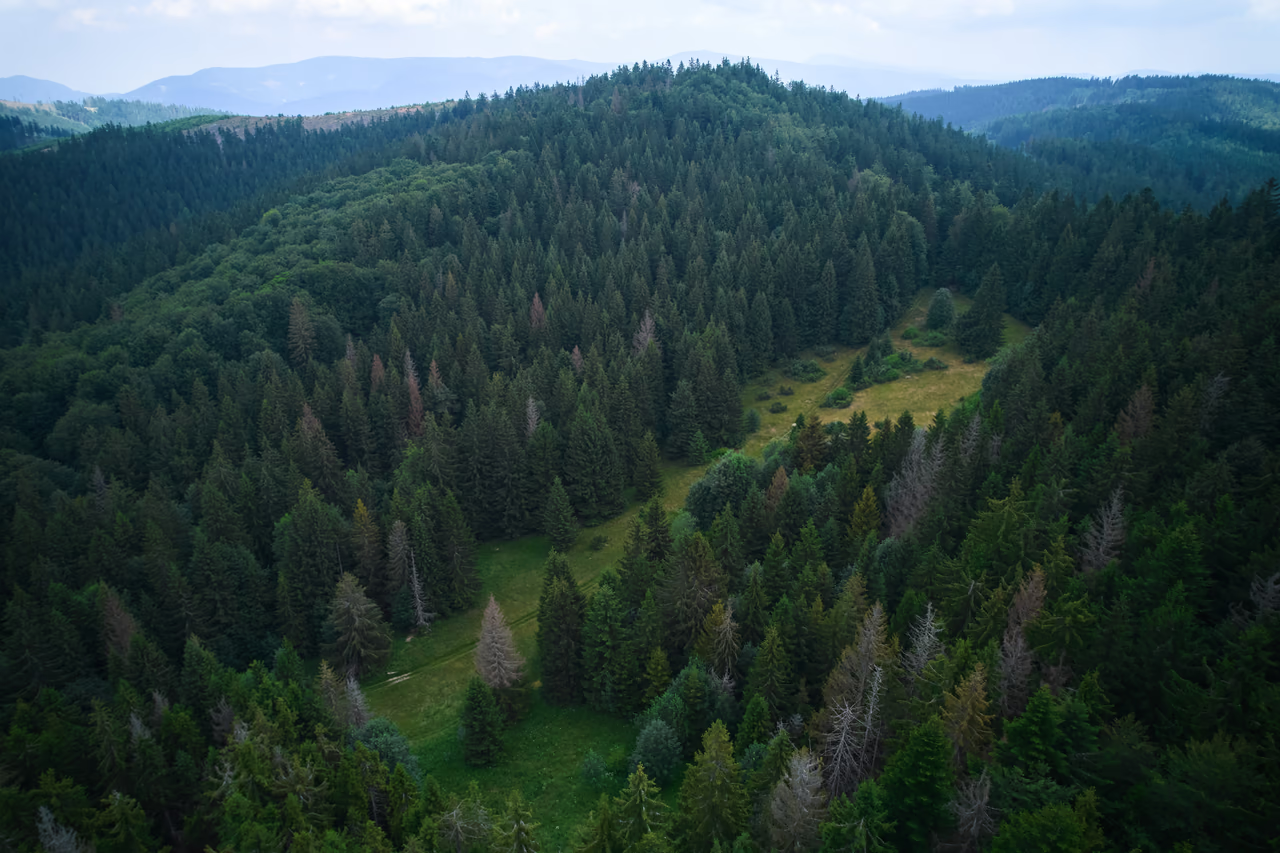
For three hundred years the sheep came here. For a hundred and fifty they have not – and it shows in the landscape.
A landscape made by sheep
The Wallachians came to Moravia with their flocks of valaška sheep from the eastern Carpathians at the end of the 15th century. By the first half of the 16th century flocks of valaškas are recorded across the whole of eastern Moravia – some five thousand Wallachian sheep were then grazing in the mountains.
The system they farmed by was called salašnictví. In summer, from the middle of May to the end of September, the sheep were driven to steep, remote and hard-to-reach mountain pastures – the so-called hole. By day they grazed without shelter; at night the shepherds gathered them into pens called košáry. The ridge of the Vsetínské vrchy around Tanečnice was once deforested pasture – centuries of grazing kept it open. Today's continuous spruce forest grew on it only later. The clearings you find here are the last fragments of that once extensive pasture.
A breed that all but disappeared
The sheep the herders kept on these pastures is the valaška – a coarse-wooled, hardy breed of triple purpose (milk, meat and wool), bred for pastoral farming on steep and distant pastures. It was this sheep that helped shape the character of the whole of Wallachia and the Beskids.
From the end of the 18th century, though, pastoral farming in eastern Moravia declined without a break – it was pushed out by more profitable forestry. Imports of cheap Australian wool and the rise of cotton as a textile raw material added to it. Both world wars decimated the flocks further. After the Second World War traditional mountain sheep farms survived only in the Radhošťské Beskydy, in the Javorníky Mountains and in the north-eastern part of the White Carpathians. The pure-bred valaška meanwhile gave way to improved breeds and almost vanished.
In the 1980s the last valaškas were gathered into a single flock – today the breed is protected by a herd book and a breeders' club.Source: the farm of Ing. Jan Vejčík – Původní valaška
The forest returns
Without regular grazing or mowing a mountain meadow always does the same thing: it grows over with self-seeded growth and disappears under the forest. That is exactly what happened here – over the last two hundred years or so, the extensive pastures below Tanečnice have come down to a few isolated clearings, hemmed in on every side by spruce.
The same fate met other mountain meadows of the Rožnov and Makov areas. Poskla and Kudlačena deal with growing over and the return of grazing. At Benešky, another ridge of the Vsetínské vrchy, care by mowing was even restored after twenty years. Below Tanečnice no such care has returned – the clearings remain what they are: the last remnant of a landscape sheep kept for six centuries, and they keep shrinking.
Timeline
Three hundred years of pastoral farming in the Moravian mountains – from the arrival of the first flocks to today's remnants of pasture below Tanečnice.
late 15th century
Herders with flocks of valaška sheep move onto Moravian soil from the Carpathian lands to the east. They bring salašnictví with them – a way of farming built on summer grazing on the high mountain pastures.
1st half of the 16th century
Flocks of valaškas are recorded across the whole region. Some five thousand sheep graze in the mountains – the ridge around Tanečnice is one of the grazing areas.
late 18th century
Pastoral farming in eastern Moravia begins to decline without a break – forestry is more profitable, and cheap imported wool competes as well.
1st half of the 20th century
Both world wars decimate the flocks. After the second, traditional mountain sheep farms survived only in the Radhošťské Beskydy, in the Javorníky Mountains and in the White Carpathians.
around 1980
Improved breeds all but push out the pure-bred valaška. The last animals are gathered into a single flock, which becomes the basis of today's rescue.
1982
In Slovakia the breed zušlechtěná valaška is recognised – the result of decades of improving the original breed.
today
Of the former high pastures below Tanečnice a few isolated clearings surrounded by forest are left. Without grazing they keep growing over; the valaška is kept as a genetic reserve in small flocks.
A few isolated clearings surrounded by spruce forest – the remnant of far more extensive pastures that centuries of sheep grazing kept open here.
Since the end of the 15th century, when the Wallachians came to Moravia with flocks of valaška sheep from the Carpathian lands. By the middle of the 16th century some five thousand sheep were grazing in the mountains.
Forestry was more profitable, and imports of cheap Australian wool and the rise of cotton added to it. Both world wars decimated the flocks further.
912 m a.s.l. – the highest mountain of Valašská Bystřice. On the summit there is a small stone cairn, a summit book and a sign with the legend the mountain is named after.
Otázka 1 z 6
 Rysík→
A few quizzes and I get glasses, and I will feel properly educated.
Your rank: Homebody. You do not have a single stamp yet. Visit any place and become a Pilgrim.
You can experience the Beskids and Moravian Wallachia with Rysík and without him. Rysík would love to be there for it. Whether you take him along and take on the challenges with him is up to you.
You can find your favourite places in your account. On the Walking routes page you can use them to filter routes.
Suggest a more accurate wording.