Why come here
Three habitats on one walk
A wet meadow, a peat bog and a dry juniper slope lie a few hundred metres apart. Nowhere else around do they meet in so small a space.
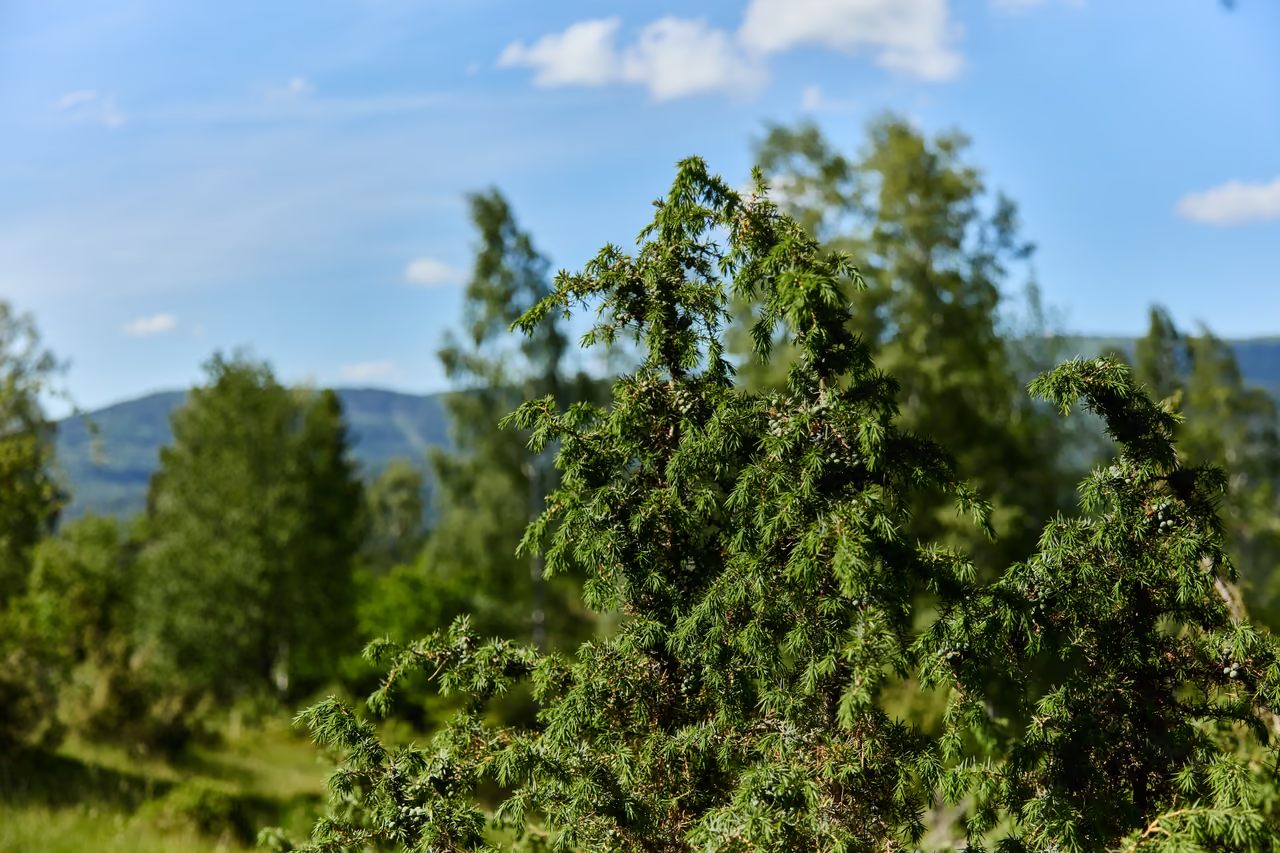
Nature monument • Hutisko-Solanec • 495–565 m a.s.l.
Three plots on one hillside, three completely different worlds. The difference between them is the work of water, clay and human hands.
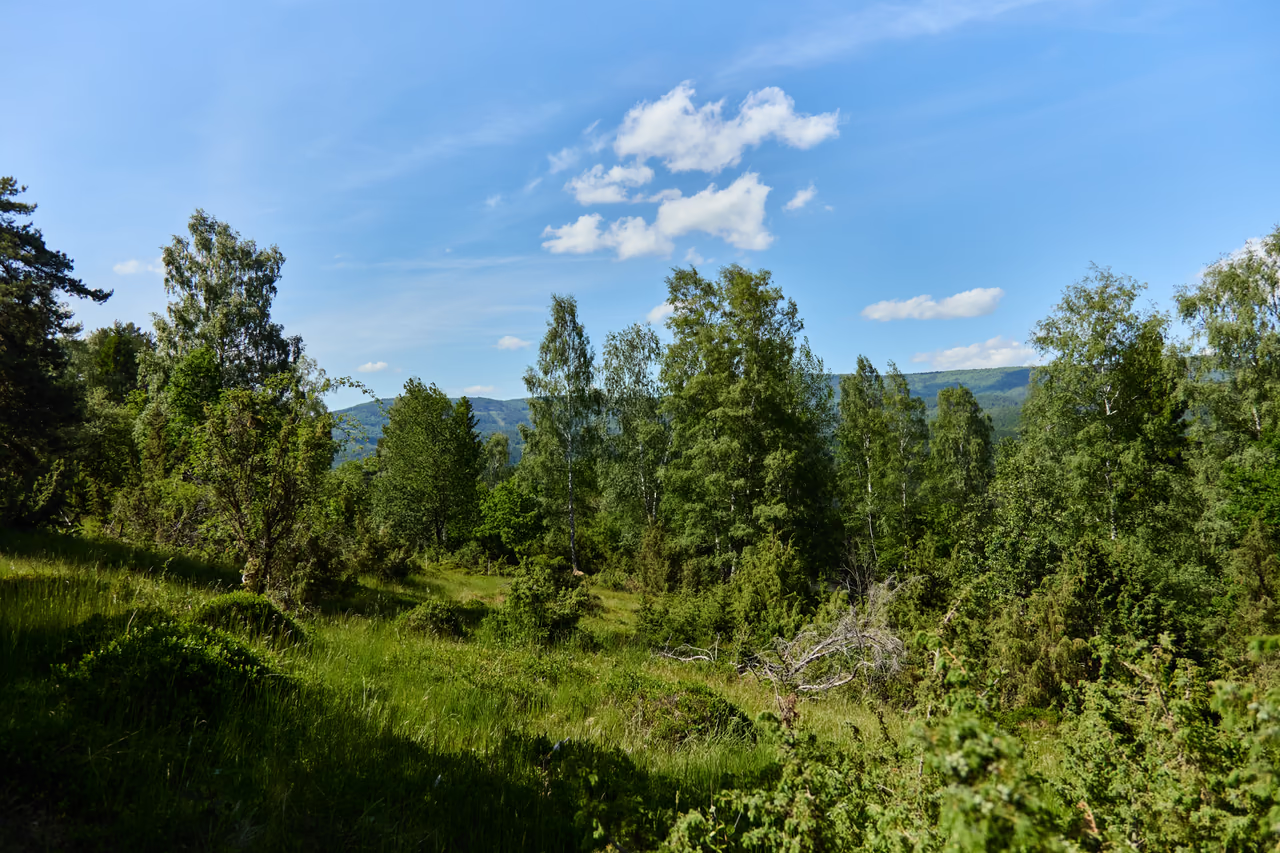
A kilometre north of Hutisko-Solanec, on the slope of the hill Poskla, lie three plots covering 2.45 hectares in all. From a distance they look like a piece of ordinary meadow. They are anything but – each of the three is completely different.
On the first, gladioli and orchids flower by the hundred. The second is a small peat bog with moss hummocks. The third is a dry slope of juniper and heather, now grazed by sheep. Poskla is protected for that variety rather than for any single rare species.
Why come here
A wet meadow, a peat bog and a dry juniper slope lie a few hundred metres apart. Nowhere else around do they meet in so small a space.
What not to miss
On the wet meadow hundreds of Turkish marsh gladioli come into flower in early summer. Marsh orchids, the early-purple orchid and viper's grass flower around them.
When to come
The orchids flower in May and June, the gladiolus in early summer, and the heather on the third plot only in late summer. The plots are not waymarked – look from the tracks and keep out of the vegetation.

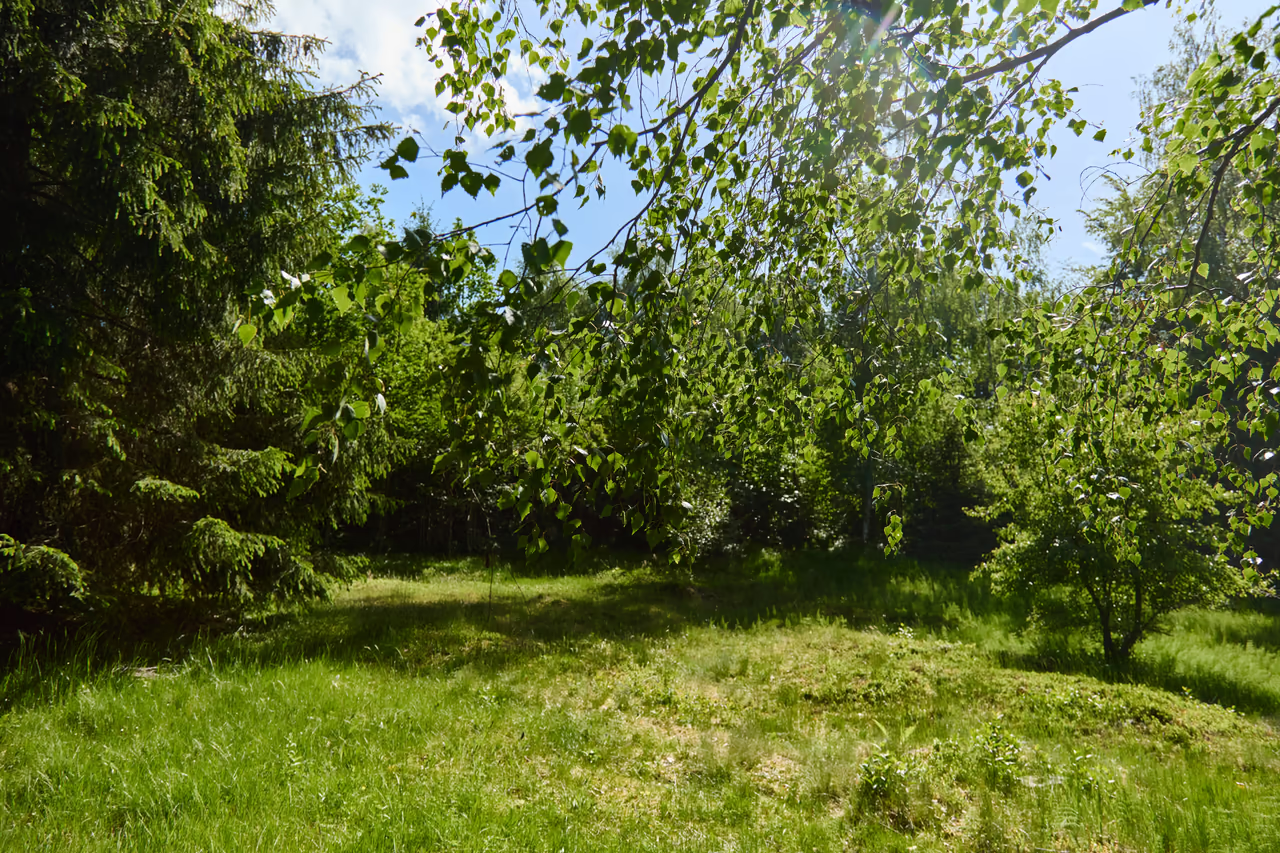
One hillside, three addresses
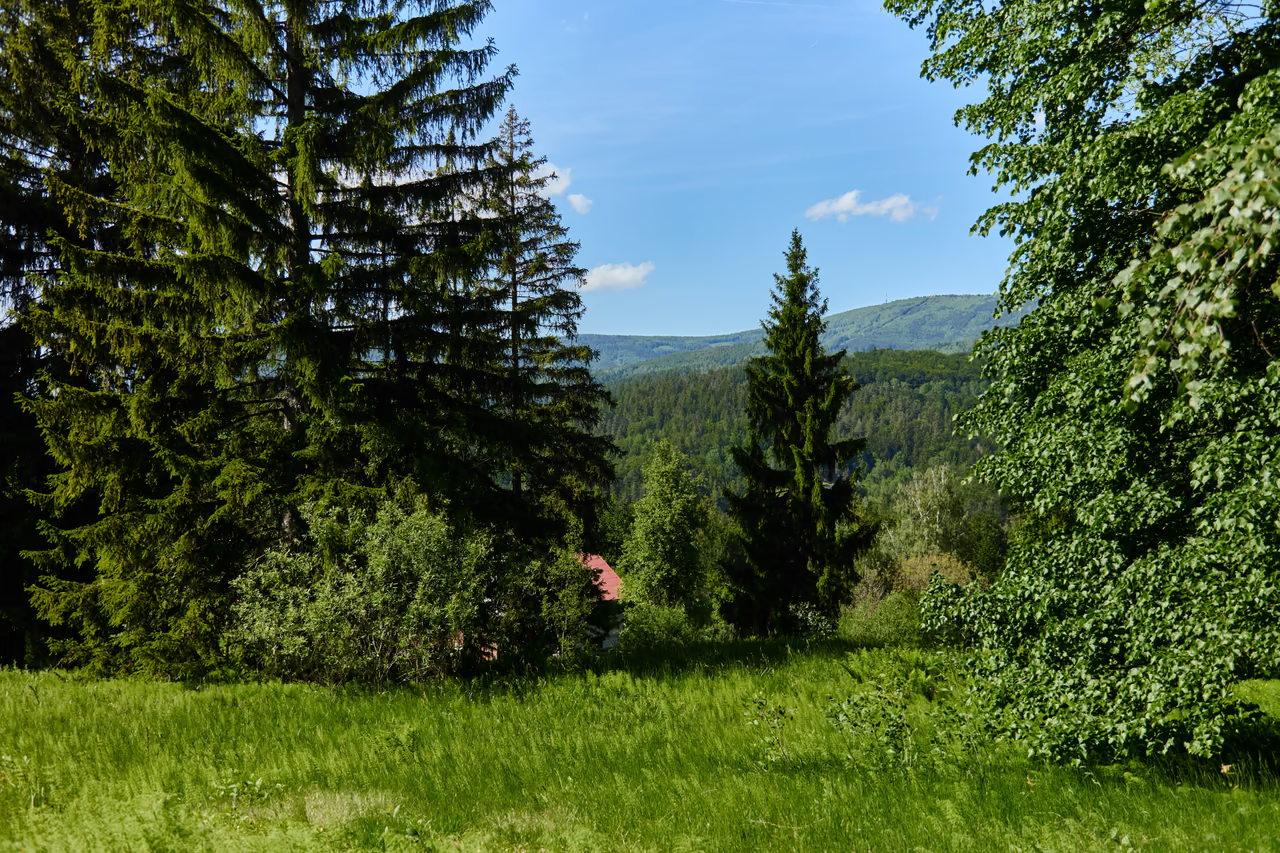
Poskla shows how varied a single hill could be. On the north slope of the hill Poskla (576 m a.s.l.) lie three separate plots only a few hundred metres apart – and yet on one the foot sinks into moss soaked with water, while on another dry juniper grows with heather. The higher up the slope, the drier it gets and the poorer the soil.
The labels Poskla I, II and III come from the management plans of the Beskydy PLA Administration and are used by the Chráněná území ČR portal as well, which describes the site in most detail.
A flowering meadow as people picture one – only far richer
It lies about 350 metres north of the summit on a gentle slope where impermeable bedrock holds the water, so the soil stays damp. In early summer hundreds of Turkish marsh gladioli turn it purple, with orchids flowering among them. It is a meadow mown once a year, and the plants here are used to exactly that rhythm.
Plants you may meet on the wet meadow of Poskla I
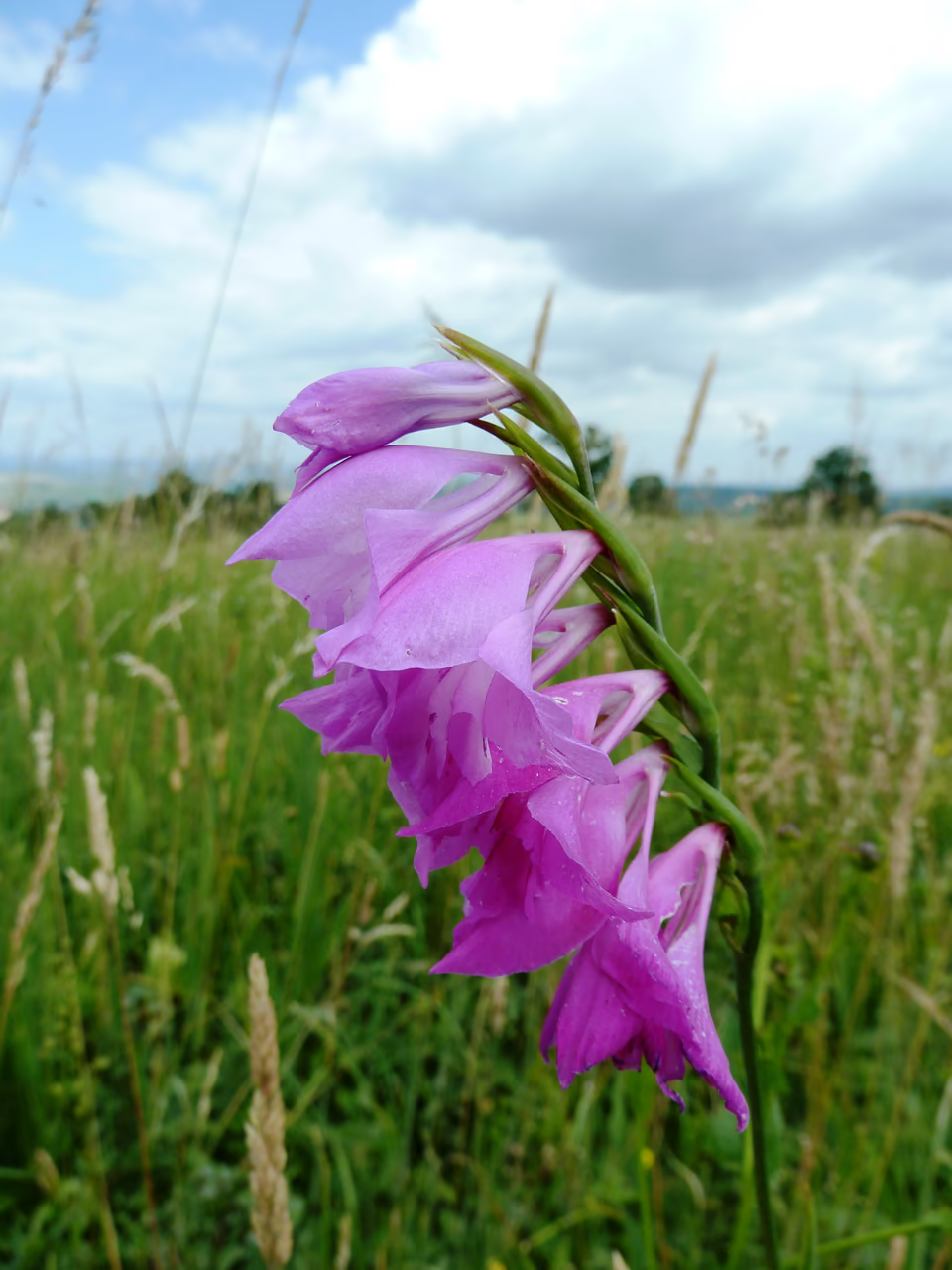
Gladiolus imbricatus
The most striking plant here – a slender stem carrying a one-sided spike of purple flowers. Several hundred plants flower on Poskla I in early summer; outside the protected meadows you will hardly meet it around here.
Foto: Dr. Killer, Wikimedia Commons, CC BY-SA 3.0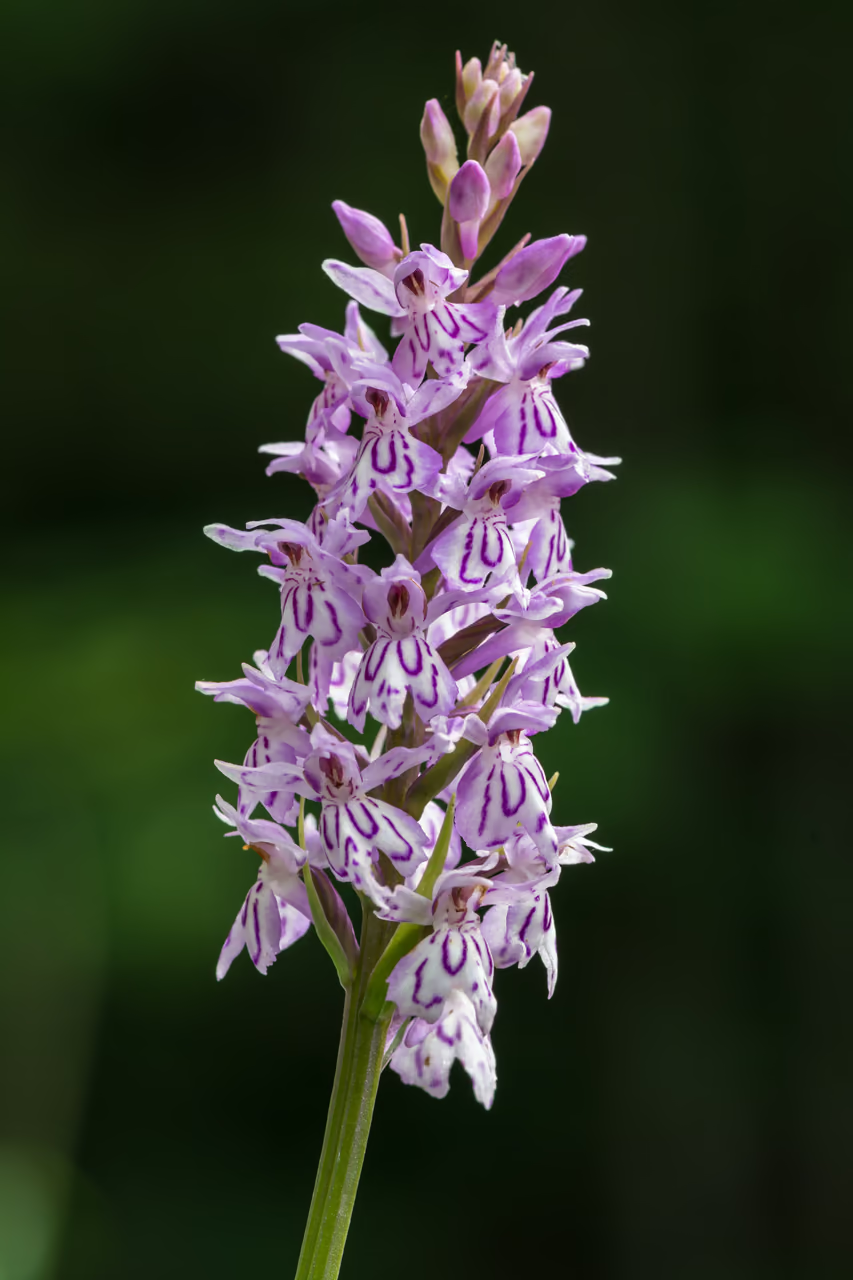
Dactylorhiza fuchsii
The commonest orchid here – it grows on the wet meadow and in the peat bog alike. The spike is pale pink with darker markings on the lip, and the leaves are usually spotted. It flowers in June.
Foto: Uoaei1, Wikimedia Commons, CC BY-SA 4.0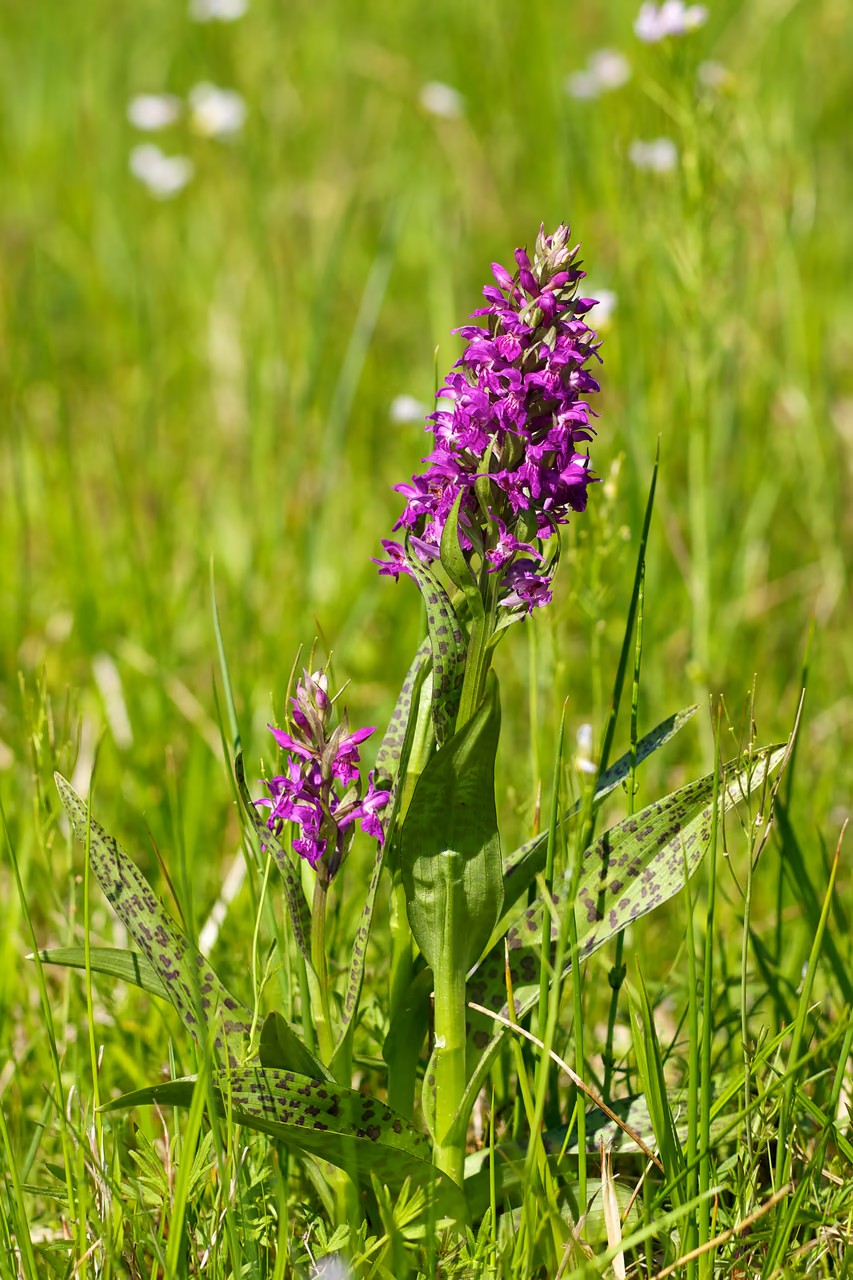
Dactylorhiza majalis
The spike is dense and deep purple, the leaves usually darkly spotted. It flowers from May – come in May and June for the best chance of catching it.
Foto: Jörg Hempel, Wikimedia Commons, CC BY-SA 3.0 DE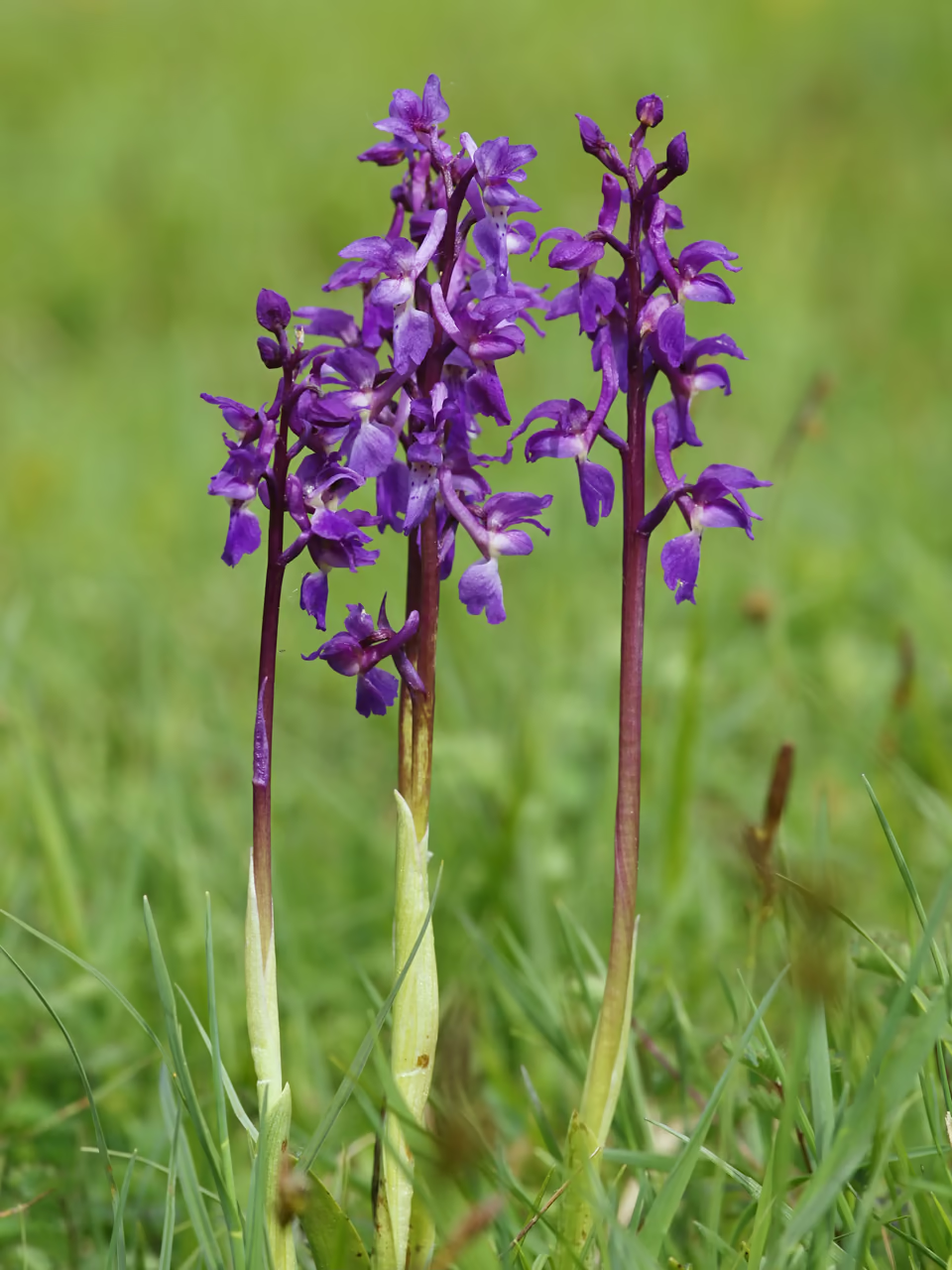
Orchis mascula subsp. signifera
The spike is crimson, it grows on the mown meadow and the leaves are often darkly spotted. It flowers early, in May and June; later nothing is left of it but a leaf.
Foto: Hans Hillewaert, Wikimedia Commons, CC BY-SA 3.0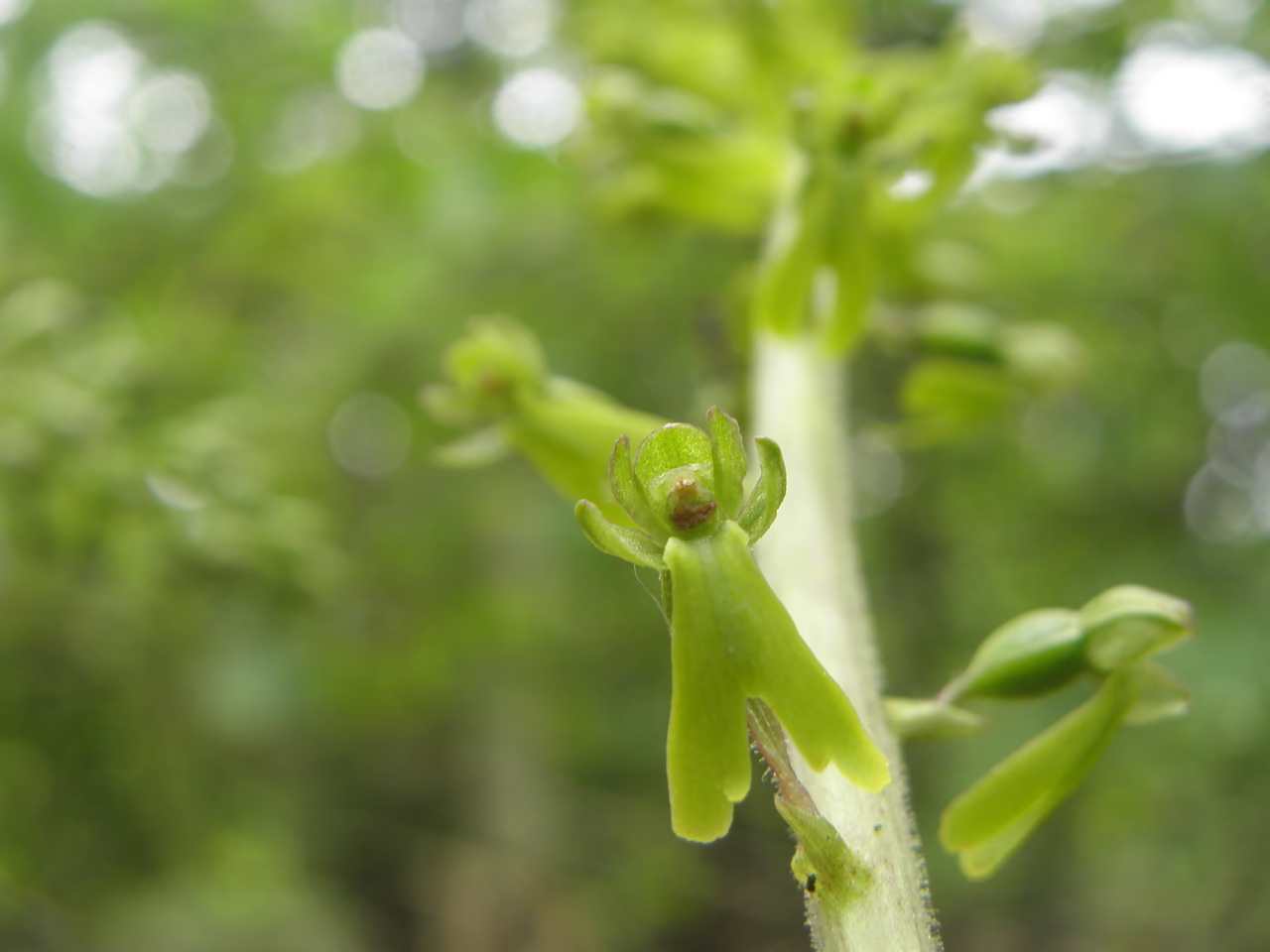
Neottia ovata
An inconspicuous orchid with greenish flowers. Anyone hunting for it without looking for the pair of large oval leaves facing each other at the base of the stem will easily walk past it.
Foto: Rob Hille, Wikimedia Commons, CC BY-SA 3.0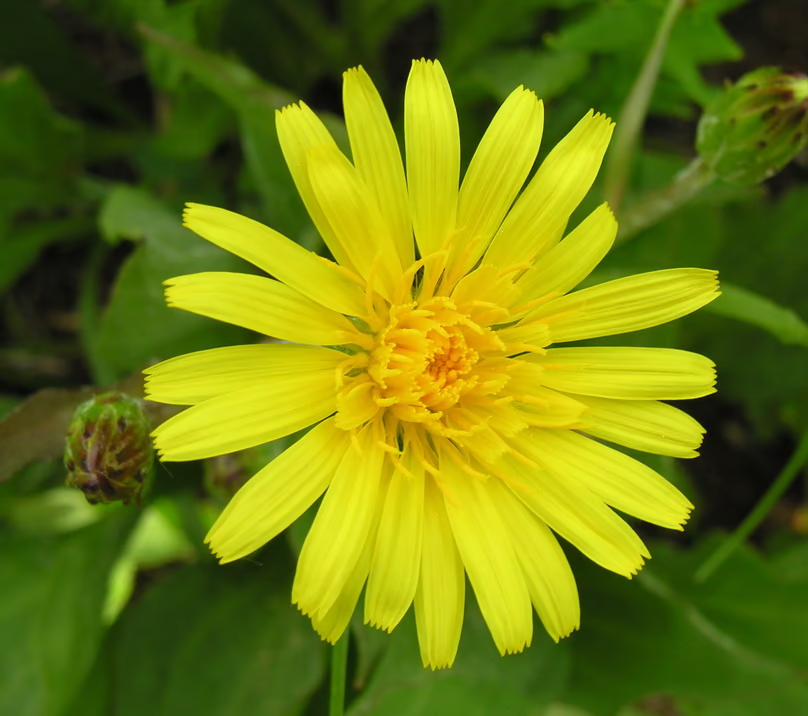
Scorzonera humilis
It has a yellow flower head on a low stem, and after flowering the plumed achenes are left, as on a dandelion. It declines wherever meadows are drained – on Poskla I it is one of the constants.
Foto: Algirdas, Wikimedia Commons, CC BY-SA 3.0The smallest, the wettest and the strangest of the three
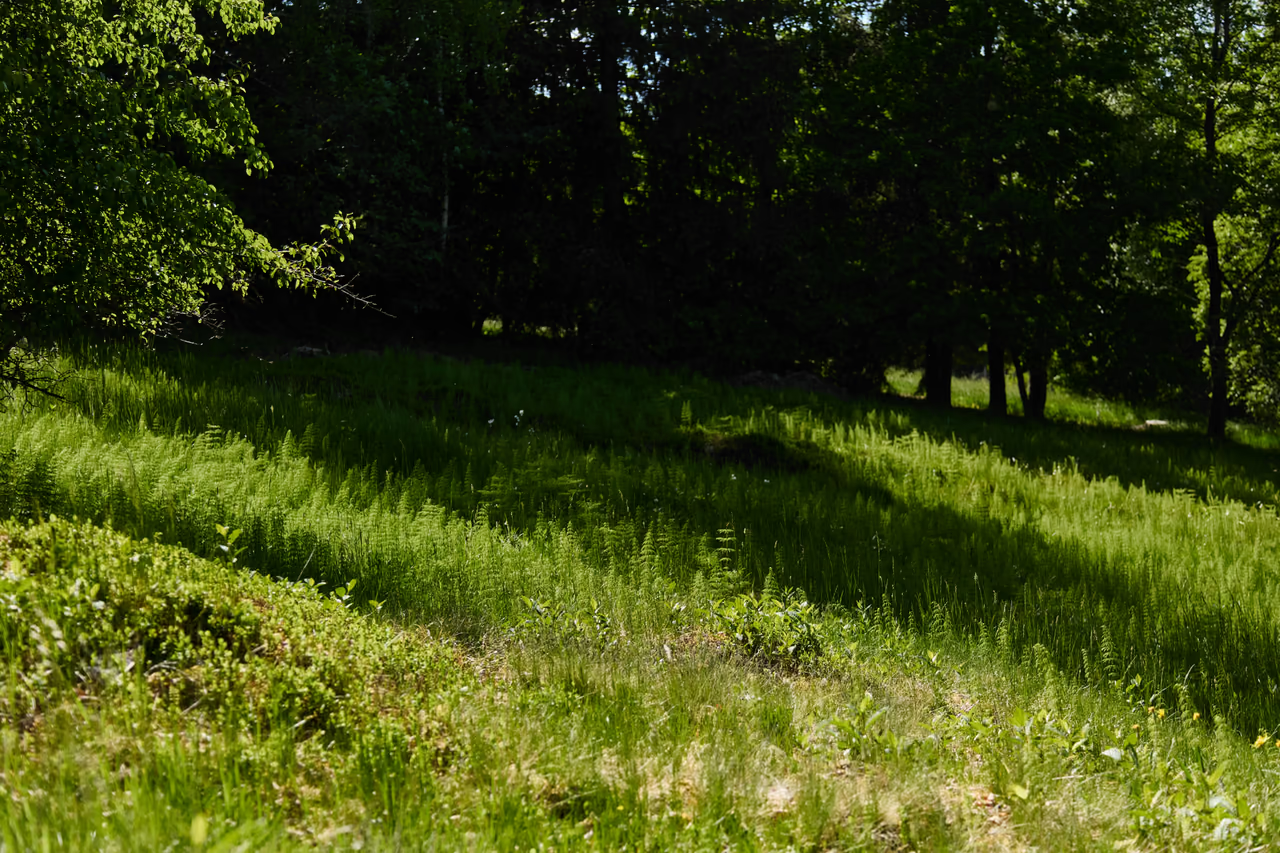
About 350 metres north-east of the summit. The moss has grown into springy cushions – hummocks – that a foot sinks into, and in permanent wet the dead plants do not decay, they simply build up as peat. Lower down, the bog turns into a peaty and mat-grass sward. Bogbean shows that the wetland still works; the rare bog arum grows here too.
What you may meet in the peat bog of Poskla II
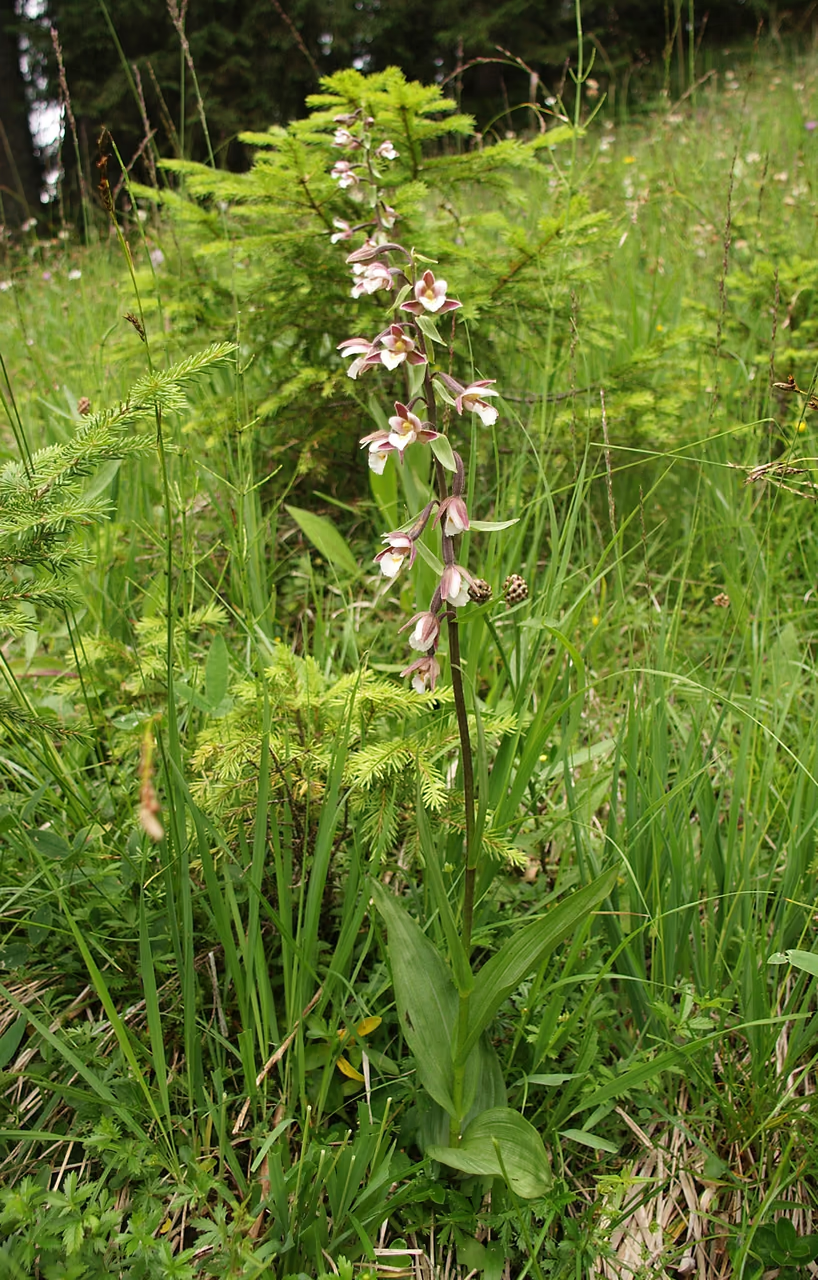
Epipactis palustris
An orchid of wetlands with white and pink flowers marked in crimson; it flowers in June and July. It grows right in the waterlogged ground – look from the track.
Foto: Bernd Haynold, Wikimedia Commons, CC BY-SA 3.0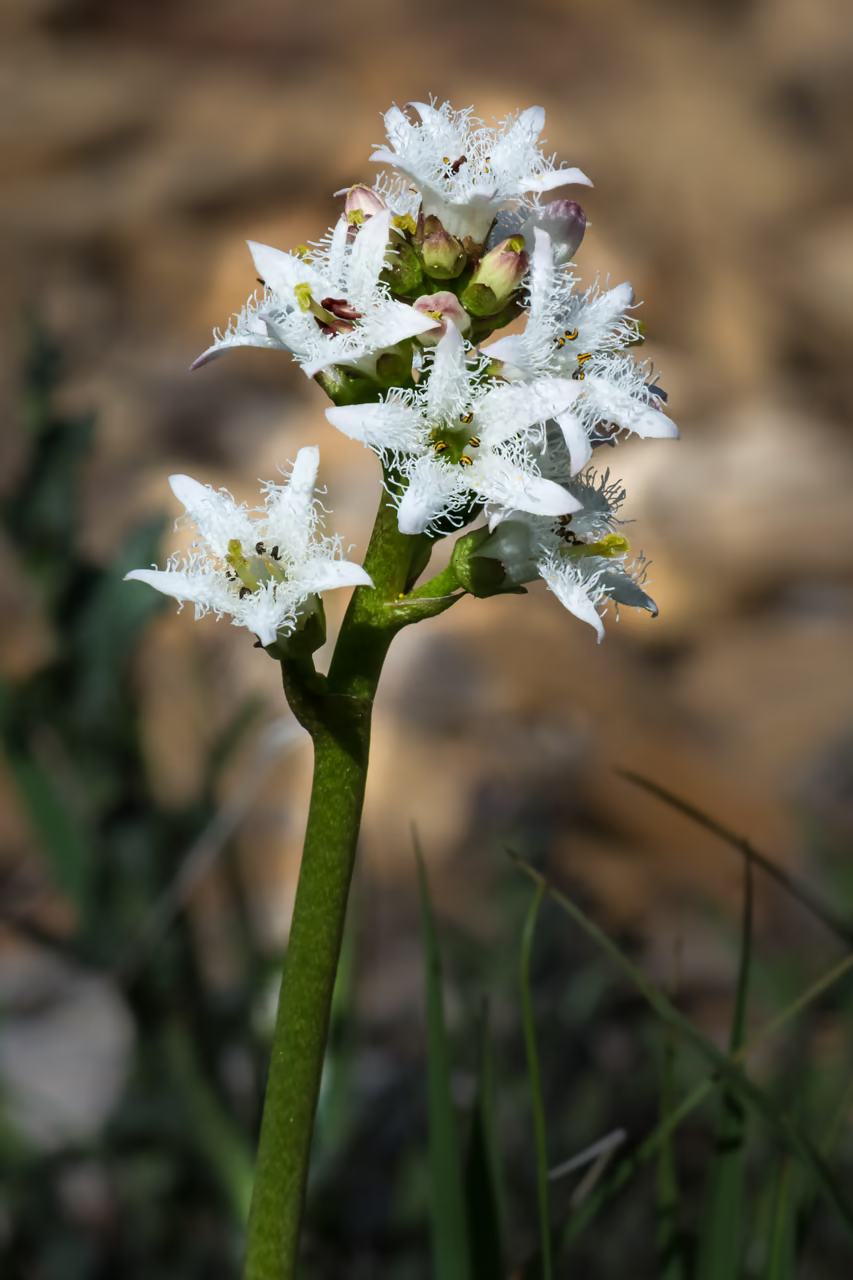
Menyanthes trifoliata
Three-part leaves and white fringed flowers in spring. It has a viable population on Poskla II – a reliable sign that the peat bog still works.
Foto: Uoaei1, Wikimedia Commons, CC BY-SA 4.0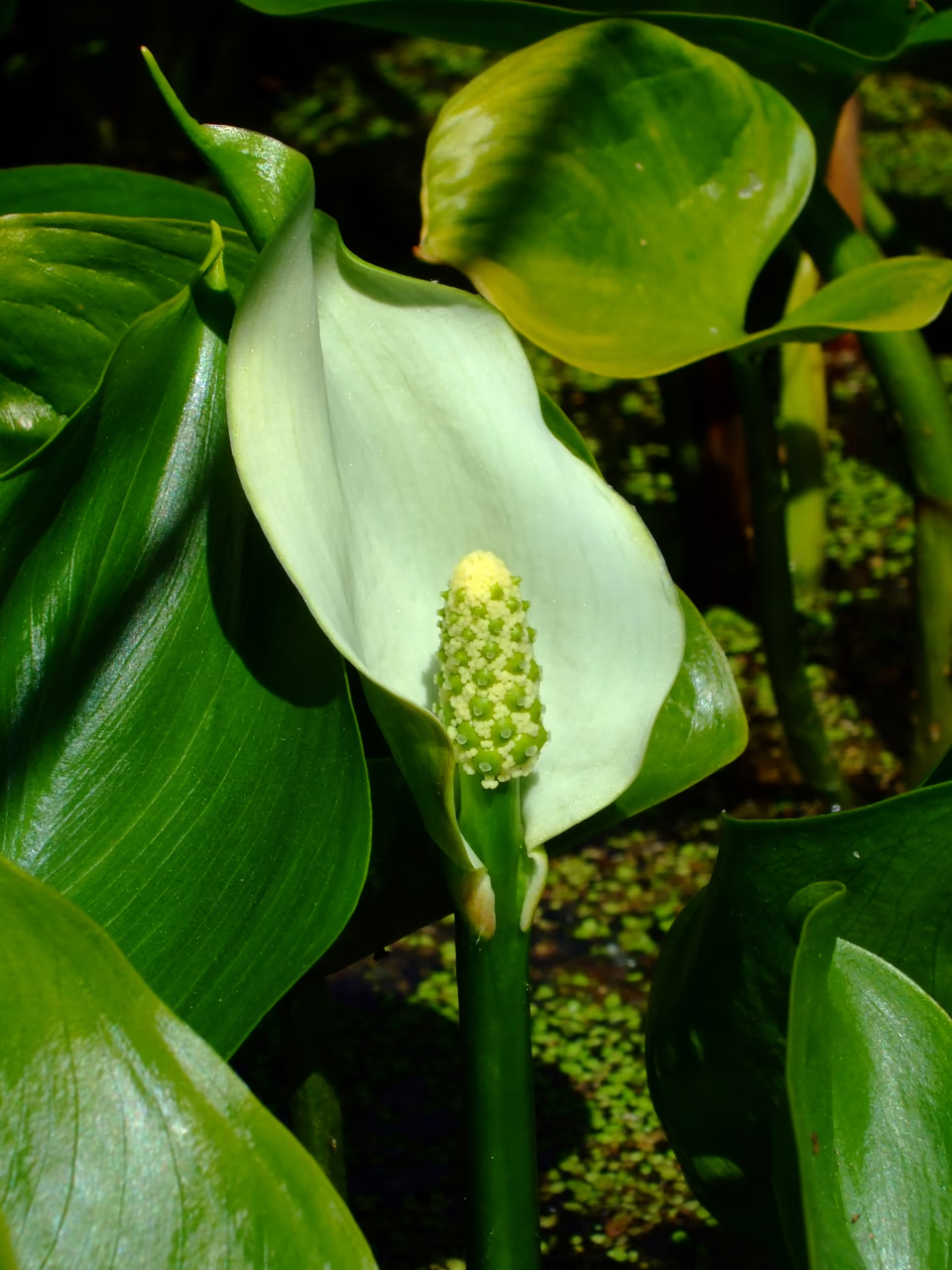
Calla palustris
A wetland plant with heart-shaped leaves and a white spathe around the flower head; in autumn it carries a cluster of bright red fruit. Only a smaller population of it grows on Poskla II.
Foto: Aiwok, Wikimedia Commons, CC BY-SA 3.0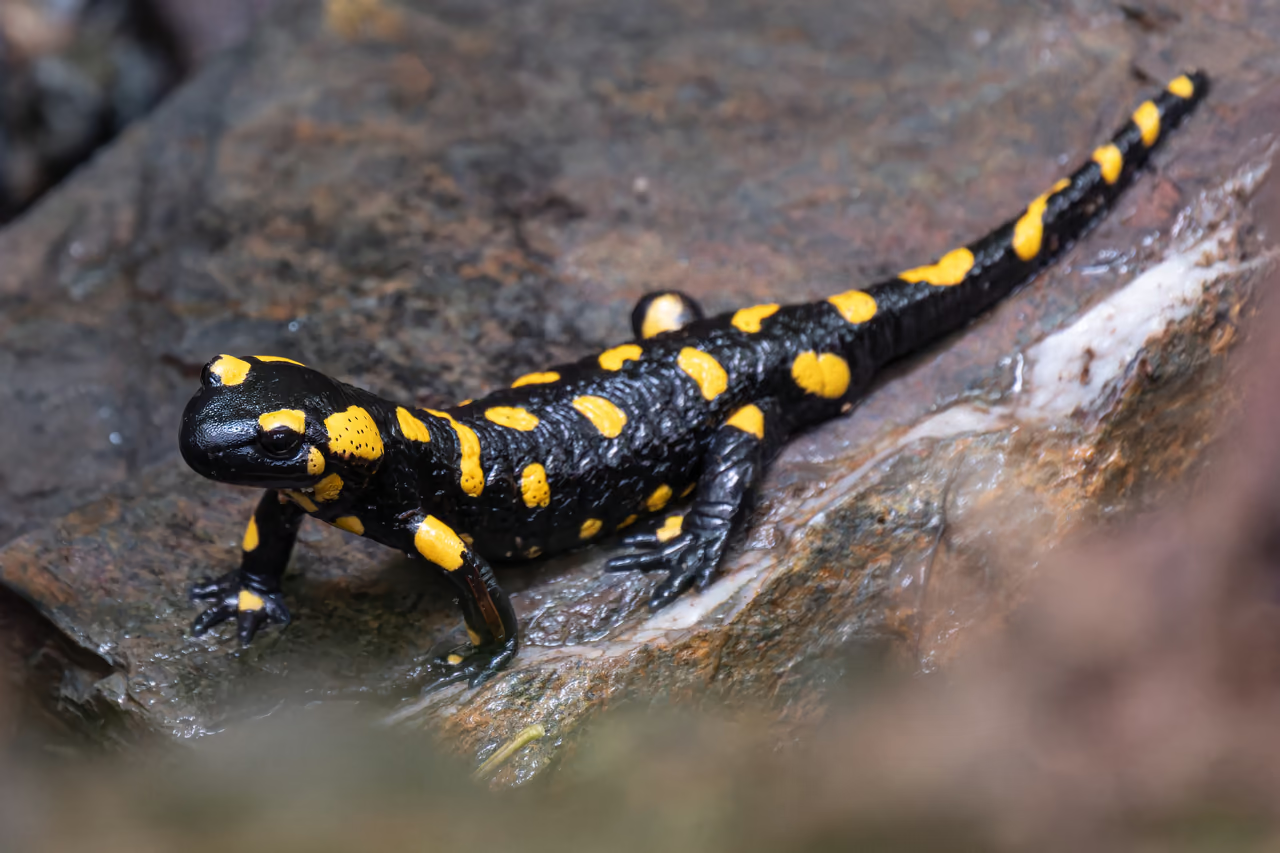
Salamandra salamandra
A black amphibian with bold yellow markings. It comes out in damp weather and towards evening, mainly after rain. Do not pick it up – the skin gives off an irritant secretion.
Foto: Skot, Wikimedia Commons, CC BY-SA 4.0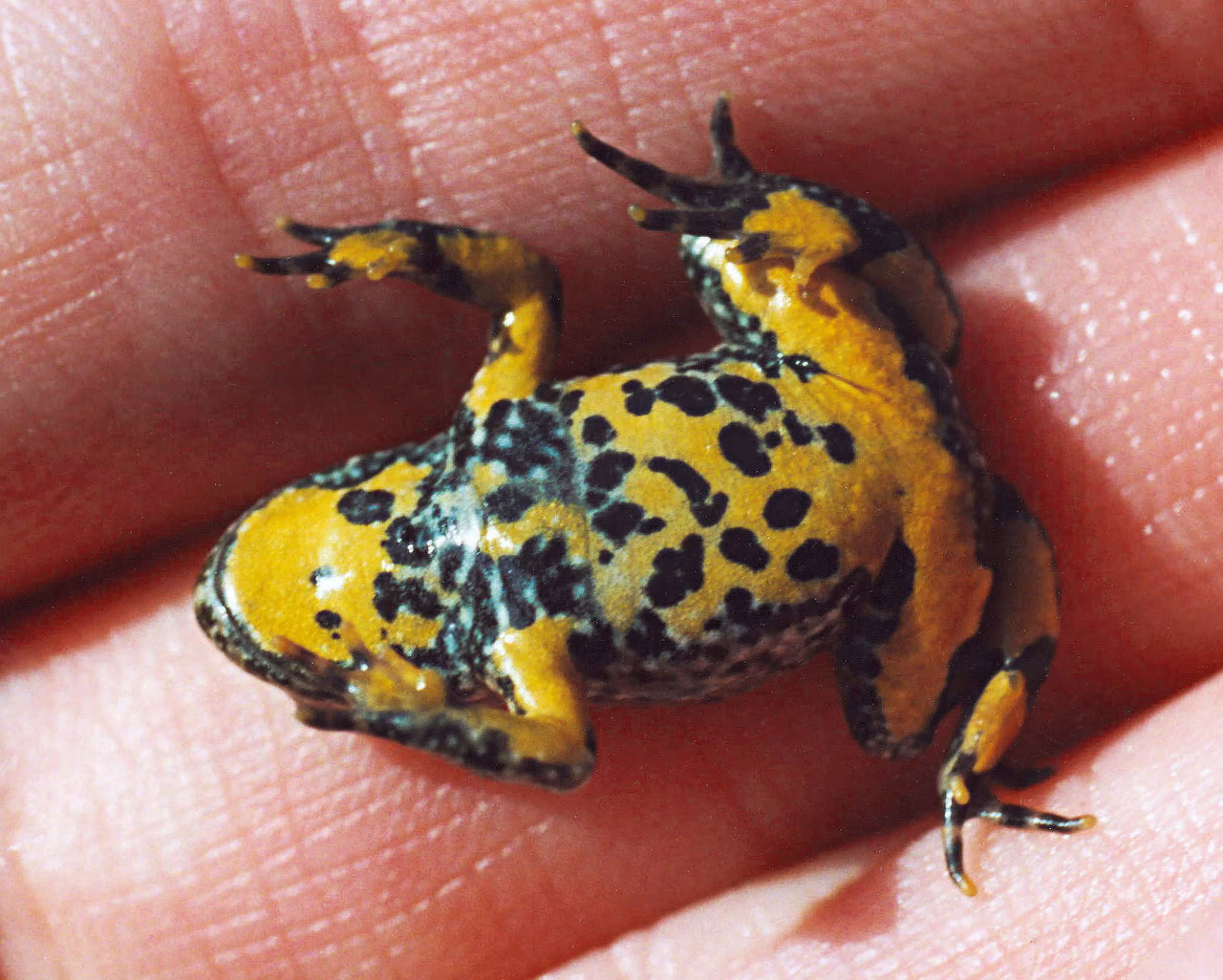
Bombina variegata
A small toad of shallow puddles and pools. You are more likely to know it by its voice – a quiet “unk, unk” – and by the yellow and black belly it shows when threatened.
Foto: Christian Fischer, Wikimedia Commons, CC BY-SA 3.0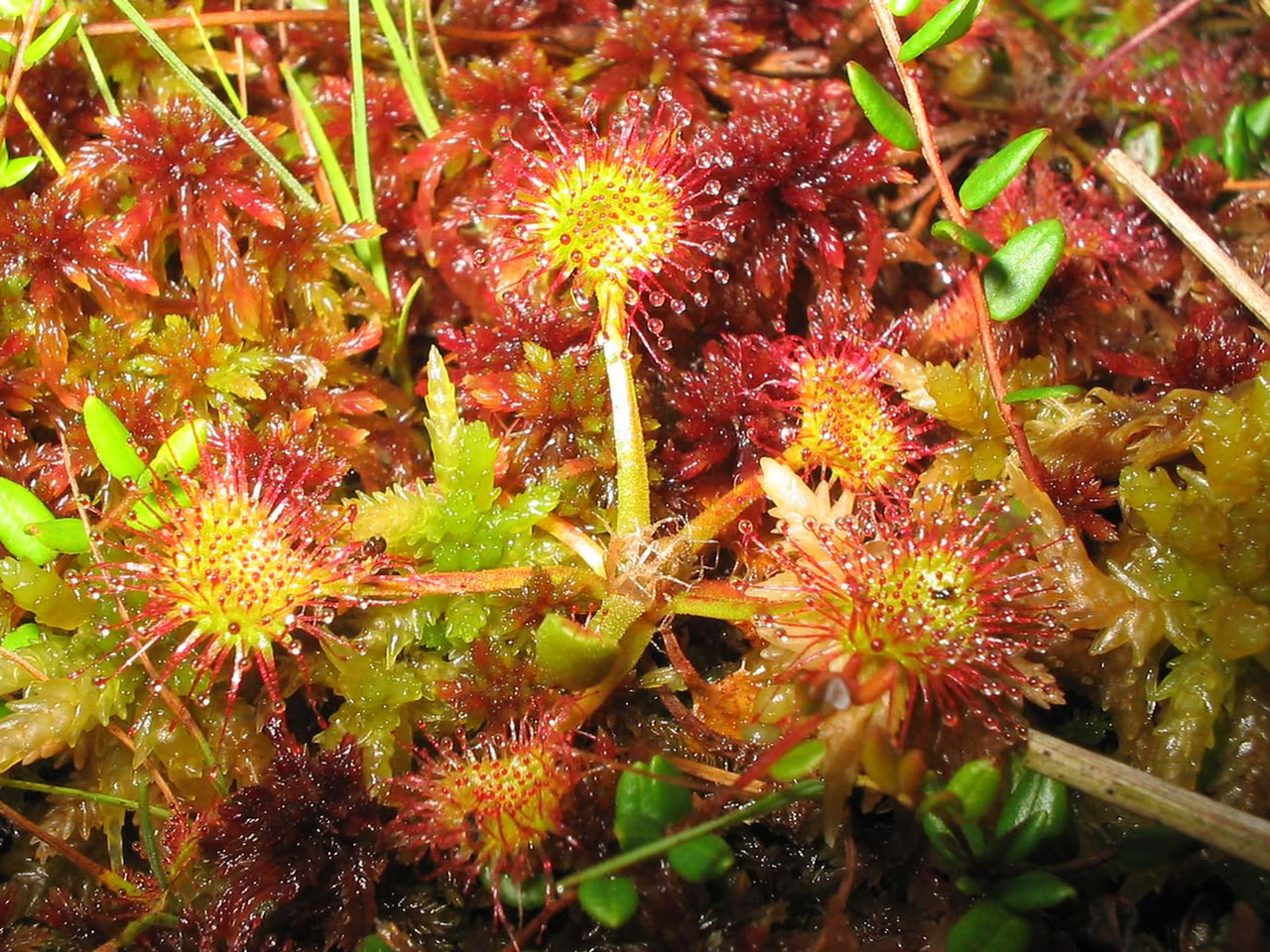 Last seen in the 1990s
Drosera rotundifolia
A carnivorous plant of peat bogs. It was recorded at Poskla until the mid-1990s, and its presence has not been confirmed since. The sundew is disappearing from other Beskydy sites as well.
Foto: Migas, Wikimedia Commons, CC BY-SA 3.0A former pasture the sheep have come back to
The largest and driest plot, about 200 metres east of the summit, on a steeper slope below a low ridge of hard sandstone. It used to be the village pasture; after years lying fallow, grazing returned to it, and sheep graze the slope today. Grazing and the dry stony soil are what keep the heath open, so bilberry and stemless carline thistle grow beside the juniper. Without grazing there would have been woodland here long ago.
What you may meet on the juniper slope of Poskla III
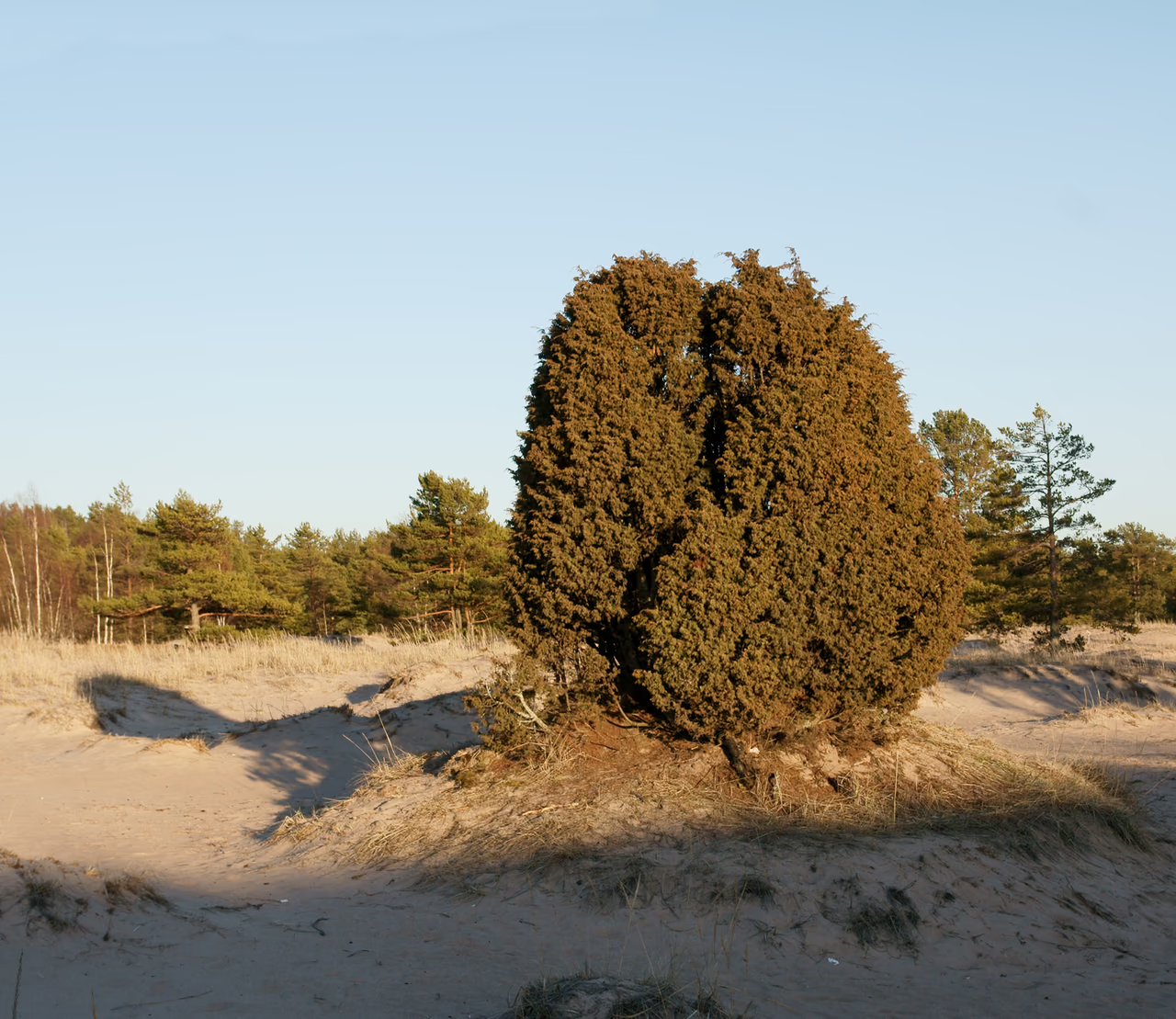
Juniperus communis
The prickly shrub that gives the third plot its face. It survived on pastures precisely because livestock will not graze it – the needles prick. It is a typical companion of grazed slopes.
Foto: kallerna, Wikimedia Commons, CC BY-SA 3.0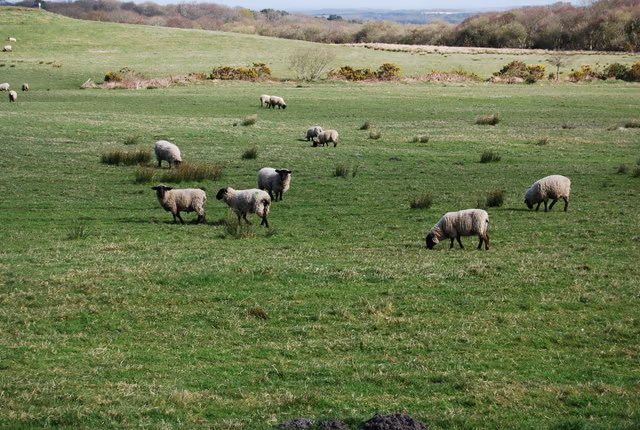
Ovis aries
Their grazing keeps the juniper slope open just as the village livestock once did: they prefer grass and leave the juniper and heather to grow.
Foto: Nigel Chadwick, Wikimedia Commons, CC BY-SA 2.0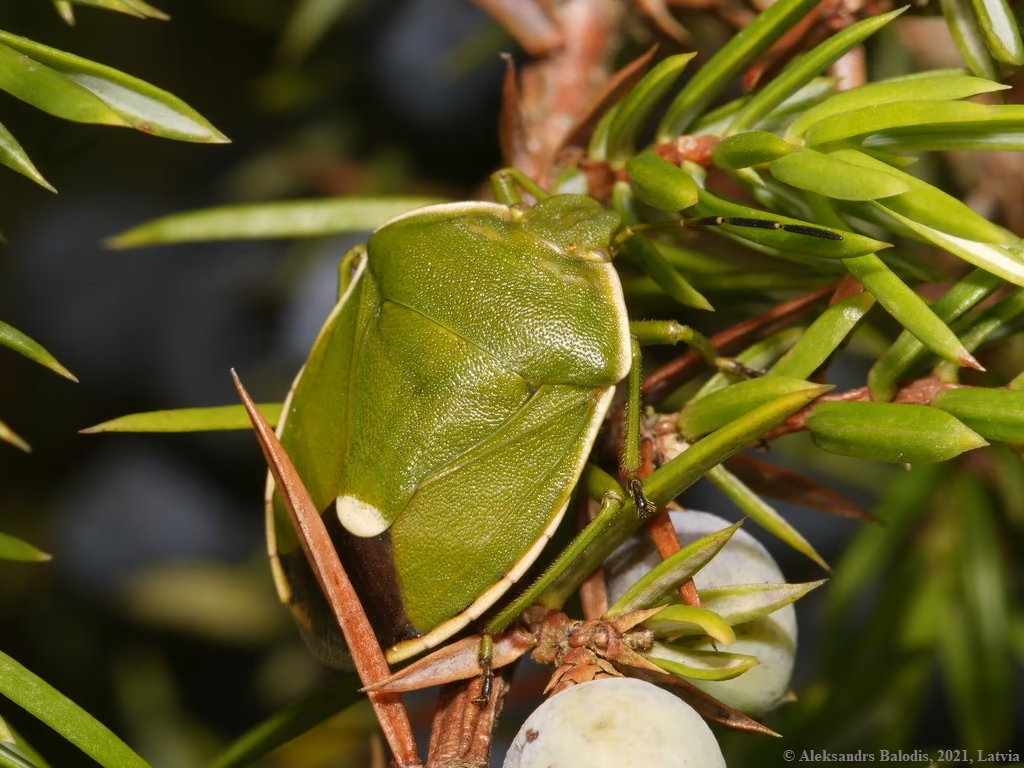
Chlorochroa juniperina
A green true bug, a rare and local species tied in its development to the common juniper. Without the junipers on the third plot it would not be here.
Foto: AfroBrazilian, Wikimedia Commons, CC BY-SA 4.0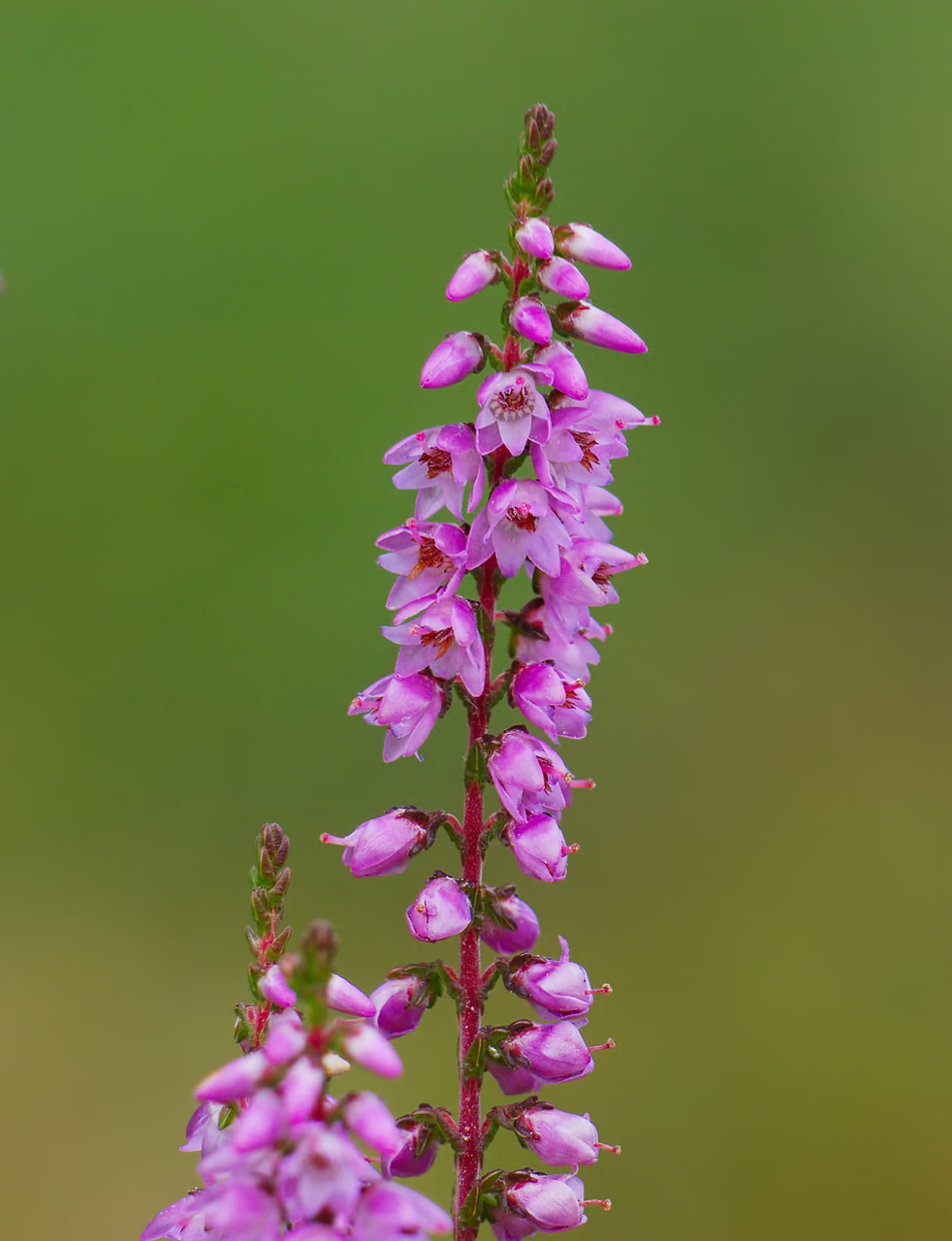
Calluna vulgaris
It flowers purple only in late summer and autumn, when the flowers are over elsewhere. On the poor acid soil of the third plot it forms continuous stands.
Foto: Andreas Eichler, Wikimedia Commons, CC BY-SA 4.0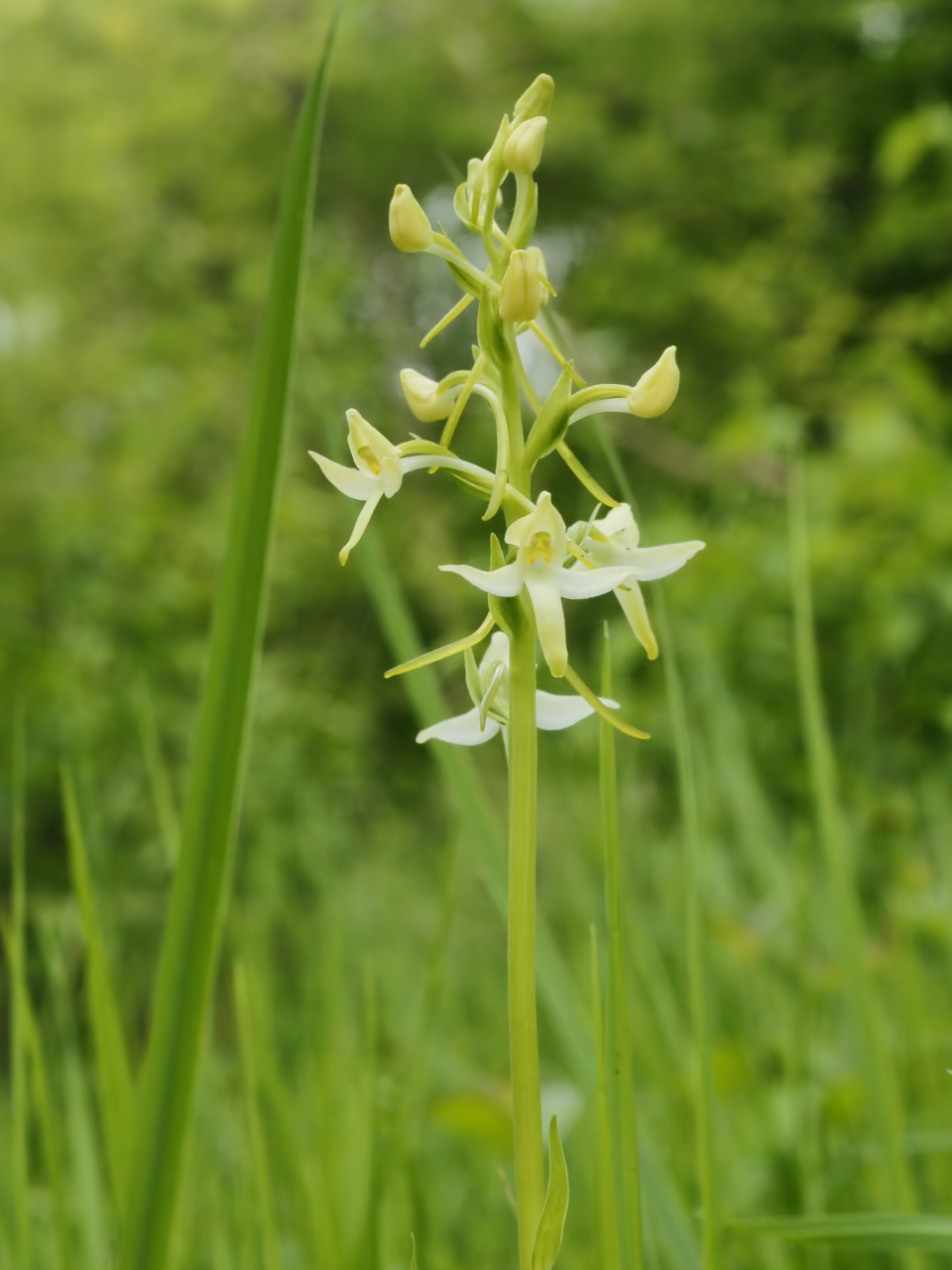
Platanthera bifolia
A white orchid with two large leaves at the base – it grows on the dry slope too. Its scent is stronger towards evening: it draws the night moths that pollinate it.
Foto: Hans Hillewaert, Wikimedia Commons, CC BY-SA 3.0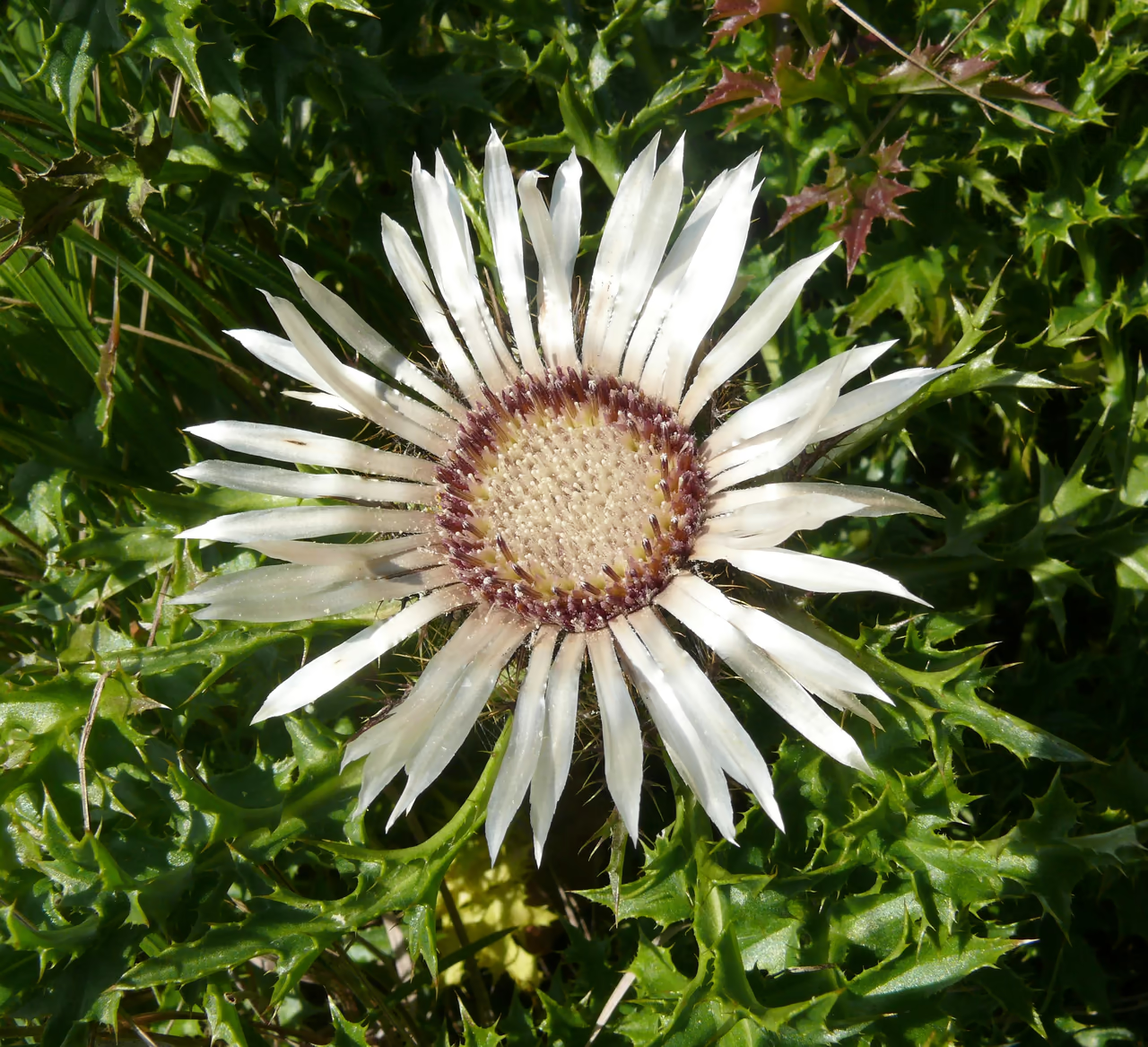
Carlina acaulis
A stalkless silvery flower head on the dry grassland. It closes in damp weather and opens in the sun – a living hygrometer.
Foto: Bernd Haynold, Wikimedia Commons, CC BY-SA 3.0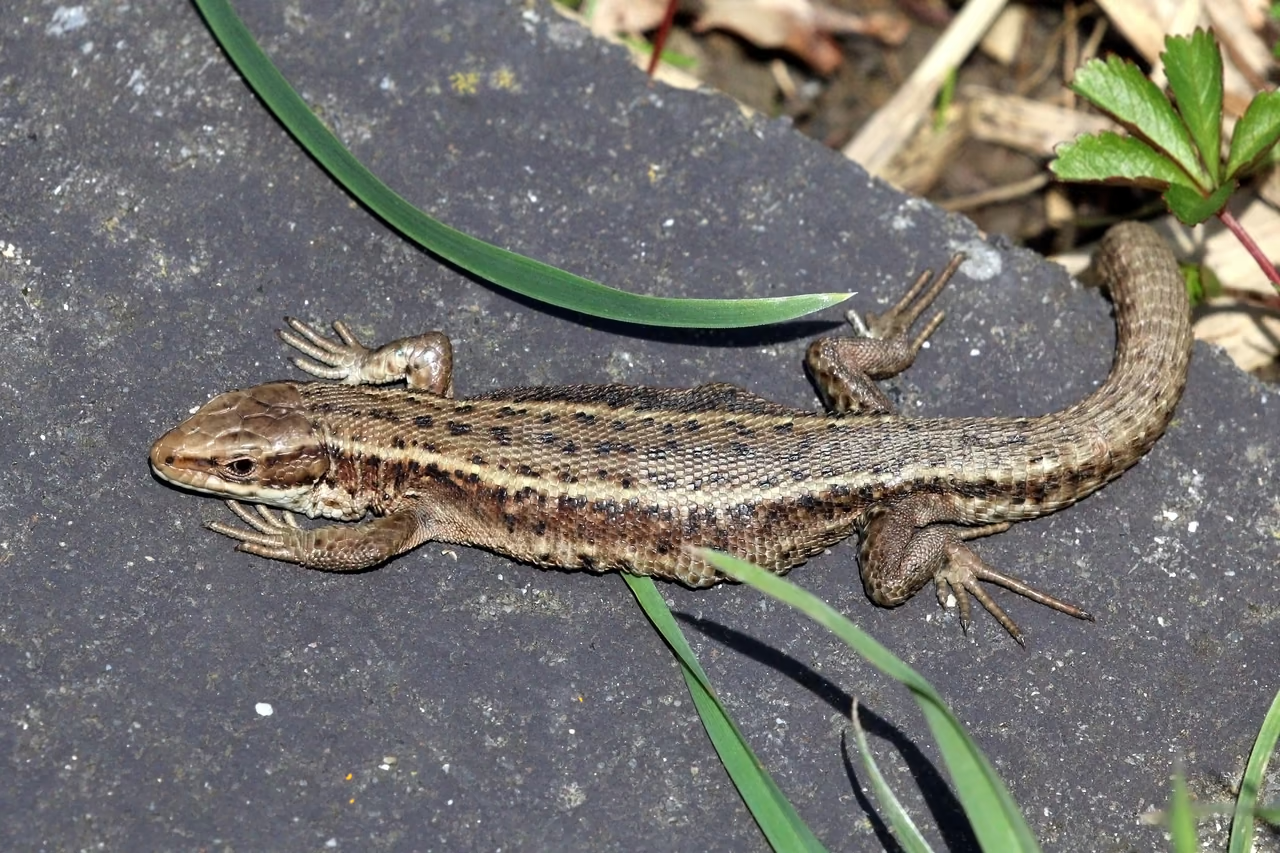
Zootoca vivipara
A small brown lizard, most often caught sight of basking by the track. As the name says, it bears live young – an adaptation to colder mountain country.
Foto: Charles J. Sharp, Wikimedia Commons, CC BY-SA 4.0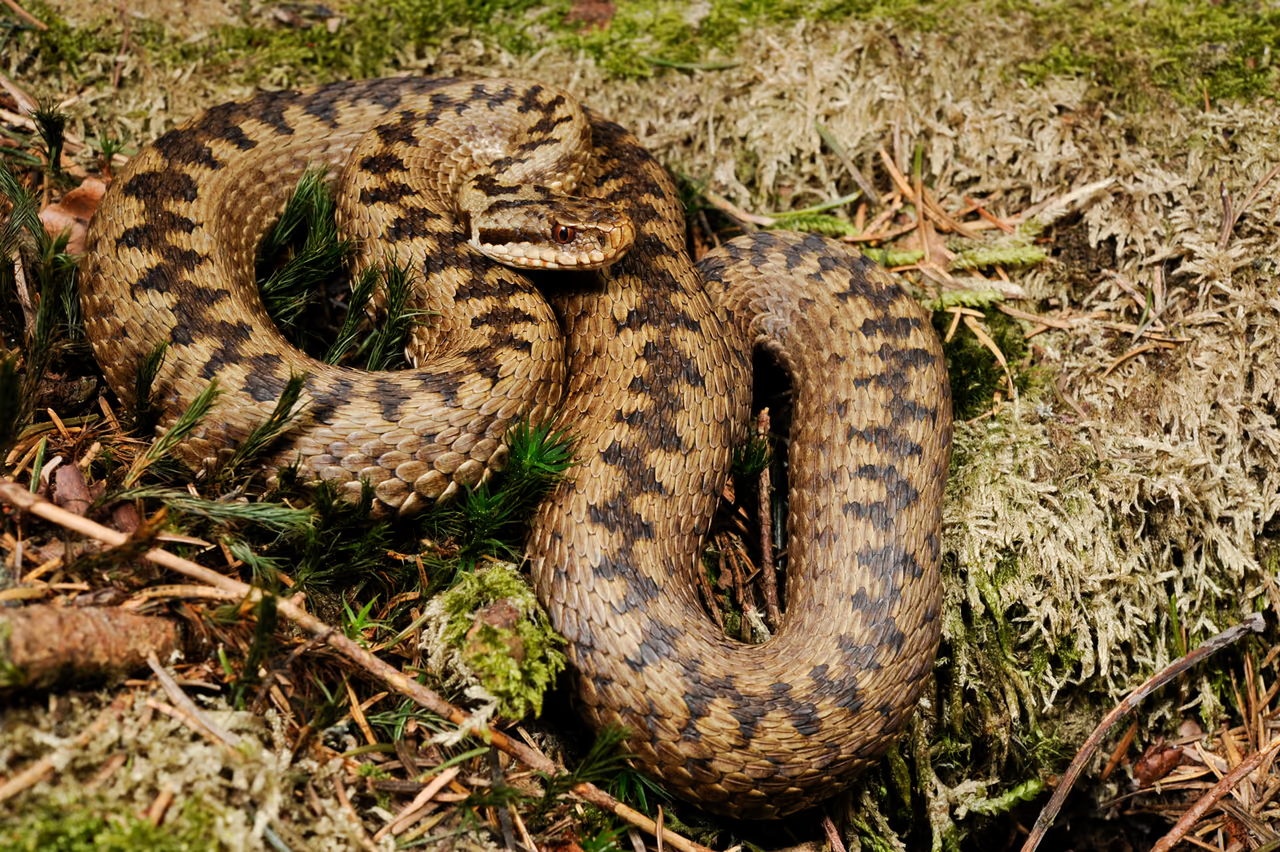
Vipera berus
The only venomous snake in Czechia; it is known by the dark zigzag along its back. It is shy and will take flight rather than strike. Keep to the track, wear stout footwear, and put no hand into the grass or under stones. If you are bitten, call 155.
Foto: Benny Trapp, Wikimedia Commons, CC BY 3.0The photographs of individual species are taken from Wikimedia Commons (author and licence given with the photo) – they show the species, not a particular plant or animal from Poskla.
The variety of Poskla is no accident. It reflects how each of the three plots was treated – and when that stopped.
Water and bedrock
The slope below the summit of Poskla stands on the Godula Palaeogene flysch – alternating sandstones and clayey beds laid down here by an ancient sea. The clayey beds let no water through. Where the slope is covered by damp colluvium, the water stays in the soil permanently. Depending on how waterlogged it is, either a wet meadow or a peat bog itself grew out of it.
A little higher, below the crest of a low ridge of resistant sandstone, it is the other way round: shallow, dry, stony colluvium that holds neither water nor nutrients for long. The soil is acid and poor, and that is exactly where juniper grows with heather and bilberry.
Three different worlds meet on one hillside, and that is worth protecting.
The end of farming
The wet meadow (Poskla I) was mown once a year until the early 1970s. The peaty meadow (Poskla II) gave fodder for livestock until the 1980s. The third plot was the association's pasture until the late 1960s and then lay fallow.
Once the farming stopped, the plots began to grow over with self-seeded growth. Conservationists had to come and clear it from 1976 onwards, twelve years before the site was even declared. Without that work the three worlds of Poskla would have met the same fate as the pastures below Tanečnice.
Care returns
Since 1994 all three plots have been managed continuously: self-seeded growth is removed and the meadows are mown at the end of summer. The late mowing is deliberate – it gives the plants time to flower and set seed.
Sheep grazing has also returned to the juniper slope after decades. Grazing keeps the turf short, which is where juniper and heather hold their own and self-seeded growth has no chance. It is a return to what people did here for generations, only with a different aim: once it was about hay, fodder and meat, now it is about the meadow staying a meadow and the slope a slope.
Even so, something has not come back. Round-leaved sundew and common lousewort were last recorded at the site in the mid-1990s, and their presence has not been confirmed since. Poskla is not alone in losing the sundew – nearby Kudlačena lost it too. In the meadows of Pod Juráškou, though, mowing and the return of sheep grazing are bringing it back, according to those who manage the site.
Timeline
until the late 1960s
The third plot below the summit of Poskla is the village pasture. Juniper survives on it precisely because livestock will not graze it – the needles prick.
until the early 1970s
The wet meadow (Poskla I) is mown once a year. The gladiolus and the orchids are a by-product of that farming.
1976
Conservationists start coming to the plots to clear self-seeded woody growth – twelve years before the site is declared.
until the 1980s
The peaty meadow (Poskla II) gives fodder for livestock. Then the farming ends here too.
1988
A decree of Okresní národní výbor Vsetín of 21 December 1988 creates the protected natural formation Poskla – today a nature monument (ÚSOP code 1520).
mid-1990s
Round-leaved sundew and common lousewort are recorded in the peat bog for the last time. Their presence has not been confirmed since.
1994
Regular management of the whole site begins: clearing self-seeded growth and mowing at the end of summer. Those who manage the site report a clearly positive effect on rare and endangered species.
today
Three plots covering 2.45 ha: a wet meadow, a peat bog and a juniper slope. The meadows are mown at the end of summer, and sheep have returned to the former pasture.
Three separate plots on one hillside (576 m a.s.l.) by Hutisko-Solanec – a wet meadow, a peat bog and a juniper slope, each of them different thanks to different bedrock and a different way of farming.
The bedrock decides (moisture, clay), and above all the history of farming – each plot was maintained differently, and that still shows in the species growing on it.
Yes – grazing has returned to the former village pasture (Poskla III). The sheep keep the slope open just as the village livestock once did, so juniper and heather have room and self-seeded growth has no chance.
No. All three plots lie away from the waymarked routes – set out from Hutisko-Solanec on local tracks to the north, about a kilometre up the slope.
No. The orchids are protected by law and two of the three plots are waterlogged as well – keep to the tracks, pick nothing and stay out of the vegetation.
Otázka 1 z 6
 Rysík→
A few quizzes and I get glasses, and I will feel properly educated.
Your rank: Homebody. You do not have a single stamp yet. Visit any place and become a Pilgrim.
You can experience the Beskids and Moravian Wallachia with Rysík and without him. Rysík would love to be there for it. Whether you take him along and take on the challenges with him is up to you.
You can find your favourite places in your account. On the Walking routes page you can use them to filter routes.
Suggest a more accurate wording.