Why come here
Gladioli by the dozen, sometimes a carpet
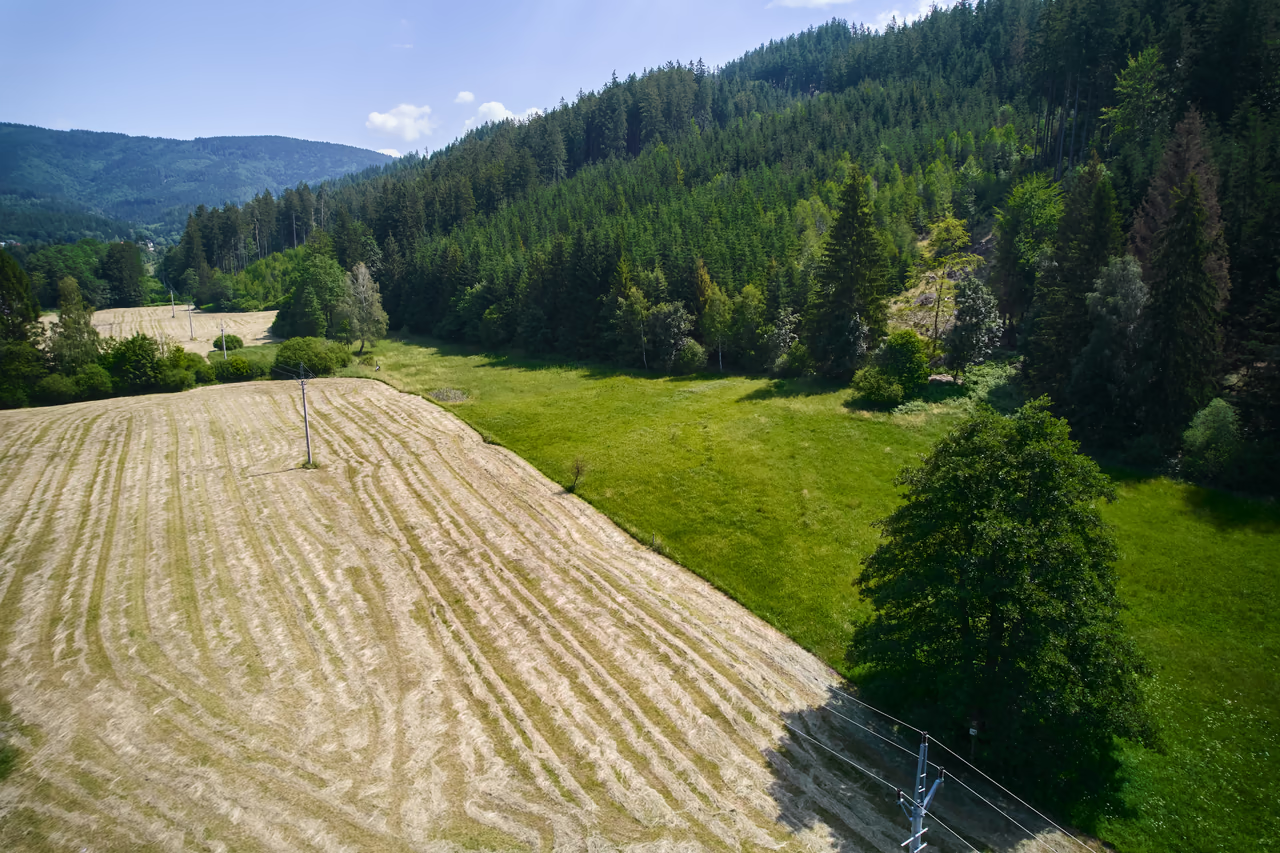
The Turkish marsh gladiolus once grew on every wet meadow in Wallachia; today it is rare and protected. At Pod Juráškou dozens still flower, and in some years a whole purple carpet.
Nature monument • Horní Bečva • 510–520 m a.s.l.
The meadow its own protection almost killed.
By the road from Prostřední Bečva to Pustevny, in the valley of the Kněhyně brook, lies a hectare of deeply waterlogged peat meadow. It has been protected since 1952 for the carnivorous round-leaved sundew, which then had its only known site in the Bečva valley here. Paradoxically, the protection destroyed what it was meant to protect – the meadow began to grow over and the sundew vanished from it. Only the return of mowing and grazing has, according to those who care for the site, been bringing it back in recent years.

Why come here
The Turkish marsh gladiolus once grew on every wet meadow in Wallachia; today it is rare and protected. At Pod Juráškou dozens still flower, and in some years a whole purple carpet.
When to come
That is when the gladioli and the orchids flower at once – the meadow is at its finest. The marsh helleborine joins in through July.
What to know
The meadow lies a short way from the road, off the waymarked routes. It is a waterlogged wetland – look from the edge.
The reserve was created for a single plant. It took decades before what really keeps it on the meadow became clear.
Why it came about
The Pod Juráškou meadow lies on the floor of the valley of the Kněhyně brook, below the steep wooded slope of the hill Juráška (also Kotelnice), which it is named after. The bedrock is heavy gley clay that lets no water through – and so a permanently waterlogged peat meadow forms here.
During the war and for a few years after it the wetland was full of plants that were disappearing elsewhere. The rarest of them was the round-leaved sundew, a small carnivore that catches insects with its sticky leaves. In 1952 it had its only known site in the whole Bečva valley here – and the place was declared protected for precisely that reason.
But the sundew and the gladiolus did not grow here in spite of people; they grew here because of them. Mowing and grazing had held the wet meadow for generations; that poor, open, trampled ground was exactly what plants like these need. It only became clear once the people had gone.
Protection that smothered
After protection was declared, something happened that sounds like a paradox today: the state nature protection service banned grazing here, so that animals would not trample the rare species. The meadow stopped being grazed and properly mown, and was left to lie fallow. Together with the drainage of the surrounding land that set off exactly what the protection was meant to prevent. Tall herbs took the meadow over, self-seeded trees began to grow across it and the variety drained away – including the rarest species. The sundew, for which the whole protection had been created, vanished from the meadow entirely.
How it went wrong
1952
The protected site is declared for the round-leaved sundew – its only site in the Bečva valley.
after the declaration
Grazing is banned out of concern for the rare species, and mowing ceases. The land is left to lie fallow.
drainage of the surroundings
Drainage works on the neighbouring land lower the water table. The wetland begins to dry out.
succession
Tall herbs and self-seeded trees take the meadow over. Low, light-loving species have no chance.
mid-1990s
The round-leaved sundew is gone from the meadow – the very plant everything was being protected for.
Hands and hooves return
Since the 1990s it has been turning round. The protected site is mown regularly again and self-seeded growth is cleared from it; several pools were dug for amphibians to breed in. The meadow got back what people had given it for generations.
In recent years sheep grazing has been added, brought back by the ČSOP Salamandr association – the same one that cares for the meadow. We now know that the old ban on grazing was a mistake. Many plants cannot do without broken ground – a seed will not take hold in a closed turf.
Slowly, then, what the protected site was created for is coming back too. The round-leaved sundew, missing for decades, is starting to appear again according to those who care for the site. A similar fate – a wetland all but destroyed by drainage and the end of farming – met nearby Kudlačena and the nature monument Poskla. On both the sundew disappeared entirely and has not come back so far.
The tenants of a wet meadow
The Pod Juráškou meadow belongs to the Calthion alliance of wet meadows. Beside the gladiolus and the orchids a whole wetland community grows here – marsh marigold, meadowsweet, ragged robin, cottongrass. The sundew at the end of the row shows how fragile that balance is – and that a lost plant can come back.
A flowering wet meadow of the Calthion alliance – in flower from May into early summer. The orchids are protected by law: do not pick them, do not dig them up and do not tread into the vegetation.
What you will meet here
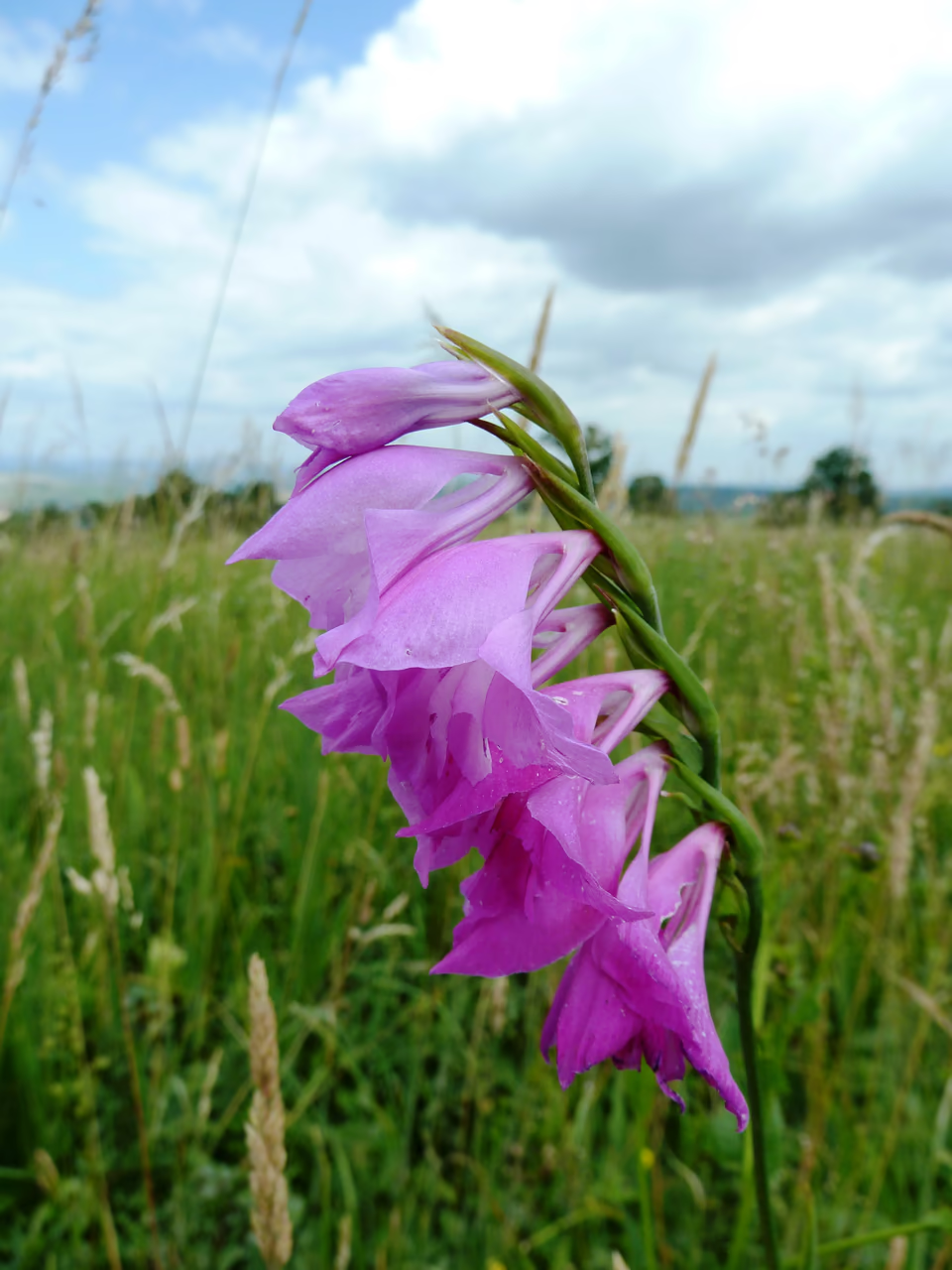
Gladiolus imbricatus
The gladiolus has the most striking flower spike on the meadow – purple, on a slender stem. Dozens flower here in early summer, and a whole carpet in a good year. Outside the protected meadows you will hardly meet it around.
Foto: Dr. Killer, Wikimedia Commons, CC BY-SA 3.0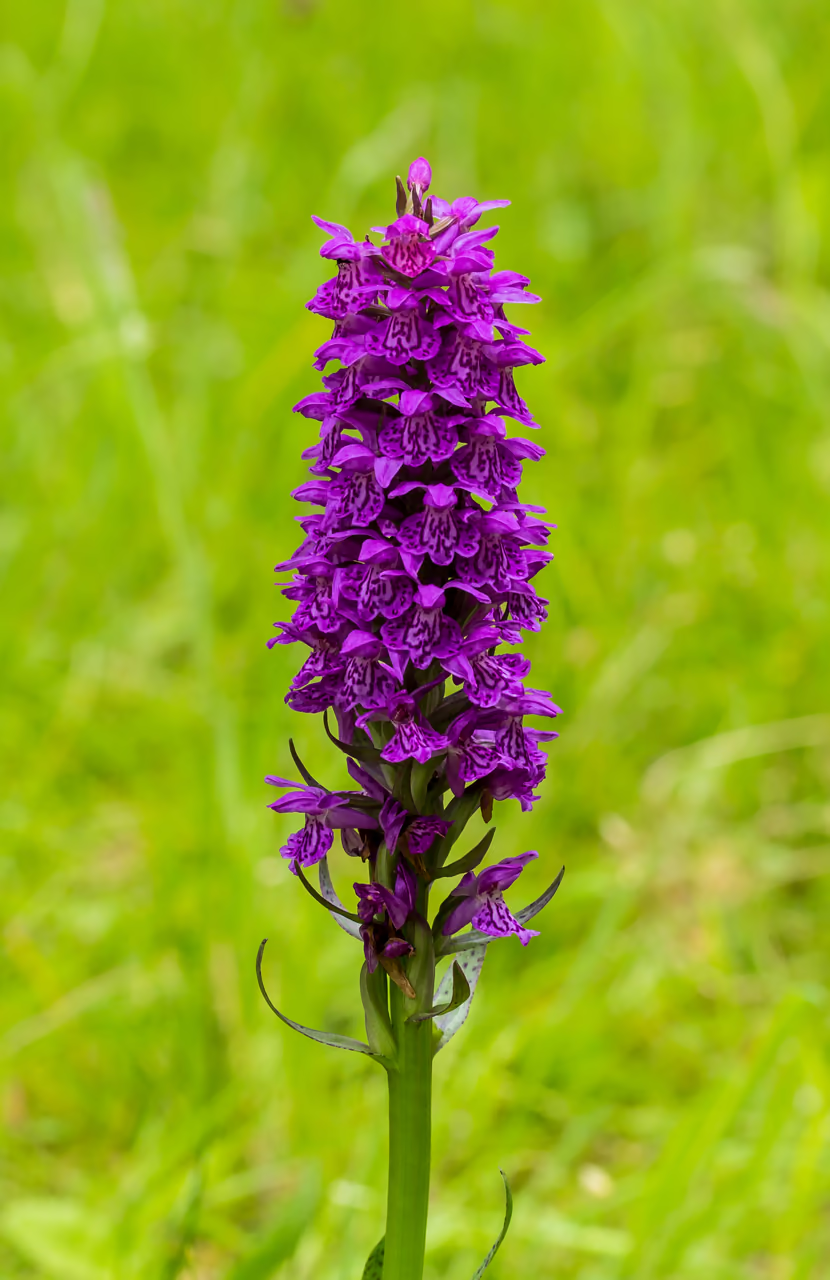
Dactylorhiza maculata subsp. transsilvanica
Pod Juráškou is one of the few sites of this subspecies still recorded in the whole country. It has a pale pink spike with spotted leaves and flowers in June.
Foto: Dominicus Johannes Bergsma, Wikimedia Commons, CC BY-SA 4.0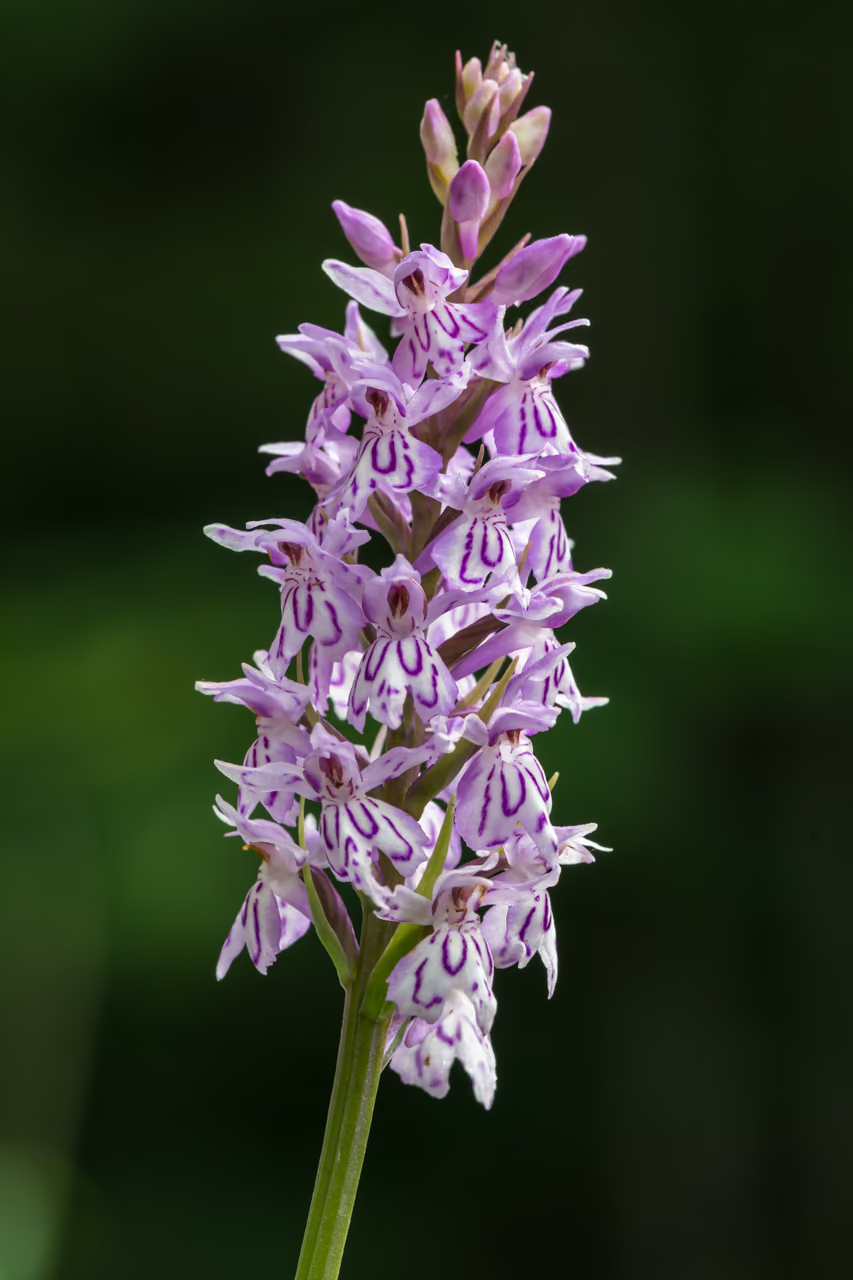
Dactylorhiza fuchsii
The commonest orchid here – a pale pink spike with darker markings on the lip, and leaves usually spotted. It flowers in June.
Foto: Uoaei1, Wikimedia Commons, CC BY-SA 4.0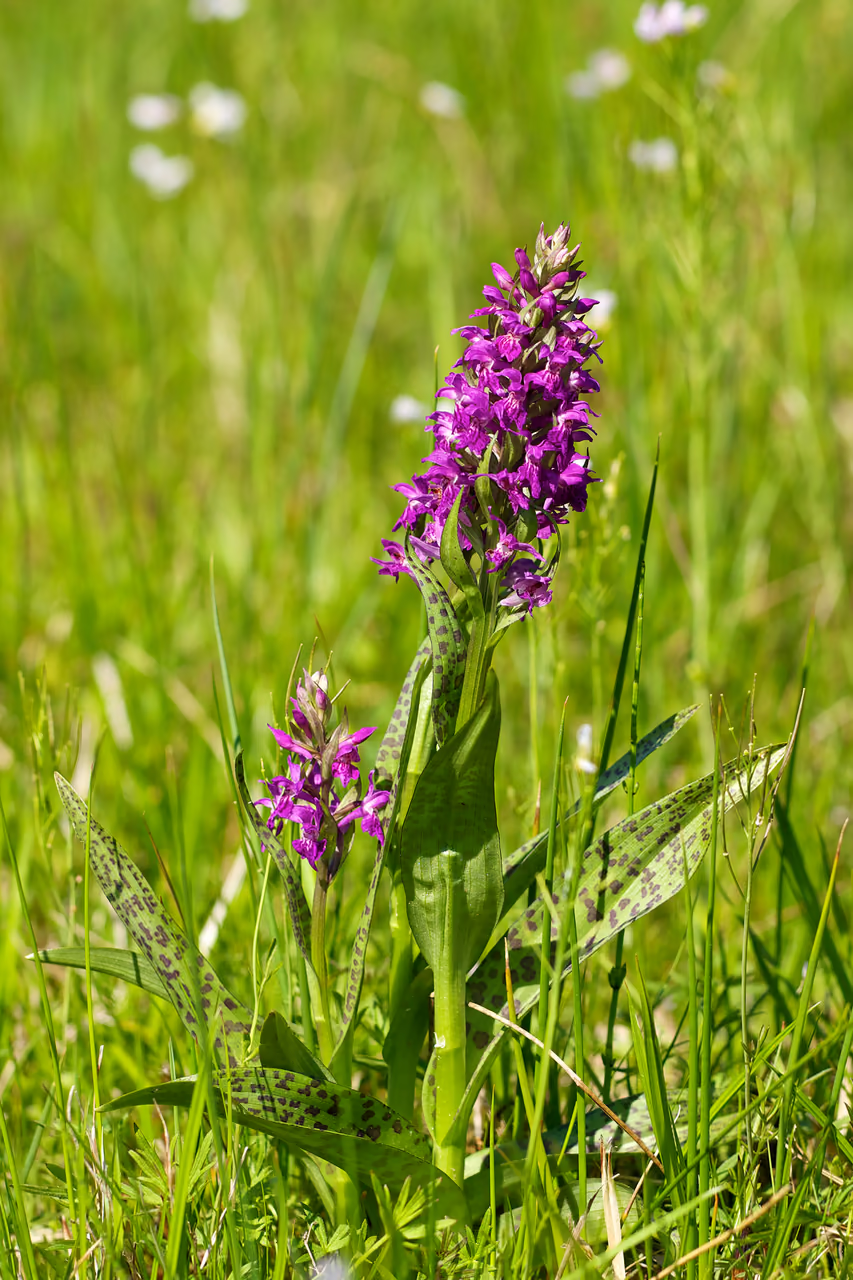
Dactylorhiza majalis
This orchid has a dense, deep purple spike and darkly spotted leaves. It flowers from May – come in May and June for the best chance of catching it.
Foto: Jörg Hempel, Wikimedia Commons, CC BY-SA 3.0 DE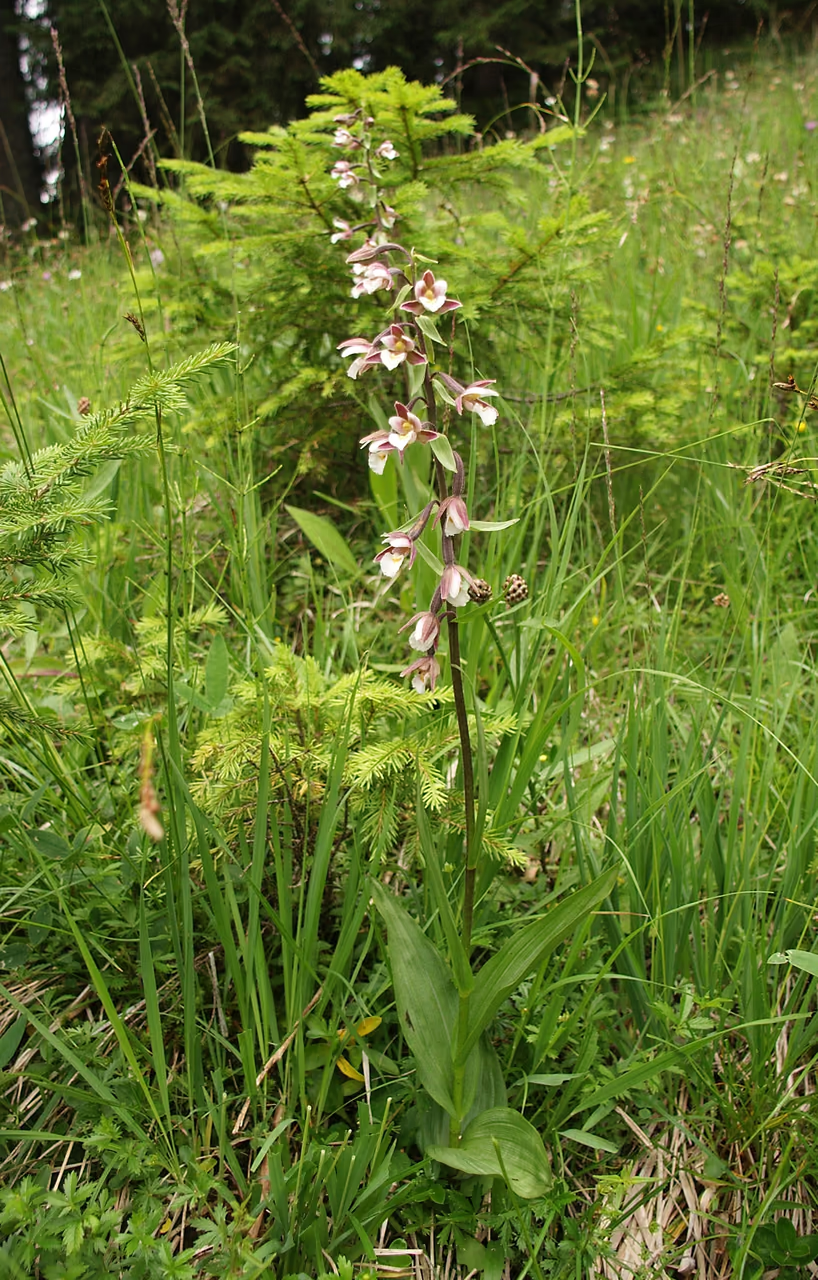
Epipactis palustris
The helleborine is an orchid of wetlands with white and pink flowers marked in crimson. It flowers in June and July, so rather later than the others, and grows right in the waterlogged ground.
Foto: Bernd Haynold, Wikimedia Commons, CC BY-SA 3.0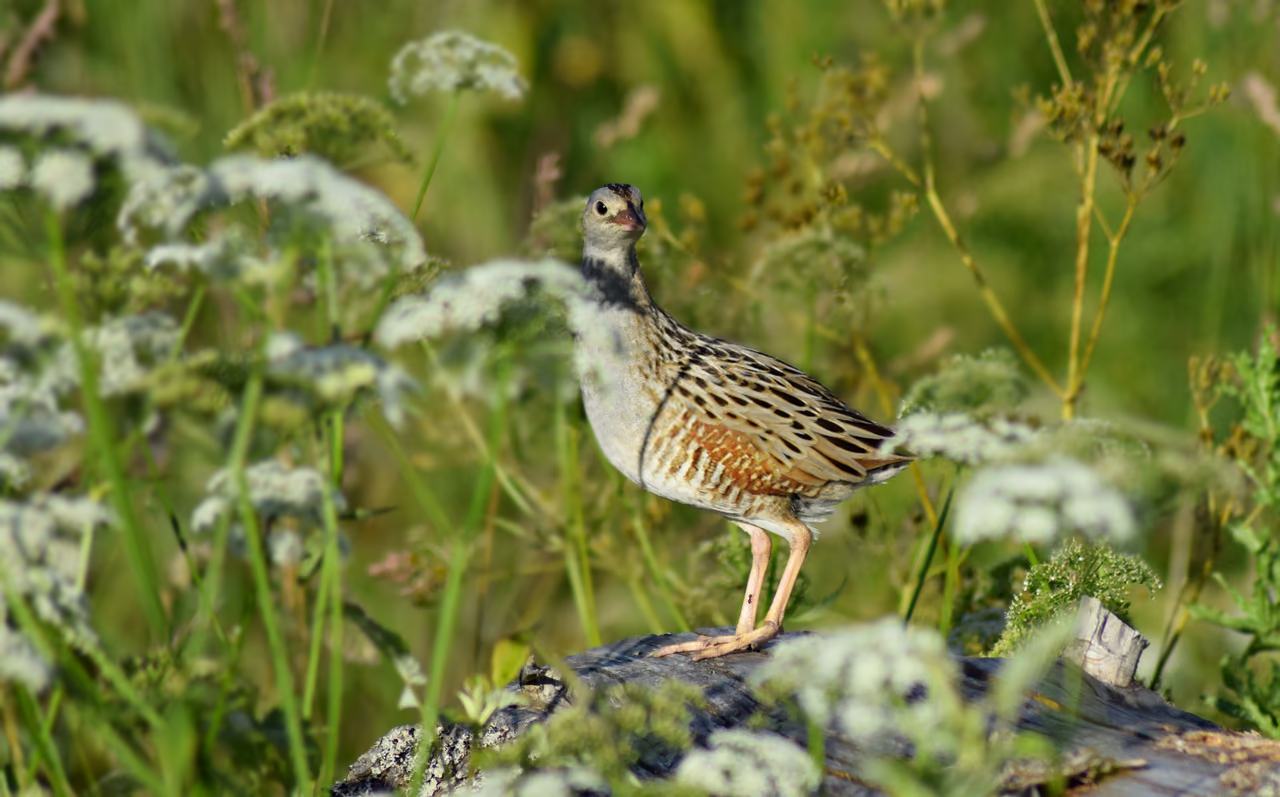
Crex crex
An endangered bird of wet meadows that you hear but almost never see – at dusk the male rasps out a persistent “crek-crek”. It survives only where the mowing is late and careful.
Foto: Triinupohlak, Wikimedia Commons, CC BY-SA 4.0The wettest corners and the dug pools. The balance is fragile: it only has to grow drier and a species that was common here is gone – as the fate of the sundew shows.
What you will meet here
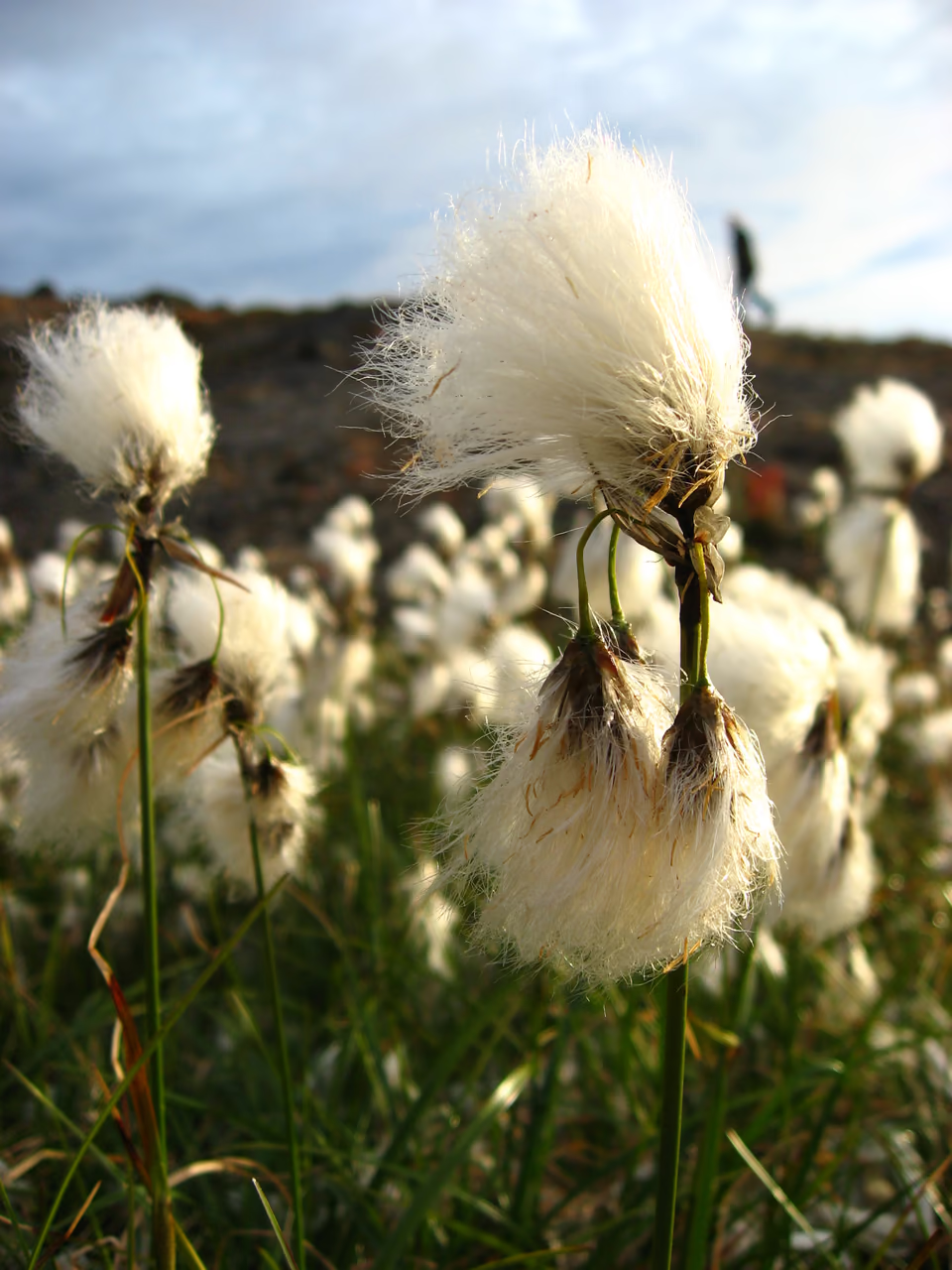
Eriophorum angustifolium
You will know it from a distance by the white tufts that look in summer like snow in the grass. It grows in permanently wet places – a reliable sign that the peat still works.
Foto: Kim Hansen, Wikimedia Commons, CC BY-SA 3.0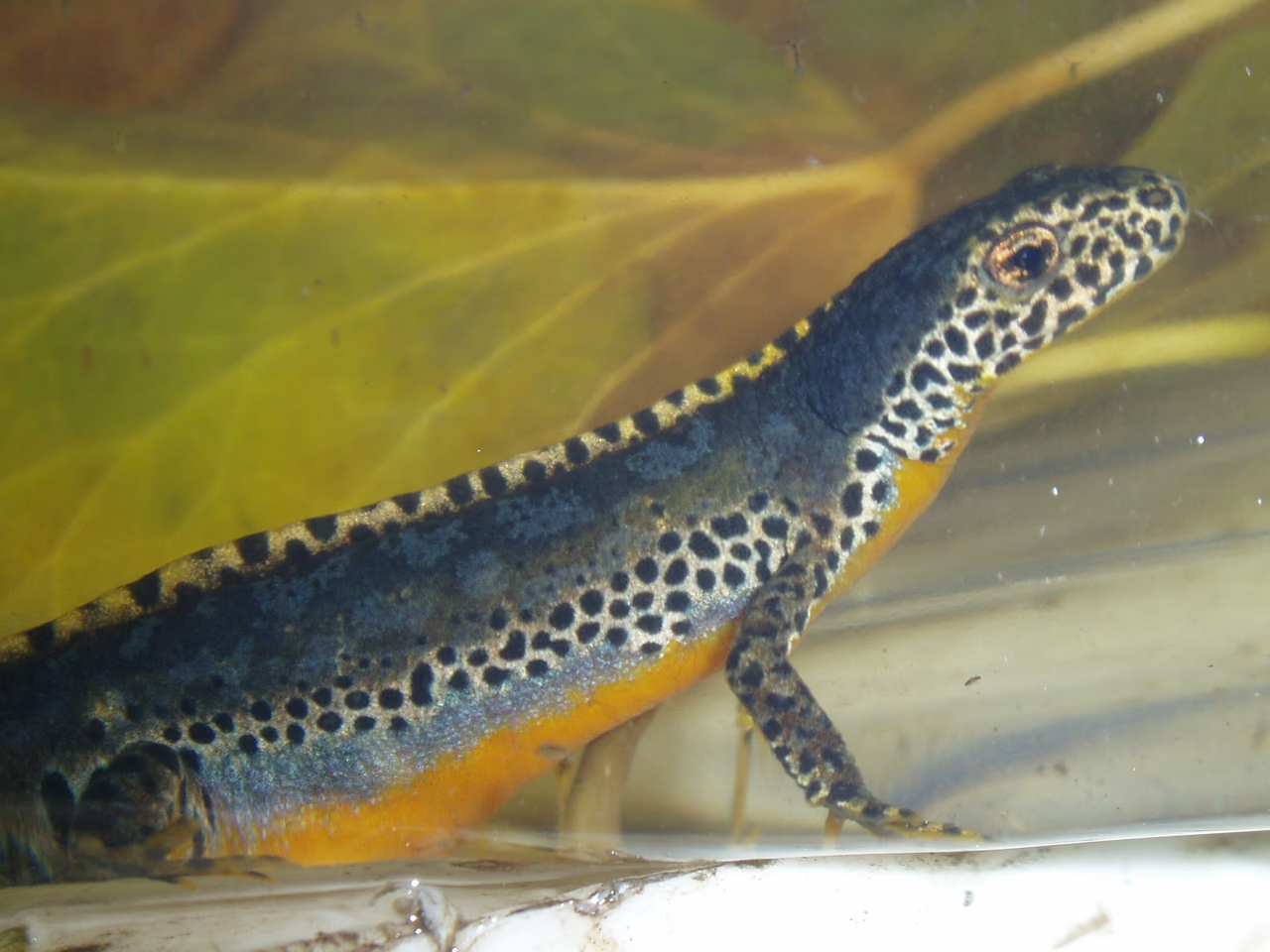
Ichthyosaura alpestris
In spring it is in the pools – in the breeding season the male has blue flanks and a bright orange belly. The rest of the year it hides on land under stones and wood. The pools were dug for its sake.
Foto: Anevrisme, Wikimedia Commons, CC BY-SA 3.0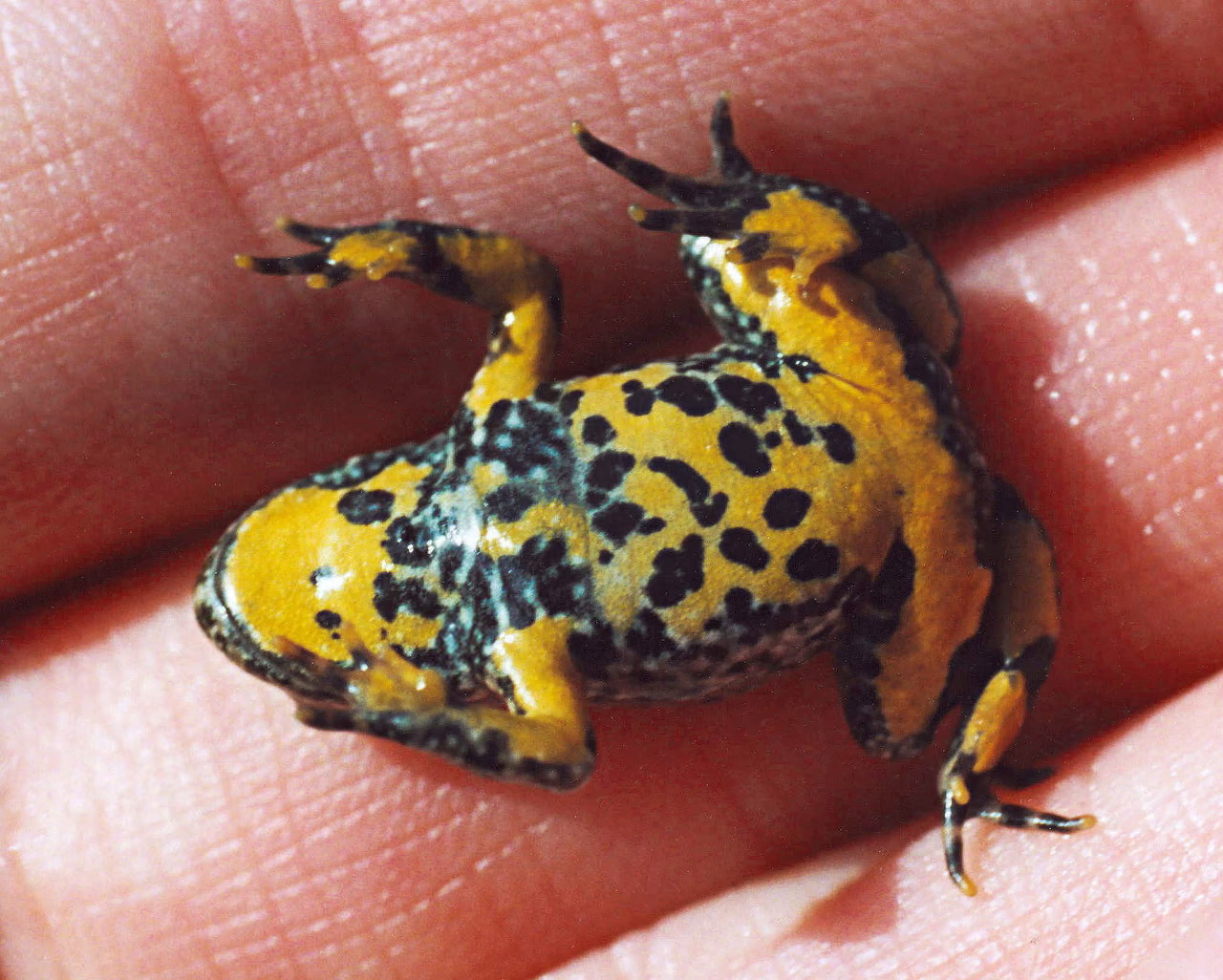
Bombina variegata
A small toad of shallow pools. You are more likely to know it by its voice – a quiet “unk, unk” – and by the yellow and black belly it shows when threatened.
Foto: Christian Fischer, Wikimedia Commons, CC BY-SA 3.0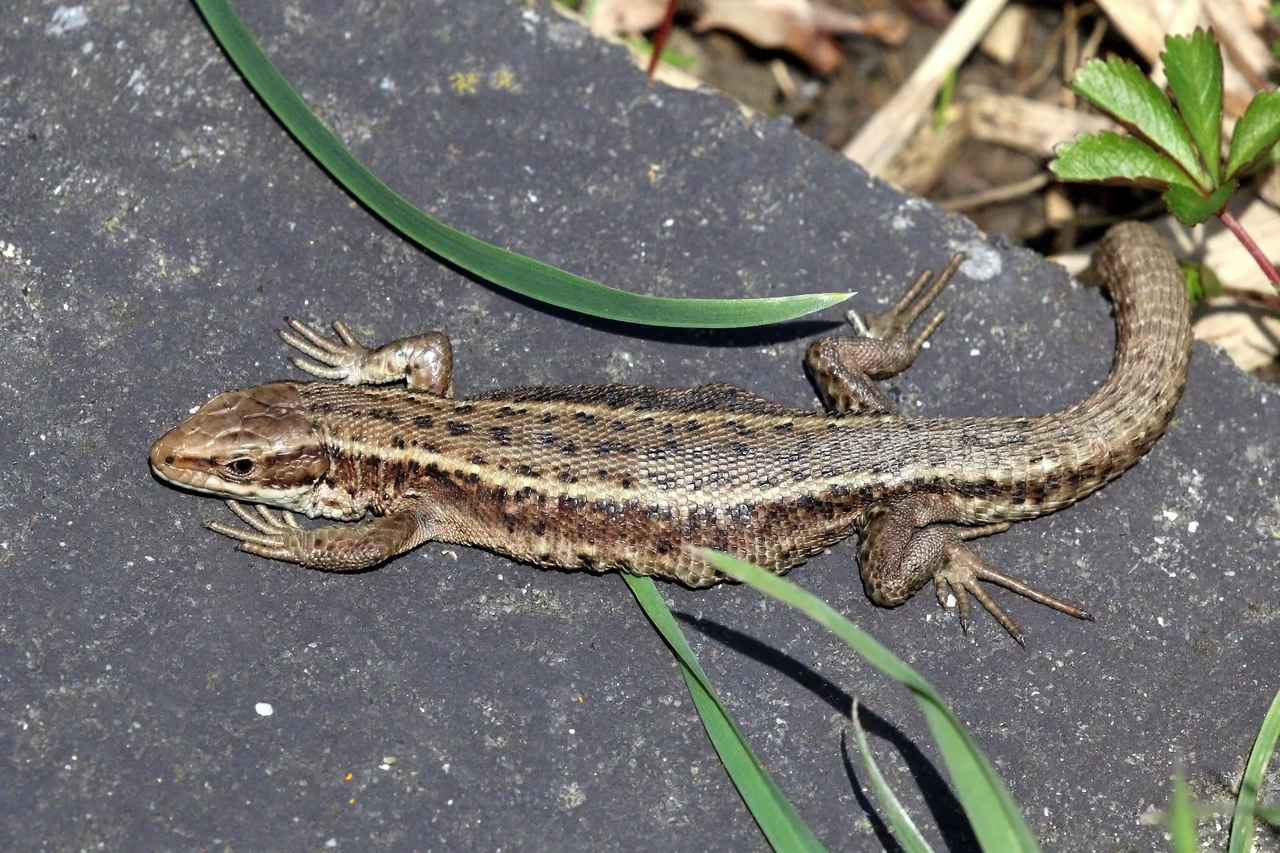
Zootoca vivipara
A small brown lizard you will catch sight of basking at the edge of the meadow. As the name says, it bears live young – an adaptation to colder and damper country.
Foto: Charles J. Sharp, Wikimedia Commons, CC BY-SA 4.0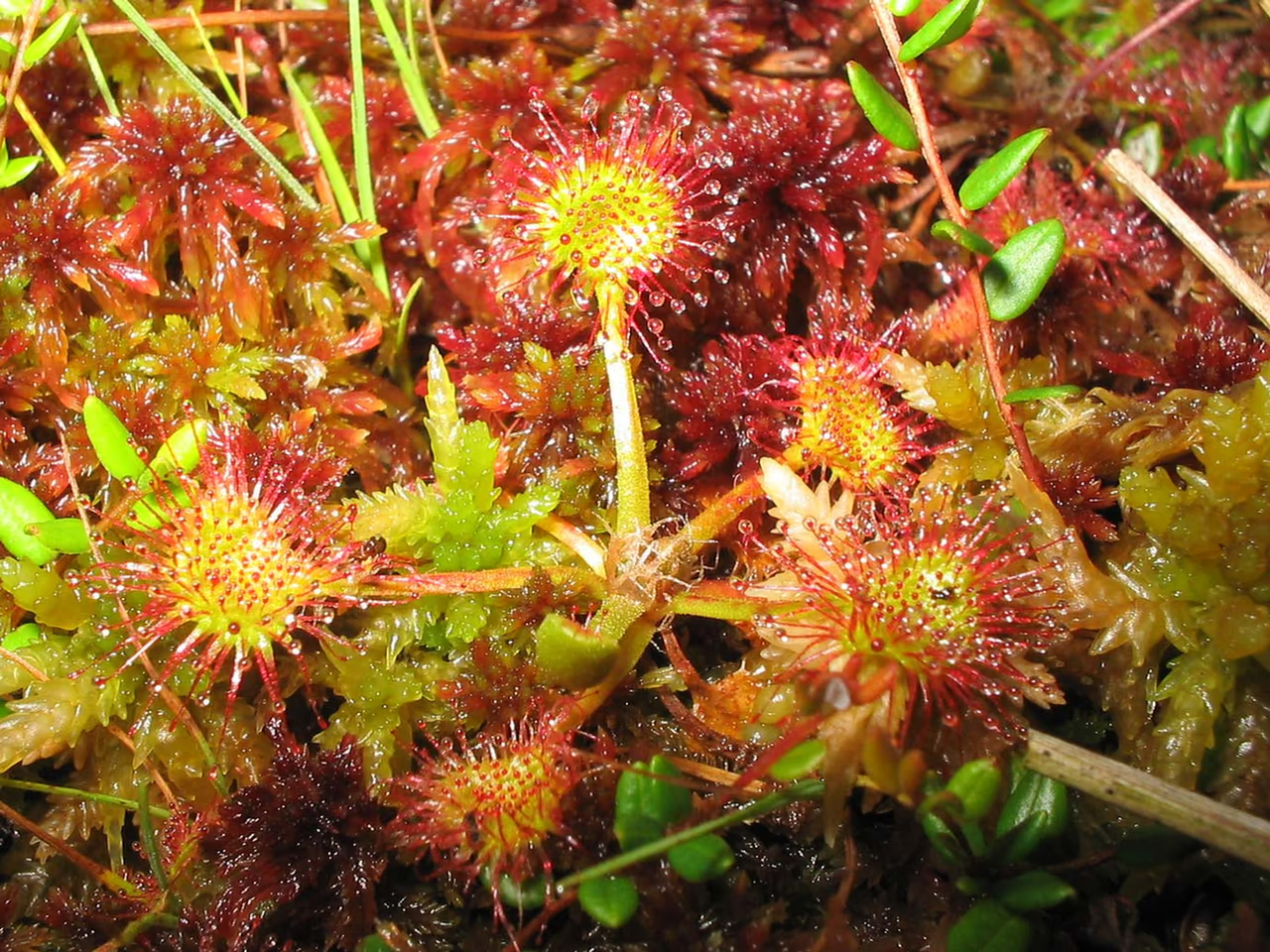 Coming back
Drosera rotundifolia
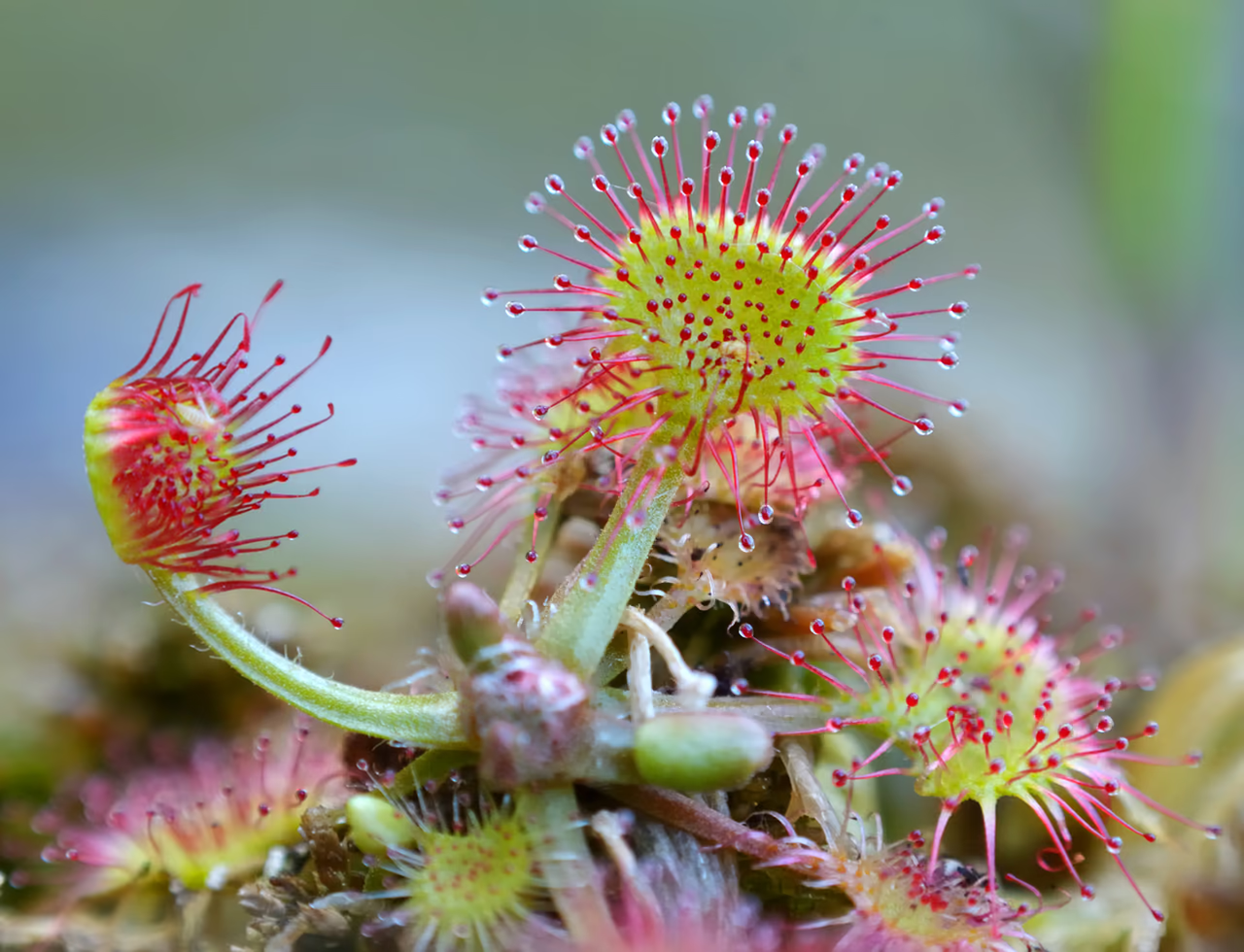
The carnivorous plant the protected site was created for. After decades without grazing and mowing it vanished from the meadow entirely; according to those who care for the site it has been starting to appear again in recent years. Its round leaves carry sticky glandular hairs that catch insects.
Foto: Migas, Wikimedia Commons, CC BY-SA 3.0The photographs of individual species are taken from Wikimedia Commons (author and licence given with the photo) – they show the species, not a particular plant or animal from Pod Juráškou.
Timeline
1952
A decree of 21 January 1952 creates the protected site Pod Juráškou. There is one reason: the round-leaved sundew, which has its only known site in the Bečva valley here.
after the declaration
So that the rare species should not be damaged, grazing is banned and the meadow stops being worked. It is left to lie fallow.
drainage of the surroundings
Drainage works around lower the water table. Together with the end of farming this brings fundamental changes in the vegetation – tall herbs and self-seeded trees move in.
mid-1990s
The plant the protection was created for vanished from the meadow entirely without any intervention.
1988
The site is re-declared (decree of 29 November 1988); today it is listed as a nature monument (ÚSOP code 321).
from the 1990s
The ground is mown regularly again, self-seeded growth is cleared and pools are dug for amphibians.
in recent years
The ČSOP Salamandr association brings sheep grazing back here – their hooves break the ground, which many rare species need. According to those who care for the site, the sundew is starting to appear as well.
today
A hectare of wetland that survives only as long as people mow and graze it. In June carpets of gladioli and orchids flower here.
For the carnivorous round-leaved sundew, which in 1952 had its only known site in the Bečva valley here.
The protection banned grazing out of concern that animals would damage the plants, and the meadow stopped being mown. Together with the drainage of the surroundings this caused it to grow over and dry out – the sundew vanished from the meadow entirely.
Hooves break the ground and open up bare patches where the seeds of rare species can take hold. Without that disturbance many plants have nowhere to spread to.
In June and early July, when the wild gladioli and the orchids flower at once.
Otázka 1 z 5
 Rysík→
A few quizzes and I get glasses, and I will feel properly educated.
Your rank: Homebody. You do not have a single stamp yet. Visit any place and become a Pilgrim.
You can experience the Beskids and Moravian Wallachia with Rysík and without him. Rysík would love to be there for it. Whether you take him along and take on the challenges with him is up to you.
You can find your favourite places in your account. On the Walking routes page you can use them to filter routes.
Suggest a more accurate wording.