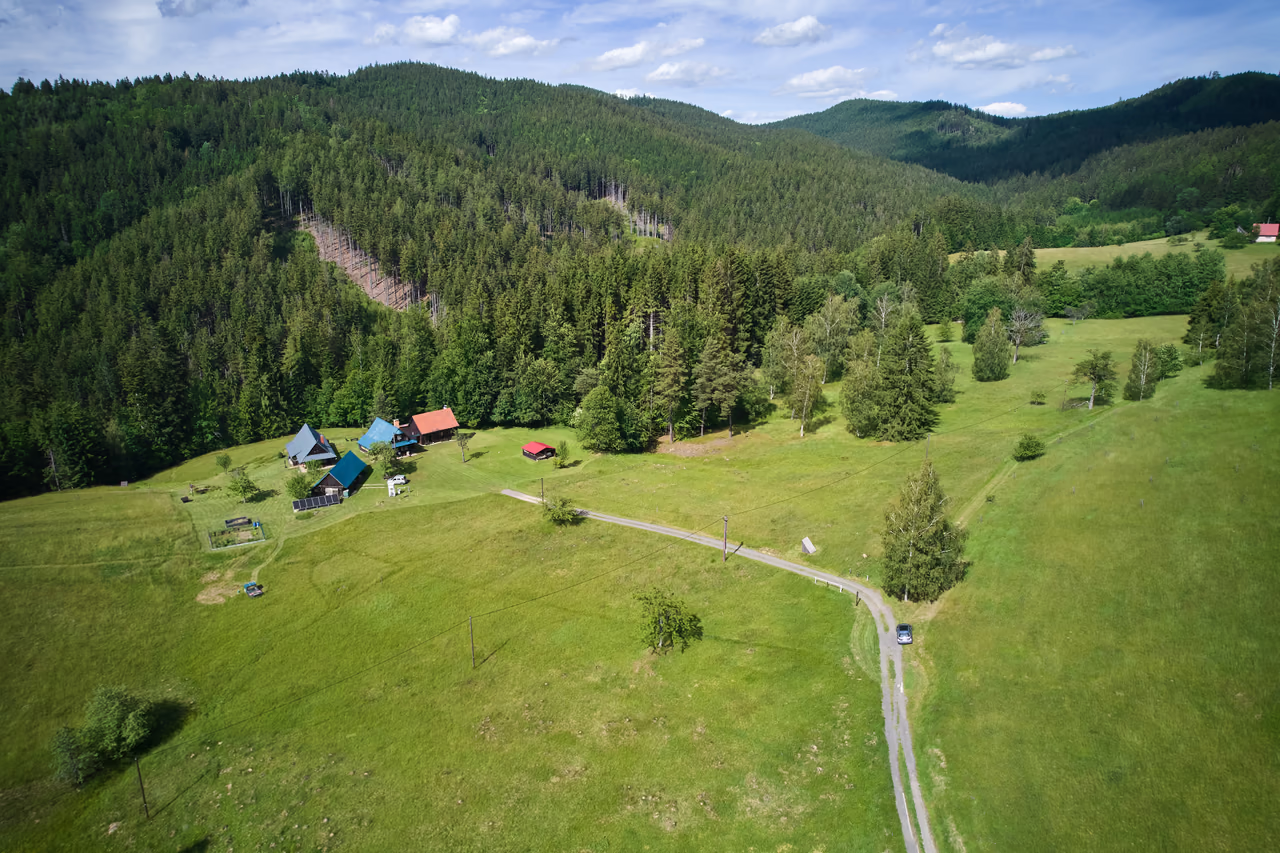
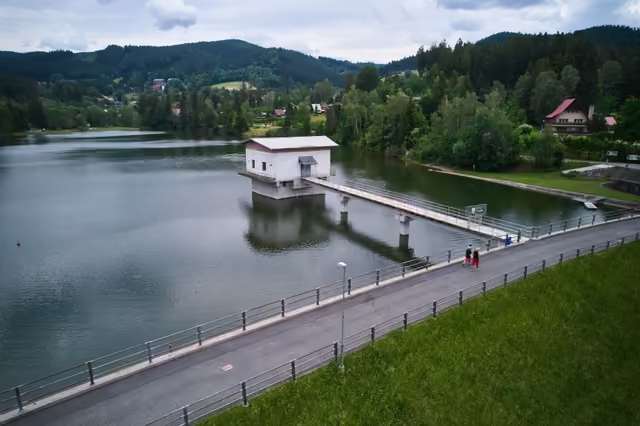
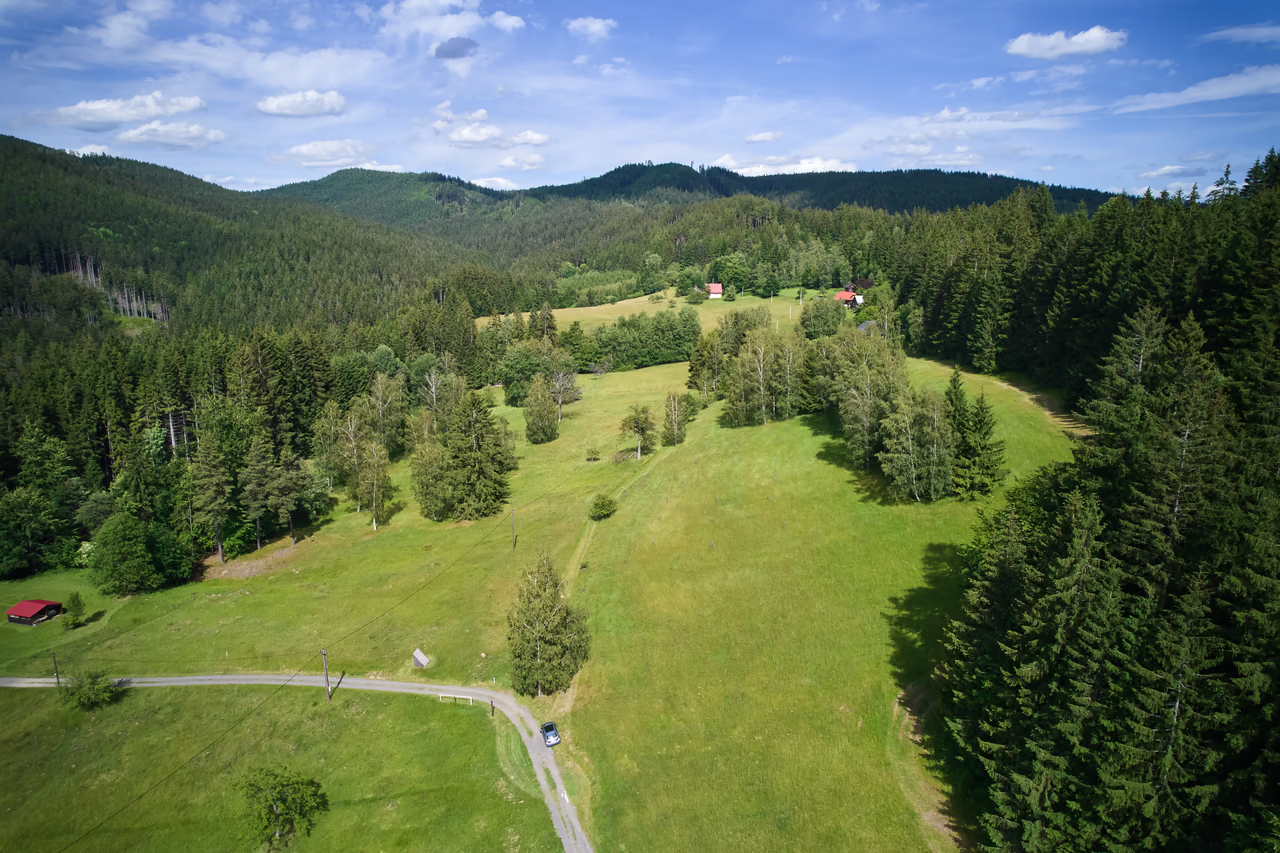
An aerial view of the paseky above Horní Bečva: a few cottages at the edge of wide meadows, spruce forest all around and the wooded ridges of the Beskids

Nature monument • Horní Bečva • 645–685 m a.s.l.

Kudlačena

Paseky on water: the last paseky settlement around a large wetland meadow in the Rožnov area.

A wetland that by the textbook should not be here

A short way above the Horní Bečva dam lies a wet meadow that by the textbook should not be here: peat bogs form in hollows, not on slopes. The water that soaks into Kudlačena cannot get down deep – impermeable clayey beds below the surface hold it, so it seeps only slowly down the slope beneath the surface and keeps the soil permanently wet. In Wallachia a place like this is called a sihla.

The meadow itself is human work: it was made by mowing and grazing. Without them it would close over within a few decades.

An aerial view of a belt of meadows dropping between woods into the valley, with a track and scattered cottages among them
The paseky above Horní Bečva. The meadows between the woods are what centuries of mowing and grazing left behind.

Why come here

To see a wetland of a kind that has grown rare

Waterlogged meadows – sihly – were once common in Wallachia; today Kudlačena is one of the last. And it is they that hold water in the landscape like a sponge: they take it up in rain and let it go slowly in dry weather.

What not to miss

The pools, the orchids and the amphibians

Newts, yellow-bellied toads, salamanders and frogs breed in the pools. Orchids flower on the meadows – marsh helleborine, western marsh orchid, lesser butterfly-orchid and the striking Turkish marsh gladiolus.

When to come

From May to July

In spring you can hear the amphibians, in May and June the orchids flower, in July the gladiolus. This is a wetland, so expect wet underfoot.

Kudlačena - View 1360°
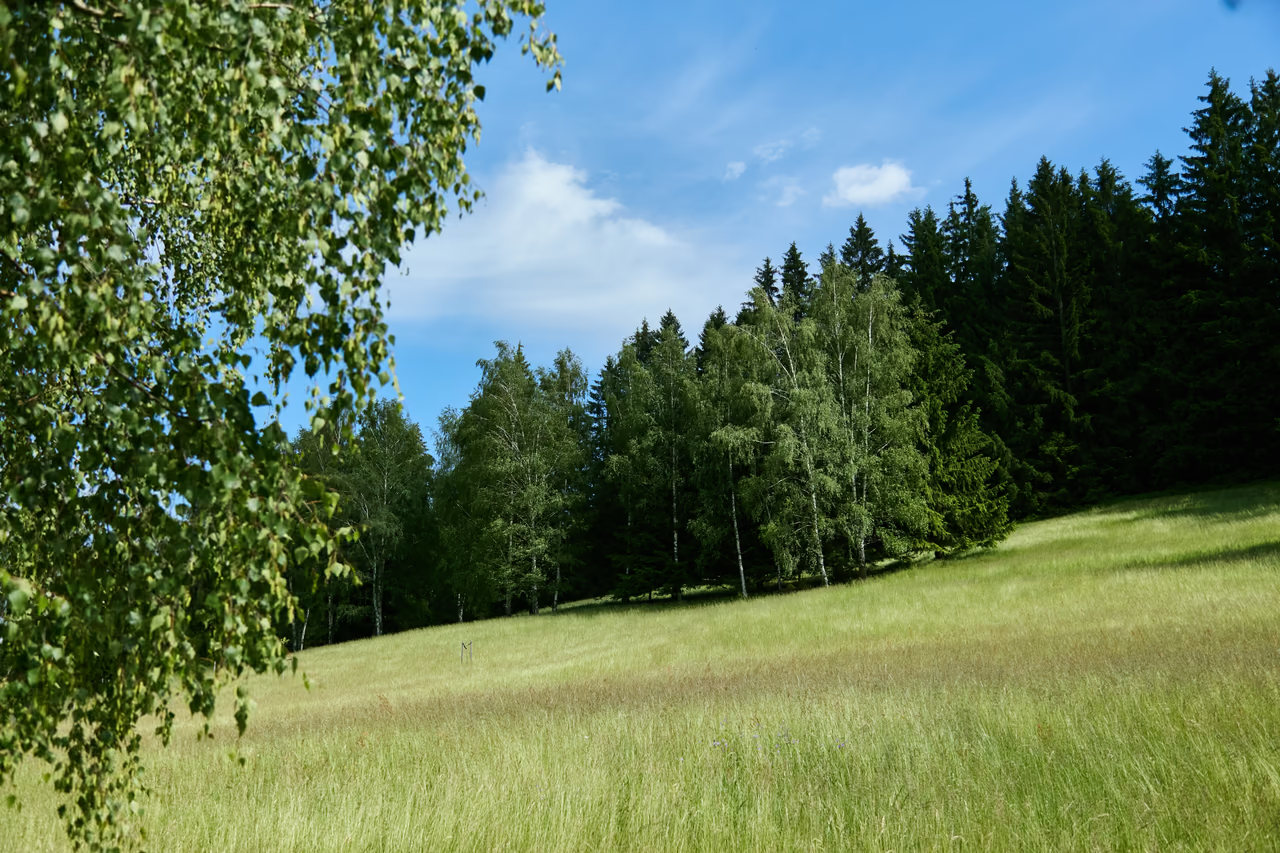
An aerial view of the paseky above Horní Bečva from another angle – cottages at the edge of the meadows, spruce forest around
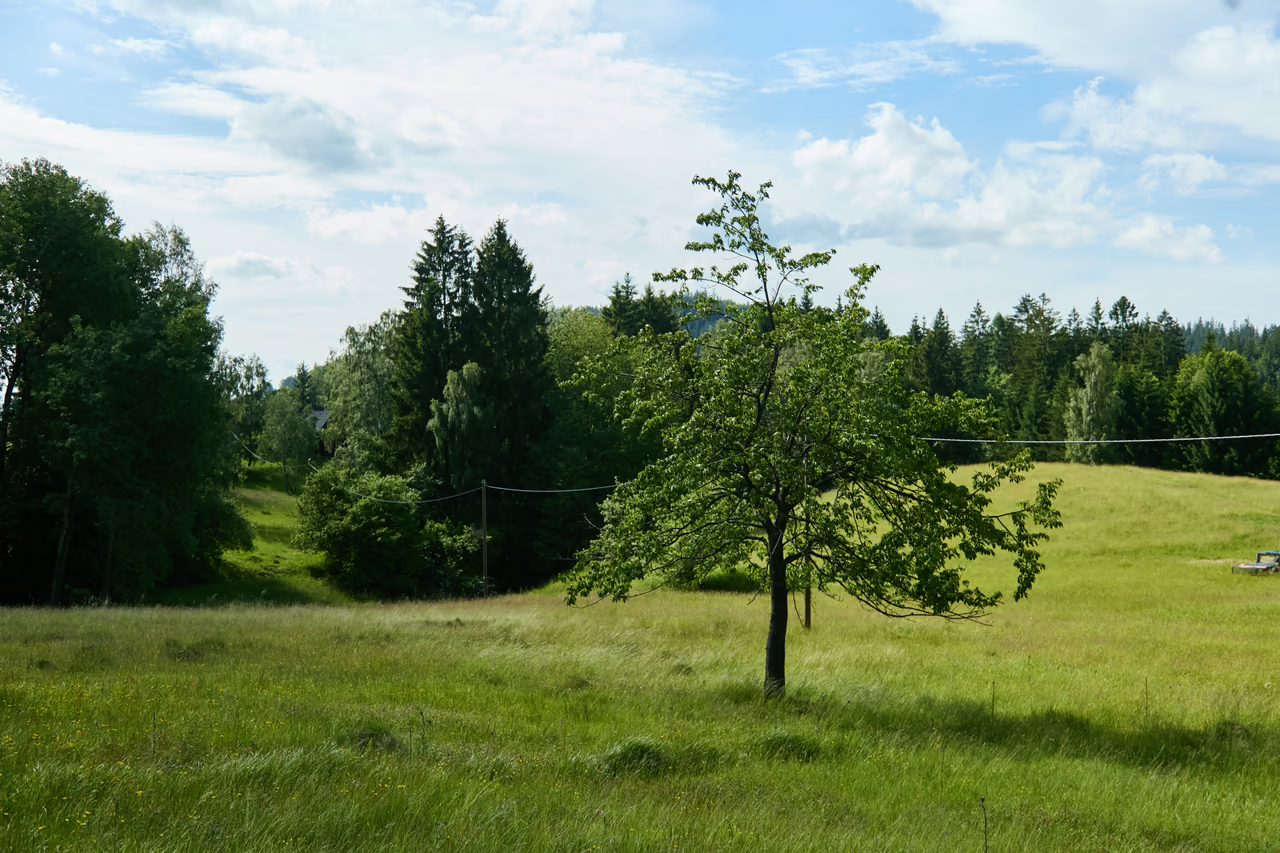
A meadow of tall grass with a single broadleaved tree, the edge of the spruce forest behind
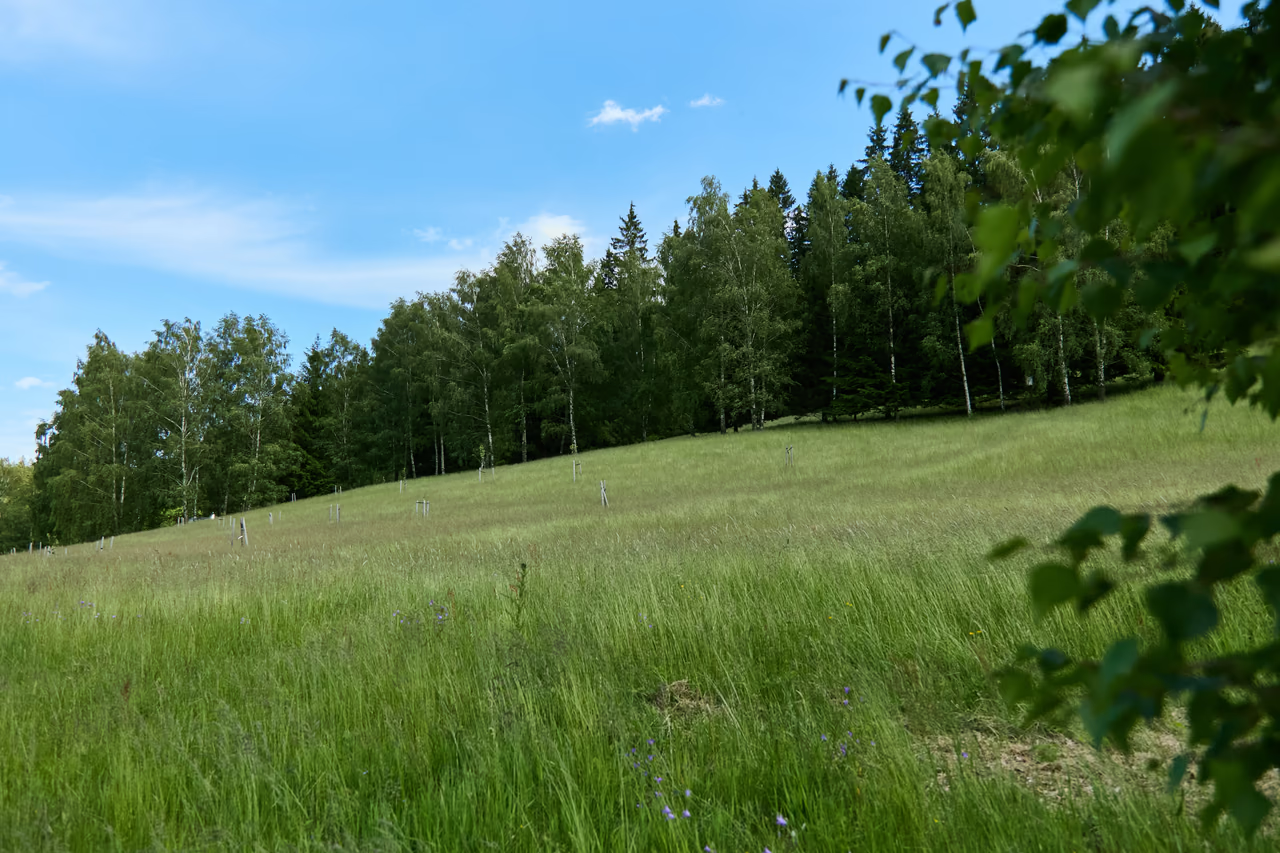
A sloping meadow of tall grass with scattered purple flowers, birches and spruces along the upper edge, birch branches in the foreground

The story of the Kudlačena wetland

The adders and the newts are only the outcome. The story of Kudlačena is about water – and about how many times people tried to get it out of here.

The sihla

A peat bog lying on a slant

Peat normally forms where water has nowhere to run off – in hollows and depressions. Kudlačena lies on a gently inclined north slope above the valley of the Dížená brook, and yet it is peaty. The bedrock is the reason: below the layer of weathered material lie impermeable clayey beds that the water cannot run through. It seeps through the slope, stays in the soil, and in the permanent wet the plants decay only halfway.

A waterlogged meadow like this is called a sihla in Wallachia. There were never many true peat bogs in the Beskids, but there were plenty of sihly – and most of them are gone. Draining began as early as the interwar republic, and what was left was finished off by socialist collective-farm drainage works. Kudlačena is one of the last, and that is exactly why it is protected.

The meadow as such is not natural, though. Farming kept the wood off it – mowing in late summer, or grazing. The plants that bring conservationists here today are used to precisely that regime: a short cycle of mowing, wet ground and no woody plants.

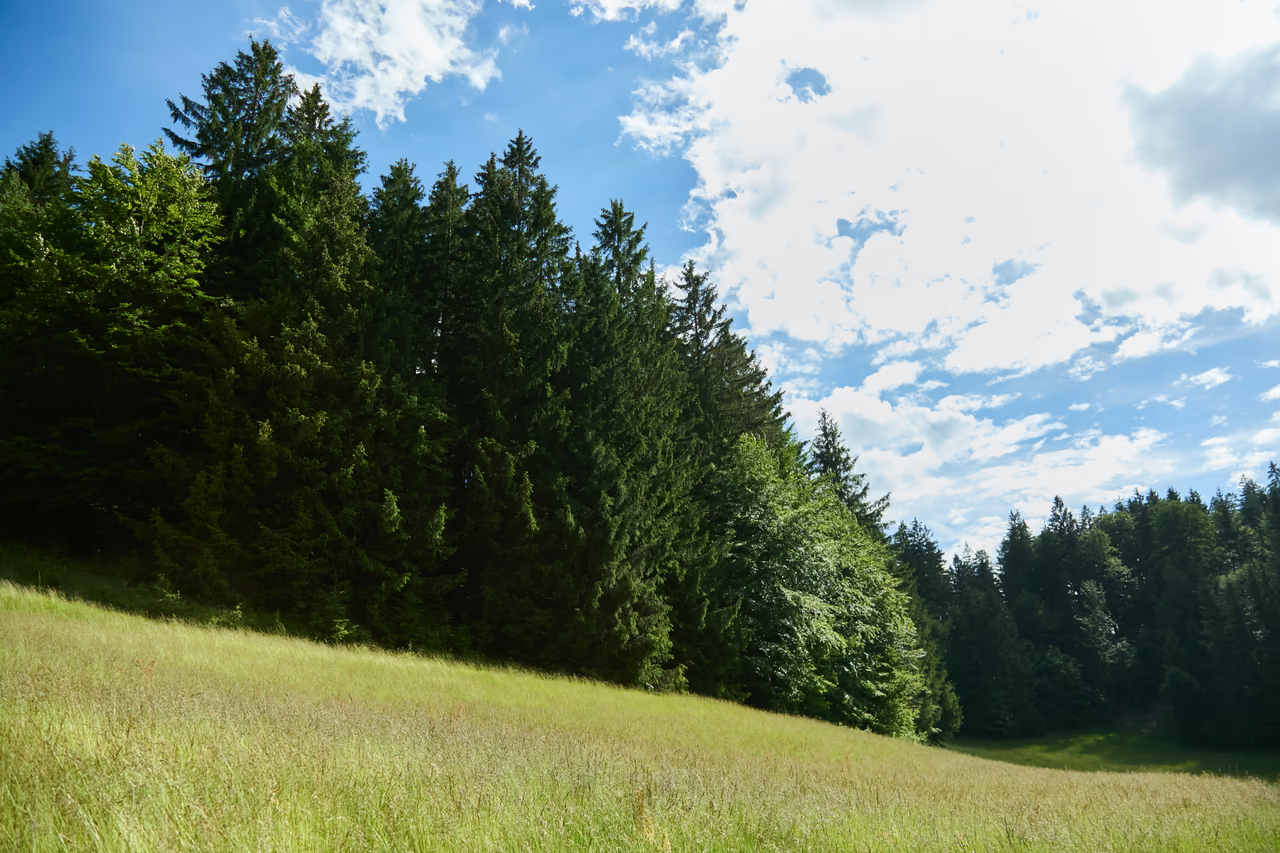
A sloping meadow of tall grass rising to the dense wall of a spruce forest, blue sky with cumulus clouds above
The slope of the meadow below the edge of the spruce forest.

Dryness by design

First the draining, then the end of the mowing

A wet meadow is a problem for a farmer – it mows badly and livestock sink into it. So the farmers laced it with a network of drainage ditches – shallow, hand-dug channels meant to carry the water away.

After 1975 the local JZD took the farming over. It concentrated on the drier ground around – the ditches stopped being maintained, the drainage system fell apart and the unmanaged ground began to grow over with self-seeded growth. Systematic management – mowing and clearing the woody growth – came back only in the nineties. One thing has not come back: round-leaved sundew. This carnivorous plant of peat bogs used to grow here in numbers, but it did not survive the years of growing over, and in recent years it has not been confirmed at Kudlačena.

area of the protected site (56,000 m²)
5.6 ha
the first year of protection
1989
vertebrate species recorded
60+

Care returns

Ten pools, a scythe and one bench

In 1994 conservationists dug about ten small pools here for a purely practical reason: amphibians need standing water to breed, and the drained meadow had stopped offering it. The pools brought it back – newts, yellow-bellied toads and salamanders live in them today.

The rest of the management is dull and endless: mow the grass and clear the self-seeded growth, so that the meadow does not close over. Without it, Kudlačena would be an ordinary waterlogged spruce wood within a few decades, and neither the orchids nor the gladiolus would survive in it.

In 2009 conservationists opened Kudlačena to the public: two information panels about the local nature and history went up, along with a tidied spring and a bench for visitors. Since then it has been a destination for a walk – two hours from Horní Bečva and back, with a detour to a wetland that survived.

Kudlačena is not alone in this. The same story – a wet meadow all but killed by drainage and the end of mowing – is told a few kilometres away by the nature monument Poskla and by the meadow Pod Juráškou. The round-leaved sundew has gone from Kudlačena; at Pod Juráškou, according to those who manage the site, mowing and the return of grazing are bringing it back.

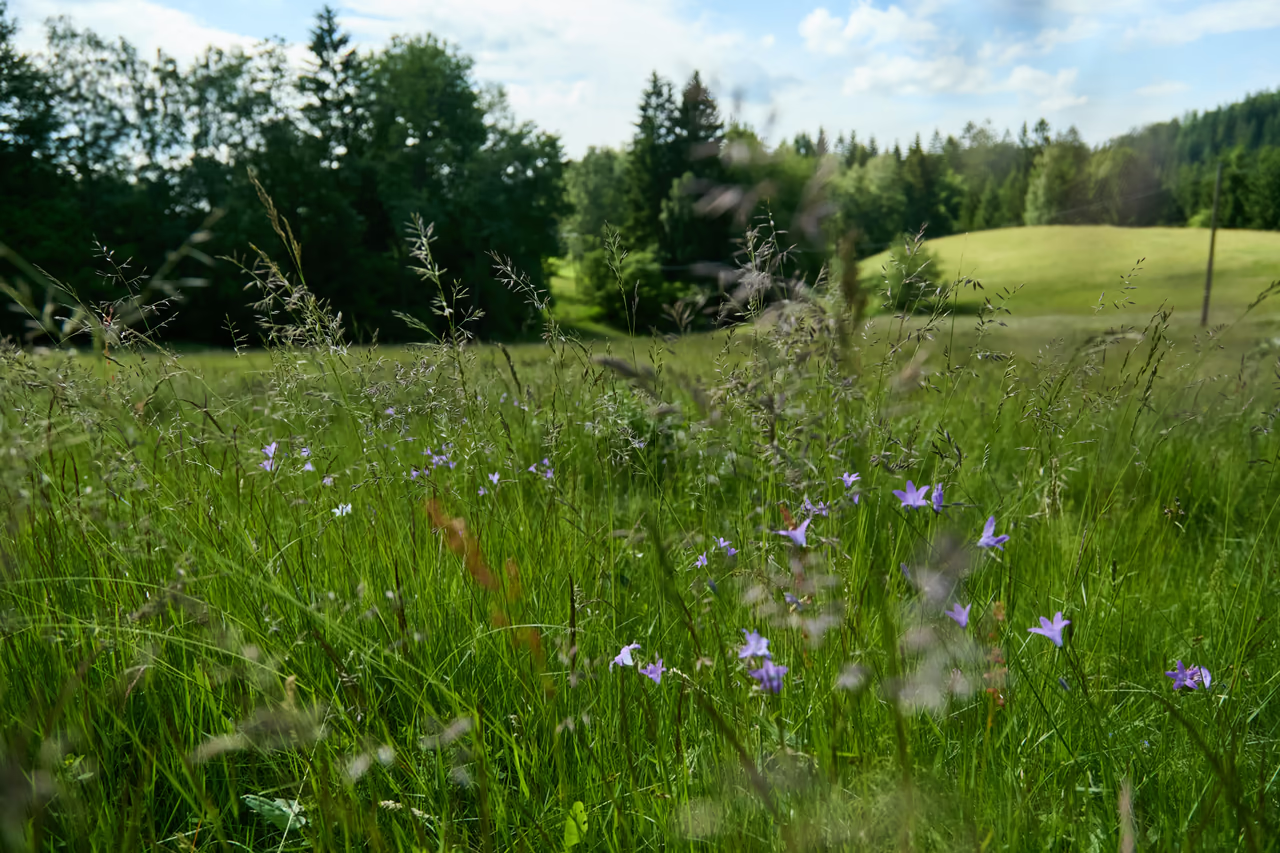
A close view of a meadow in flower – tall grasses and blue-purple bell-shaped flowers, wood and a rising paseka behind
The mown meadow in full flower. This is exactly the point – without regular mowing, self-seeded growth would swallow it.
What grows and lives here

The species are held here by wet ground and regular mowing

Three different environments meet on not quite six hectares – and with them three different sets of species. When a condition changes, the species is the first thing to go: that is exactly what happened here to the sundew.

Kudlačena is not a collection of rarities. It is a few conditions in one place: water held by clay, pools of standing water and dry edges in the sun. Each of them has its own tenants.

Wet ground and peat

The waterlogged ground

Sedge-moss communities on permanently wet soil. Besides the orchids there is marsh marigold, marsh violet, marsh hawk's-beard, common lousewort and sweet flag. The balance is fragile: the soil only has to dry a little and a species that was common here is gone – like the sundew at the end of the row.

What you will meet here

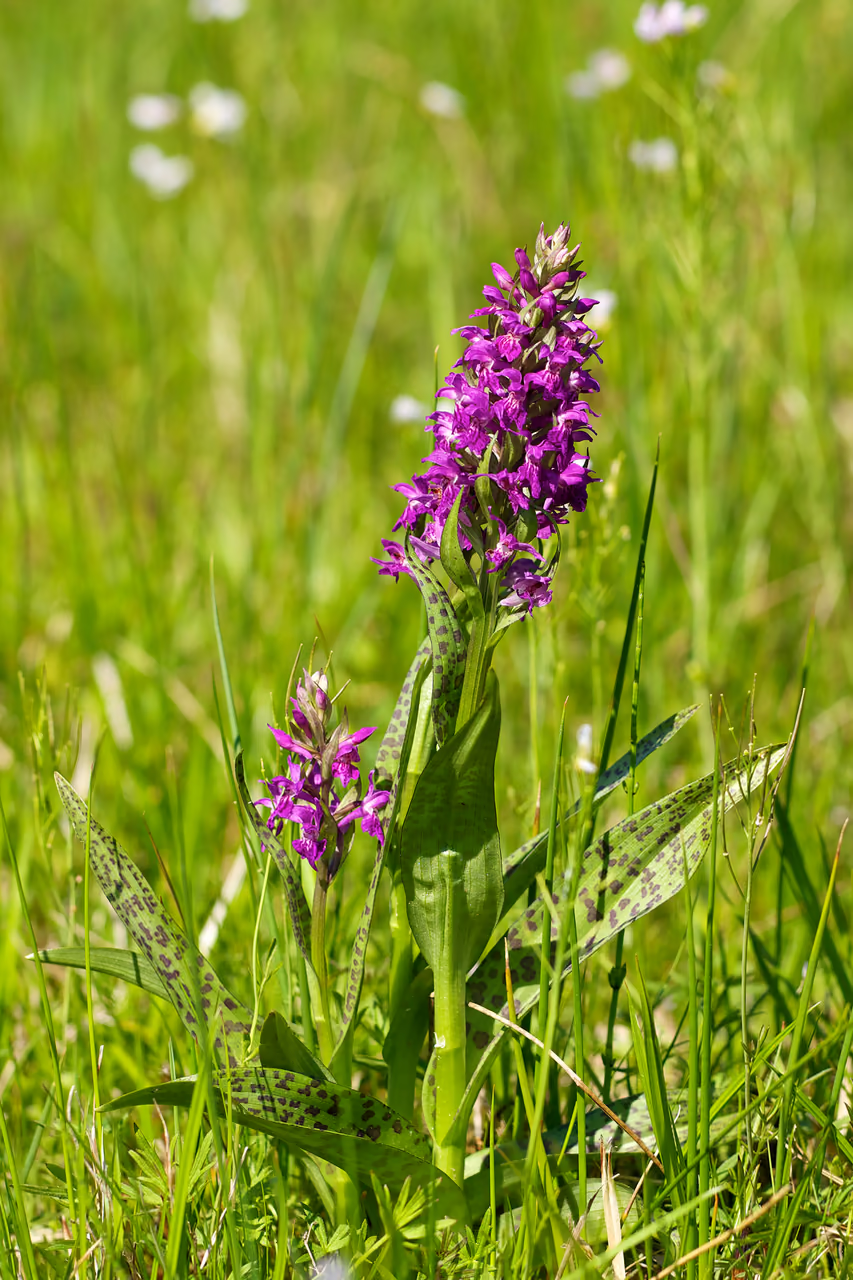
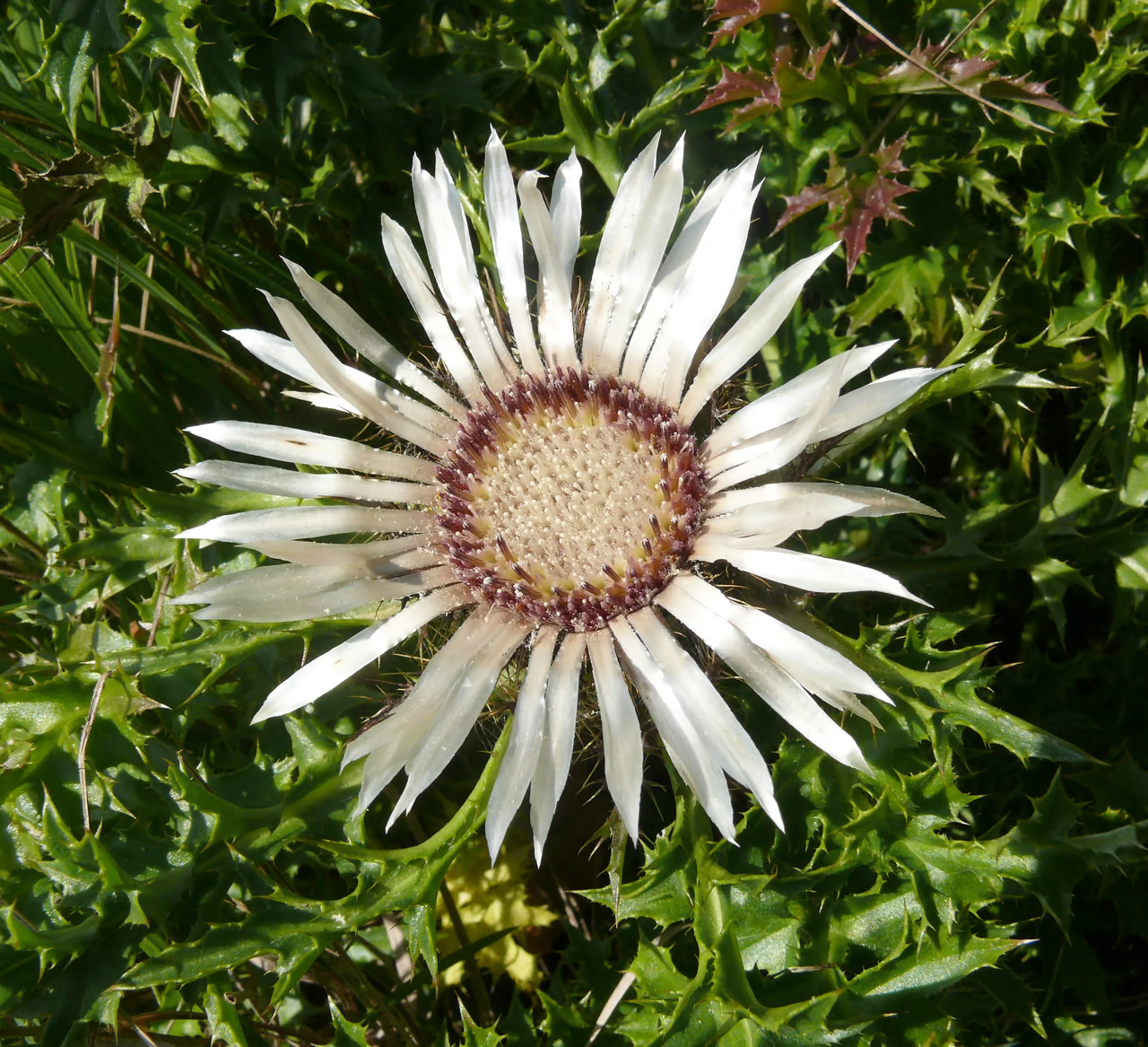
  • A western marsh orchid – a dense purple orchid spike on a wet meadow

    Western marsh orchid

    Dactylorhiza majalis

    The most striking orchid here – a deep purple spike on the wet meadow. It flowers from May; come in May and June for the best chance of catching it in flower.

    Foto: Jörg Hempel, Wikimedia Commons, CC BY-SA 3.0 DE
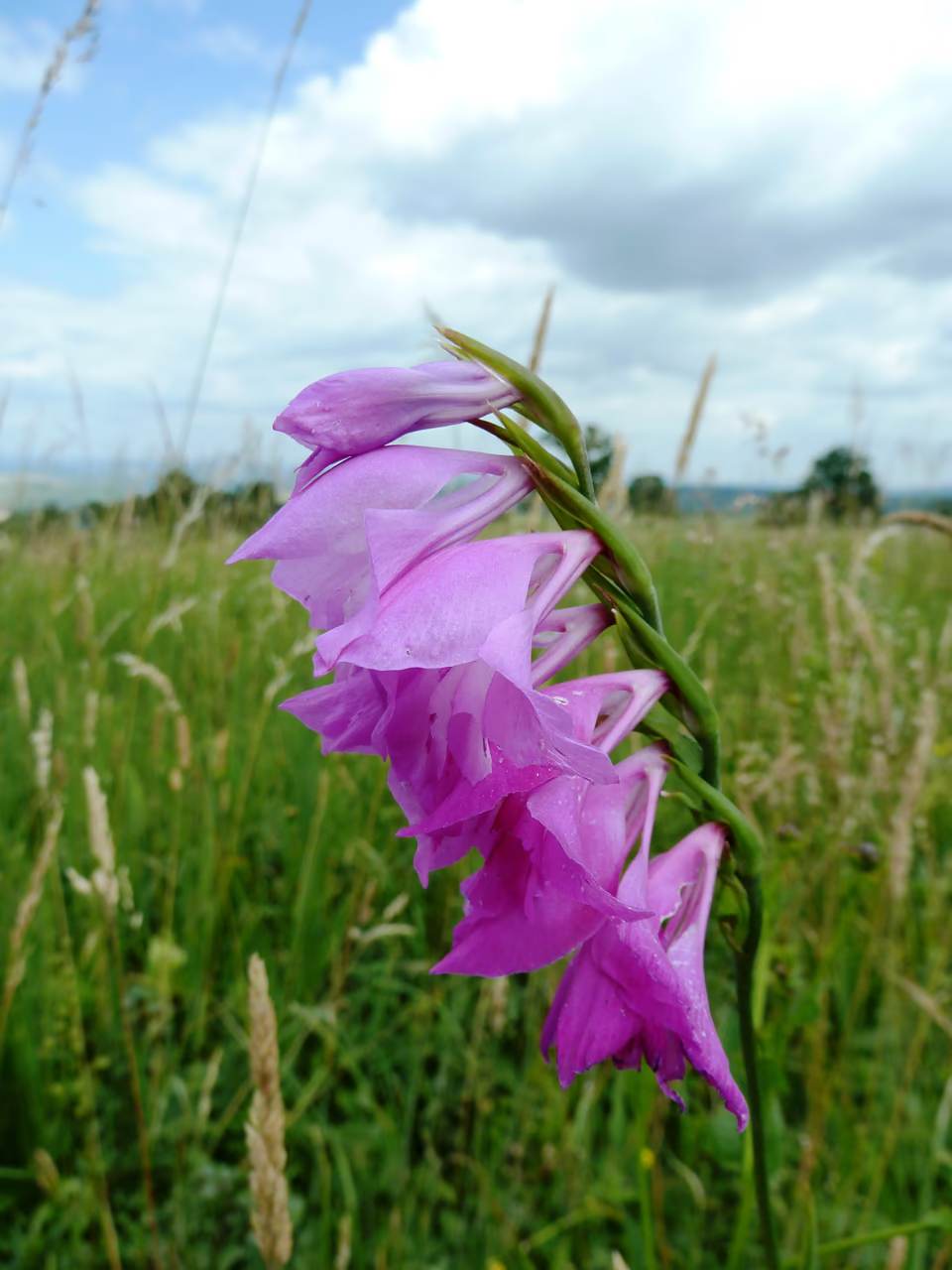
  • A Turkish marsh gladiolus – purple flowers in a one-sided spike above a grassy meadow

    Turkish marsh gladiolus

    Gladiolus imbricatus

    A purple flower spike on a slender stem, flowering in summer. One of the most striking plants here – outside the protected meadows you will hardly meet it around.

    Foto: Dr. Killer, Wikimedia Commons, CC BY-SA 3.0
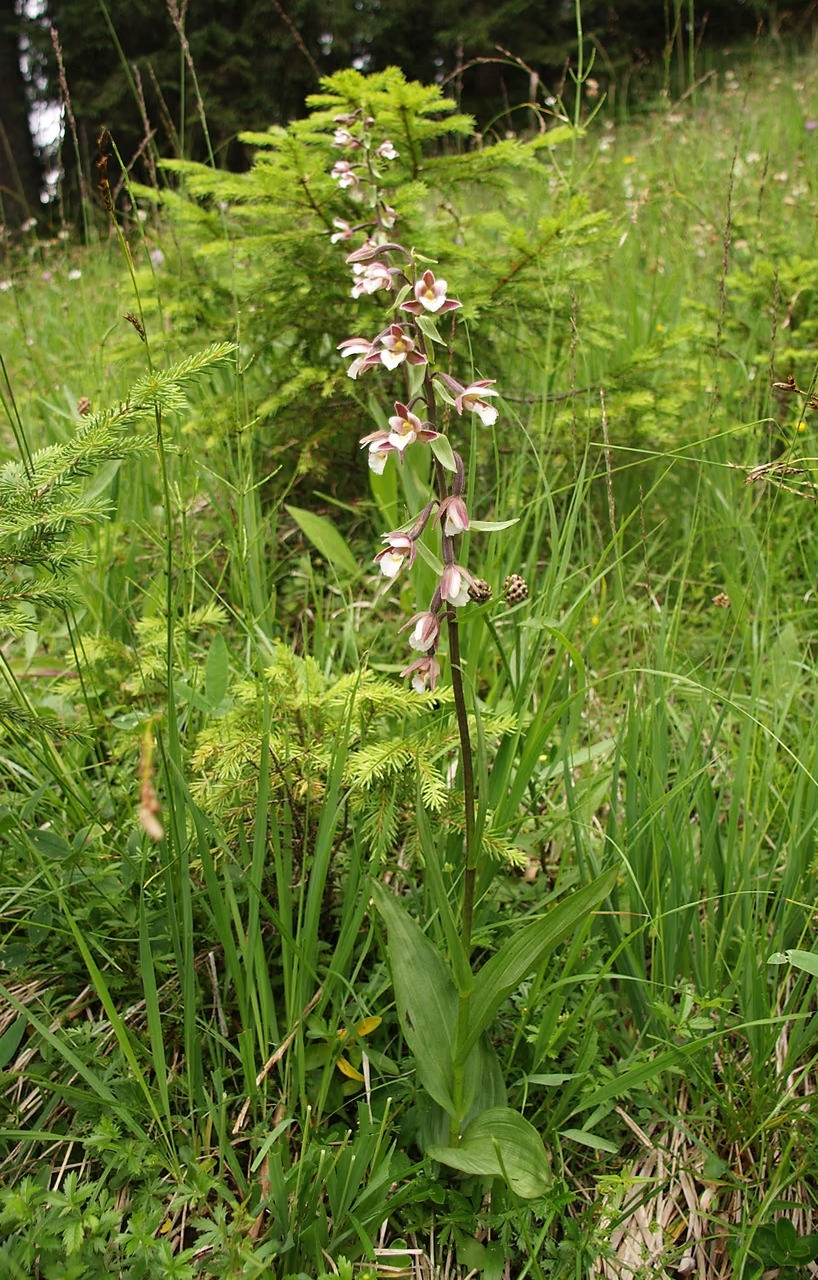
  • The flower spike of a marsh helleborine – white and pink flowers marked in crimson on a slender stem

    Marsh helleborine

    Epipactis palustris

    An orchid of wetlands with white and pink flowers marked in crimson; it flowers in June and July. It grows right in the waterlogged ground – look from the track.

    Foto: Bernd Haynold, Wikimedia Commons, CC BY-SA 3.0
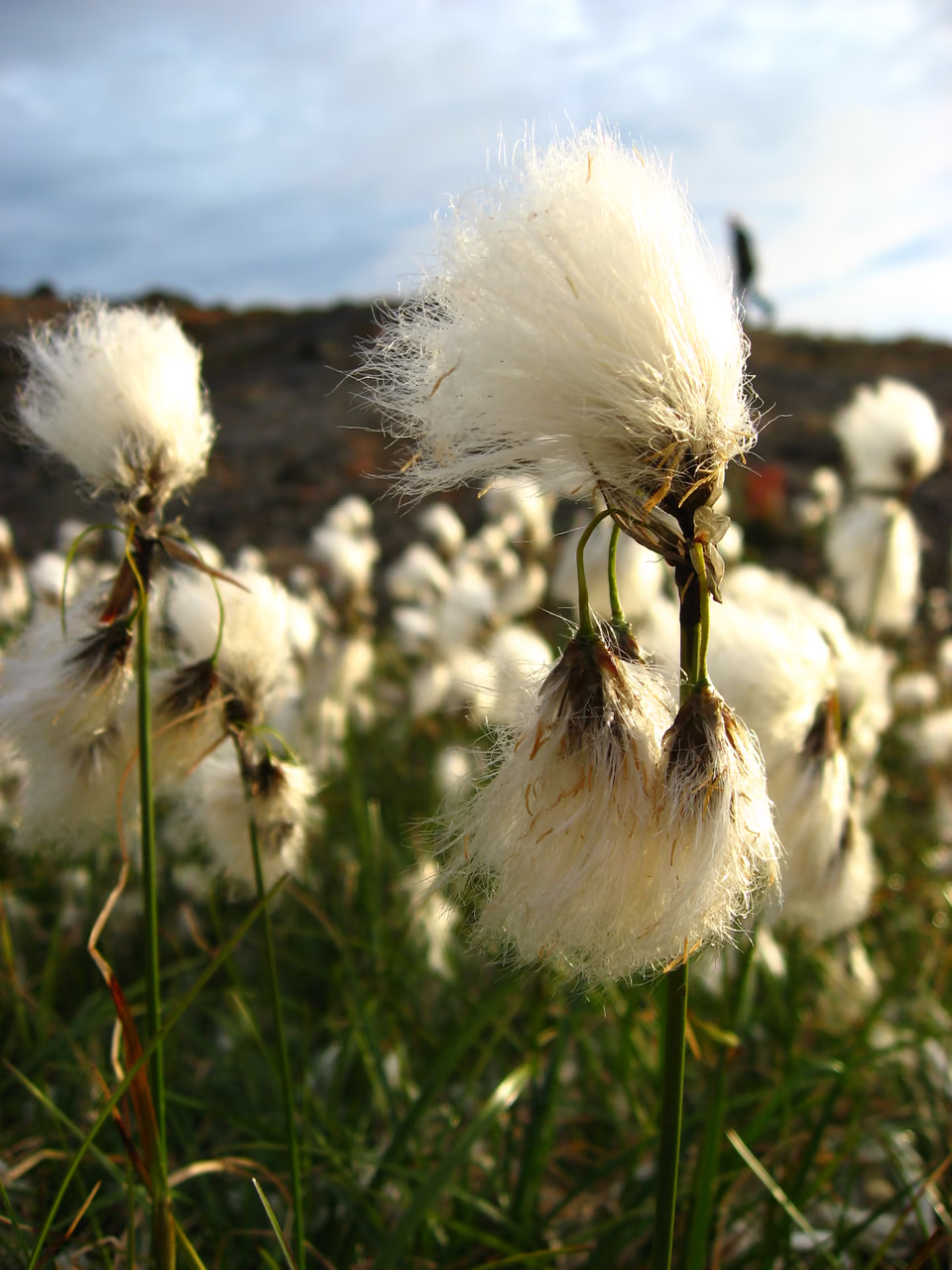
  • Common cottongrass – white cottony tufts of seed heads above peaty ground

    Common cottongrass

    Eriophorum angustifolium

    After flowering you can pick it out from a distance – white tufts that look like cotton wool. It is a typical plant of peat bogs.

    Foto: Kim Hansen, Wikimedia Commons, CC BY-SA 3.0
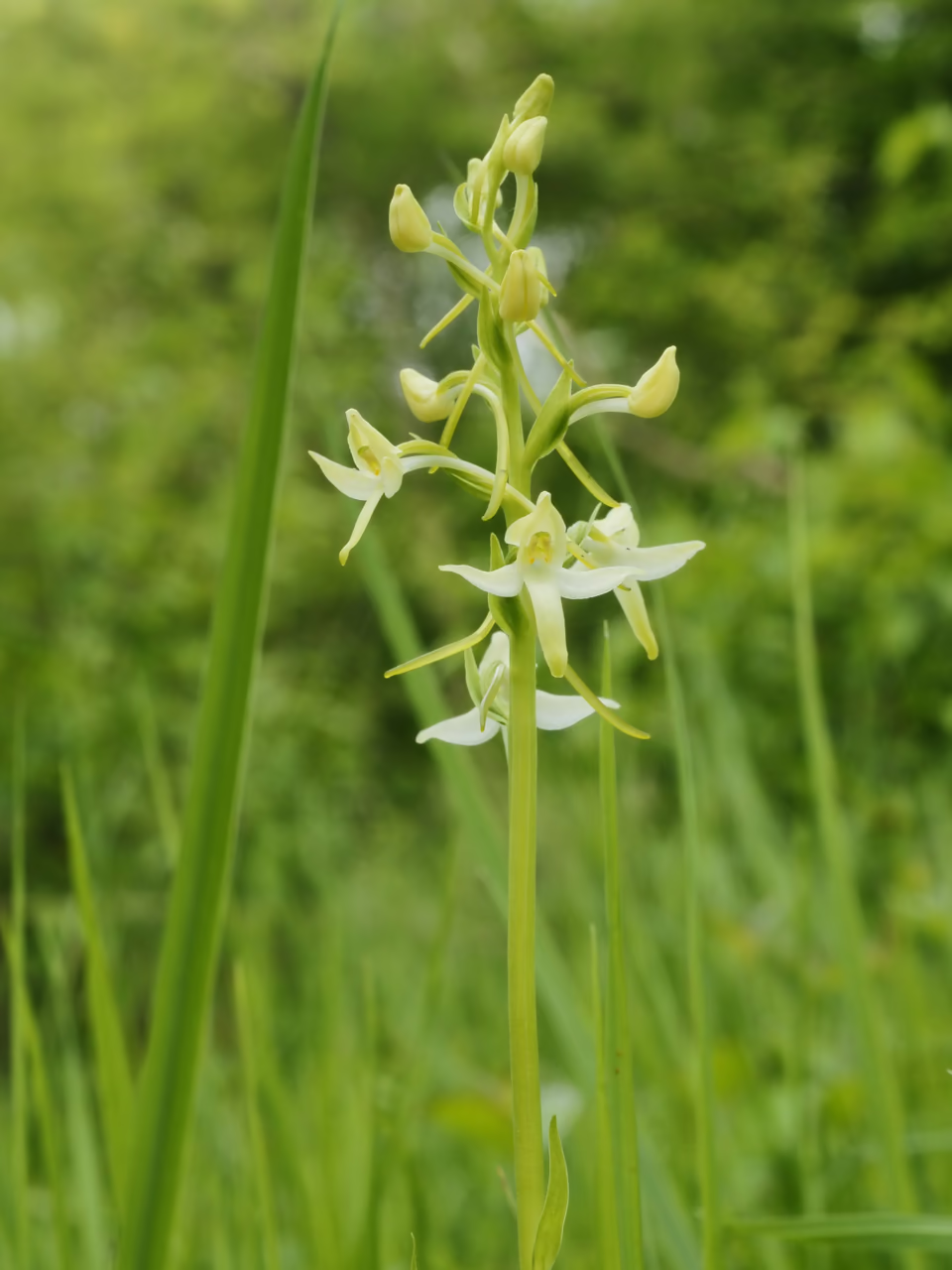
  • The flower spike of a lesser butterfly-orchid – a loose spike of white flowers with long spurs

    Lesser butterfly-orchid

    Platanthera bifolia

    A white orchid with two large leaves at the base. Its scent is stronger towards evening – it draws the night moths that pollinate it.

    Foto: Hans Hillewaert, Wikimedia Commons, CC BY-SA 3.0
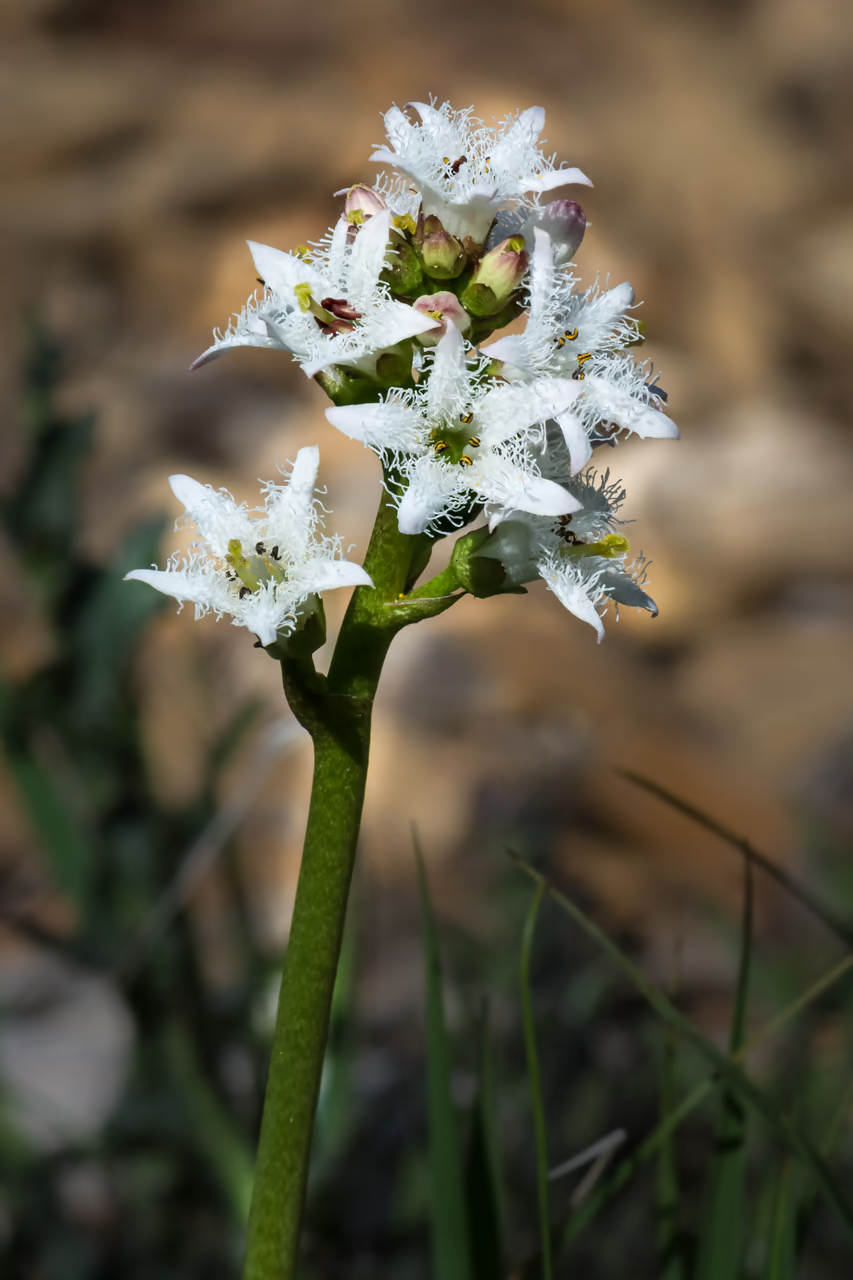
  • Bogbean – white flowers with fringed petals above the surface of a wetland

    Bogbean

    Menyanthes trifoliata

    Three-part leaves and white fringed flowers in spring. It grows where the ground is really wet – a reliable sign that the sihla still works.

    Foto: Uoaei1, Wikimedia Commons, CC BY-SA 4.0
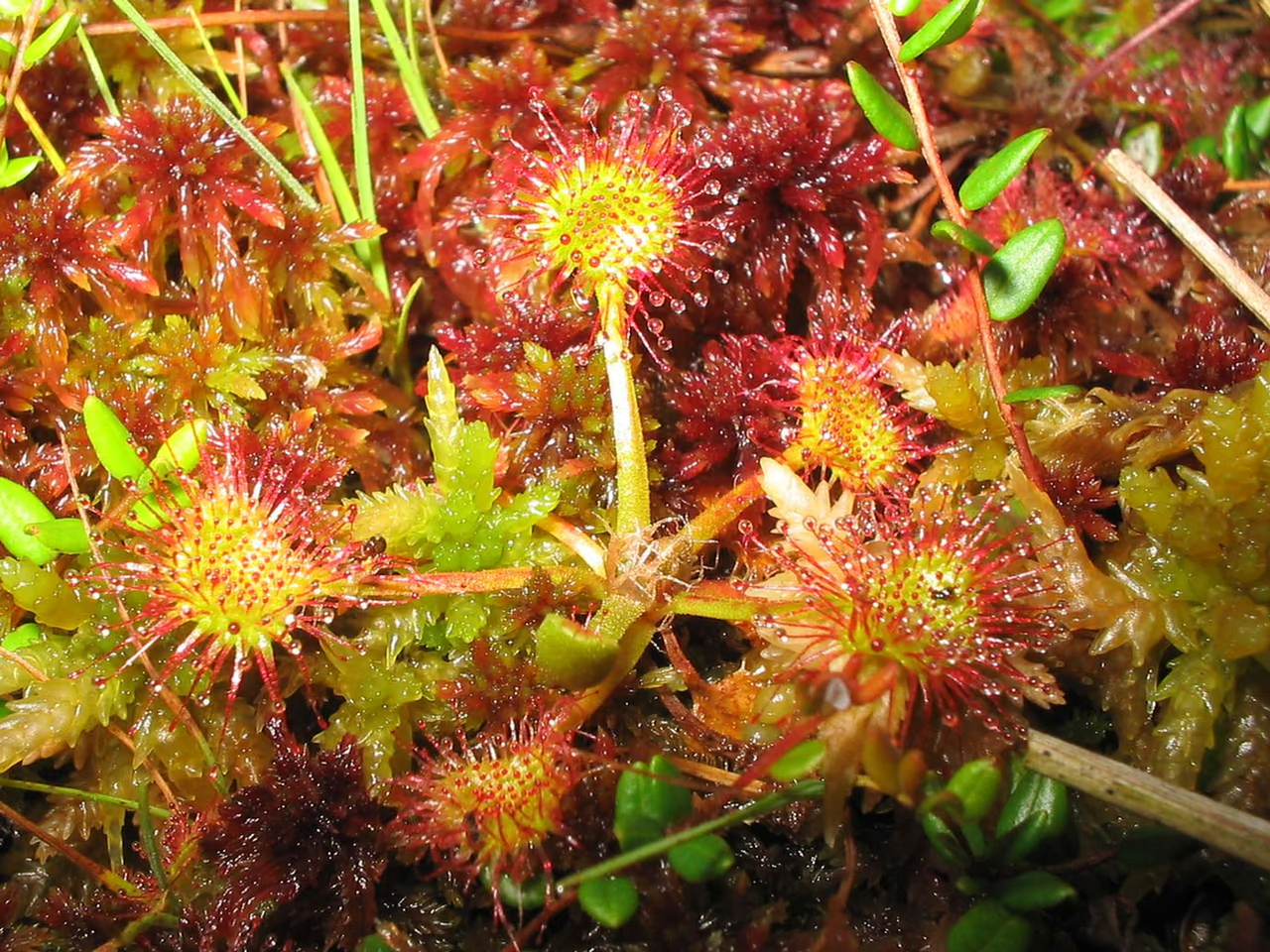
  • A round-leaved sundew – round leaves with red glandular hairs holding drops of sticky secretionNo longer here

    Round-leaved sundew

    Drosera rotundifolia

    A carnivorous plant of peat bogs that used to grow here in numbers. In recent years its presence at Kudlačena has not been confirmed – it is disappearing from other Beskydy sites as well, and holds on mainly in the Obidová nature monument.

    Foto: Migas, Wikimedia Commons, CC BY-SA 3.0
The pools

Standing water

Draining the meadow took from the amphibians the water they breed in – the pools gave it back. About ten of them were made here in 1994. Do not put a hand into the water and do not step in; the spawn and the larvae are fragile.

What you will meet here

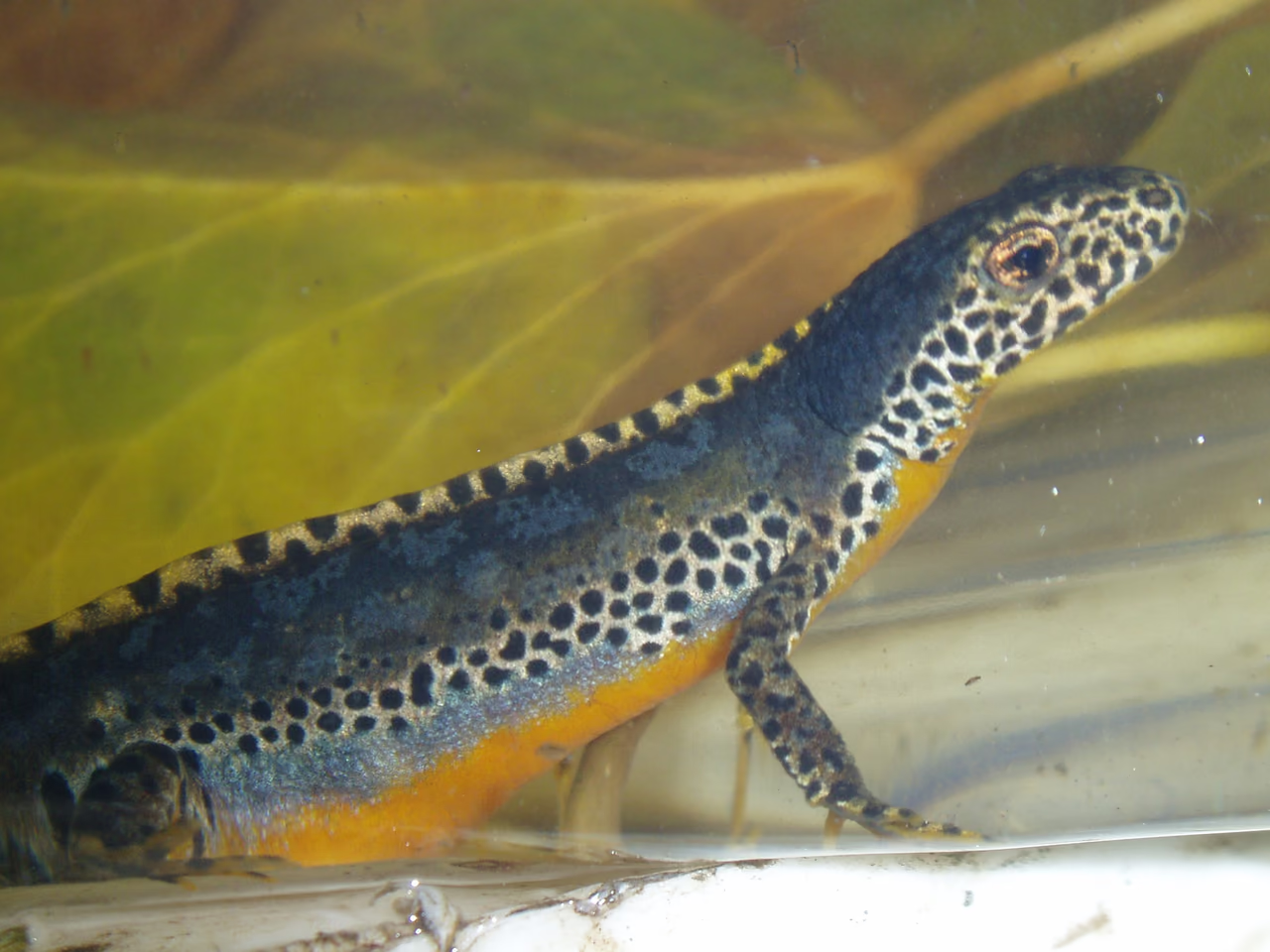
  • An alpine newt – a male with blue-grey flanks and an orange belly in the water

    Alpine newt

    Ichthyosaura alpestris

    In spring it is in the pools – in the breeding season the male has blue flanks and a bright orange belly. The rest of the year it hides on land under stones and wood.

    Foto: Anevrisme, Wikimedia Commons, CC BY-SA 3.0
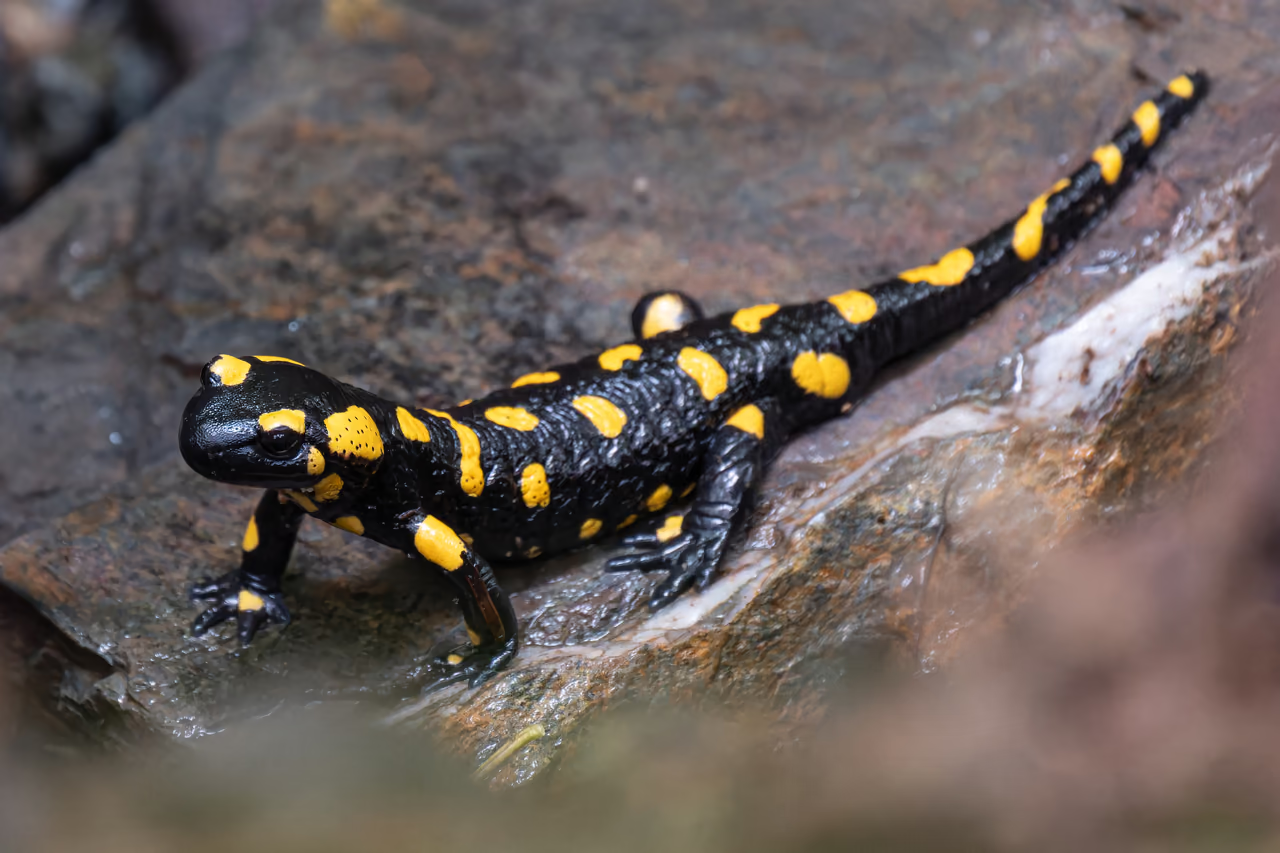
  • A fire salamander – a black amphibian with yellow markings on the forest floor

    Fire salamander

    Salamandra salamandra

    Black with bold yellow markings. It comes out in damp weather and towards evening, mainly after rain. Do not pick it up – the skin gives off an irritant secretion.

    Foto: Skot, Wikimedia Commons, CC BY-SA 4.0
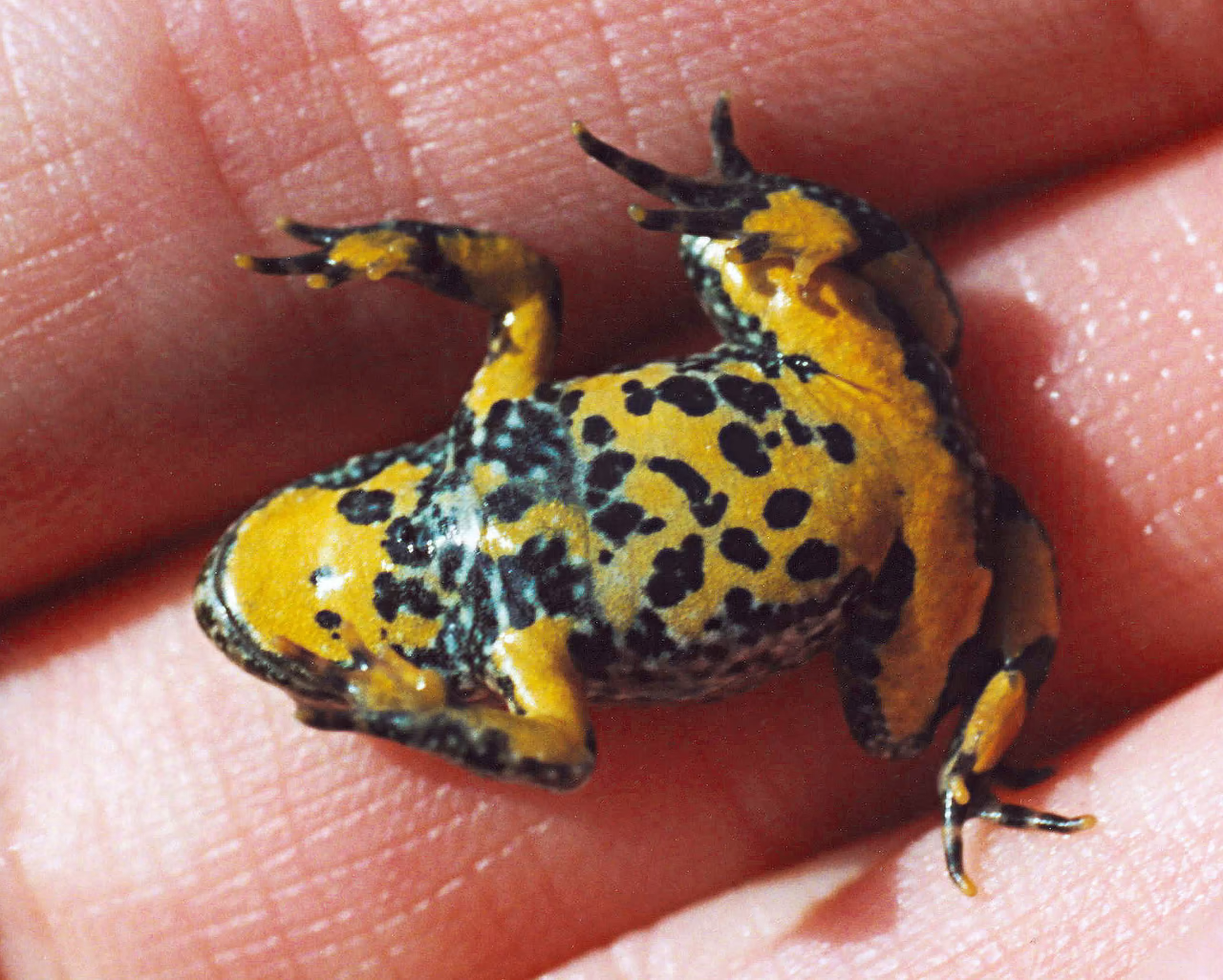
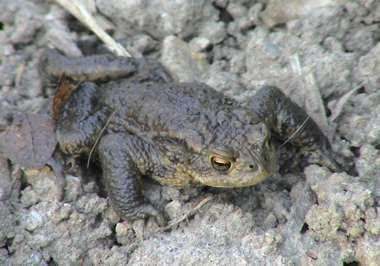
  • A yellow-bellied toad – a small warty toad on wet ground

    Yellow-bellied toad

    Bombina variegata

    A small toad of shallow pools. You are more likely to know it by its voice – a quiet “unk, unk” – and by the yellow and black belly it shows when threatened.

    Foto: Christian Fischer, Wikimedia Commons, CC BY-SA 3.0
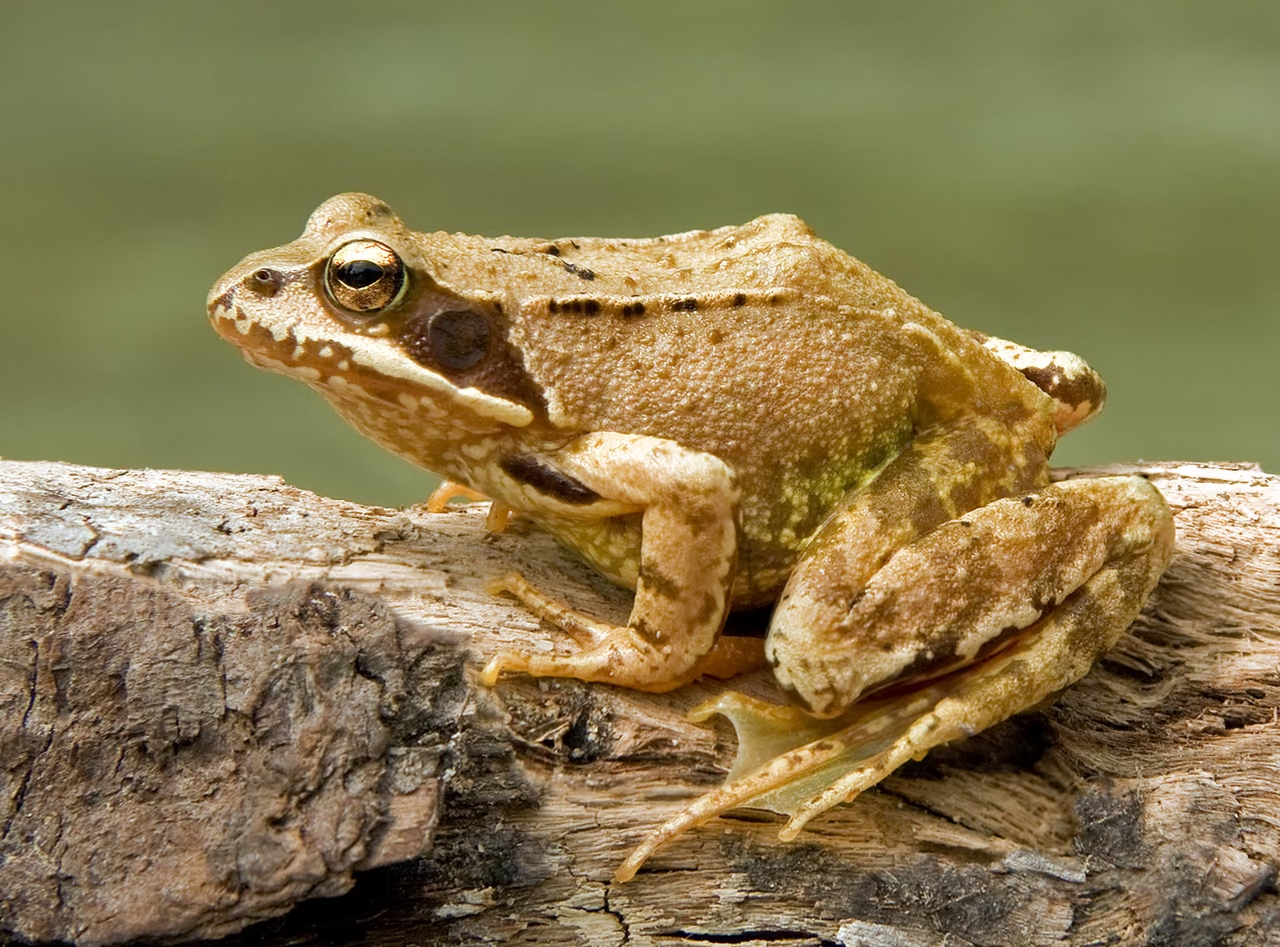
  • A common frog – a brown frog with a dark patch behind the eye

    Common frog

    Rana temporaria

    The commonest frog here, with a dark patch behind the eye. It gathers in the pools early in spring to lay its eggs; otherwise you will meet it far from water too.

    Foto: Richard Bartz, Wikimedia Commons, CC BY-SA 2.5
The drier edges

Sun and mat-grass swards

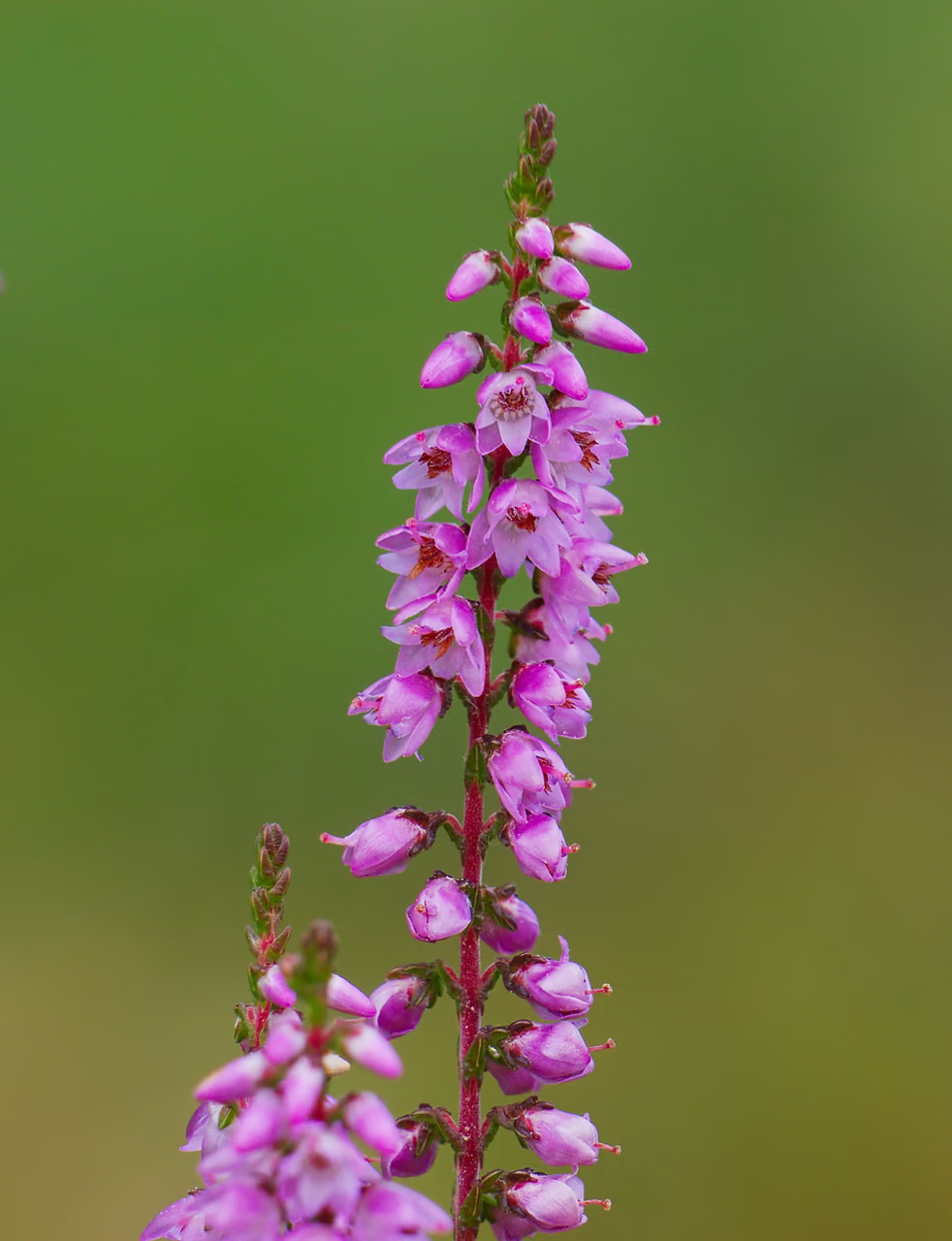
To the north the wetland turns into dry meadows of mat-grass – a tough grass that stands poor, drought-prone soil; bilberry and heath speedwell grow here too. Reptiles bask in the sun by the track – keep to the track and your dog on a lead.

What you will meet here

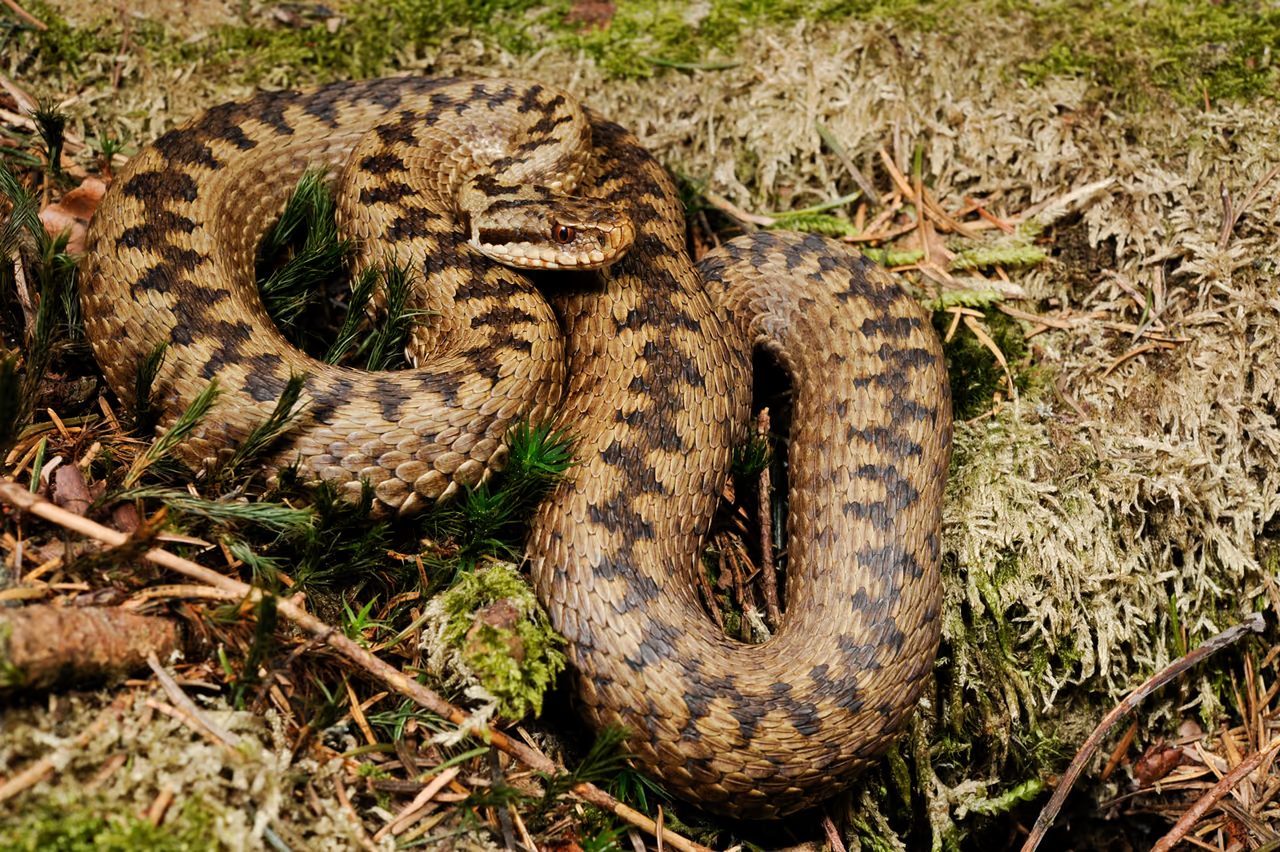
  • A common adder – a snake with a dark zigzag along its back, coiled in the grass

    Common adder

    Vipera berus

    The only venomous snake in Czechia; it is known by the dark zigzag along its back. It is shy and will move away of its own accord. Keep to the track, wear stout footwear, and put no hand into the grass or under stones. If you are bitten, call 155.

    Foto: Benny Trapp, Wikimedia Commons, CC BY 3.0
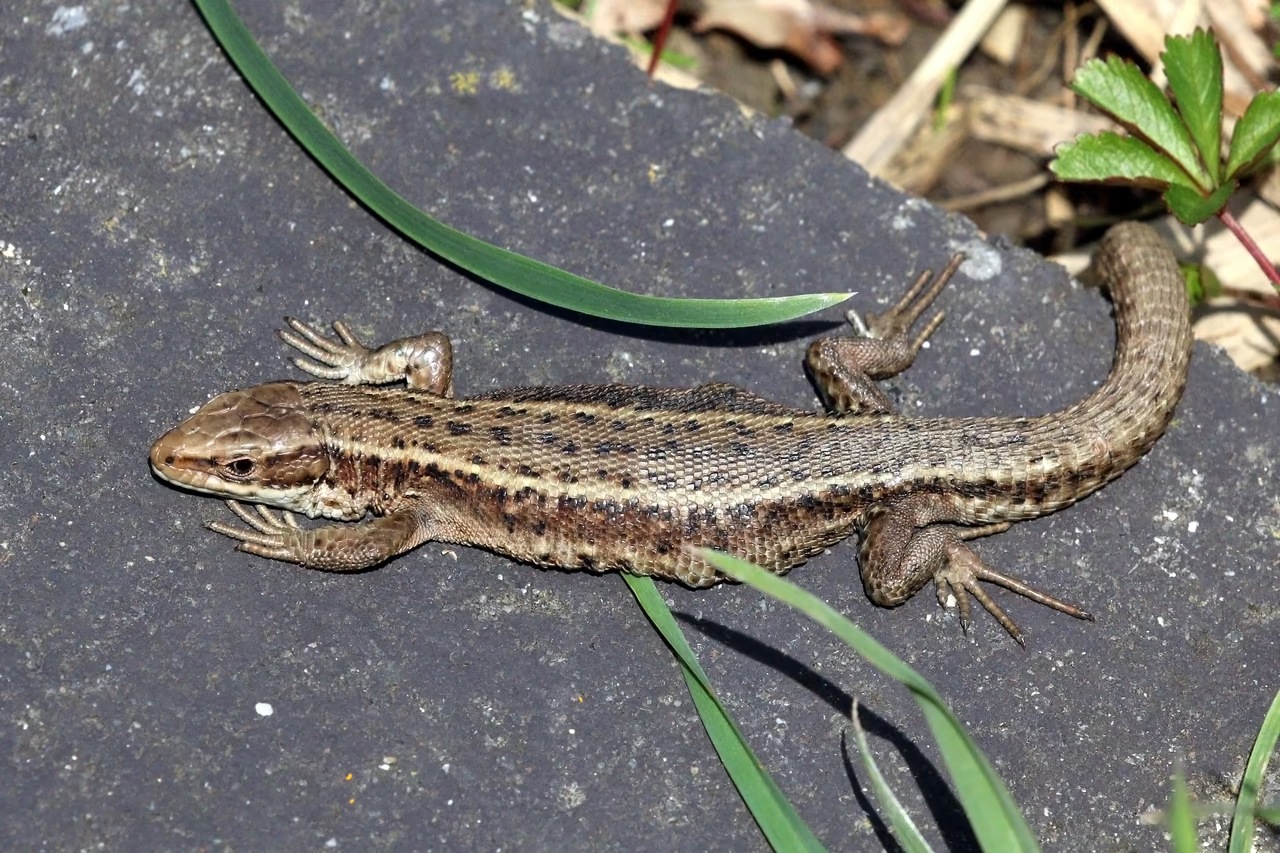
  • A viviparous lizard – a small brown lizard basking on wood

    Viviparous lizard

    Zootoca vivipara

    A small brown lizard, most often caught sight of basking by the track. As the name says, it bears live young – an adaptation to colder mountain country.

    Foto: Charles J. Sharp, Wikimedia Commons, CC BY-SA 4.0

The photographs of individual species are taken from Wikimedia Commons (author and licence given with the photo) – they show the species, not a particular plant or animal from Kudlačena.

Timeline

From mowing to protection

  1. earlier

    A meadow made by scythe and grazing

    The wet meadows above the valley of the Dížená are mown in late summer, or grazed. The open ground and the wetland flora are a by-product of small-scale farming.

  2. until 1974

    Extensive farming

    The meadows are farmed on a small scale and extensively. The wetlands are laced with a system of drainage ditches – the water is meant to run off the meadow.

  3. after 1975

    The JZD, the ditches gone, self-seeded growth

    The drier parts are farmed by the local JZD, the drainage system falls apart and self-seeded woody growth moves onto the unmanaged ground.

  4. 1989

    Protection declared

    The site was declared by Okresní národní výbor Vsetín in a decree of December 1988 taking effect on 1 January 1989 – first as a protected natural formation, today it is a nature monument.

  5. the 1990s

    Continuous management returns

    Mowing and the clearing of self-seeded growth come back to the meadows. Without regular management the ground would close over and the wetland communities would be lost.

  6. 1994

    Pools for the amphibians

    Conservationists dug about ten small pools at Kudlačena. They bring back the standing water that amphibians need to breed.

  7. 2009

    Opened to the public

    Conservationists put up two information panels at Kudlačena, tidy the spring and build a bench. Kudlačena opens to visitors.

  8. today

    5.6 hectares that have to be mown

    The protected site covers not quite six hectares. Several species of orchid and the Turkish marsh gladiolus grow on it, and newts and yellow-bellied toads breed in the pools.

Na závěr

Doplňující info a test znalostí

Rychlá rekapitulace

What is a sihla?

The Beskydy name for a peaty meadow on a slope – the water in it is held by impermeable clayey bedrock. Kudlačena is one of the last left in the Rožnov area.

Why were the pools made at Kudlačena?

Conservationists dug them in 1994 to give the amphibians back the standing water that draining the meadow had taken from them.

Why does the meadow have to be mown all the time?

Without mowing and the clearing of self-seeded growth, woodland would take it over within a few decades and the wetland communities – the orchids and the gladiolus – would be lost.

When is the best time to go to Kudlačena?

From May to July. In spring you can hear the amphibians, in May and June the orchids flower, and in July the Turkish marsh gladiolus.

Is a walk across the meadow safe?

Yes. You may meet the venomous common adder here, but it is shy and strikes only when cornered. Keeping to the track, keeping your hands out of the grass and wearing stout footwear is enough.

Závěrečný kvíz

Otázka 1 z 5

A meadow of tall grass with a single tree at the edge of the wood

What is a sihla?

RysíkRysík→

There is a quiz a little further up. Shall we try it?

A few quizzes and I get glasses, and I will feel properly educated.

Try the quiz

Your rank: Homebody. You do not have a single stamp yet. Visit any place and become a Pilgrim.

You can experience the Beskids and Moravian Wallachia with Rysík and without him. Rysík would love to be there for it. Whether you take him along and take on the challenges with him is up to you.

Save Kudlačena to your favourite places

You can find your favourite places in your account. On the Walking routes page you can use them to filter routes.

Something not right here?

Suggest a more accurate wording.