Why come here
Art in the middle of the mountains
A bell tower with a gallery and information centre, wooden sculptures scattered along the ridge and views of the Javorníky and the Moravian-Silesian Beskids.
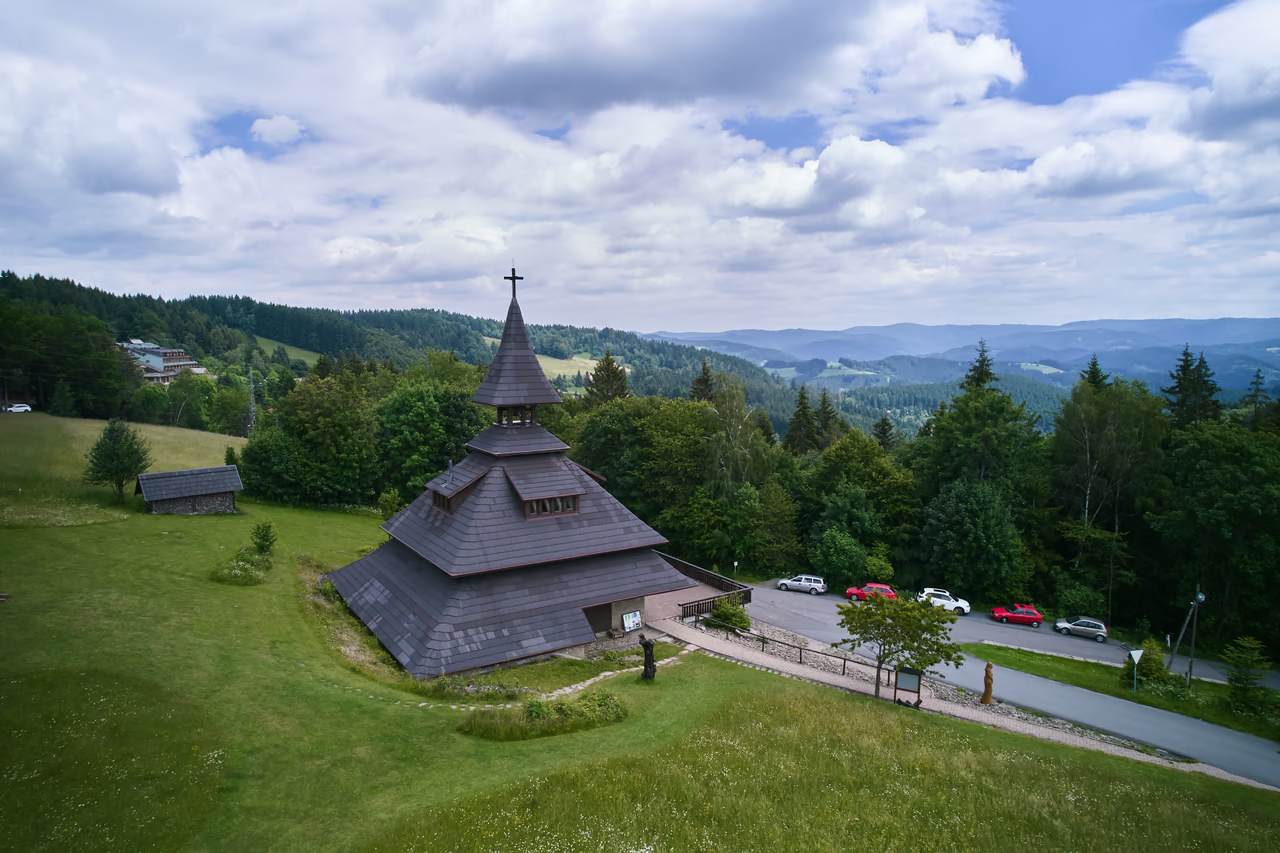
A saddle below Soláň • Vsetínské vrchy • 803 m a.s.l.
The saddle where the portáši guarded the roads and painters found their Olympus.
The saddle takes its name from a čarda – a guard post of the portáši on an old trade route. Today, below Soláň, the history of a coaching inn meets a bell tower with a gallery. Wooden sculptures line the ridge.
The mountain above the saddle is nicknamed the Wallachian Olympus – a name earned for it by the painters who used to sit here.
Why come here
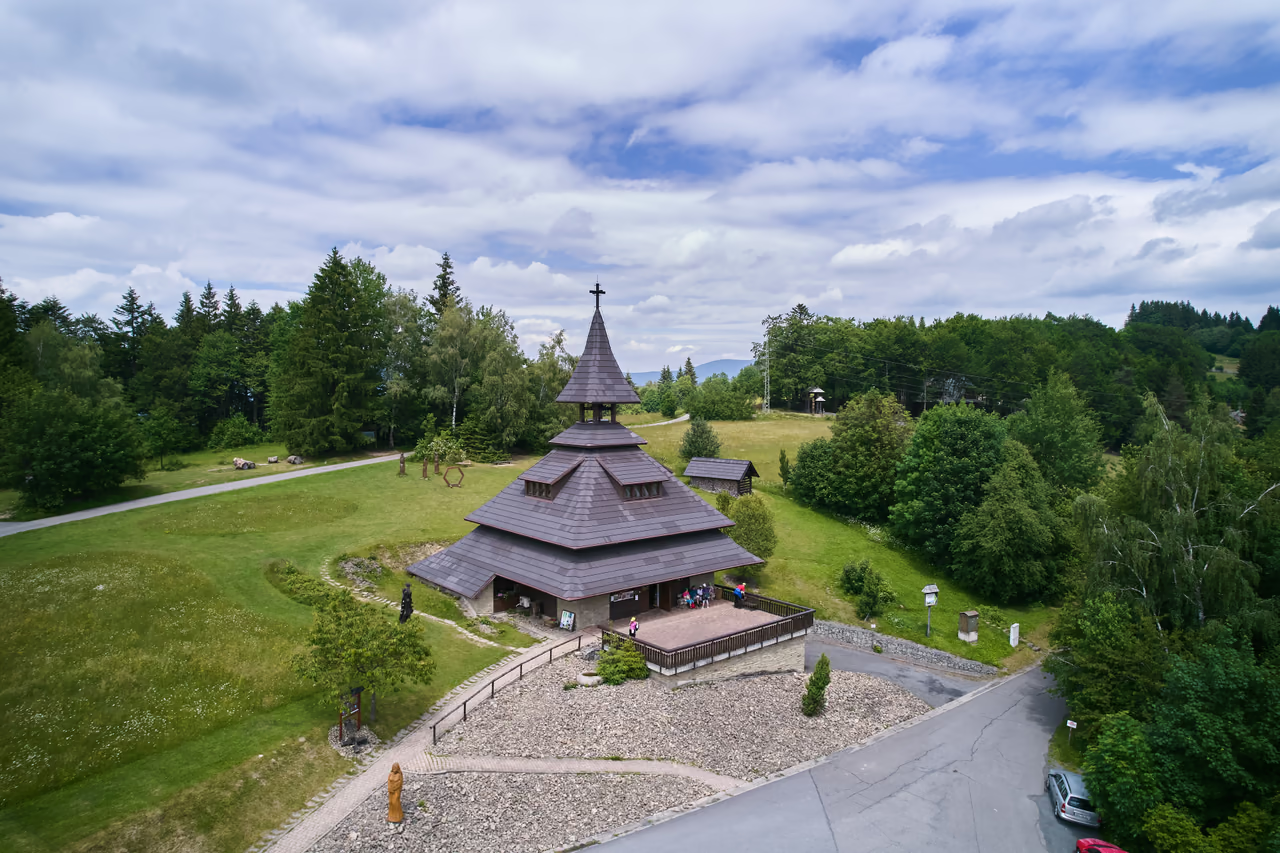
A bell tower with a gallery and information centre, wooden sculptures scattered along the ridge and views of the Javorníky and the Moravian-Silesian Beskids.
What not to miss
Between the bell tower and the former inn stands the sculpture Návrat ztracených ovcí, The Return of the Lost Sheep – and you will meet more than thirty others along the ridge. Inside the bell tower is a permanent display of Wallachian artists and an exhibition hall.
When to come
The nature trail along the ridge is roughly 5 km long and passable with a pushchair. The saddle is open to the wind, so a layer more is useful even in summer.

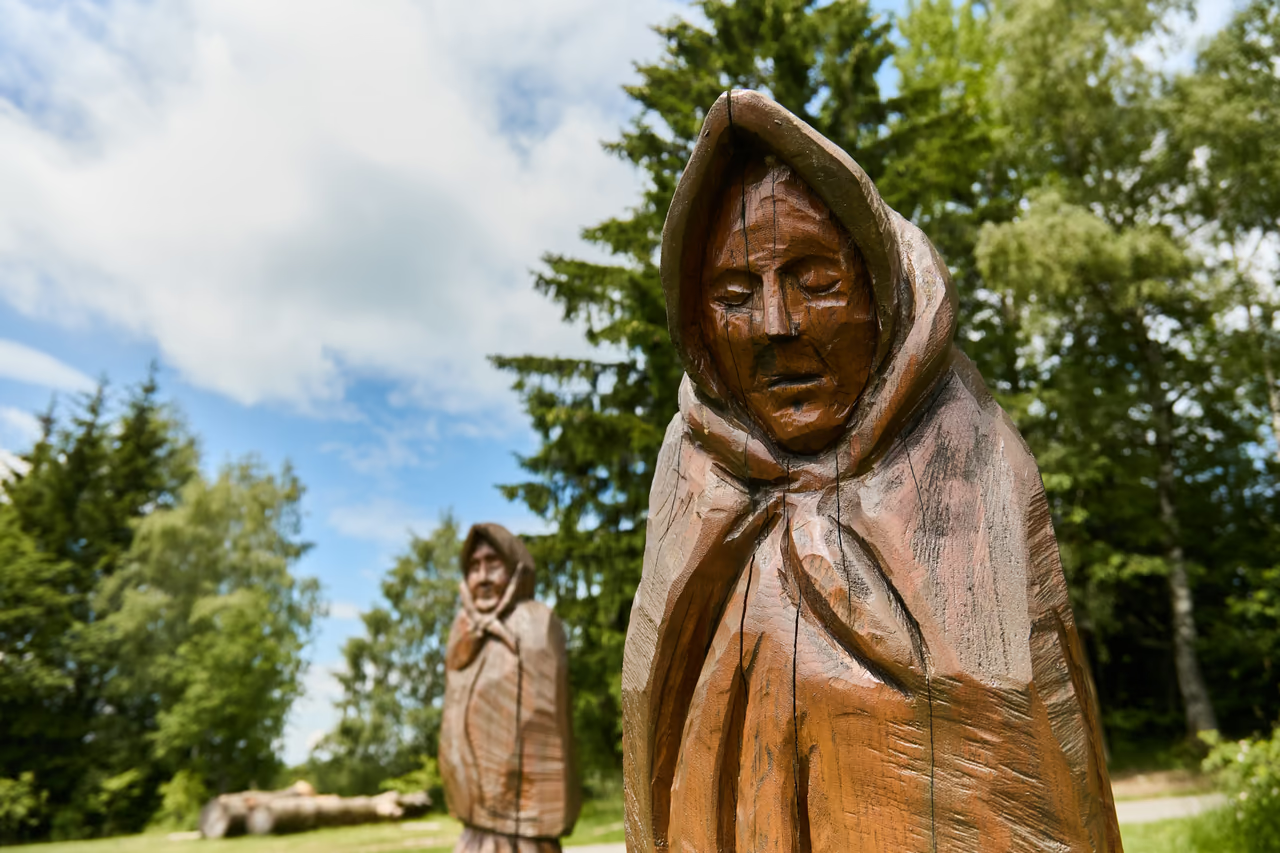
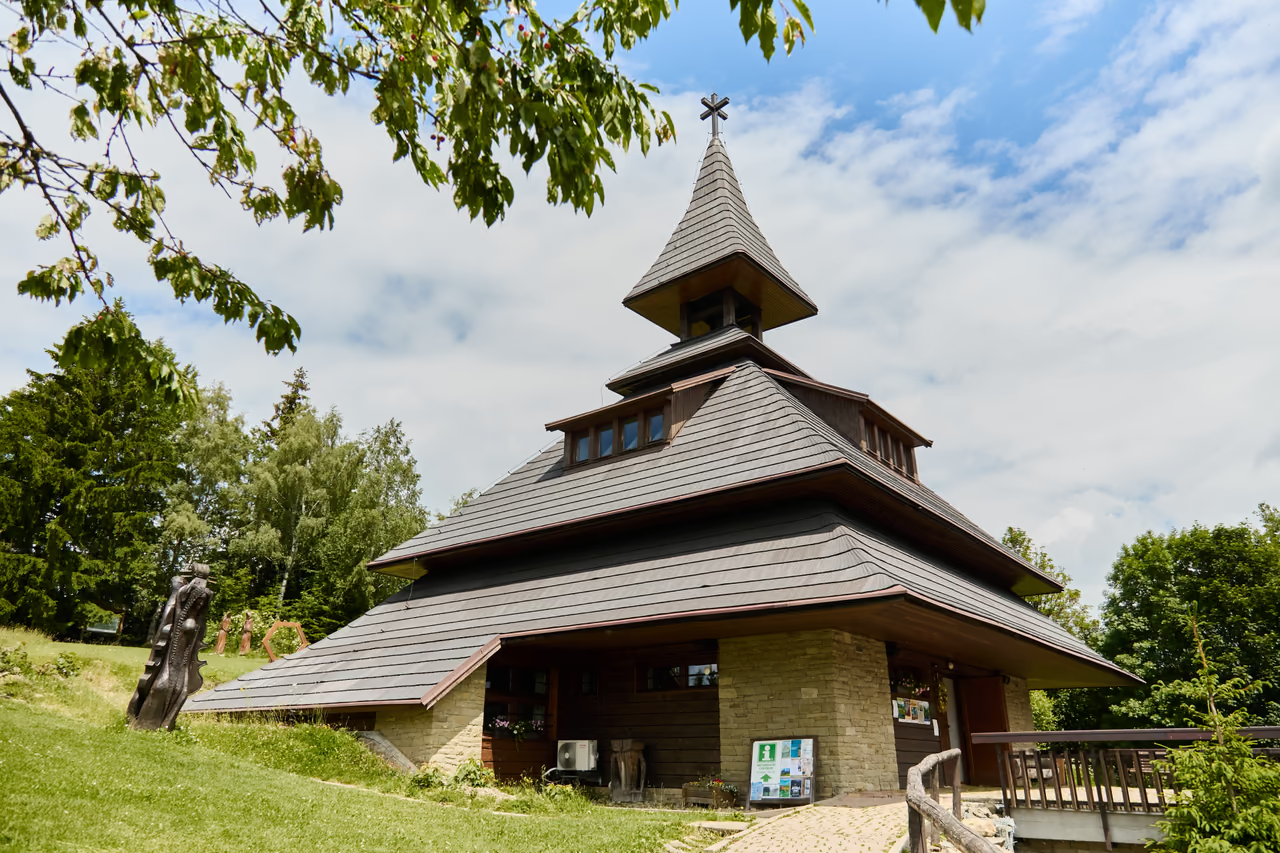
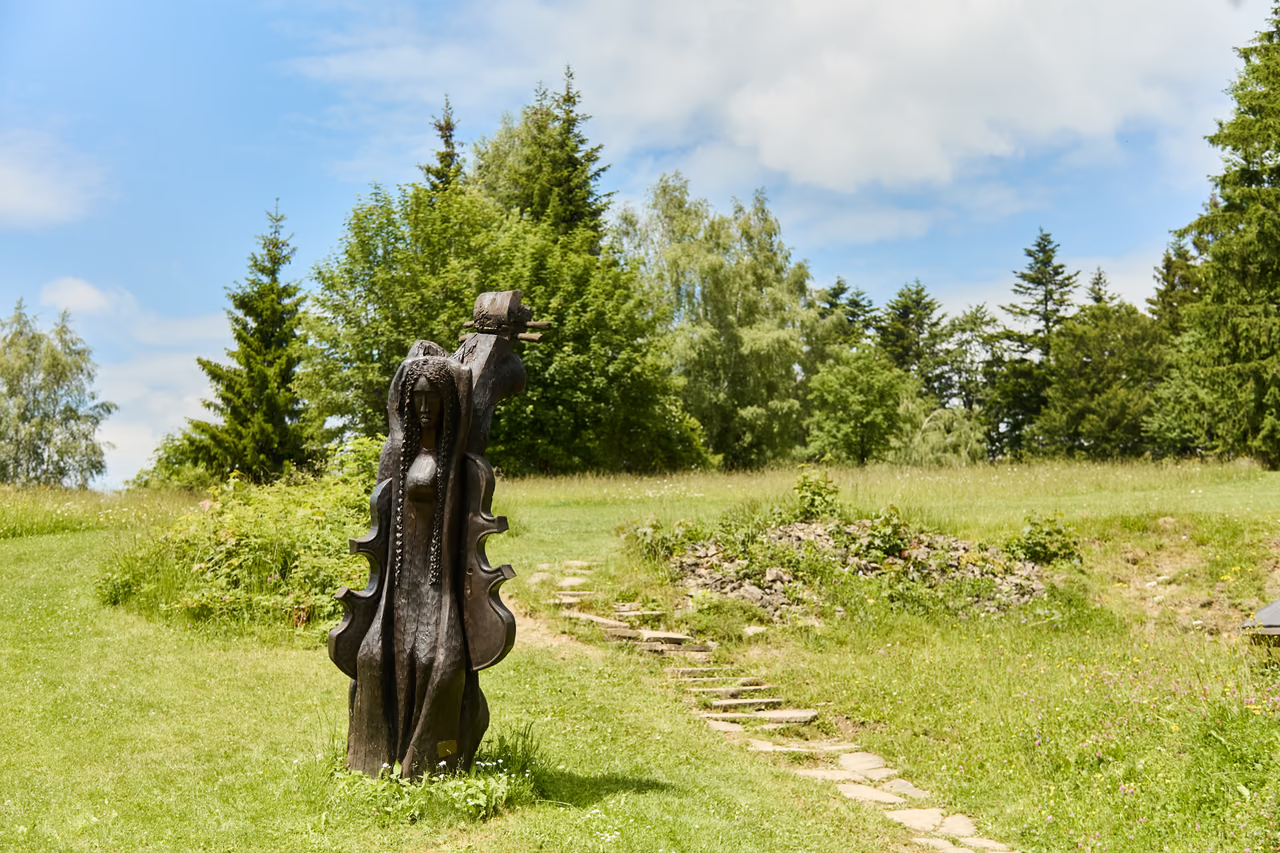
Over roughly five kilometres the trail has ten stops, each with a story told in the Wallachian dialect. Views open on both sides of the ridge along the way, and the route is passable with a pushchair.
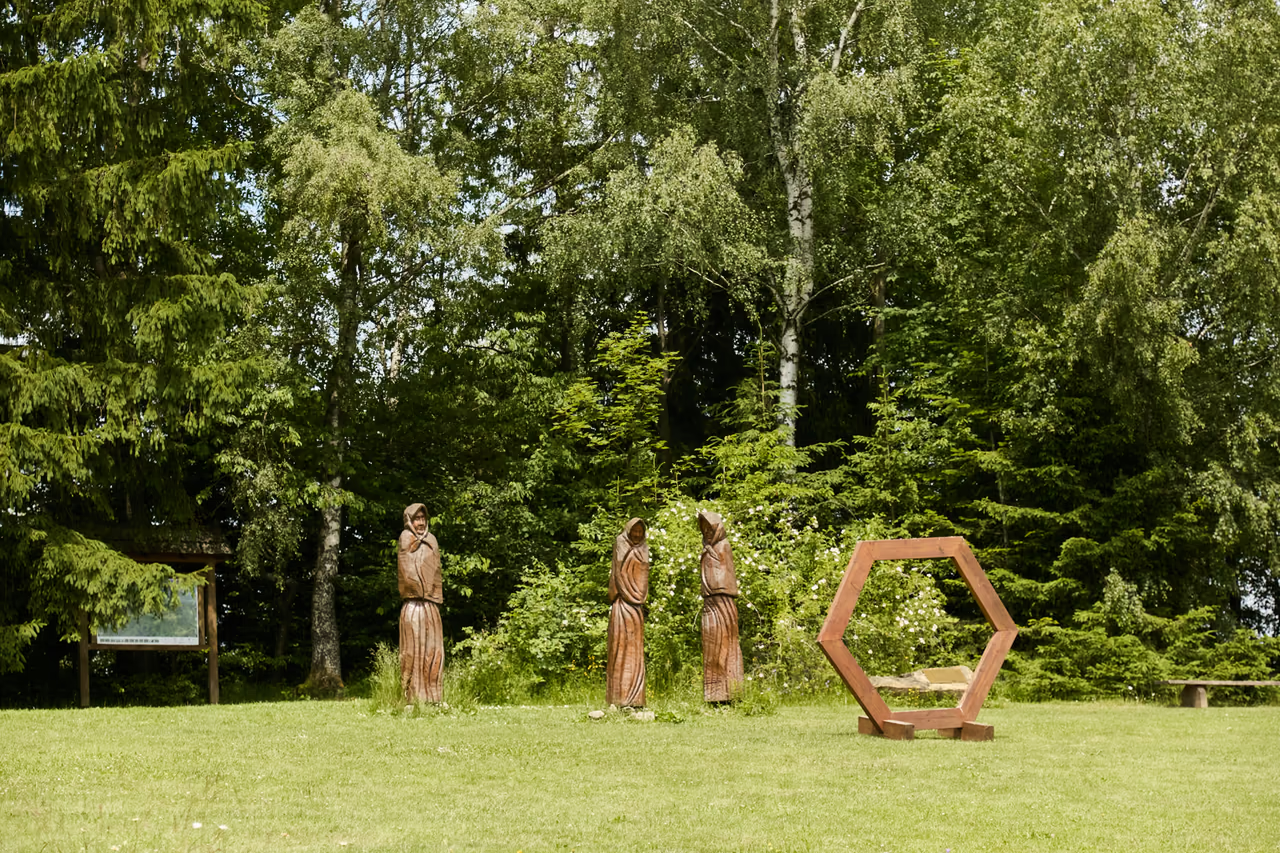
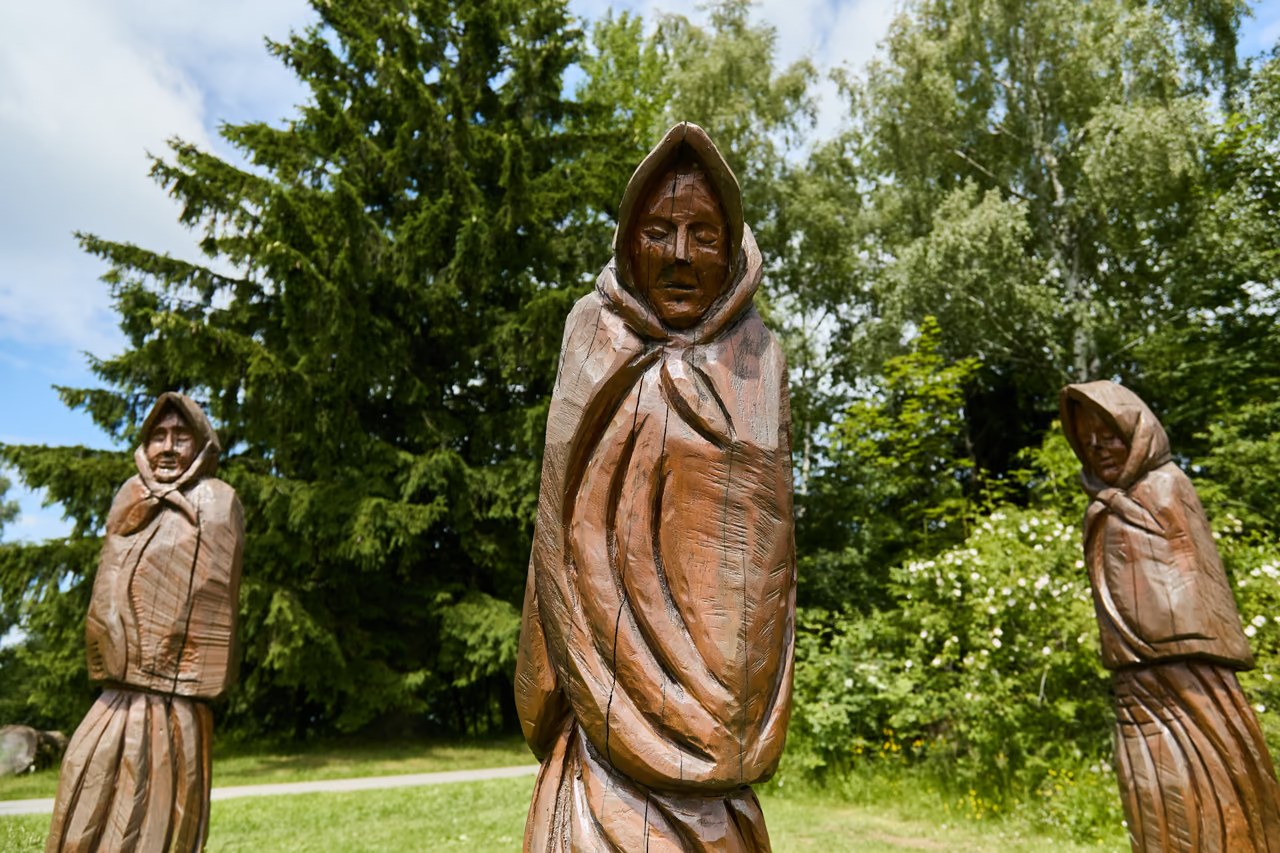
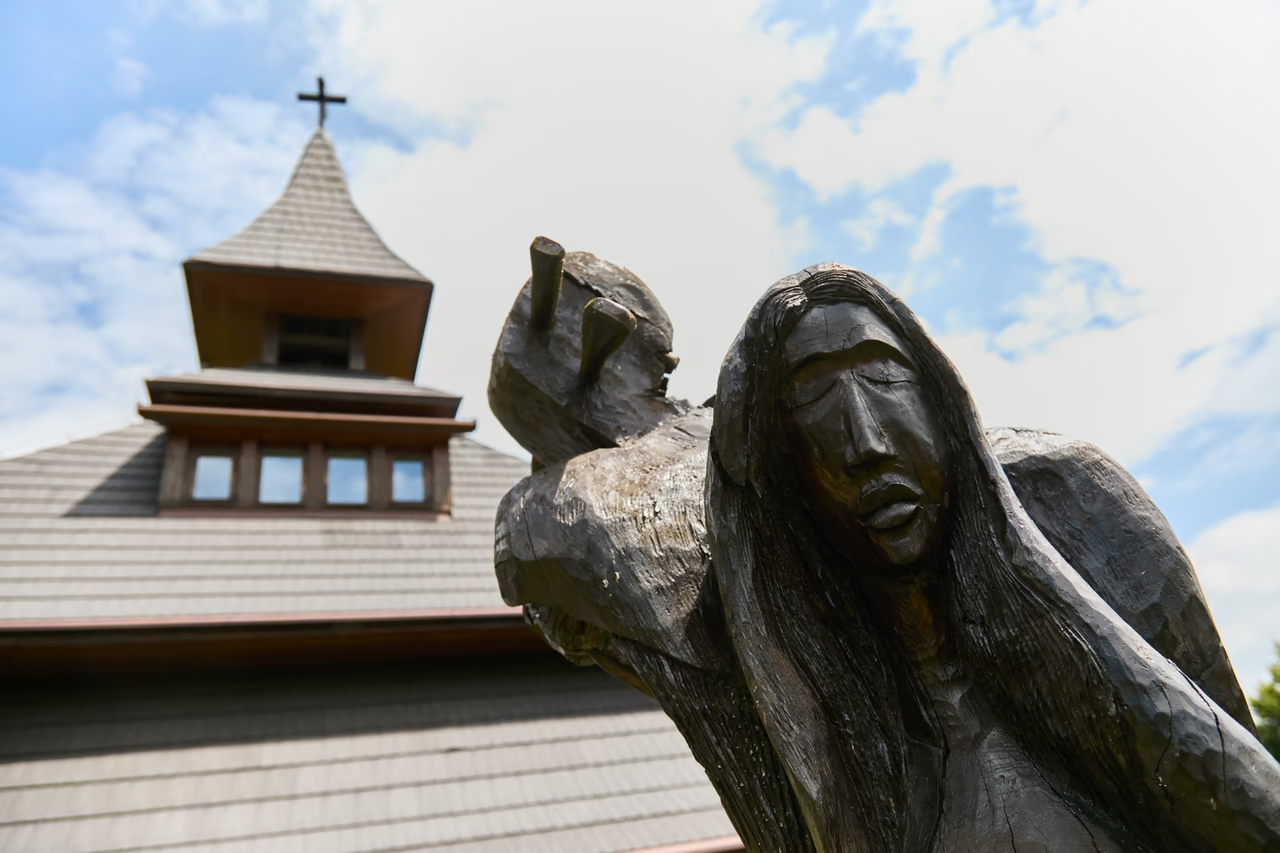
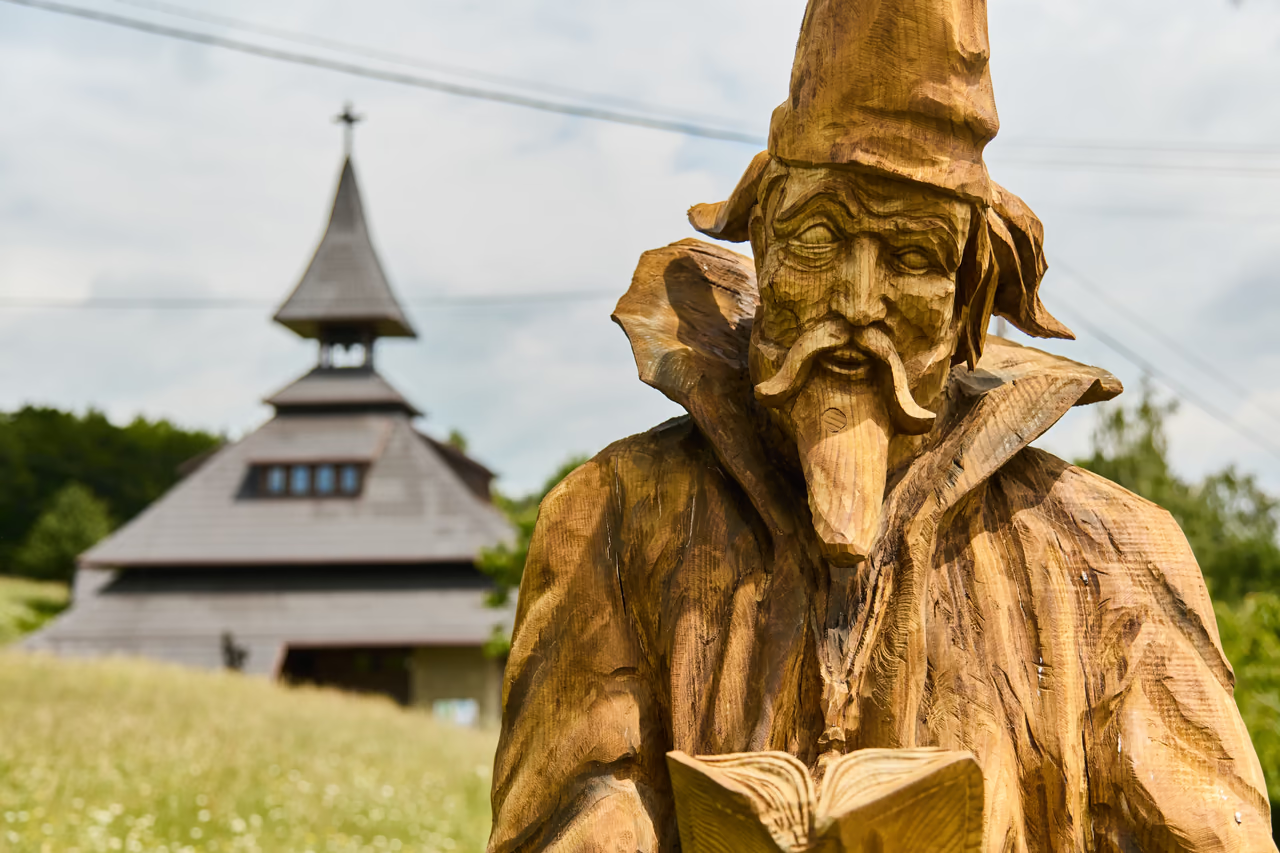
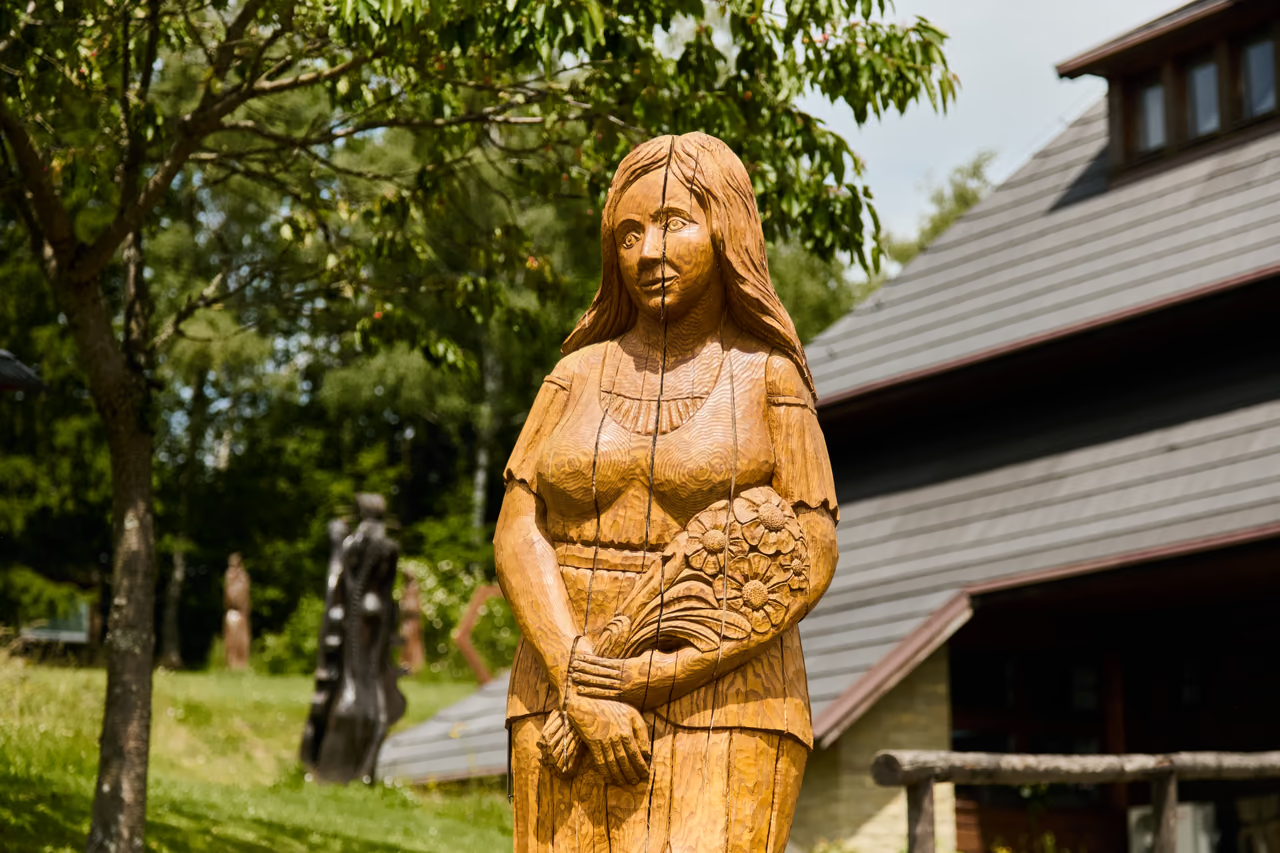
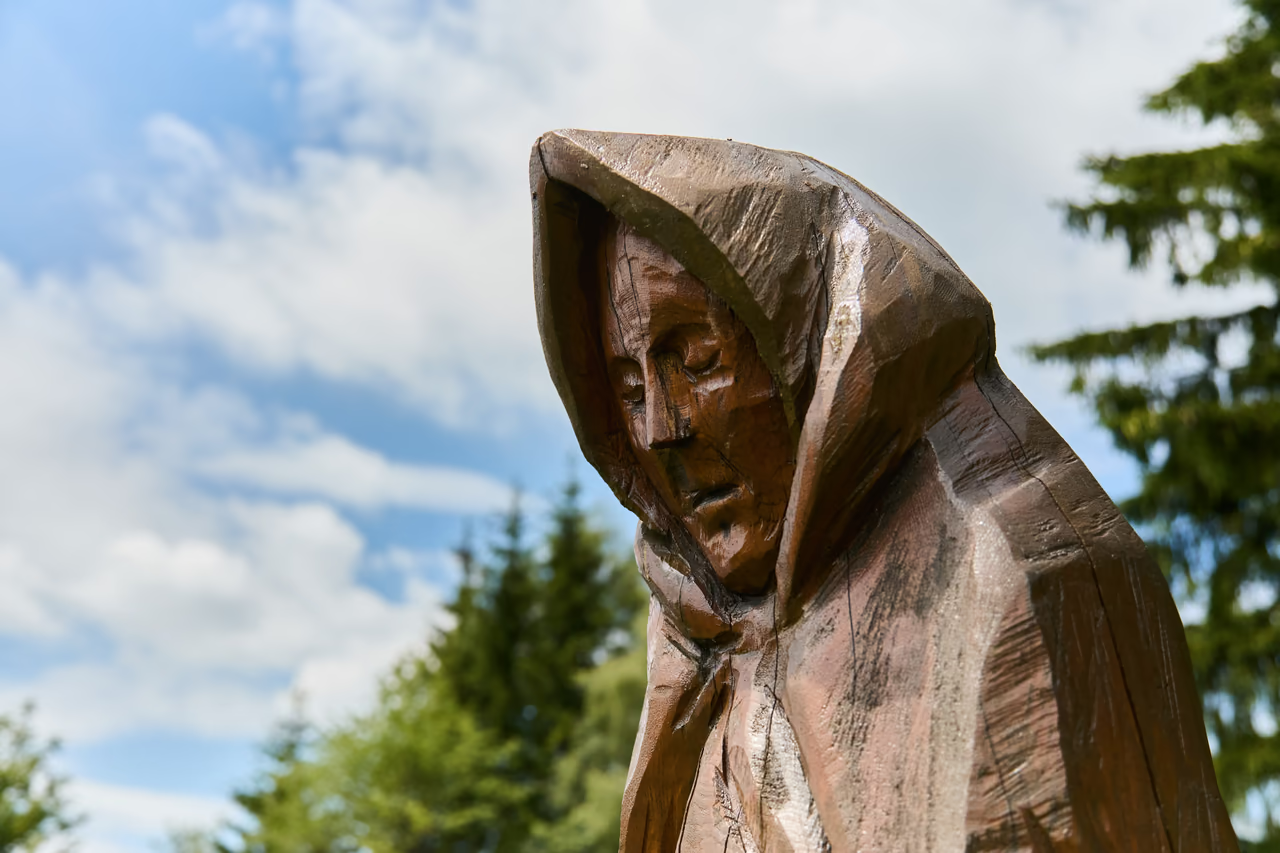
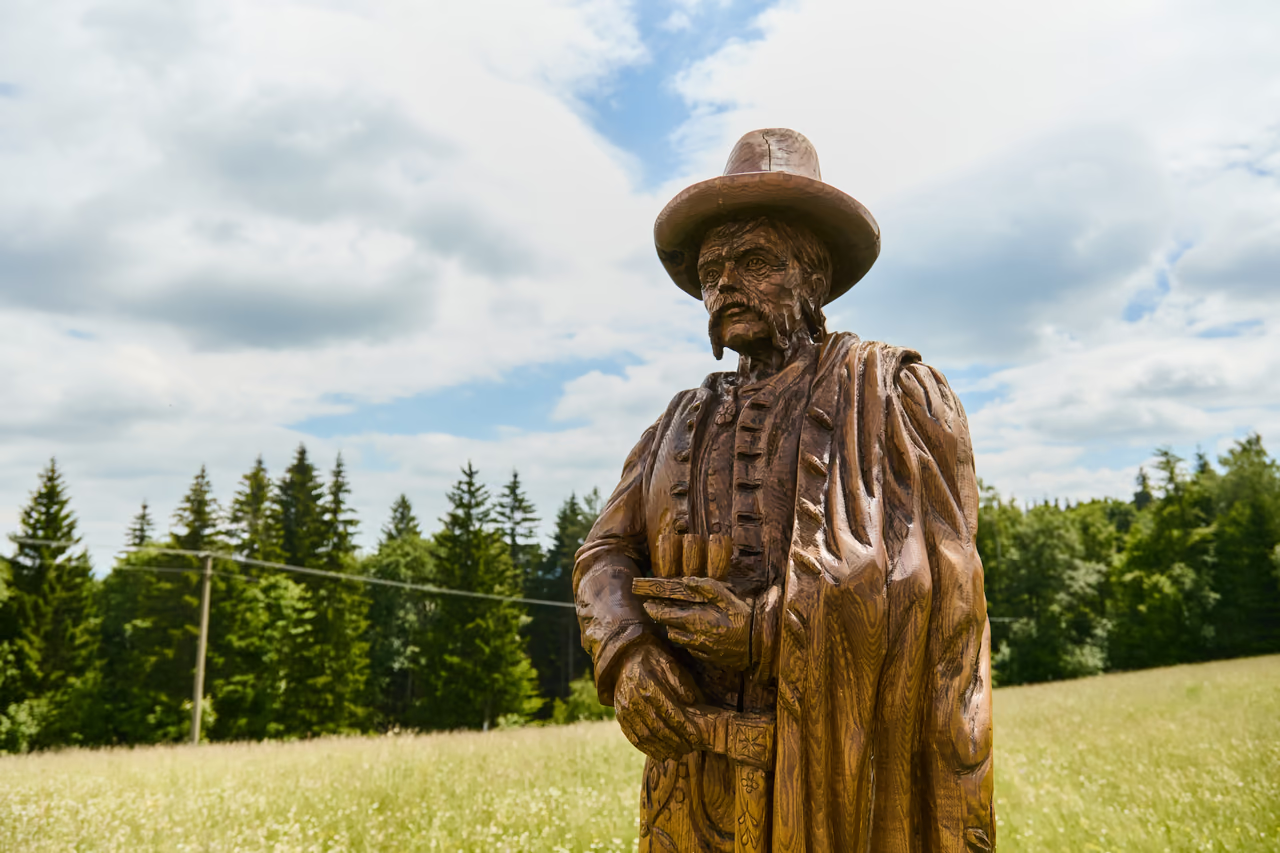
The sculptures were made at sculpture symposia by the bell tower and depict figures from Wallachian stories and legends.
From a guard post of the portáši through an inn full of paintings to a bell tower that fulfilled a sixty-year-old dream.
The portáši
An old trade route from Hungary into Moravia ran through the saddle. From the beginning of the 18th century a wooden guard hut stood here – a čarda – kept by the portáši, the Wallachian land guard, who protected the border, the roads and order in the mountains.
The guard post gave the place its name: the čarda became Čarták. The name passed to the inn, to the saddle and to the bus stop.
A place to sleep that became the Wallachian Olympus
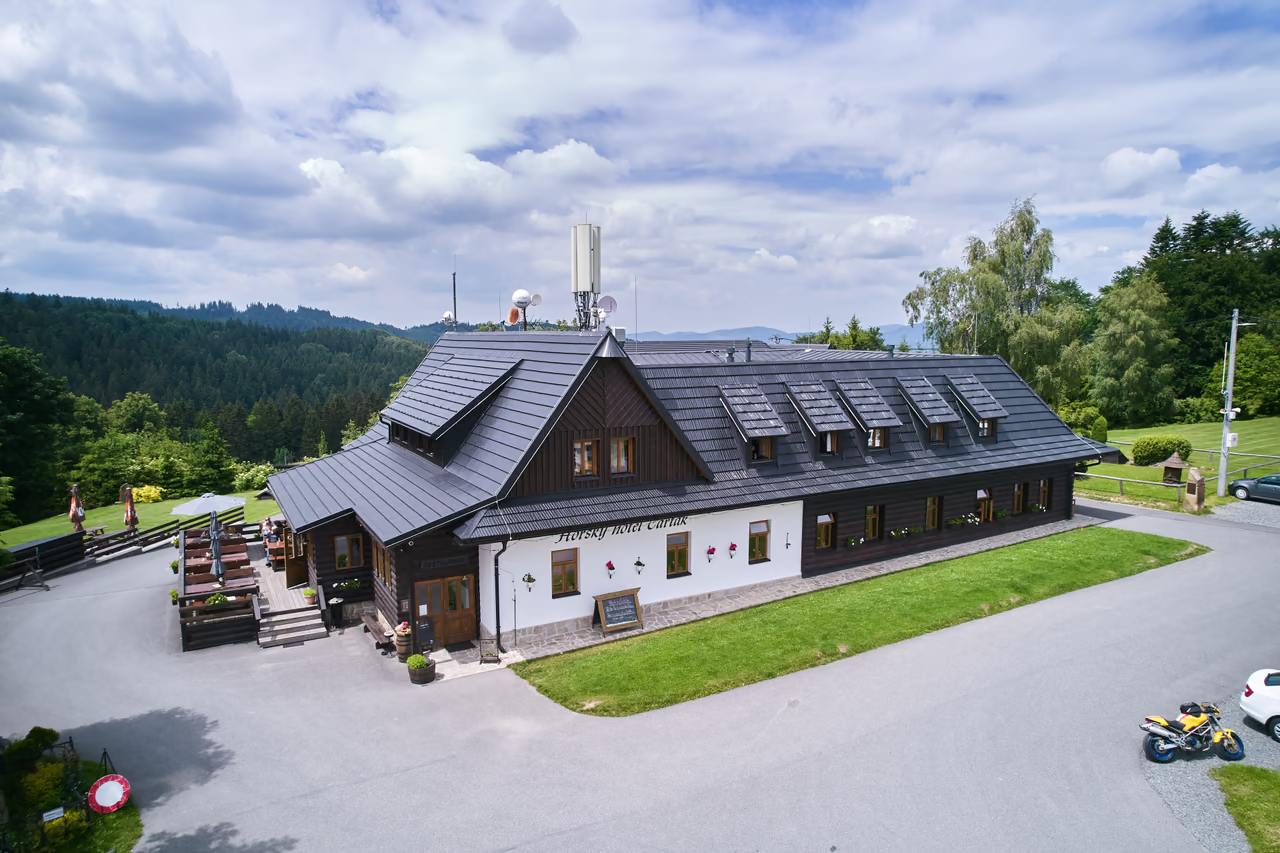
Merchants and carters travelled the route through the saddle – with nowhere here to spend the night or feed their horses. So in 1832 Countess Kinská founded the first coaching inn here – it burned down three times and was rebuilt each time.
The inn made its name under the Vašut family, who took it over in 1884. Among its regulars were painters such as Jan Kobzáň, František Podešva and Karel Hofman – they began calling the mountain Soláň the Wallachian Olympus. They paid the innkeeper in pictures rather than money, and so the first gallery came into being on Čarták.
A mountain hotel stands today where the old inn was.
A dream that took sixty years to ripen
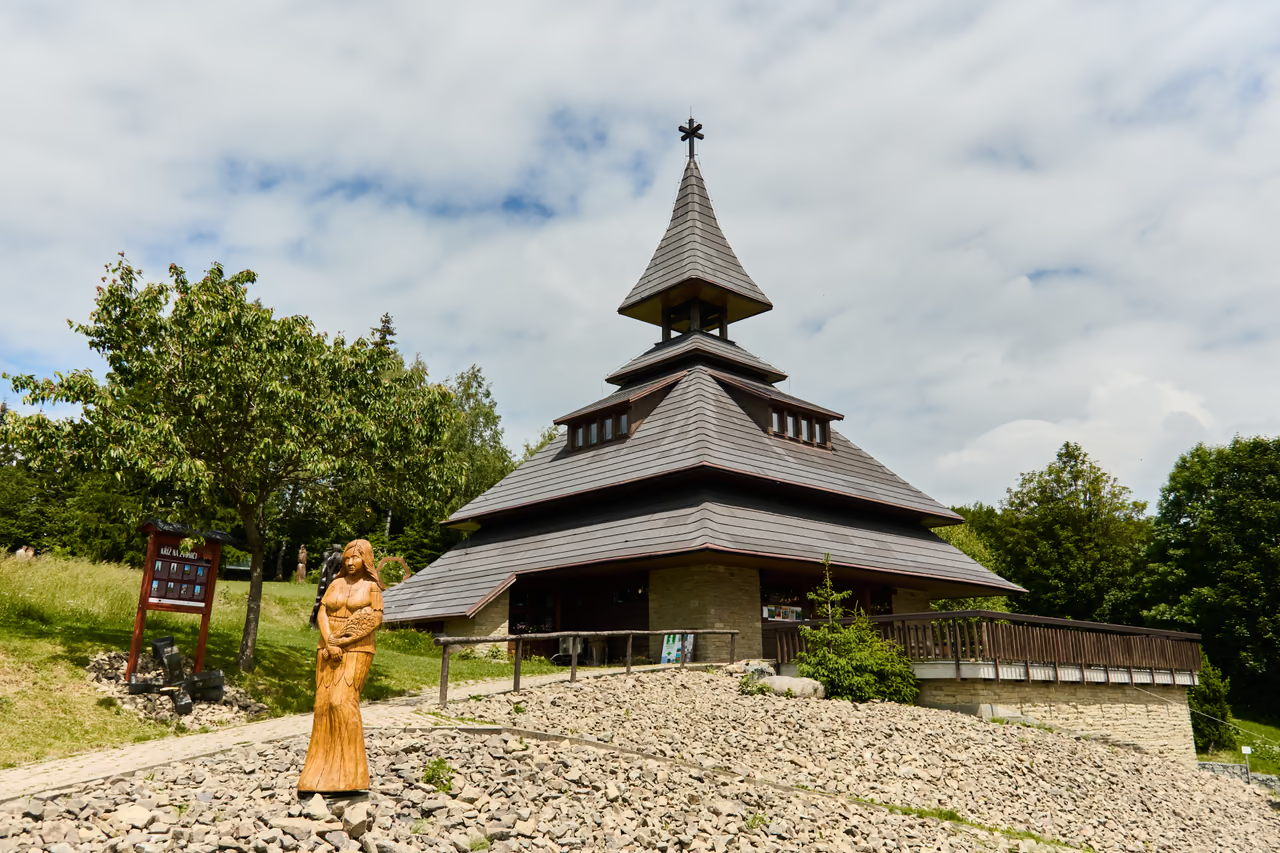
The idea of building a wooden chapel-cum-bell-tower on Soláň came as early as the 1940s from the painter František Podešva. It took more than sixty years to be realised: on 18 November 2006 Sdružení pro rozvoj Soláně opened a bell tower to the design of the architect Jiří Kotásek. It follows the tradition of Wallachian bell towers, but hides something different inside.
The bell tower holds an information centre, a permanent display of Wallachian artists and an exhibition hall. It opened with the first Valašský salón – an exhibition tradition that Podešva himself had started.
Timeline
From a guard post of the portáši to a gallery in the open air. Eight stops across three centuries.
18th century
A guard post stands at a crossroads of trade routes, kept by the portáši. After it the place comes to be called Čarták.
1832
The inn in the saddle is founded by Countess Kinská. It later burns down three times – and is rebuilt each time.
1884
The Vašut brothers settle at the inn. In Karlovice people start calling them “the Čarták ones”.
1888
He buys the inn from the Kinský estate. In his time Čarták becomes a celebrated stop for walkers and painters alike.
1941
Vašut's youngest daughter takes over the inn. Twenty years later she sells it, and the owners then change hands.
1940s
The painter František Podešva proposes building a wooden chapel-cum-bell-tower on Soláň – a place of art and information.
2006
The foundation stone on 5 May, the ceremonial opening on 18 November. Podešva's vision is realised sixty years on.
2008–2010
Sculpture symposia by the bell tower and a nature trail along the ridge: 35 wooden sculptures rise in the landscape of Soláň.
From the čarda – a wooden guard post that stood here from the beginning of the 18th century on the old trade route from Hungary into Moravia. It was kept by the portáši, the Wallachian land guard.
A coaching inn was founded here in 1832 by Countess Kinská. In 1888 Jura Vašut bought it from the estate, and under him Čarták won its fame among walkers and painters.
Because of painters such as Jan Kobzáň and František Podešva, who came here and earned the mountain the nickname. They painted here and paid the innkeeper Vašut in pictures rather than money.
An information centre, a permanent display of Wallachian artists and an exhibition hall. The bell tower opened on 18 November 2006 – the idea of building it here came from the painter František Podešva as early as the 1940s.
Along five kilometres of trail there are ten stops and thirty-five wooden sculptures in all. They were made at sculpture symposia by the bell tower and depict figures from Wallachian stories.
Otázka 1 z 6
 Rysík→
A few quizzes and I get glasses, and I will feel properly educated.
Your rank: Homebody. You do not have a single stamp yet. Visit any place and become a Pilgrim.
You can experience the Beskids and Moravian Wallachia with Rysík and without him. Rysík would love to be there for it. Whether you take him along and take on the challenges with him is up to you.
You can find your favourite places in your account. On the Walking routes page you can use them to filter routes.
Suggest a more accurate wording.