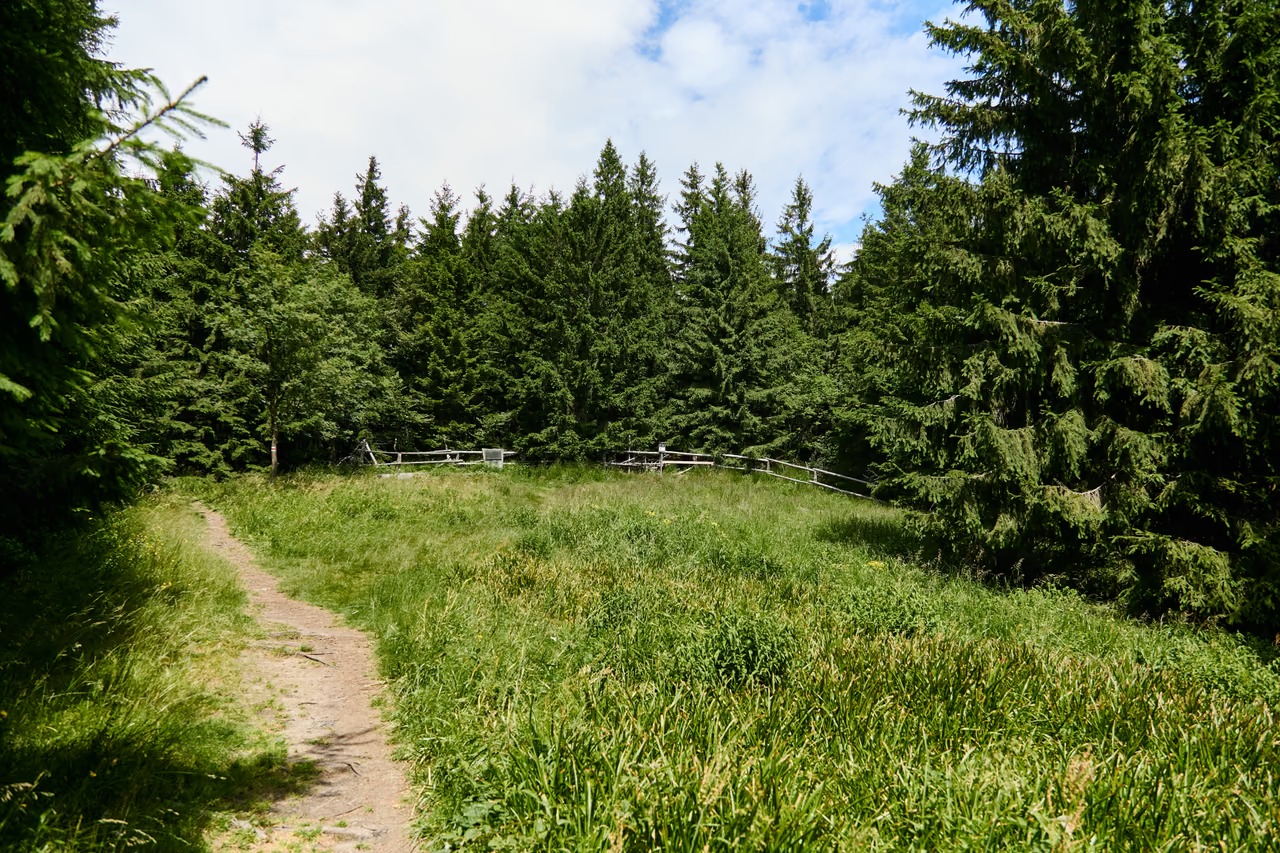
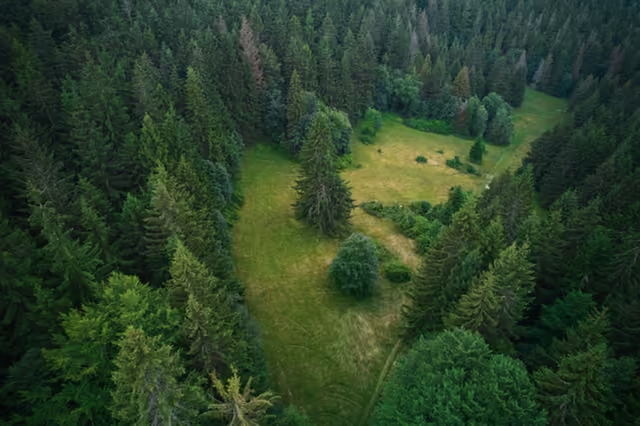
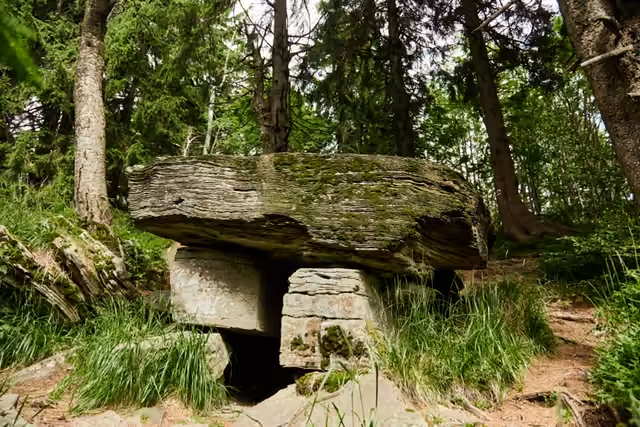
Tall grass on Kněhyňská louka below the summit of Kněhyně, with a wall of mature spruces behind it under a blue sky

The Beskids • the third highest mountain • summit closed

Kněhyně

The summit belongs to natural mountain forest and its rare inhabitants - people are not allowed in. The walking routes stay lower down.

One of the most valuable forests in the Beskids

Kněhyně (1,257 m) is the third highest mountain in the Beskids, after Lysá hora (1,323 m) and Smrk (1,276 m). Rare natural mountain forest grows on its summit and its slopes - and that is what makes it one of the most valuable parts of Beskid nature.

Kněhyně falls under the strictest category of protection: it is part of the Kněhyně – Čertův mlýn national nature reserve, one of only seven in the whole Beskydy Protected Landscape Area. The summit itself forms the core of the reserve and is closed to people.

Why it is rare

Natural forest on three summits only

Natural mountain spruce forests have always grown in the Beskids only on the three highest summits - Lysá hora, Smrk and Kněhyně. On Kněhyně a remnant of them has survived, along with the original mountain ecotype of spruce.

What to respect

A closed summit and quiet for wildlife

The summit of Kněhyně forms the core of the reserve and no waymarks lead there. Stay on the waymarked trail, do not enter the caves and keep your dog on a lead.

When to go

On the waymarks, in daylight

A red-waymarked trail leads from Pustevny to Kněhyňská louka below the summit. Spring and autumn are finest; leave the spring and summer nights and the mating season to the wildlife.

Only the summit is closed

The rest of the mountain is open to walkers

Only the summit of Kněhyně itself is closed, not the whole mountain. A red-waymarked trail runs below it from Pustevny, skirting the summit, and can be walked without restriction. It passes places you may enter - Kněhyňská louka, the U Partyzánky spring and the memorial to Růžena Valentová.

Stránka výletuThe Pustevny – Čertův mlýn – Kněhyně reserve routeThe exact route, its stages, the stops along the way and the practical details are on the walk's own page.Otevřít trasu
The Kněhyně reserve - Kněhyňská louka360°
A path through tall grass to Kněhyňská louka, with a wall of mature spruce forest around
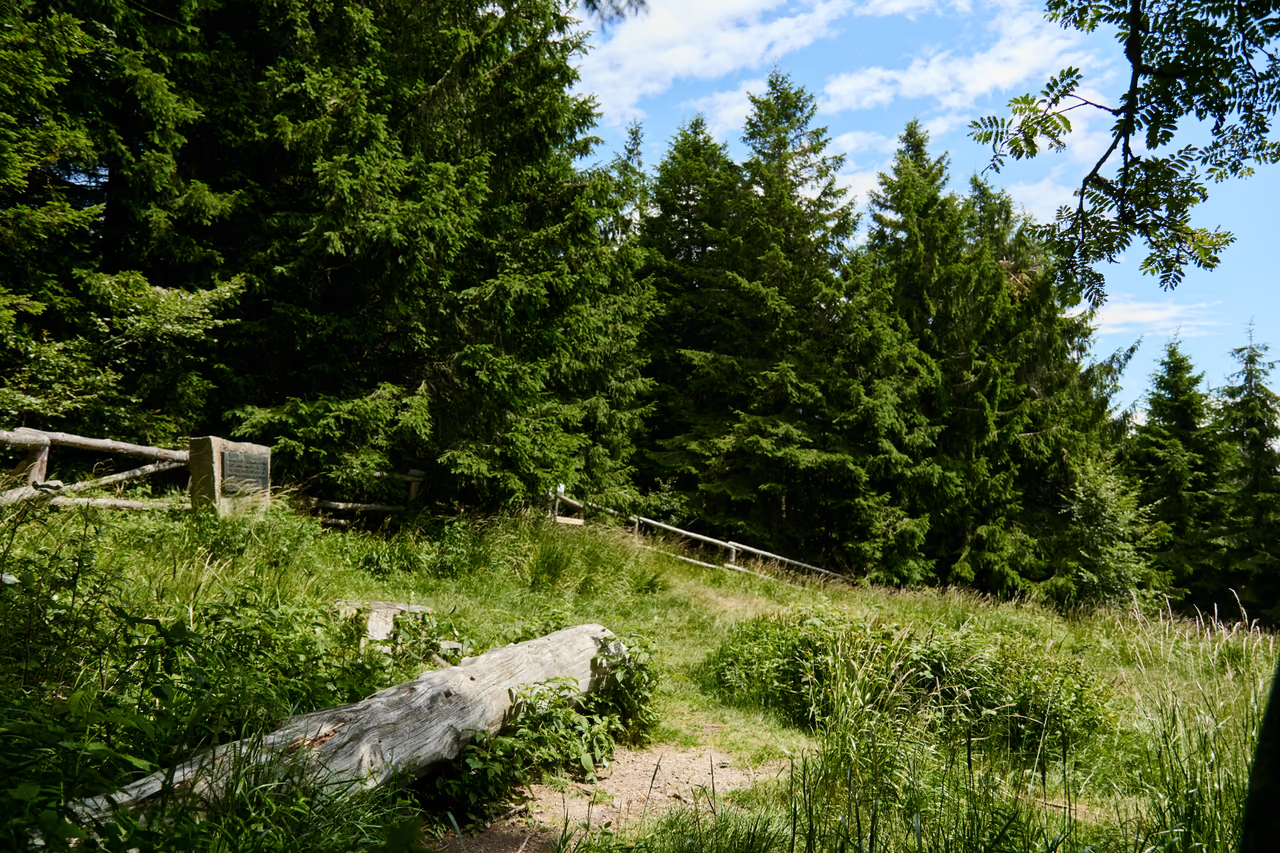
The waymarked path at the edge of Kněhyňská louka with a wooden fence and a stone with a memorial plaque beside it
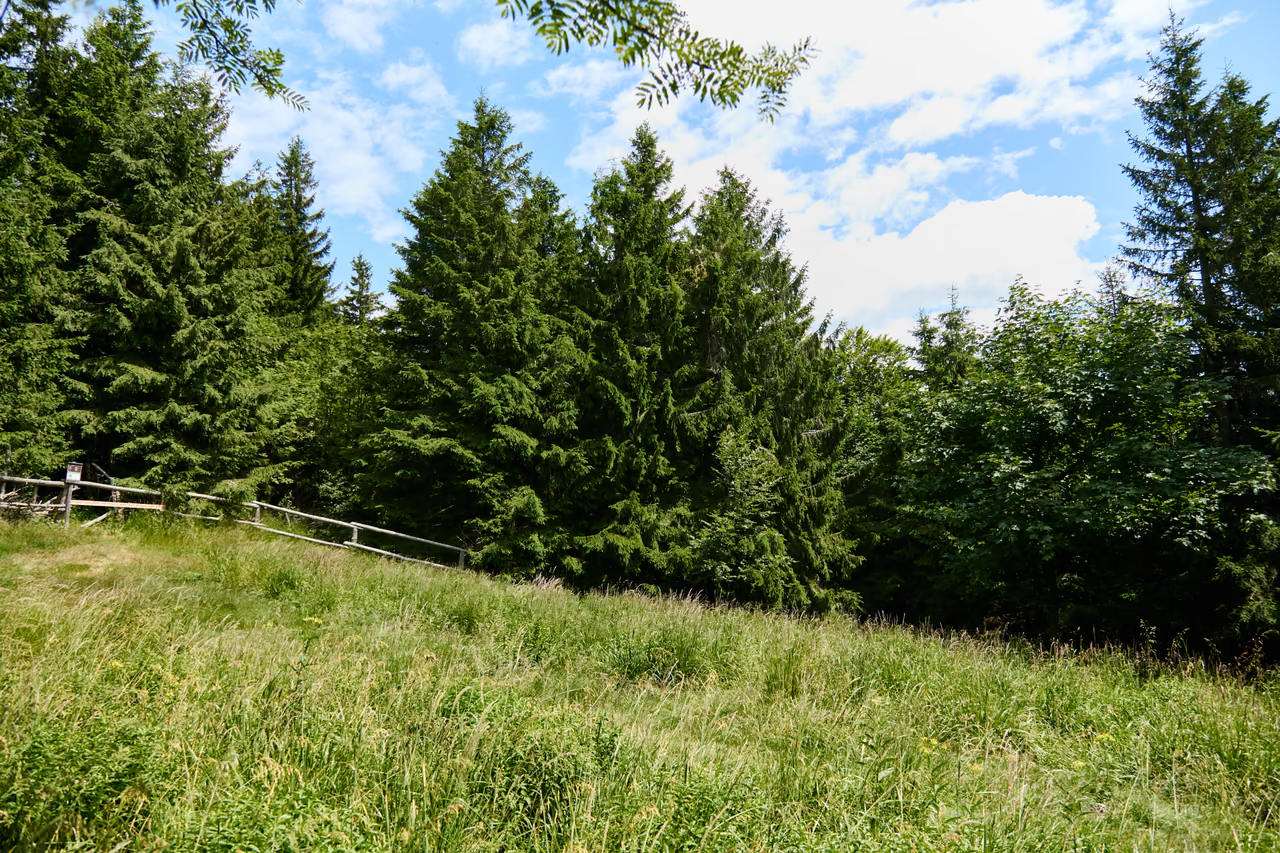
A meadow on a slope with a wooden fence beneath mature spruces on Kněhyňská louka

A 360° panorama of the accessible places along the waymarked trail. The summit of Kněhyně is not among them - the core of the reserve is off limits.

The story of the old-growth forest on Kněhyně

The last forest of its kind in the Beskids remains up there. It has grown naturally for thousands of years.

An island of original forest

A spruce forest that has always belonged here

Almost all of the Beskids is covered with spruce today - but commercial spruce, in tidy planted rows. The natural mountain spruce forest that grows here by itself has always survived only on the three highest summits – Lysá hora, Smrk and Kněhyně. At middle altitudes beech and fir prevail.

One of the three last islands of natural spruce forest lies on the summit of Kněhyně. On the steep slopes below it grow spruce-fir beech woods, while the flat summit itself is covered with stunted rowan-spruce woods. The main tree in the summit area is Norway spruce - and it is a spruce with a surviving original population of the rare mountain ecotype, a tree that has grown here for thousands of years.

What grows beneath the trees and among the stones is rare as well: the shrub rock currant and alpine currant survive in the summit zone, and a whole range of mountain herbs grows in the exposed scree. It is not one species that is protected on Kněhyně - it is the entire composition of a forest that has survived nowhere else.

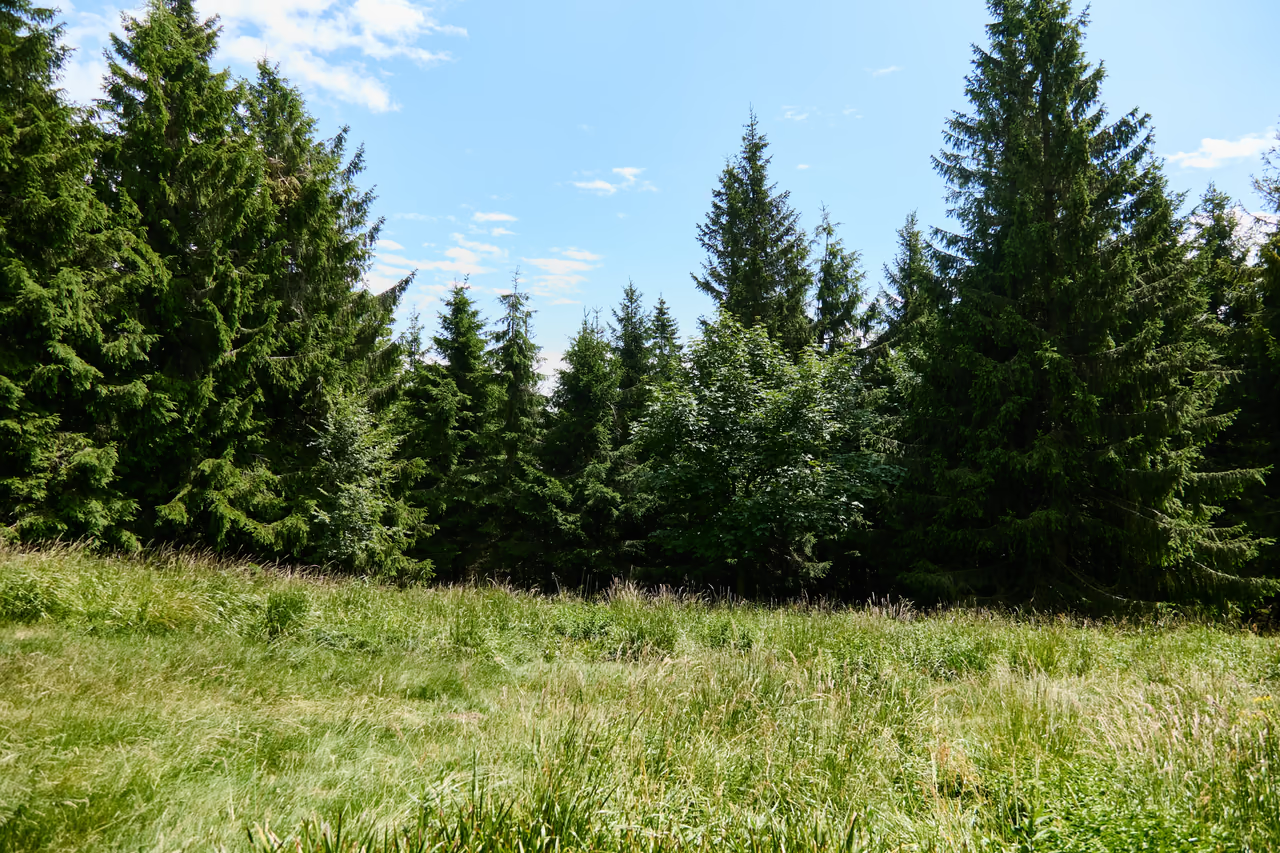
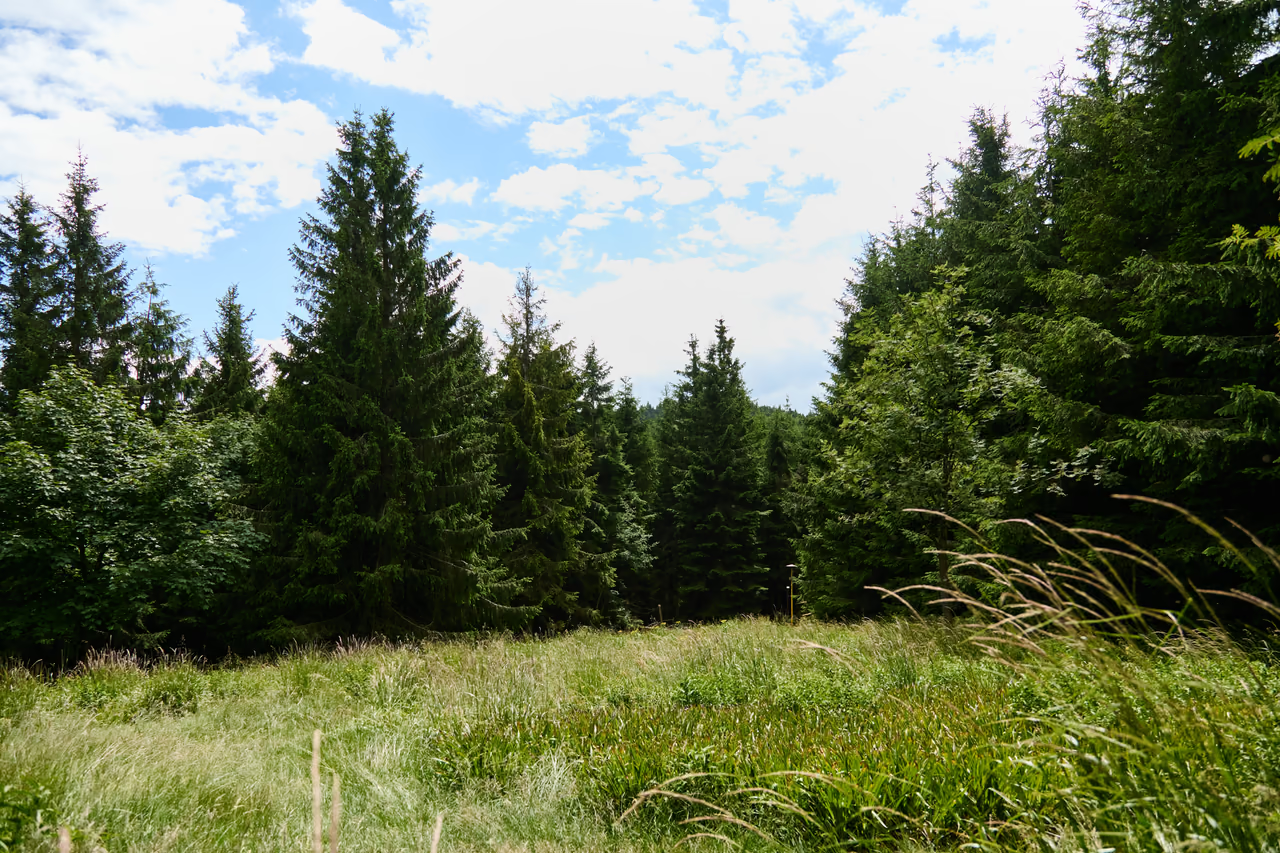
Mature spruces above tall grass at the edge of Kněhyňská louka, a blue sky with clouds above them
Spruces above Kněhyňská louka below the summit. Higher up, into the summit spruce forest, walking stops - that is the core of the reserve.

Why the summit is off limits

A mountain we left to the forest

No waymarked trail leads to the summit today - conservationists withdrew the waymarks in 2007, when visitor numbers in the summit areas of the Beskids became unsustainable. Climbing to the summit has been banned ever since.

The summit forms the core of the reserve and leaving the marked trails is an offence. The Eurasian lynx needs the quiet here for breeding, as does the critically endangered western capercaillie, of which only a few individuals remain in the Beskids. Trampling also threatens the Moravian monkshood - a plant that grows in Czechia almost exclusively here. Rangers patrol the summit and issue fines.

the third highest mountain in the Beskids
1,257 m
waymarks to the summit
0
illegal entries a year
up to 800
What grows and lives here

The tenants of the summit forest

The summit of Kněhyně offers quiet and old forest. Rare plants depend on them, and so does the capercaillie, which reveals how the forest is faring. The rarest of the plants is the poisonous Moravian monkshood, an endemic that grows in the whole of Czechia only in the Moravian-Silesian Beskids; with it come willow gentian, alpine blue-sow-thistle and clasping twistedstalk. The forest is also a habitat of the Eurasian lynx, and in recent years a brown bear has wandered in several times.

The summit forestPlants that grow nowhere else

Mountain species tied to the cool, damp and undisturbed forest on the summit of Kněhyně. They grow here rarely and slowly.

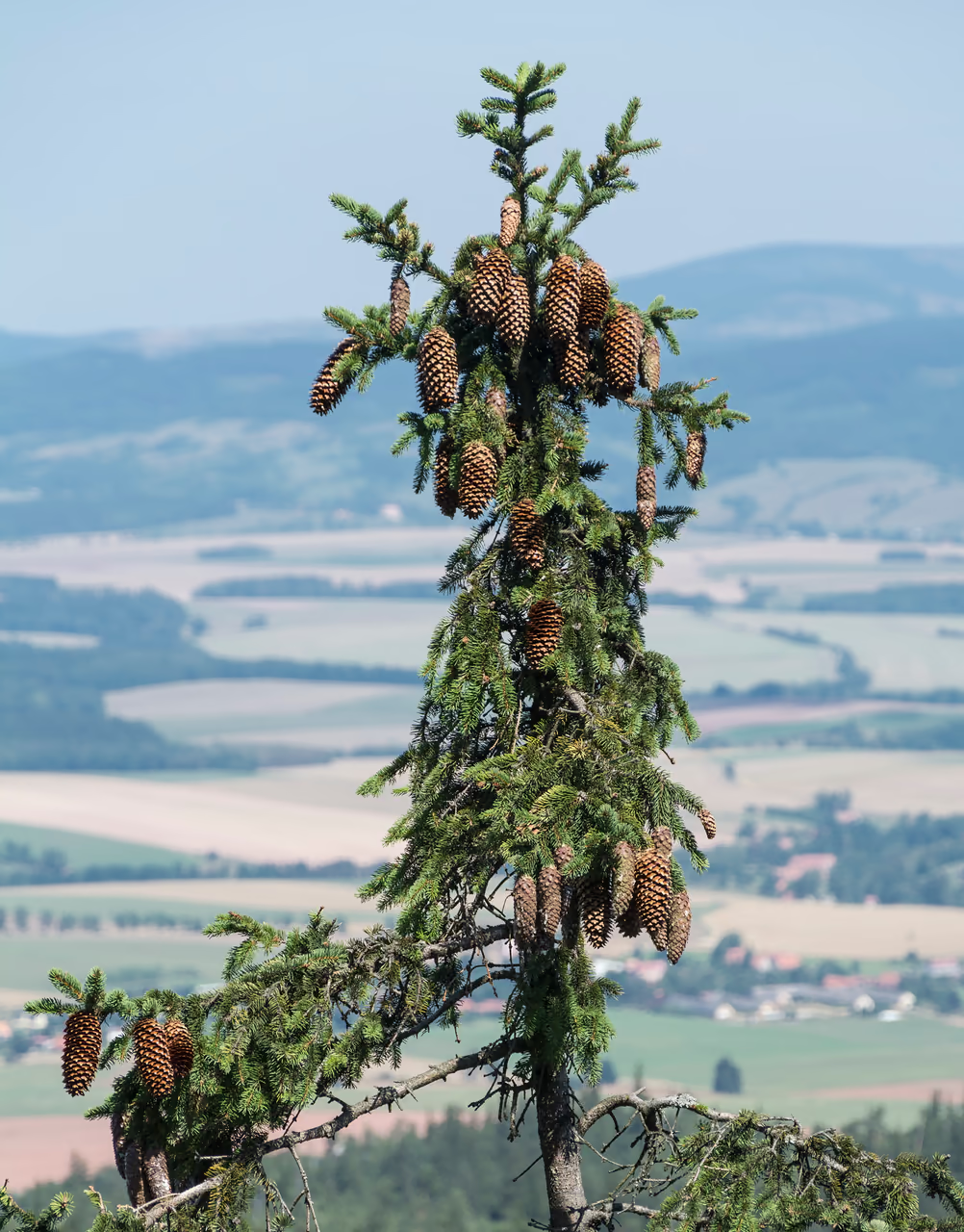
  • The narrow columnar crown of a mountain Norway spruce with long hanging cones above a mountain landscape

    Norway spruce - the mountain ecotype

    Picea abies

    The summit area of Kněhyně has kept the original population of a rare mountain ecotype - trees that have grown here for thousands of years. You can recognise the mountain form by its narrow, columnar crown with short branches (which hold less snow) and by its long hanging cones, the longest of our spruces.

    Foto: Jacek Halicki, Wikimedia Commons, CC BY-SA 4.0
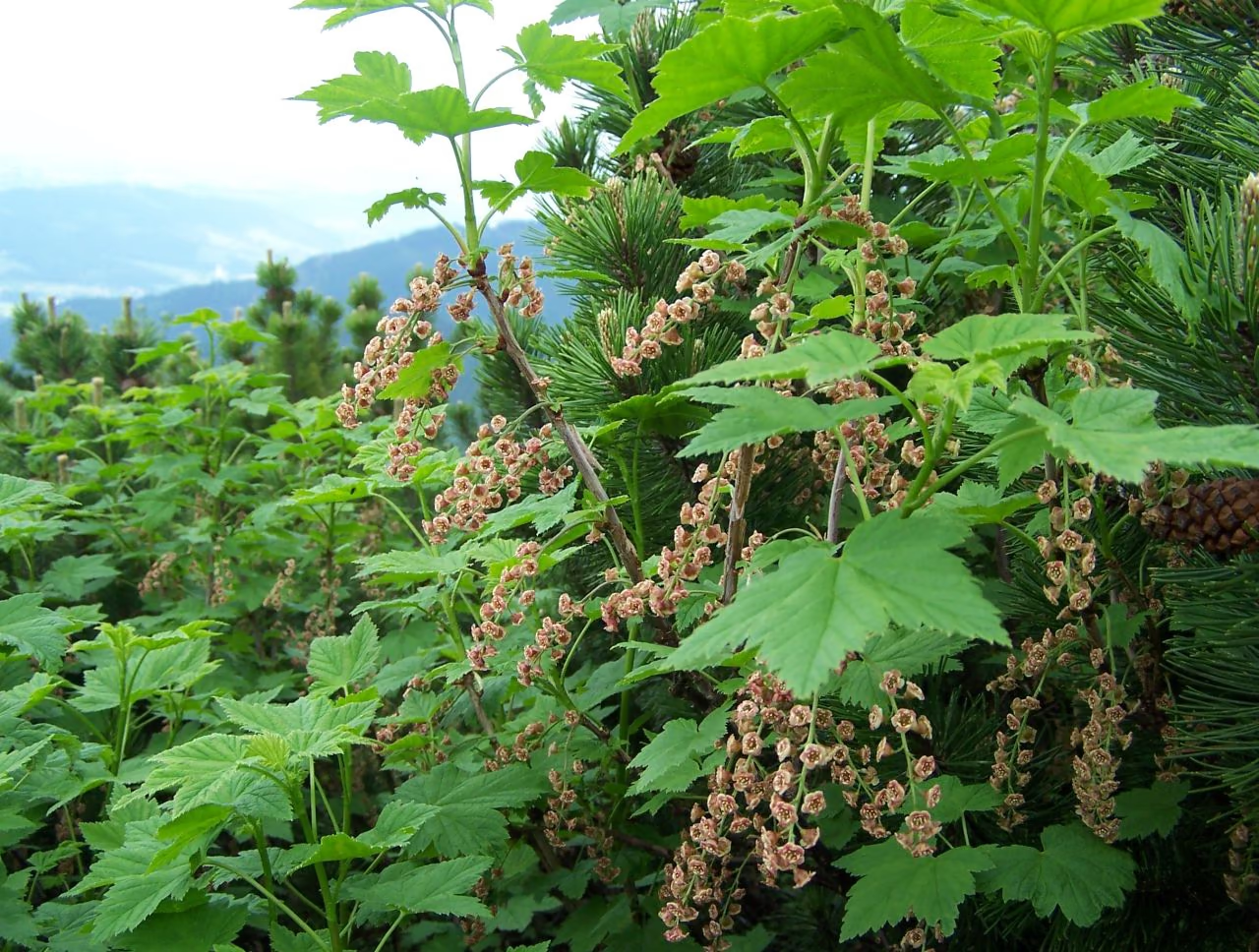
  • A rock currant shrub with hanging clusters of small flowers, a mountain ridge behind

    Rock currant

    Ribes petraeum

    A rare mountain shrub related to the garden currant. In the summit zone it survives together with alpine currant on stony scree, where ordinary forest cannot reach.

    Foto: opioła Jerzy, Wikimedia Commons, CC BY 2.5
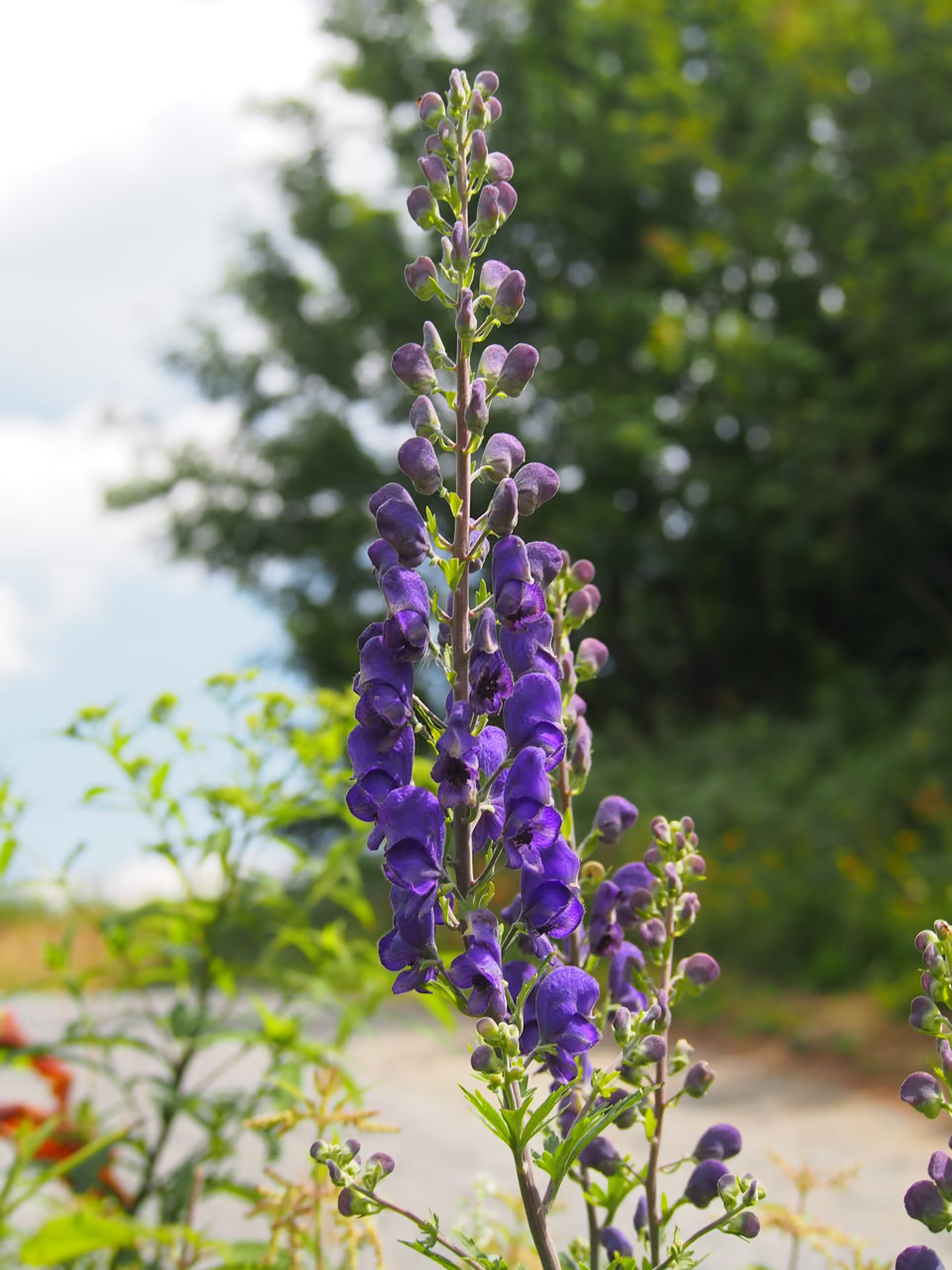
  • A tall spike of blue-violet helmet-shaped monkshood flowers above meadow vegetation

    Moravian monkshood

    Aconitum firmum subsp. moravicum

    A highly poisonous mountain herb with blue-violet helmet-shaped flowers - an endemic that grows in the whole of Czechia only in the Moravian-Silesian Beskids.

    Foto: Mizera Ondřej, Wikimedia Commons, CC BY-SA 4.0

Quiet and old forestWho has the most to lose here

The Eurasian lynx hunts here in silence and the western capercaillie needs a vast old forest - both vanish as soon as the quiet goes. Stay on the marked trails, keep quiet and keep your dog on a lead.

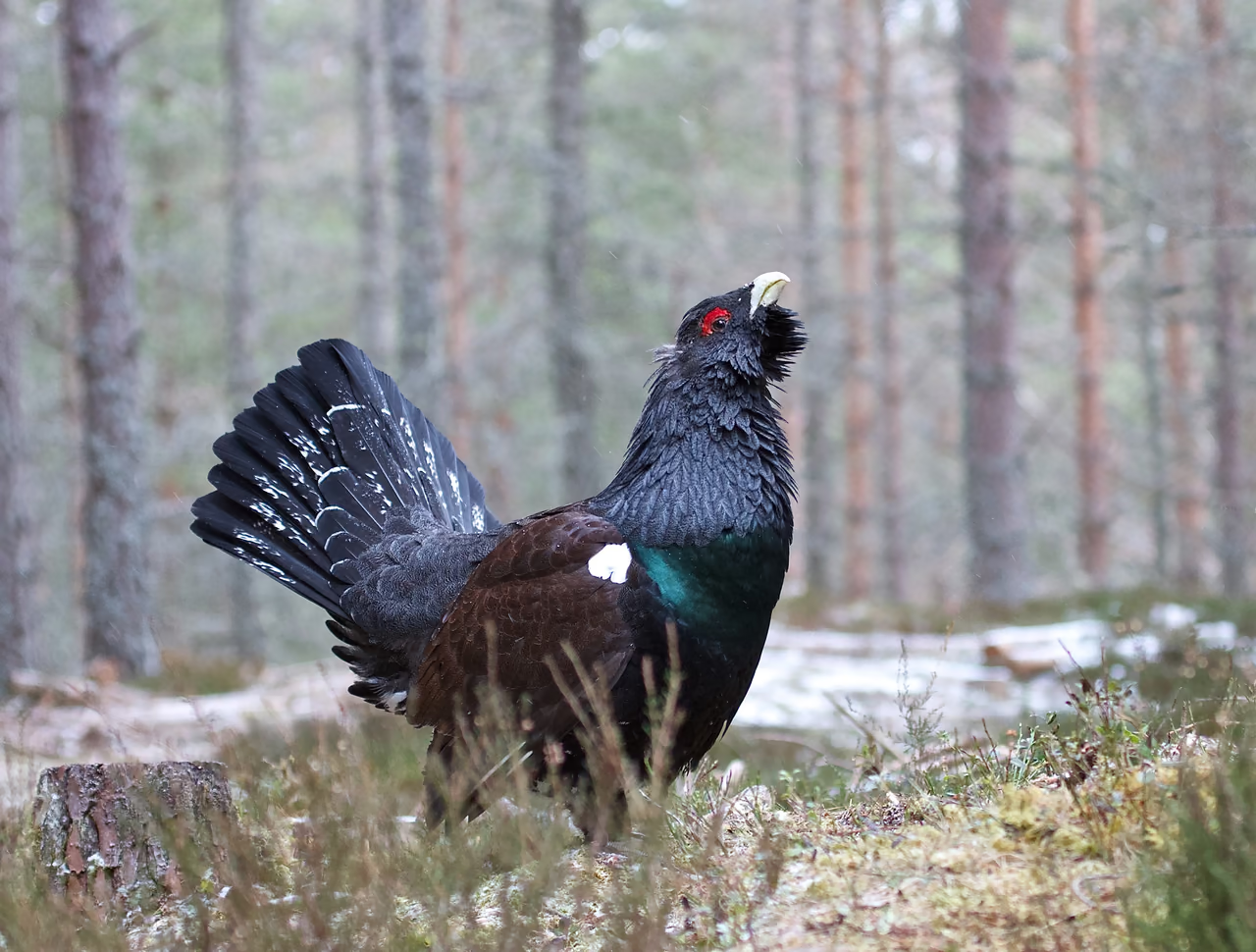
  • A displaying male western capercaillie with its tail spread like a fan in a pine forestOn the brink

    Western capercaillie

    Tetrao urogallus

    Europe's largest grouse and a measure of a healthy mountain forest. Only a few individuals are left in the Beskids; since 2017 the population has been reinforced by a rearing station of Lesy ČR in Krásná pod Lysou horou. Kněhyně offers them the forest they need, but disturbance is pushing them out of it.

    Foto: Simon Bailey, Wikimedia Commons, CC BY 2.0
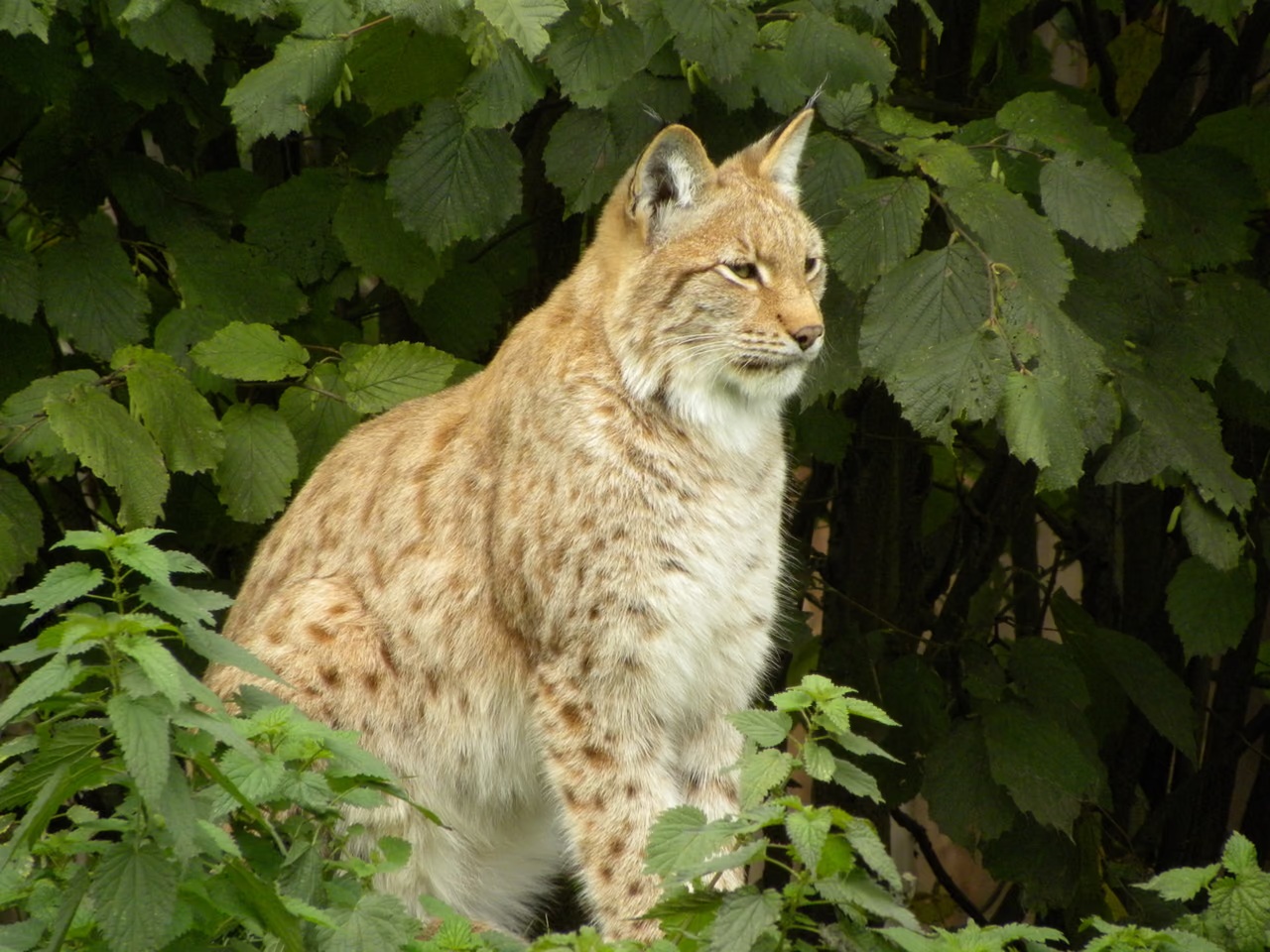
  • A Eurasian lynx with pronounced ear tufts sitting in tall forest undergrowth

    Eurasian lynx

    Lynx lynx

    Europe's largest cat. It moves through the summit forest hunting and looking for a mate - it needs silence and undisturbed thickets just as much as the capercaillie does.

    Foto: Tim Sträter, Wikimedia Commons, CC BY 2.0

The species photographs are taken from Wikimedia Commons - the author and licence are given with each picture. They show what the species looks like; they were not taken on Kněhyně itself.

Timeline

From the folding of the Carpathians to a closed summit

  1. the folding of the Carpathians

    A mountain rises from flysch

    The rocks of the Silesian unit fold and are thrust over one another; Godula sandstones form a ridge with summits above 1,200 m - Kněhyně (1,257 m) and neighbouring Čertův mlýn (1,206 m).

  2. after the ice age

    Spruce returns to the summit

    Natural mountain spruce forest returns to the highest Beskid mountains - Lysá hora, Smrk and Kněhyně - while beech and fir prevail lower down. On Kněhyně this rare forest has survived to this day.

  3. 19 January 1989

    The summit becomes the core of a reserve

    Kněhyně, together with Čertův mlýn, becomes part of a national nature reserve of the strictest category. The details are on the reserve page.

  4. the 1990s

    The capercaillie retreats

    The once common western capercaillie is now only rarely seen in the area. The Beskid population reaches the brink, increasing the pressure to preserve its last undisturbed habitat.

  5. 2007

    The summit closes

    Visitor numbers in the summit areas of the Beskids become unsustainable and conservationists close the trail to the summit of Kněhyně. Climbing to it has been banned ever since.

  6. 2017

    Capercaillies return to the mountains

    Lesy ČR begins releasing capercaillies reared in Krásná pod Lysou horou into the Beskids. For that to pay off, the birds need places where they have peace.

  7. today

    The summit stays closed

    A red-waymarked trail leads to Kněhyňská louka below the summit. Even so, the rangers' sensors count up to 800 people a year who go higher; entering the reserve can bring a fine of up to CZK 10,000.

Human traces below the mountain

Autumn 1944: who the memorials by the path commemorate

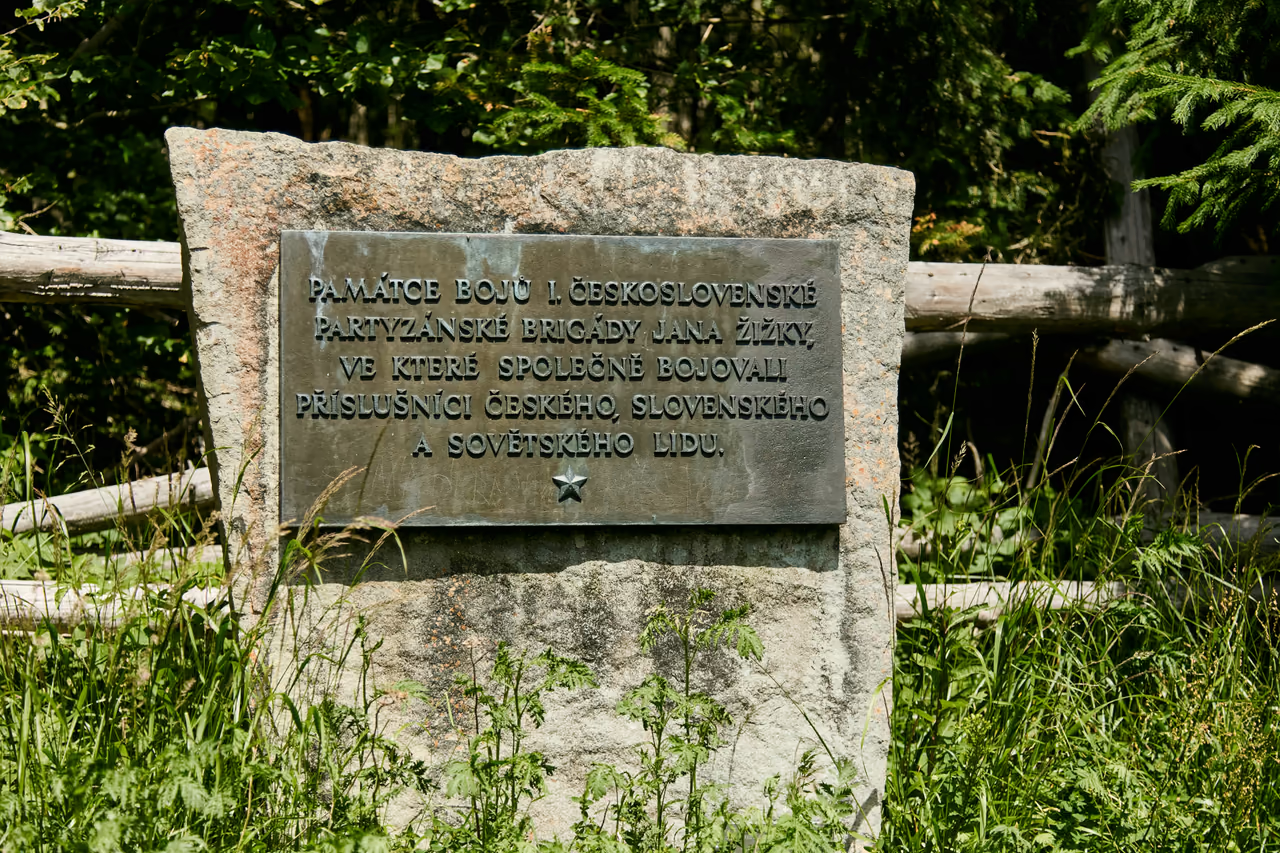
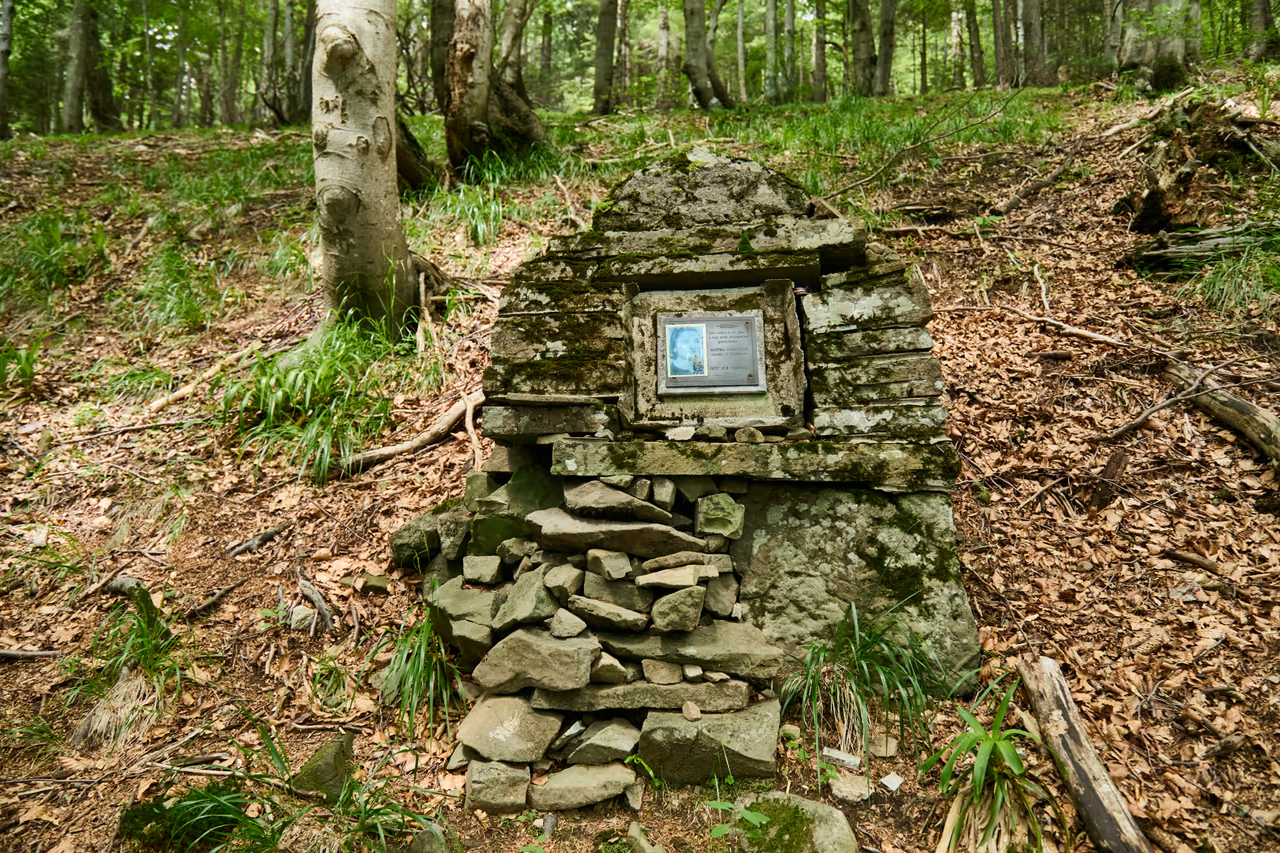
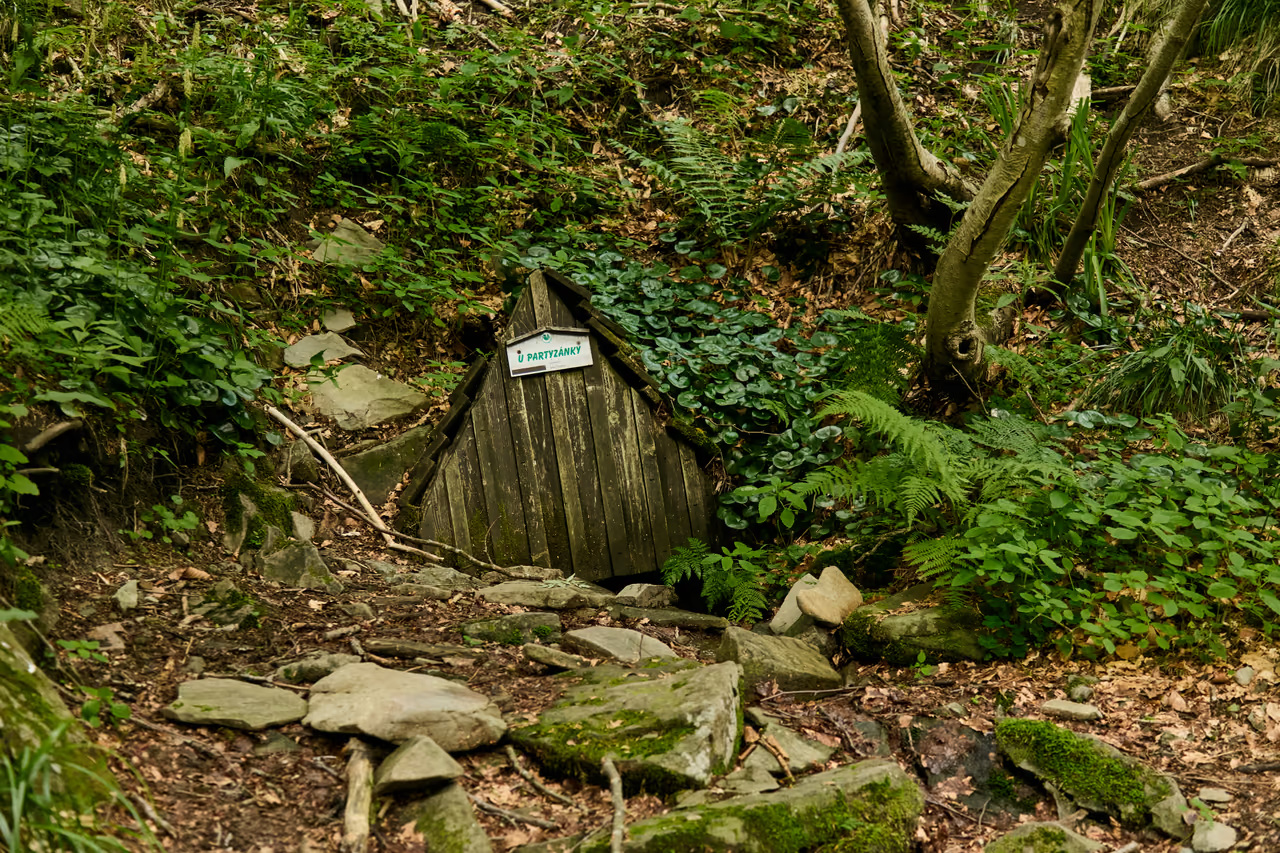
In the autumn of 1944 the forests below Kněhyně hid the bunkers of the 1st Czechoslovak Jan Žižka Partisan Brigade - and the waymarked path still passes reminders of that time. A stone with a plaque commemorating the brigade's fighting stands in the saddle by the signpost. A short way on along the waymarked route are the U Partyzánky spring and a memorial to the partisan Růžena Valentová, a teacher from Olomouc who was killed here on 6 November 1944.

The original spring and cairn lay deeper inside the reserve, on a dead-end branch off the waymarked trail. It was the route most often taken by people going down into the core of the reserve, so the waymarking team closed the branch trail; a new spring and a new memorial were built right beside the main route. They were made by children from the scout troop in Pražmo and from a primary school in Bohumín.

The stops along the route are shown on the walk's page; the partisan movement in the Beskids is covered by the Partyzán memorial.

A stone memorial with a bronze plaque commemorating the 1st Czechoslovak Jan Žižka Partisan Brigade by a forest path
The stone with a plaque commemorating the Jan Žižka brigade's fighting - it stands in the saddle right by the red waymarks.
The stone cairn of the memorial to Růžena Valentová with a plaque and a photograph in a beech forest
The original cairn of Růžena Valentová on a beech-covered slope. It lies in the core of the reserve, where the branch path no longer leads - entry is banned.
The triangular wooden roof of the U Partyzánky spring among stones and ferns on a forested slope
The original U Partyzánky spring under its wooden roof. It too was left inside the reserve, off the marked trails.
Na závěr

Doplňující info a test znalostí

Rychlá rekapitulace

Why is the summit of Kněhyně closed?

It lies in the core of a national nature reserve and no waymarked path leads there, so entry is banned by law. The Eurasian lynx, the western capercaillie and rare mountain plants need the quiet here.

How far can I go on the waymarks if the summit is closed?

To Kněhyňská louka - the furthest point the waymarked trail reaches. The rest of the mountain is closed.

What is so rare about the forests of Kněhyně?

Natural mountain forest grew in the Beskids only on the three highest summits - Lysá hora, Smrk and Kněhyně (1,257 m, the third highest mountain in the Beskids). Kněhyně has also kept the original population of the mountain ecotype of spruce.

I want to walk to a summit in the same reserve - where should I go?

To neighbouring Čertův mlýn, which does have a waymarked trail. Kněhyně and Čertův mlýn together form the Kněhyně – Čertův mlýn national nature reserve.

Is Kněhyně a reserve of its own?

No, Kněhyně is only the higher of the two summits of the Kněhyně – Čertův mlýn national nature reserve.

Závěrečný kvíz

Otázka 1 z 5

Where does Kněhyně (1,257 m) rank among the Beskid mountains?

RysíkRysík→

There is a quiz a little further up. Shall we try it?

A few quizzes and I get glasses, and I will feel properly educated.

Try the quiz

Your rank: Homebody. You do not have a single stamp yet. Visit any place and become a Pilgrim.

You can experience the Beskids and Moravian Wallachia with Rysík and without him. Rysík would love to be there for it. Whether you take him along and take on the challenges with him is up to you.

Save Kněhyně to your favourite places

You can find your favourite places in your account. On the Walking routes page you can use them to filter routes.

Something not right here?

Suggest a more accurate wording.