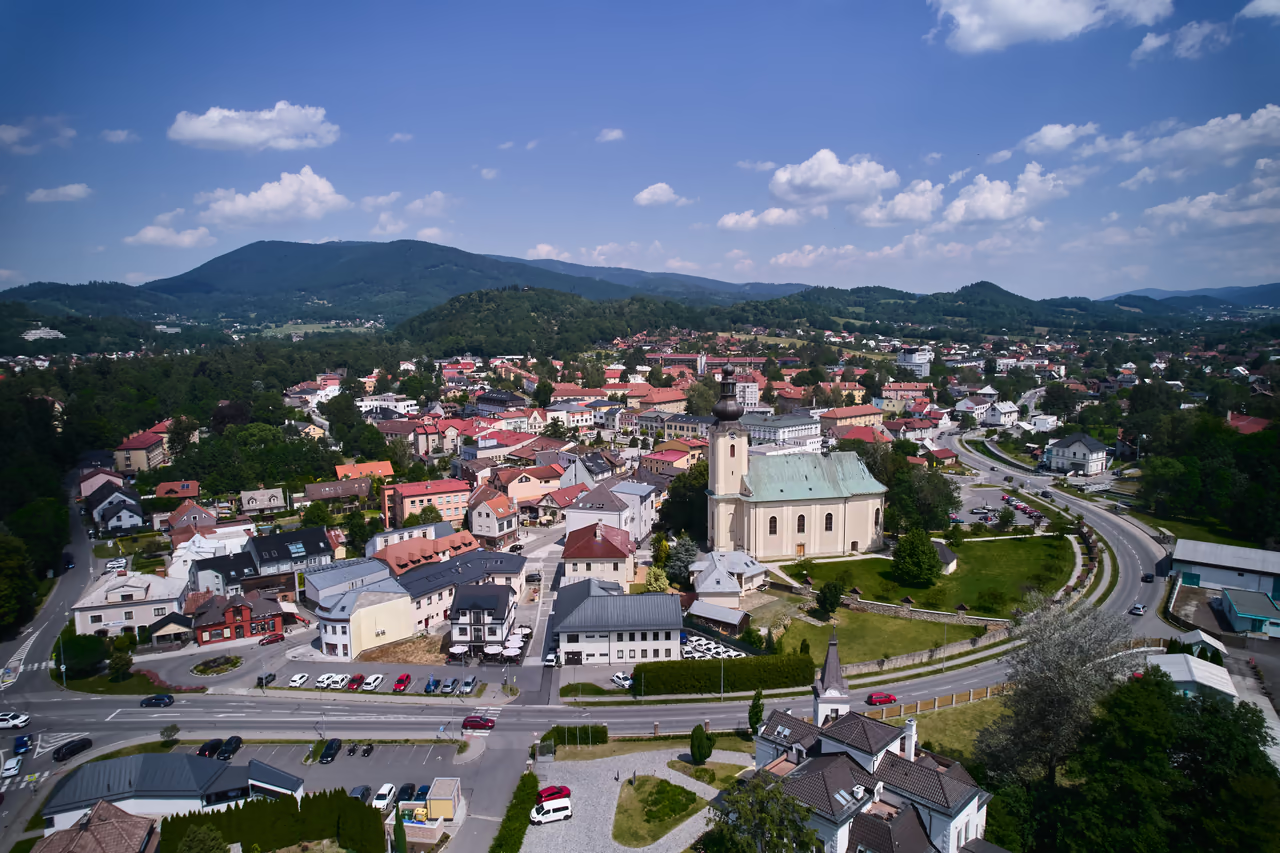
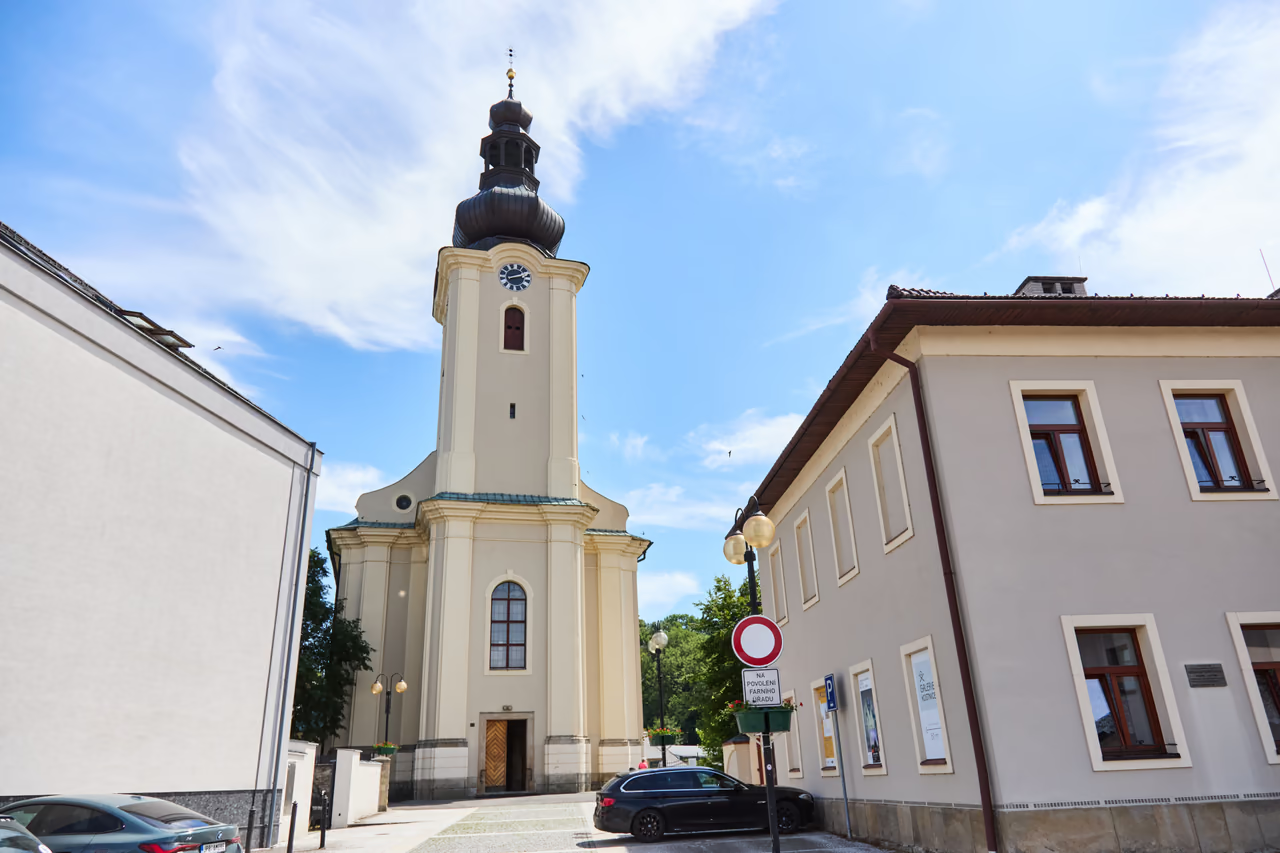
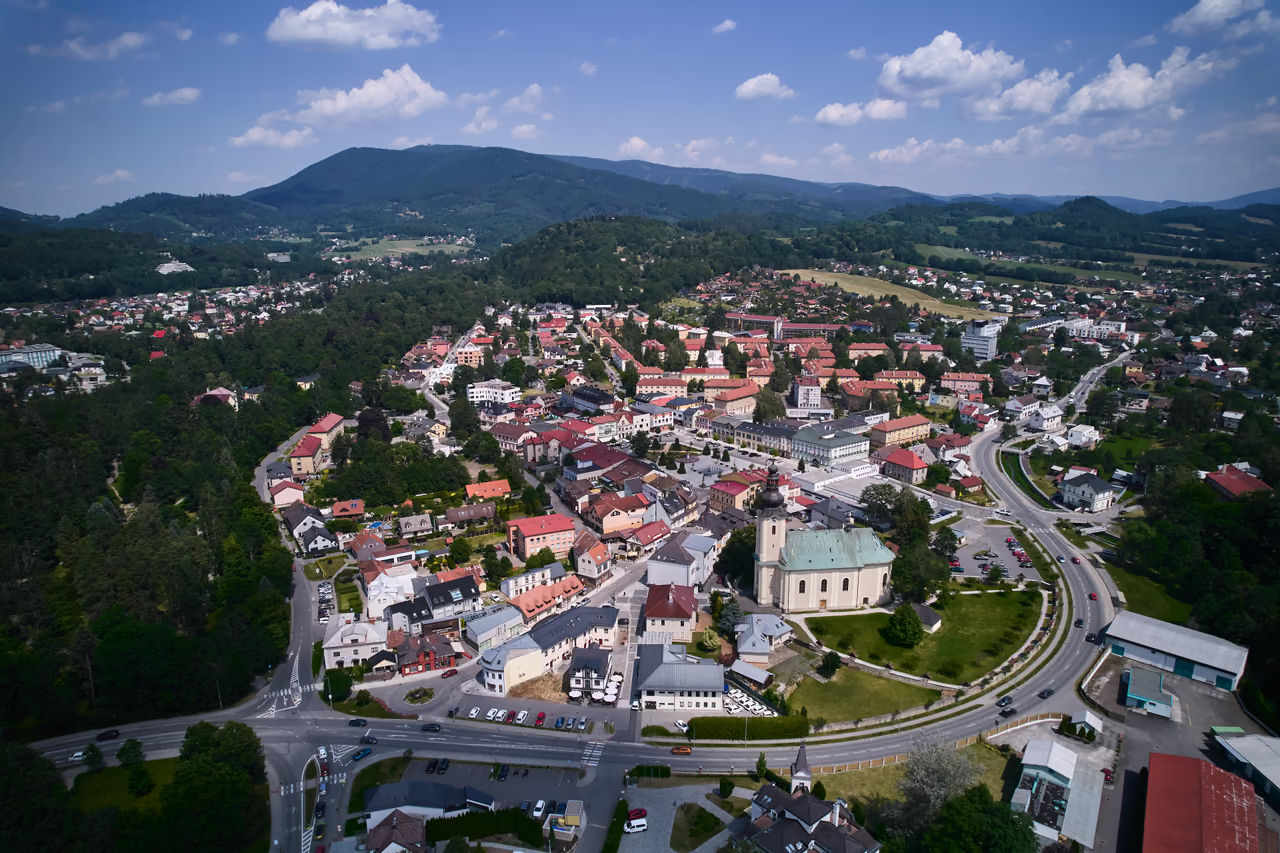
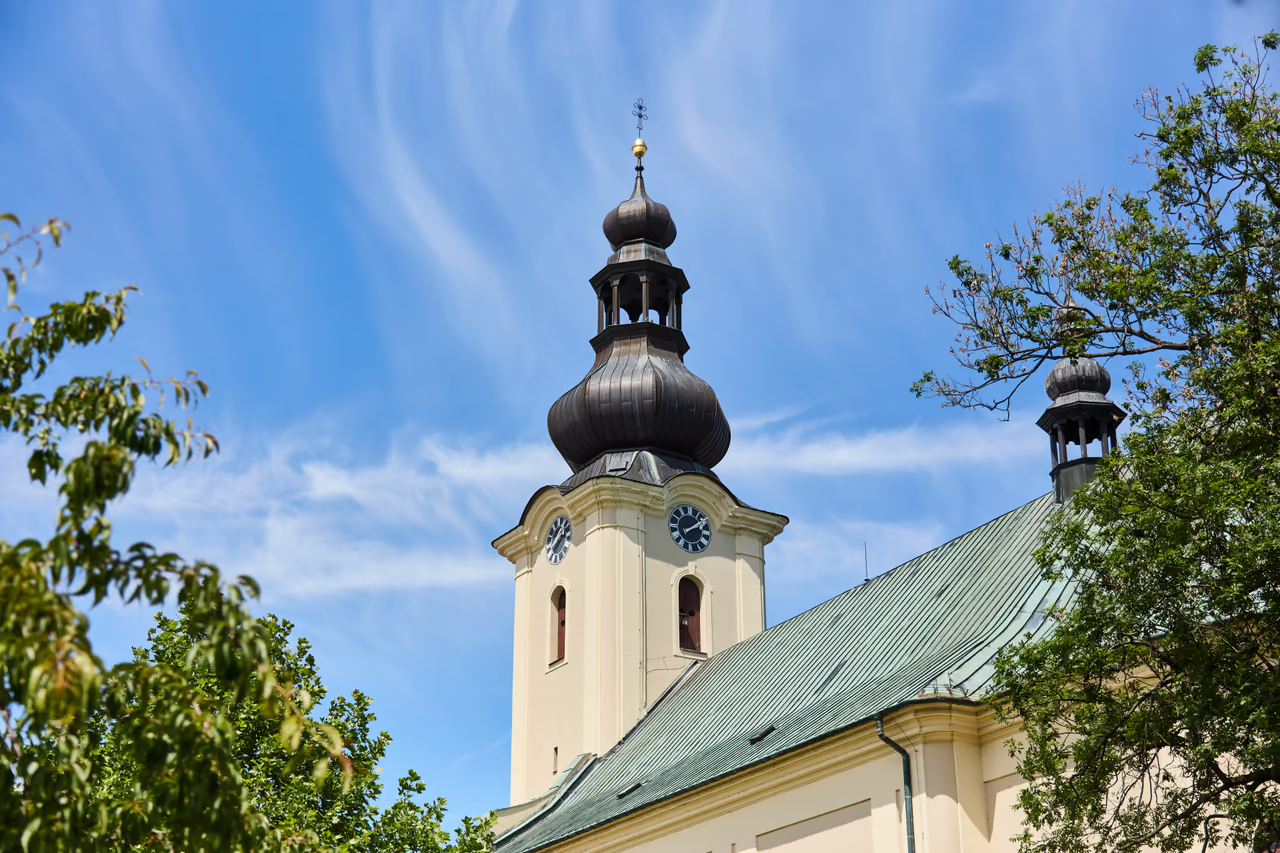
A few steps from Masaryk Square stands the oldest surviving building in the centre of Rožnov – the baroque Church of All Saints, completed in 1752 on the site of an earlier wooden church. Its fifty-metre tower with an onion domeThe domed top of a tower, crowned with a metal ball known as a makovice, an orb., a clock and bells is a landmark of the town.
Around the church lies a quiet garden on the site of the former graveyard. Its enclosure wall carries the Stations of the Cross, and inside stands an ossuaryA small building for the bones from cleared graves; the one in Rožnov also serves today as a gallery..
The church from the main entrance and from the garden – switch the view
Why come here
A piece of Rožnov's history in one place
The baroque church of 1752 stands where people gathered before Rožnov was first written about. Inside you will find art from the baroque to present-day Rožnov woodcarvers, and behind the church a garden on the site of the old graveyard.
What not to miss
The altarpiece and the garden with the ossuary
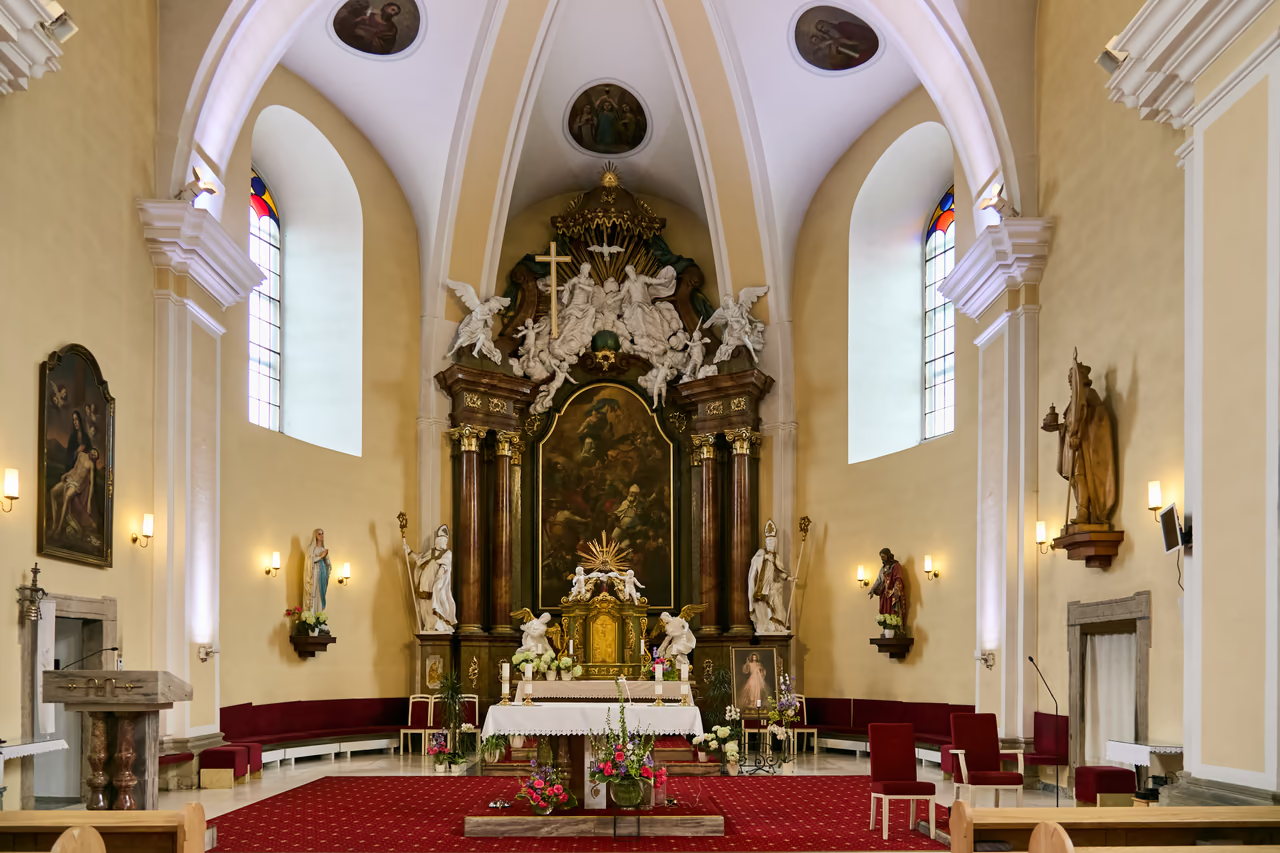
The high altar is dominated by the painting of All Saints by Anthonis Schoonjans, a Flemish painter of the imperial court. Behind the church lies a garden on the site of the old graveyard – with an ossuary, the Stations of the Cross in the enclosure wall and an orchard.
When to come
In season, with a guide
From May to September the Otevřené brány project opens the church with guided tours. For the rest of the year the church is open during services; the garden invites you to pause at any time on a walk through the centre.
The story of the Church of All Saints
A wooden church stood here before the town was first written about. A baroque building with a tower full of bells replaced it. For almost a century it held documents that had long been forgotten.
01
Beginnings
A church older than the first mention of Rožnov
A place of worship stood on the site of today's church before 1267, when the market town of Rožnov is first recorded in writing. The parish here is first documented in 1490, and from 1666 there has been a permanent clergy. The oldest description of the church dates from 1672 – a small wooden church stood here then.
In the mid-18th century it was replaced by today's baroque building by an unknown builder, finally completed in 1752. The single-nave building with a tower projecting from the north front has survived almost unchanged ever since and is protected as a cultural monument.
02
The tower
Fifty metres above the town
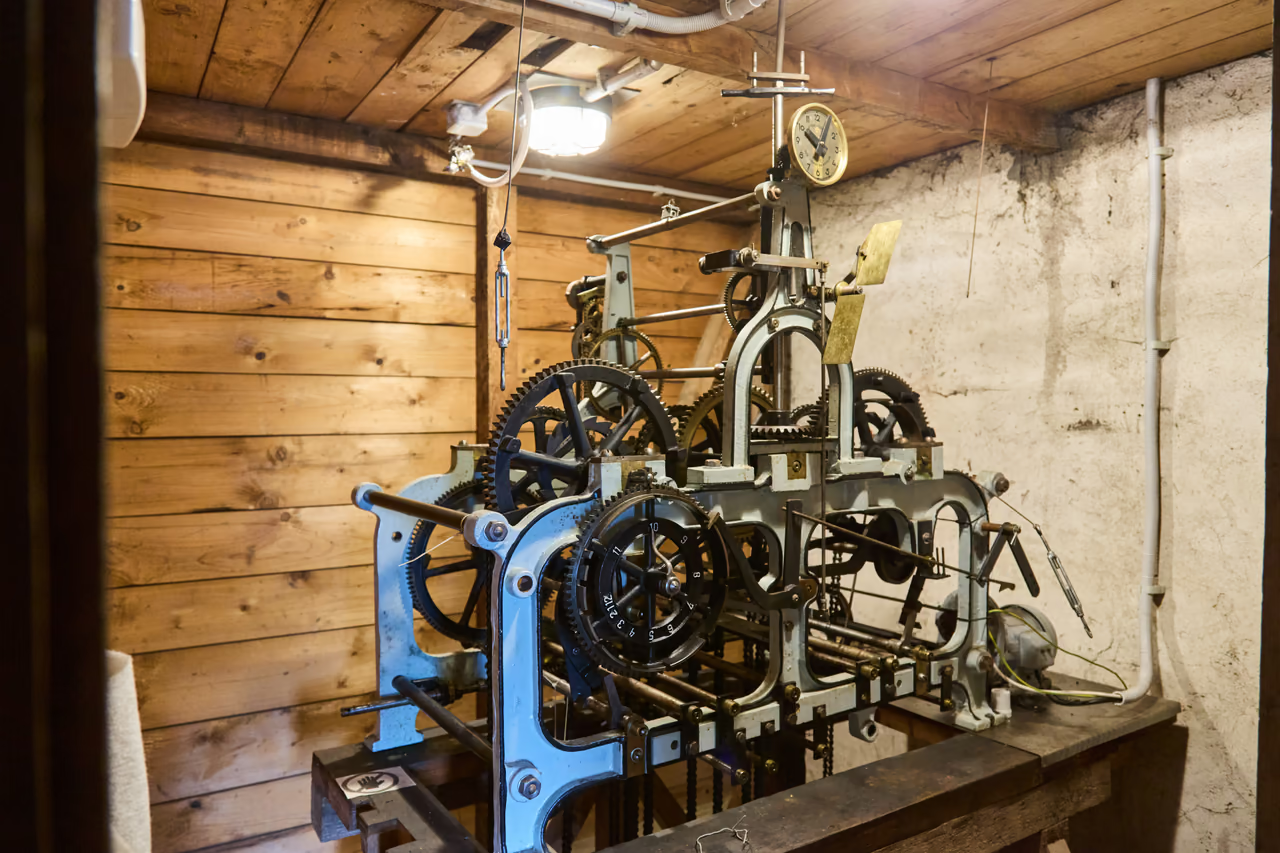
The tower projecting from the north front measures 50 metres and carries an onion dome with a lantern; the smaller turret on the roof ridge is a sanctus turretA small turret on the ridge of a church roof, originally with a bell rung during mass.. Behind the clock faces a historic movement works, and in the bell chamber hang bells that ring on feast days and on weekdays alike.
The tower kept a secret for a long time. During its restoration, craftsmen found tubes with historic documents that their predecessors had placed in the dome during repairs to the tower in 1876 and 1909. The container went back into place in 2007 – with documents of the present day added, for whoever opens the dome next.
The tower from below and the dome with its sanctus turret – switch the view
03
Bells and wars
The voice of the town, silenced by war again and again
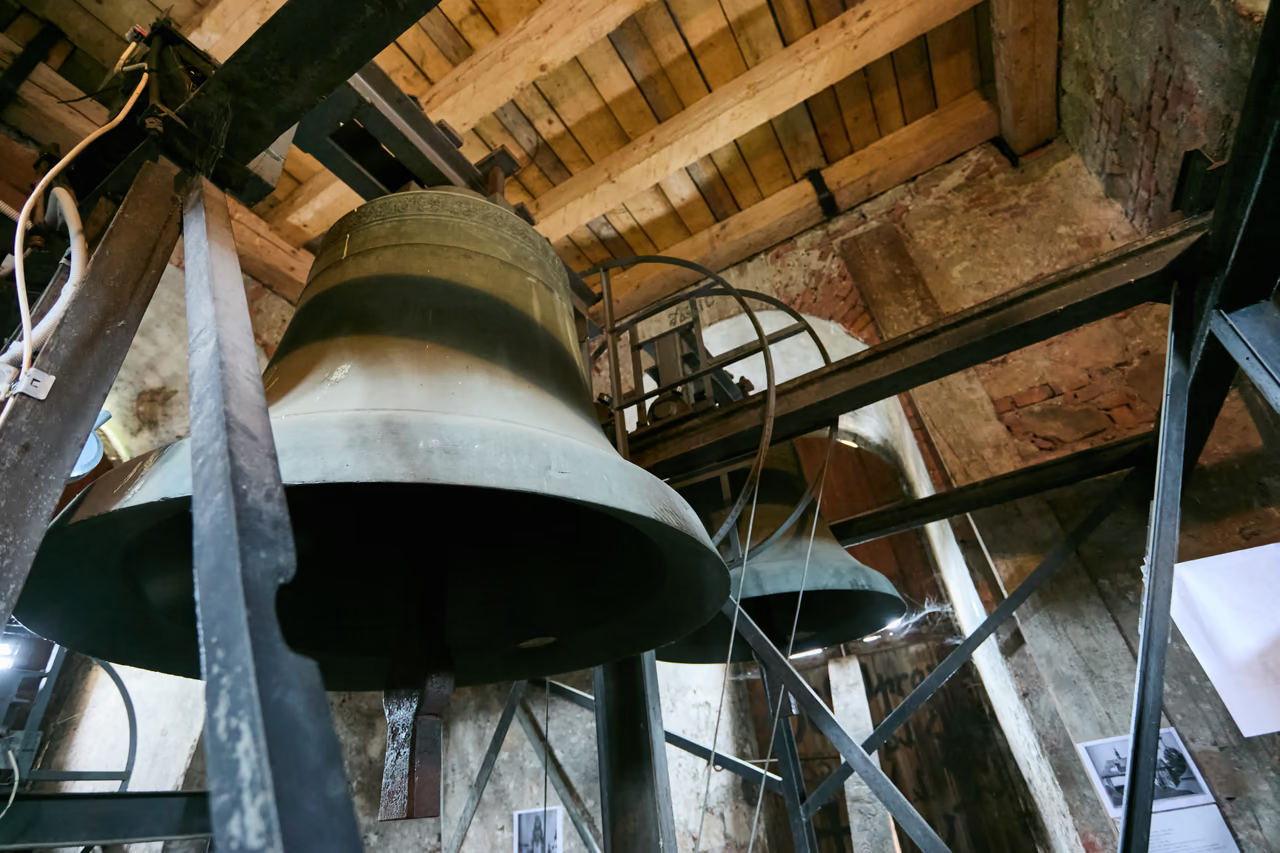
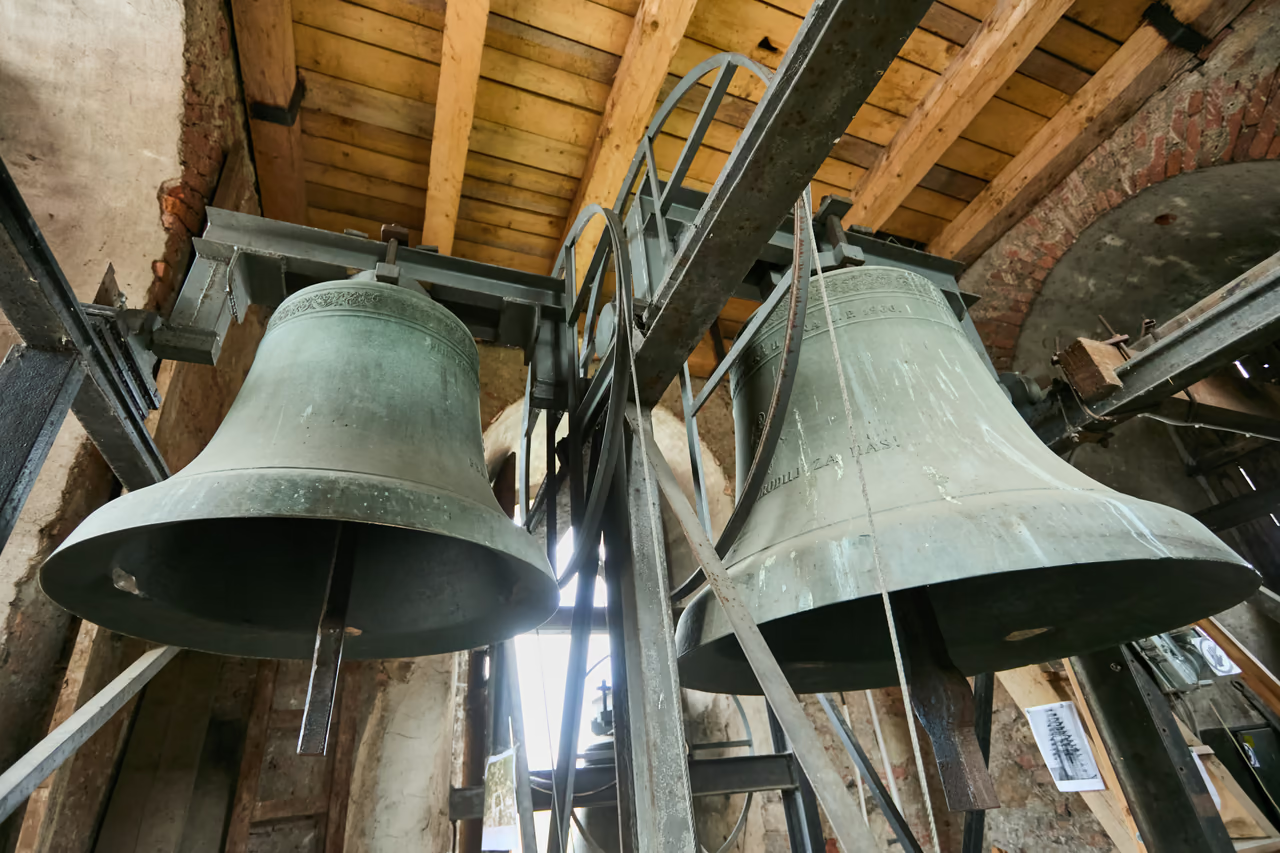
As early as 1762 three bells hung in the tower. In 1889 the tower received four new ones – but during the First World War the authorities seized them in the mass requisitioning of bellsThe official seizure of bells for the war effort – the metal was melted down for weapons and ammunition. Requisitioning stripped the Rožnov tower of its bells in both world wars. for making weapons. According to the available sources, the bells acquired after the republic was founded met the same fate. The bell chamber thus filled and emptied with every war – the sources say a single bell came through both requisitions, an 18th-century passing bell. Today's bells have hung in the tower since the middle of the 20th century.
“Sv. Josefe, oroduj za nás!” – “Saint Joseph, pray for us!”the inscription on one of today's bells
Today's bells carry the names of saints and the mark of a bell foundry from Česká u Brna.
first three bells recorded
1762
bells of 1889 taken by the war
4
height of the tower with the bells
50 m
The bells in the tower: the pair in the steel frame, the large bell and the Saint Joseph bell – switch the view.
04
Interior
From the Viennese court to Rožnov woodcarvers
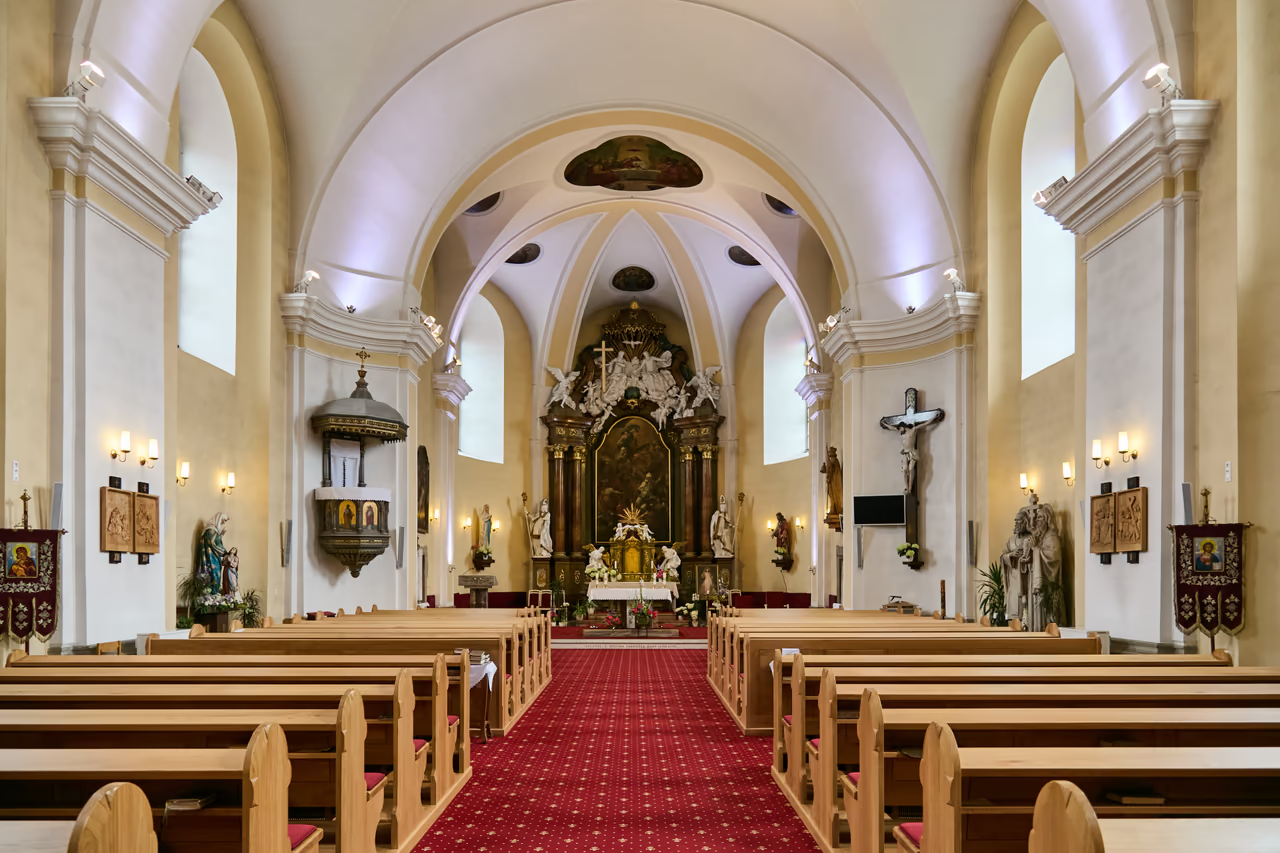
A single piece of the original baroque furnishing has survived – and it is the most valuable one. The high altar in the chancelThe part of the church around the high altar, reserved for the clergy. In Rožnov it is dominated by the baroque altar with its painting of All Saints. is dominated by the painting of All Saints by Anthonis Schoonjans, a sought-after Flemish painter who worked for the noble courts of Europe and spent much of his life at the imperial court in Vienna.
At the end of the 19th century the interior went through a thorough rebuilding – apart from the high altar, the baroque furnishings were replaced by newer pieces and the church was given complete painted decoration with biblical scenes. Of all that painting, only the frescoes on the vault remain.
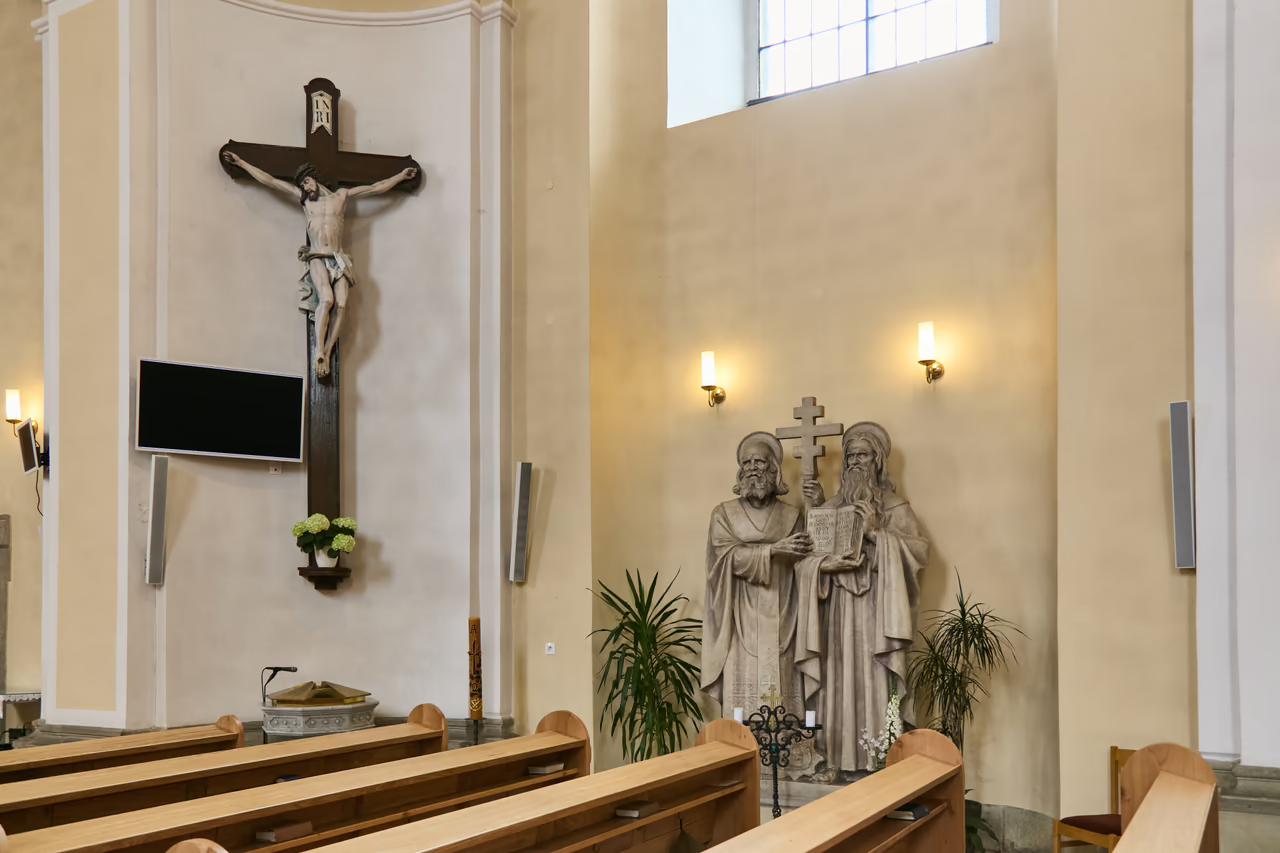
Later layers were added by artists tied to the region: the statues of Saints Cyril and MethodiusA plaster model at the size of the bronze original that stands by the chapel on Radhošť – both the work of Albín Polášek. were given to the church by the sculptor Albín Polášek, the figure of Saint Wenceslas was made by the Rožnov sculptor Emil Solařík, and the wood-carved Stations of the Cross were carved by the local artist Bohumil Knill. The statue of Our Lady of Lourdes was brought back from Lourdes by Rožnov parishioners.
05
The organ
250 years of history, today's organ almost a century old
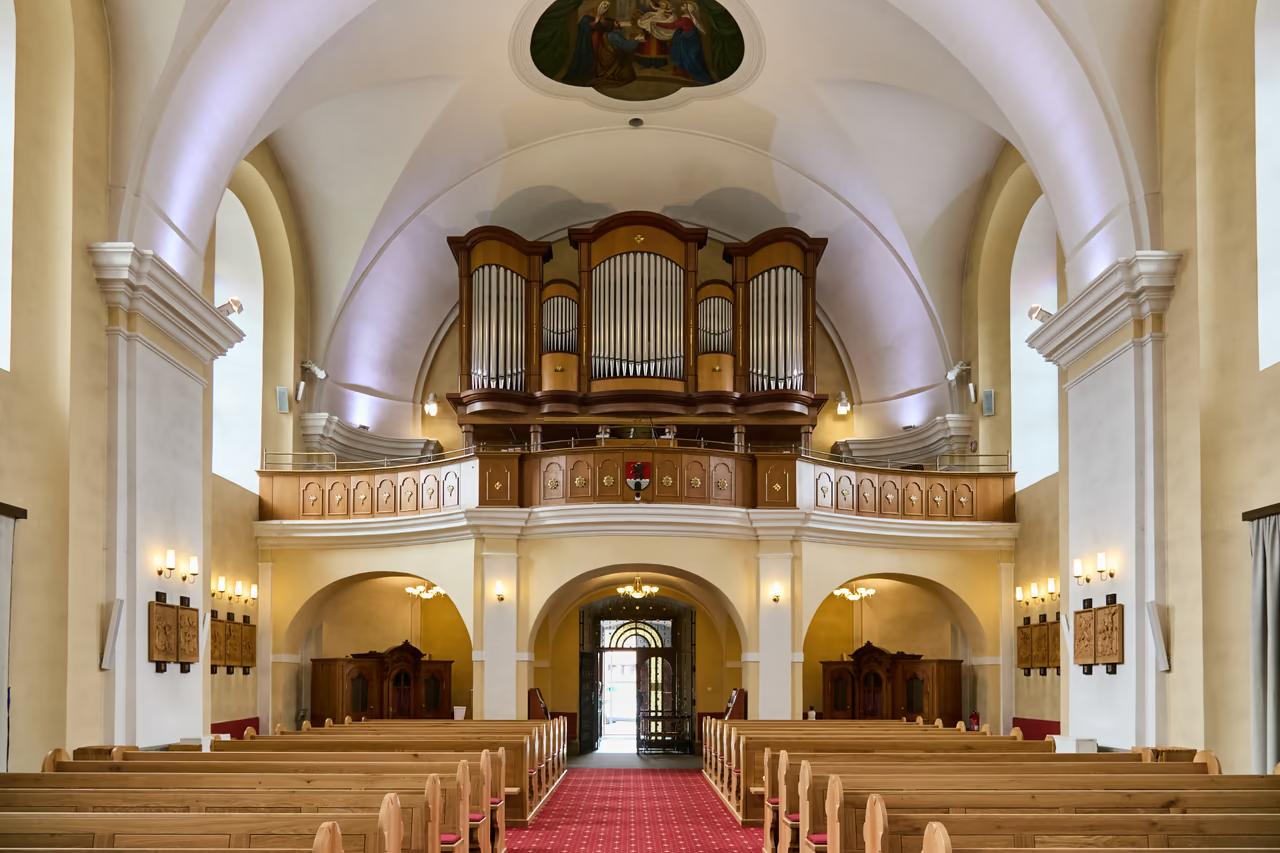
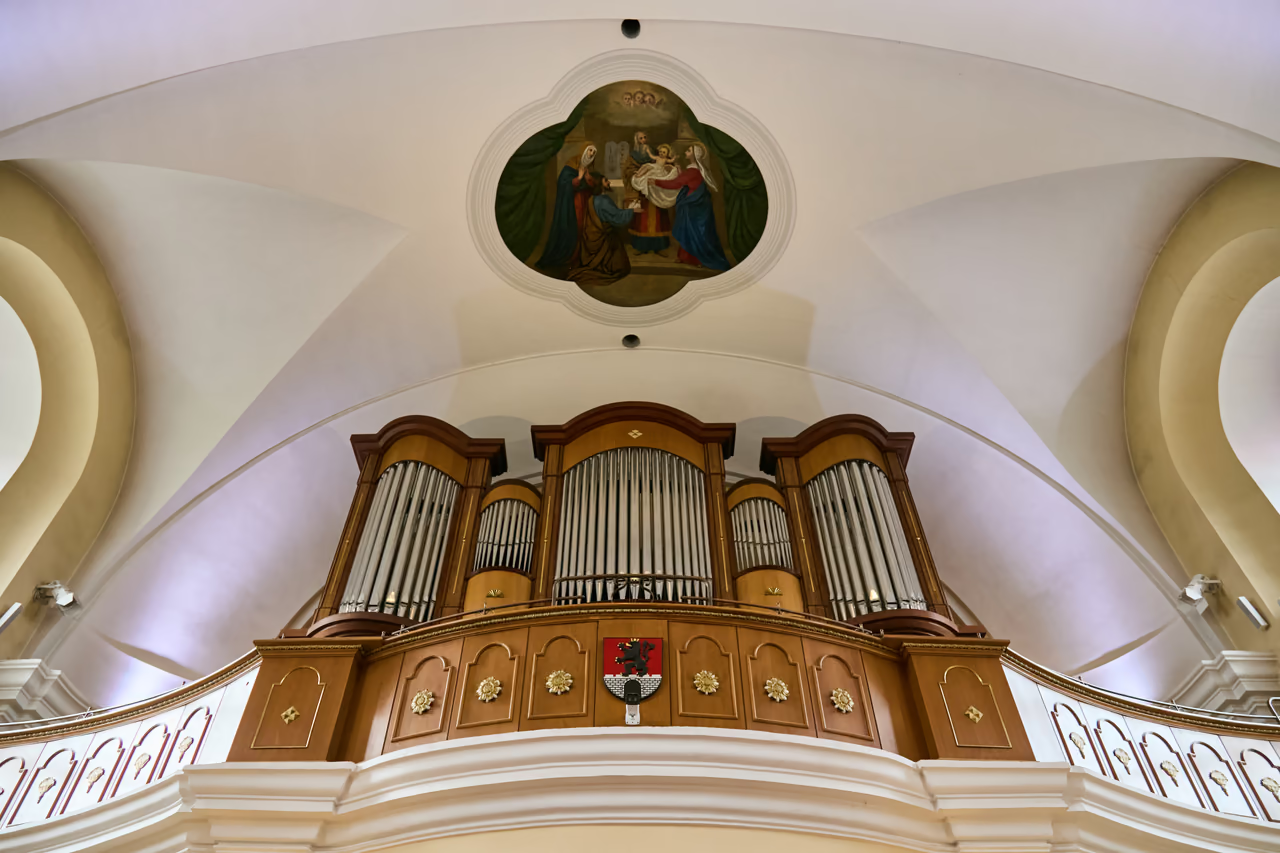
The organ in the loft has behind it more than two and a half centuries of repairs and rebuilds. The oldest documented repair dates from before 1777 and was made by the organ builder Fr. Schwarz; in 1800 two organ builders worked on the instrument at once – Jan Praský and Jan Piskoř.
Johann Neusser first repaired the instrument in 1836, but in 1863 he built an entirely new organ – with 19 stopsA set of pipes of one tone colour, which the organist brings in with a drawstop. The more stops, the more sounds can be combined. on two manualsA hand keyboard of an organ. An instrument with two manuals has two keyboards one above the other, each with its own stops.. Matěj Strmiska repaired it once more in 1934, before a new organ was built in 1936. It was built from the ground up by the Rieger company of Krnov – with 21 stops on two manuals. In 1962 the same works added six more stops, bringing it to today's 27.
The Krnov firm Rieger was among the most important organ works in central Europe, and its instruments stand in concert halls all over the world. Production continued there under the successor name Rieger-Kloss until 2015, when it ended.
The organ from the loft – today's instrument dates from 1936 and was enlarged in 1962.
Close up
A bell at the window and the sculpture inside
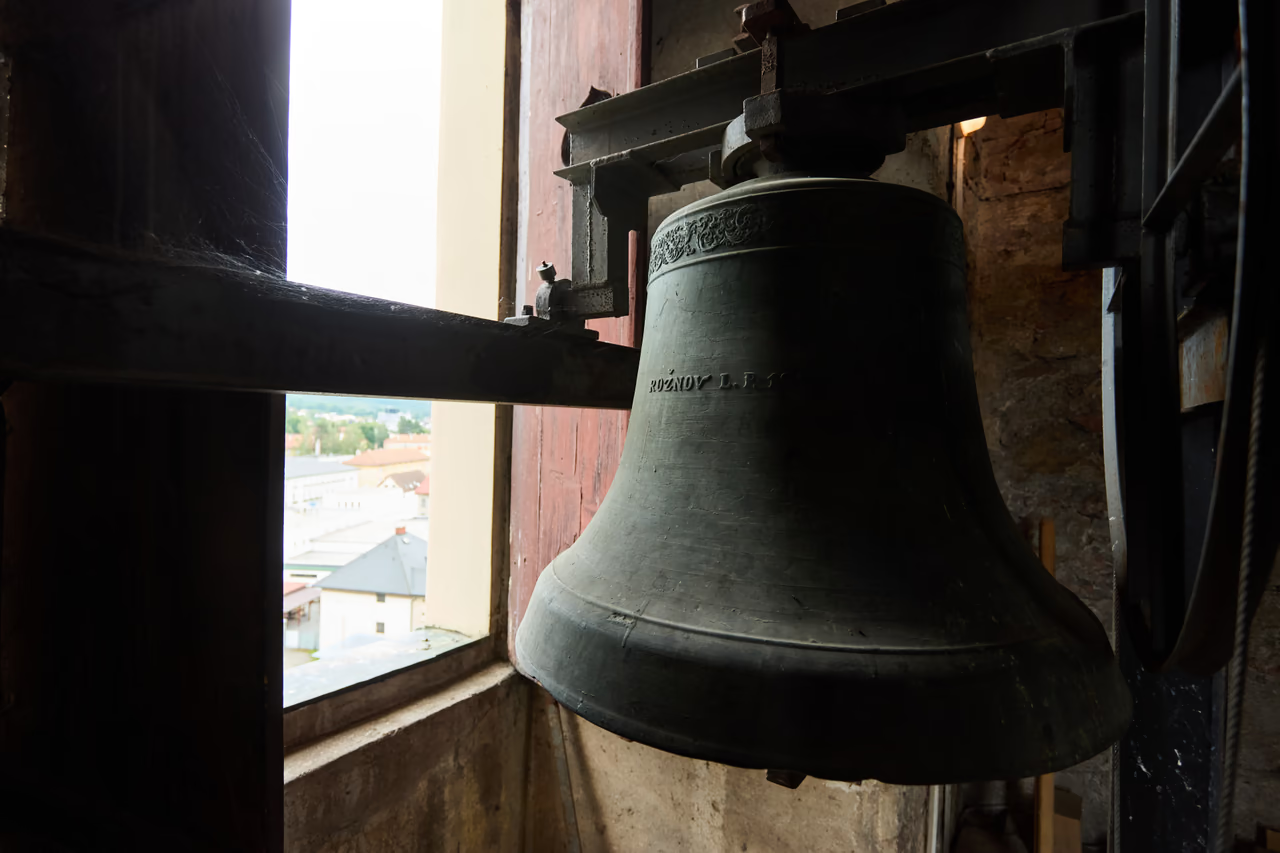
The bell inscribed “Rožnov” at a window of the bell chamber.The statues of Saints Cyril and Methodius by Albín Polášek and a wooden figure of Christ on the cross.
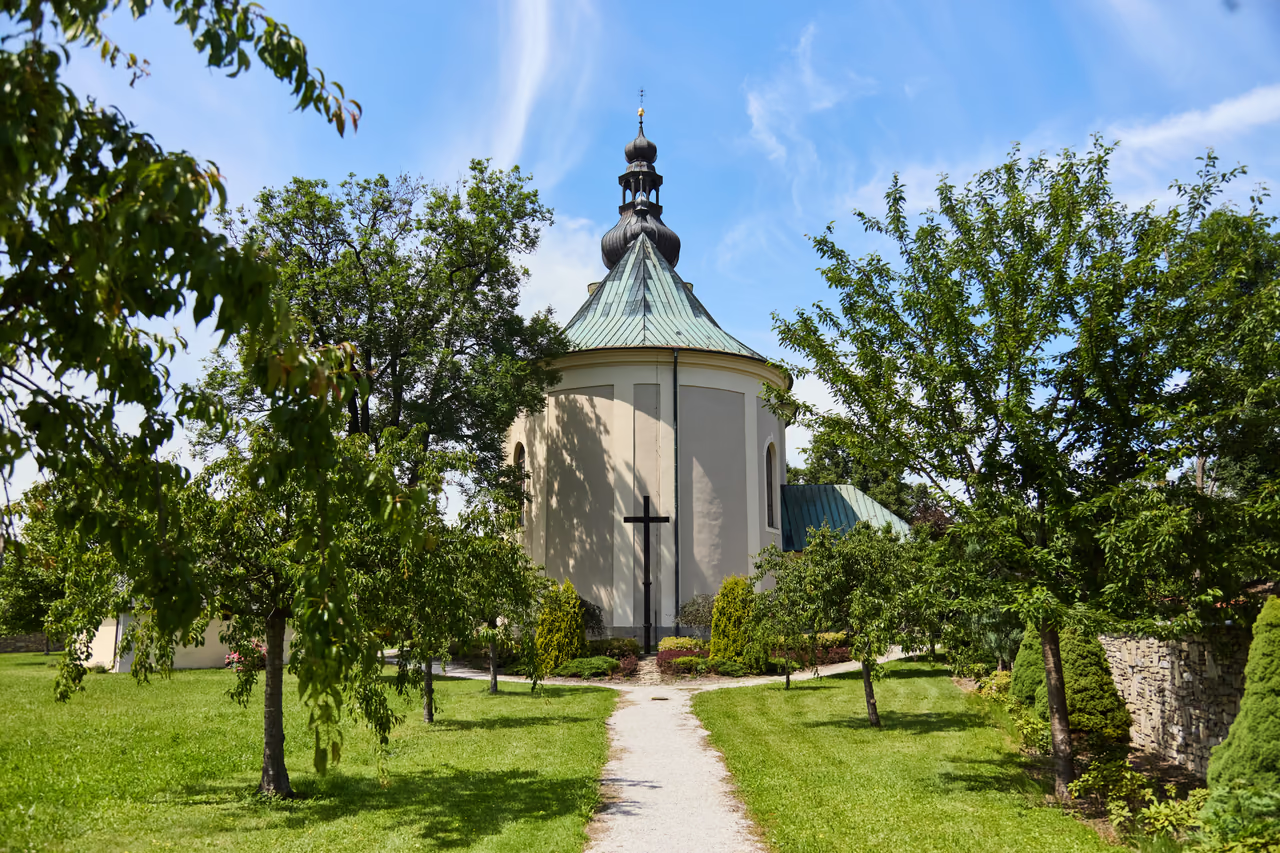
The All Saints garden: the back of the church with its cross, the orchard and the stone enclosure wall.
The All Saints garden
A former graveyard, now a quiet orchard behind the church
The town graveyard used to lie around the church – burials took place here until 1889. In time a parish garden grew on the site. The stone wall around it carries fourteen Stations of the Cross.
In the garden stands an ossuary holding the bones from cleared graves. The parish now puts on exhibitions in it – a sign by the church points to “Galerie Kostnice”. It is usually open in the summer season, alongside tours of the church.
The rest of the garden is a grassy orchard with fruit trees and beds – a quiet place, a step from the square, to stop for a while and think.
Timeline
Seven and a half centuries on one spot
before 1267
The oldest place of worship
A church building stood here before 1267, when the market town of Rožnov is first mentioned in writing.
1490
The parish first recorded
The Rožnov parish is first mentioned in written sources; permanent clergy are documented from 1666.
1672
A wooden church
The oldest surviving description records a small wooden church on the site of today's building.
1752
The new baroque building
After years of building, the new masonry church is finally completed, interiors and all. The builder's name has not survived.
1762
Three bells in the tower
Three bells are recorded in the tower; the passing bell from that time has survived to this day, according to the sources.
1889
The end of the graveyard, new bells
The graveyard around the church is closed – a parish garden later grows on the site. The tower receives four new bells.
late 19th c.
A new look inside
A thorough rebuilding of the interior: of the baroque furnishings the high altar remains, and the church is given painted decoration with frescoes.
1909
Repairs to the tower
Craftsmen repair the tower and place a tube of documents in the dome – as their predecessors had done in 1876.
1936
Today's organ
The loft receives an instrument from the Rieger works in Krnov; in 1962 the same works enlarges it to 27 stops.
1957
A major overhaul
A years-long overhaul of the church begins; in 1983 the roof is given copper covering.
2007
The documents return to the dome
The tubes from the repairs of 1876 and 1909, found during restoration of the tower, are supplemented with documents of the present day and returned to the dome.
Visit
Plan your way to the church
Where exactly it is
In the centre of town, by Masaryk Square
The Church of All Saints stands at the western edge of the historic core of Rožnov, only a few dozen metres from Masaryk Square. The tower is visible from much of the town.
This page has already been added to your Beskids passport as a digital visit. To collect a badge for visiting in person, use the button below while you are there.
Your browser asks for your location once when you click. Verification happens offline on your device and your location is not sent anywhere.
From May to September the church is opened with a guide by the Otevřené brány project – entry is free. Opening times change through the season; current times are on the Otevřené brány project page. Outside that season the church is open only during services.
A living parish church
The church serves the services of the Rožnov parish. Be considerate on your visit – and if a mass is under way, wait until it ends before looking around.
The garden and the ossuary
The All Saints garden with its Stations of the Cross and the ossuary adjoins the church. Exhibitions in the ossuary (Galerie Kostnice) are usually open in the summer season, alongside tours of the church.
Refreshments and toilets
Refreshments and shops are in the surrounding streets and on Masaryk Square.
How to get here
The church is in the pedestrian zone of the centre – the easiest way is to walk from the square or from the bus or railway station.
On foot
from Masaryk Square
A few minutes from the square
From Masaryk Square you will reach the church in two or three minutes – the tower is in sight the whole way. From here you can carry on through the town park as far as the Jurkovič lookout tower.
By car and public transport
parking in the centre • bus and train
By car
Park in the car parks in the town centre and walk to the church from there. The streets immediately by the church are for access traffic only.
By train or bus
The railway line from Valašské Meziříčí ends in Rožnov and regional buses stop here. From the station it is about ten minutes' walk to the centre.
Na závěr
Doplňující info a test znalostí
Rychlá rekapitulace
Do you have to pay to enter the church?+
No. Tours under the Otevřené brány project (May–September) are free.
Can I visit the garden with the ossuary too?+
Yes, the All Saints garden is freely accessible at any time. Exhibitions in the ossuary itself (Galerie Kostnice) are usually open in the summer season, alongside tours of the church.
How tall is the tower, and can it be seen from the town centre?+
The tower measures 50 metres and is visible from much of the town and from the surrounding hills.
Can I look around the church while a mass is being said?+
No, the church serves a living parish – wait for the service to end before looking around.
Závěrečný kvíz
Otázka 1 z 5
Who painted the picture of All Saints on the high altar?
Your rank: Homebody. You do not have a single stamp yet. Visit any place and become a Pilgrim.
You can experience the Beskids and Moravian Wallachia with Rysík and without him. Rysík would love to be there for it. Whether you take him along and take on the challenges with him is up to you.
Save The Church of All Saints and its tower to your favourite places