Why come
A rare three-aisled interior
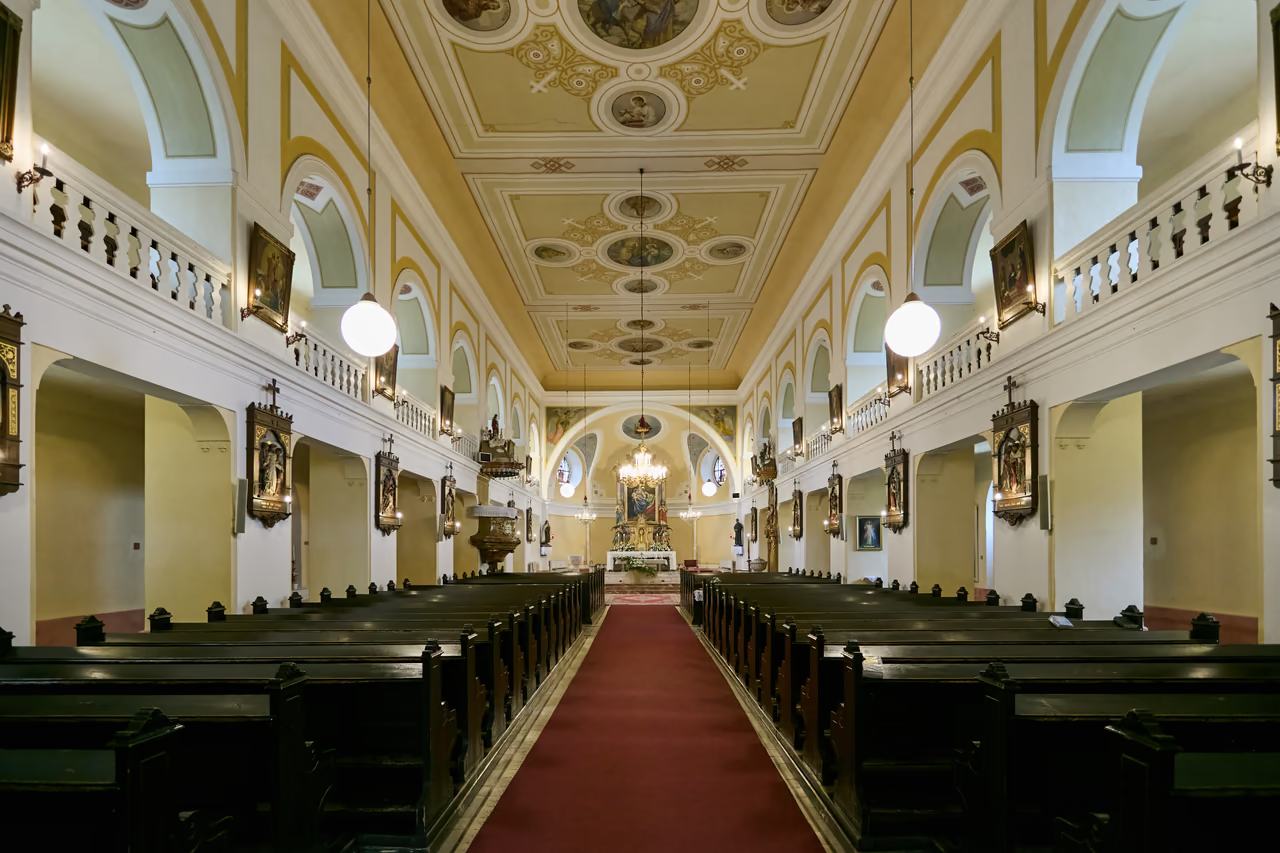
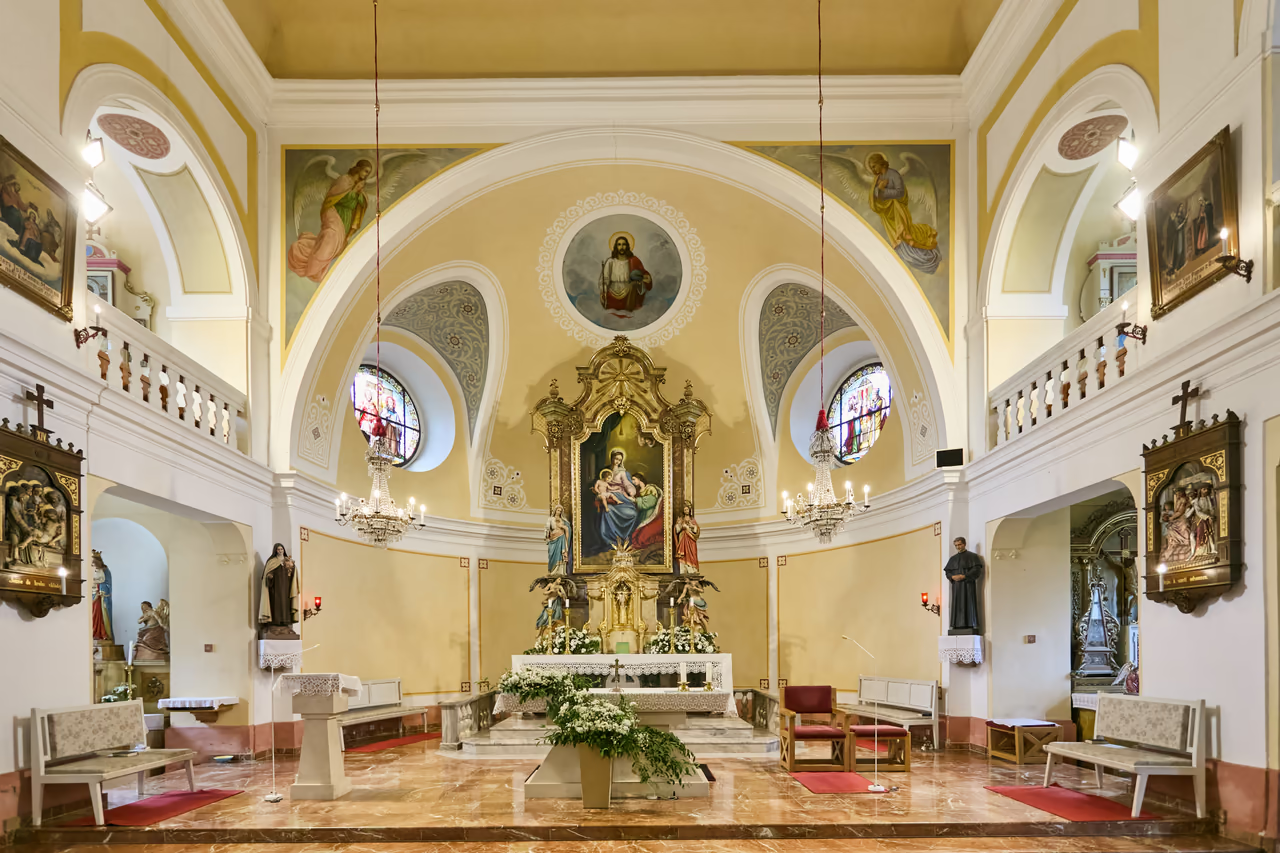
The church is listed among cultural monuments for its rare three-aisled layout with built-in galleries – tribunes that run along both sides of the main aisle.
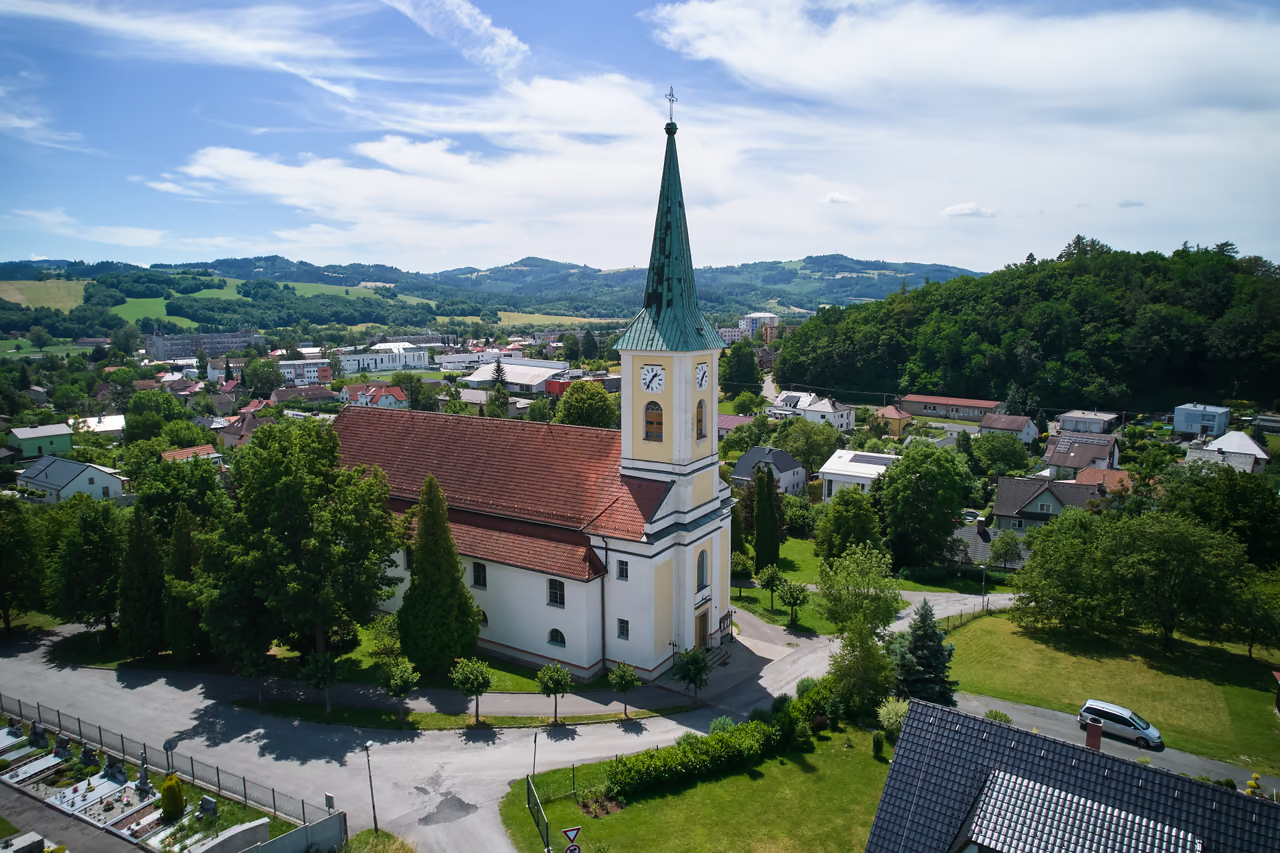
Heritage monument • Zubří • late baroque
The late baroque landmark of Zubří, built 1785–1788, with a rare three-aisled interior and built-in galleries
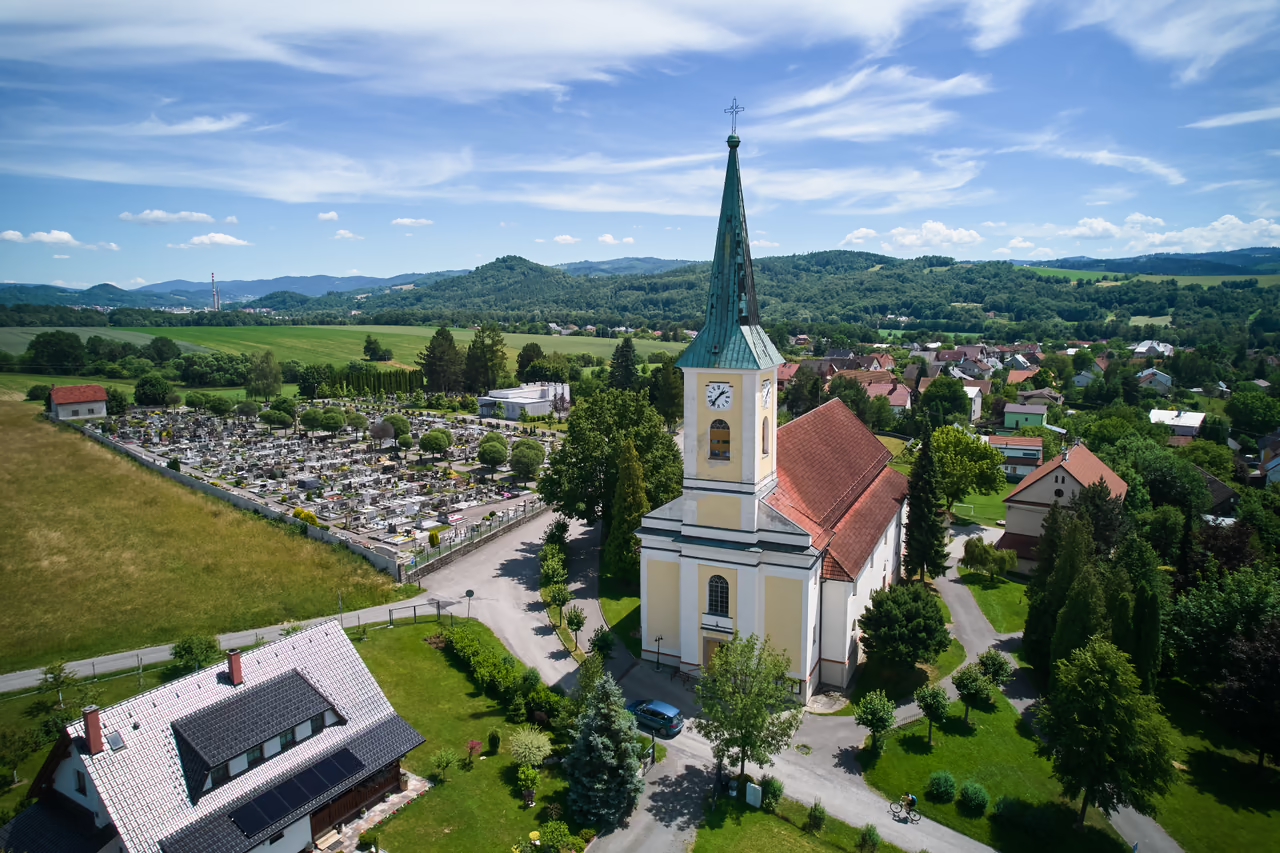
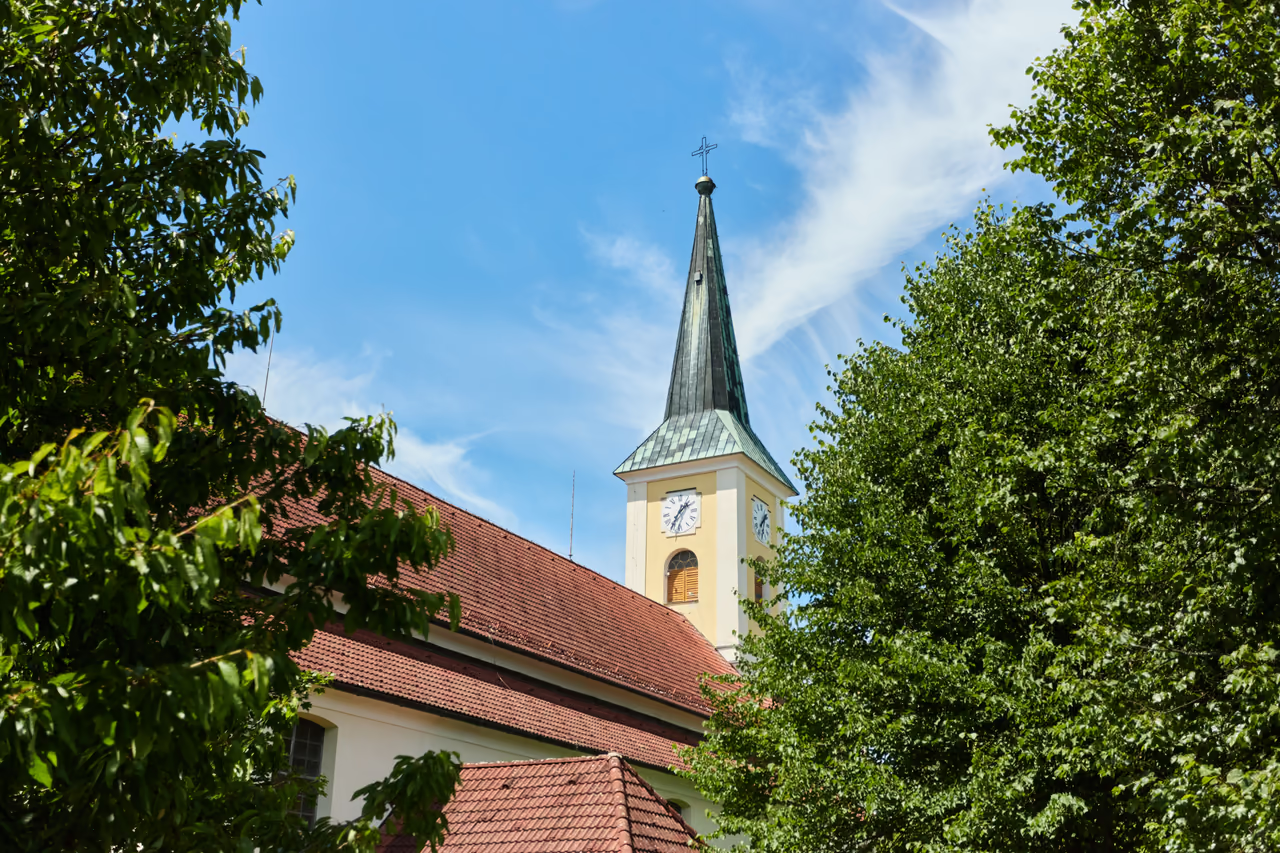
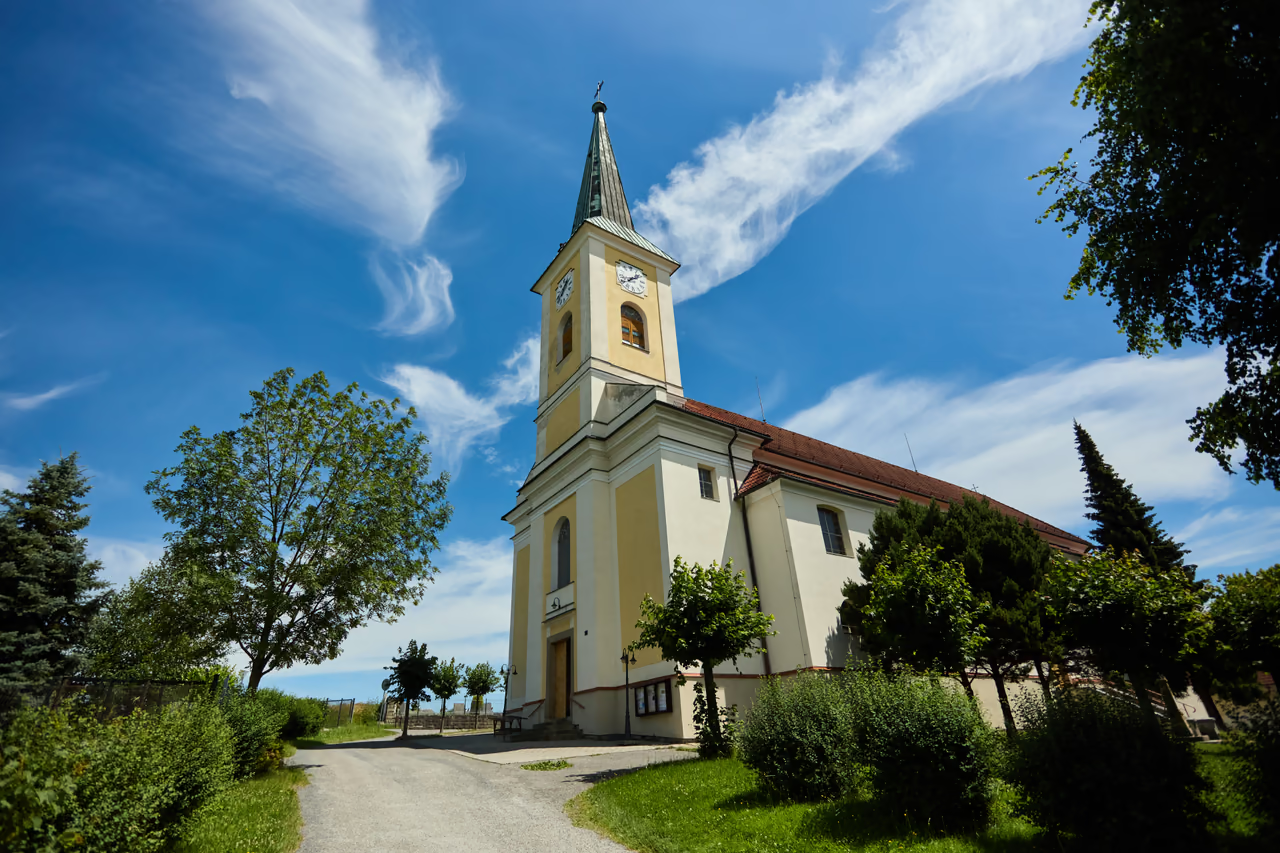
A clock tower has risen above the roofs of Zubří since 1788. Inside the Church of Saint Catherine of Alexandria lies a late baroque three-aisled interior with built-in galleries, for which the building is a cultural monument.
The church holds services and also choral and organ concerts. The graveyard is right beside it.
Why come
The church is listed among cultural monuments for its rare three-aisled layout with built-in galleries – tribunes that run along both sides of the main aisle.
When to come
It is a living parish church – it opens for services (current times) and for choral and organ concerts.
What not to miss
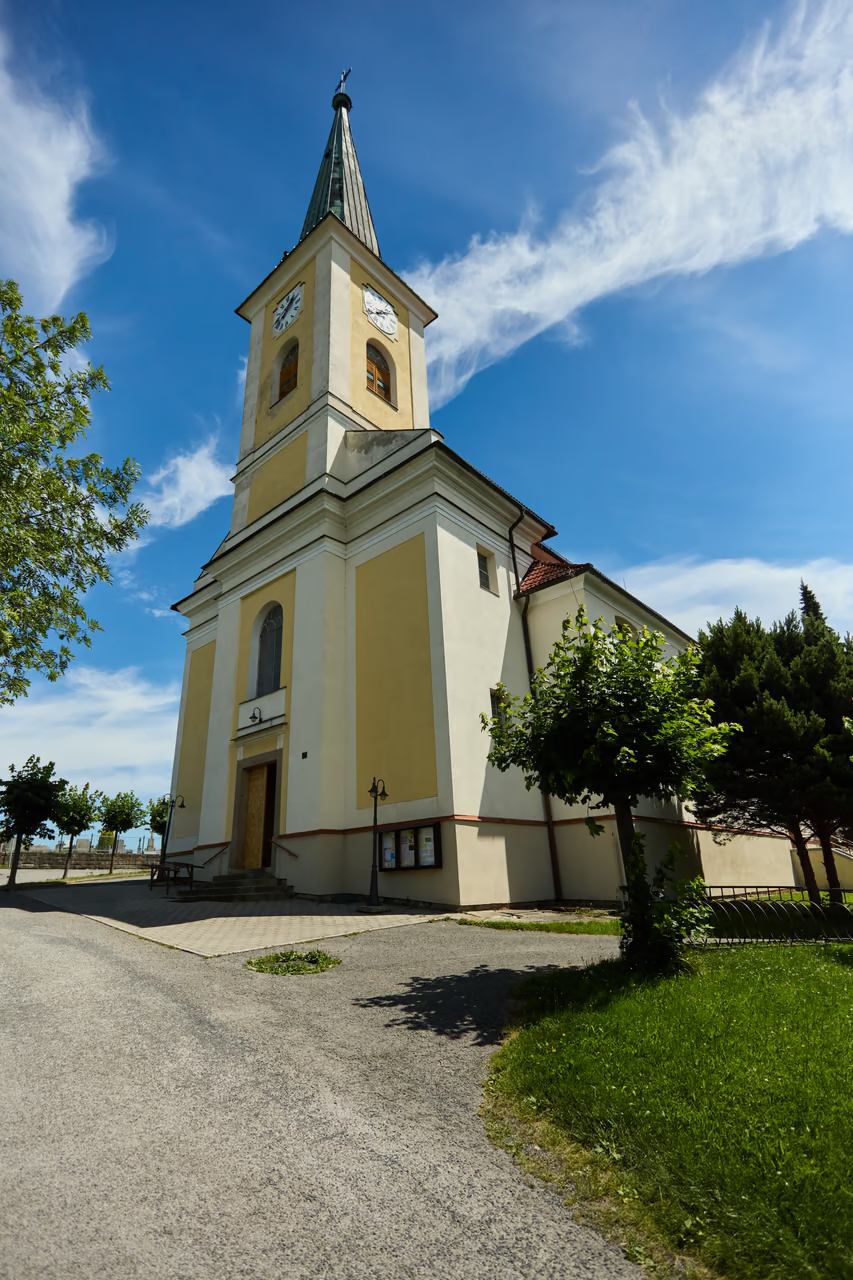
Above the rectangular entrance the year the building was completed is set out in Roman numerals: MDCCLXXXVIII (1788).
Místo pro 360° prohlídku - doplní se později.
The side aisles
The galleries with their balustrades form both side aisles of the three-aisled interior – it is this rare layout that put the church on the list of cultural monuments.
The chancel
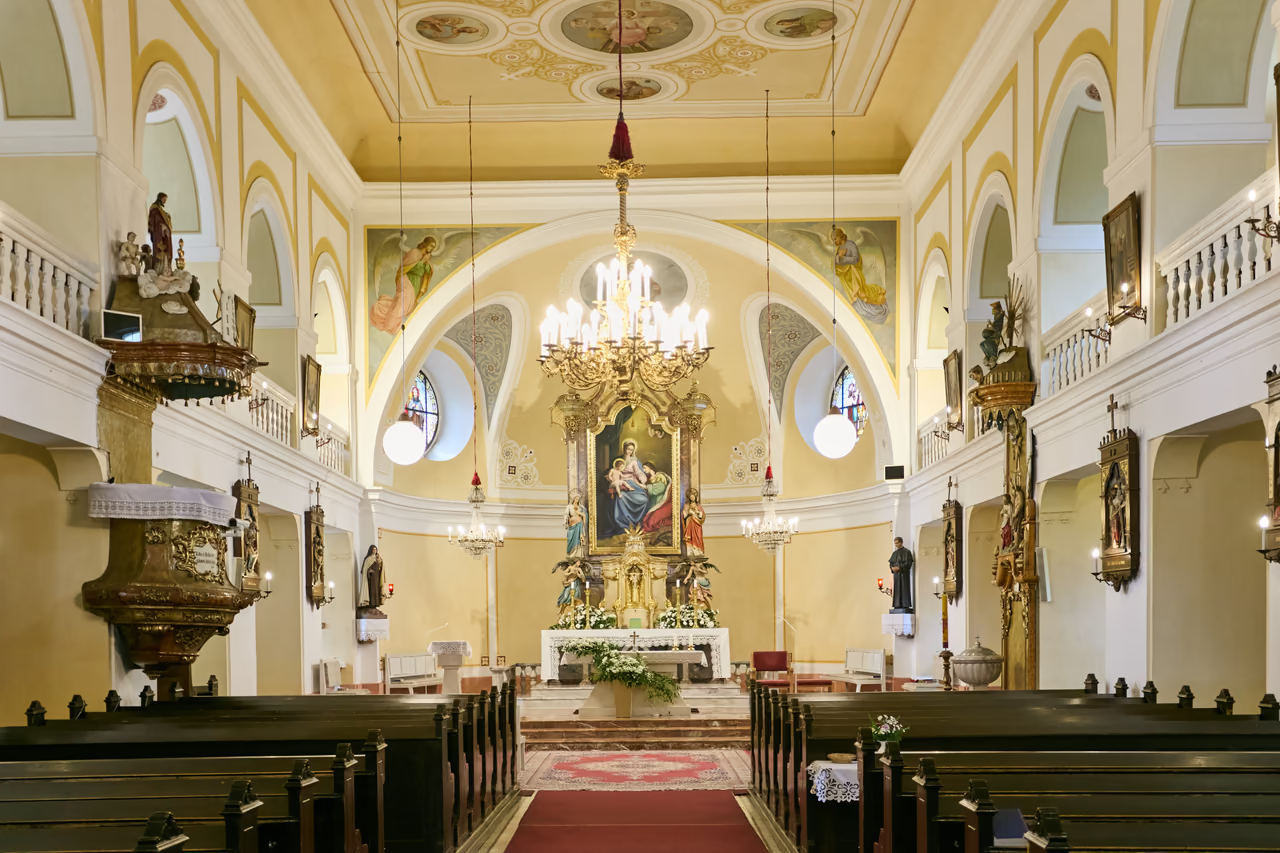
The semicircular east end is dominated by the high altar; a red carpet leads to it from the nave past the wooden pulpit. The painted chancel was finished after 1900, and the Stations of the Cross were added later.
Ceiling and organ loft
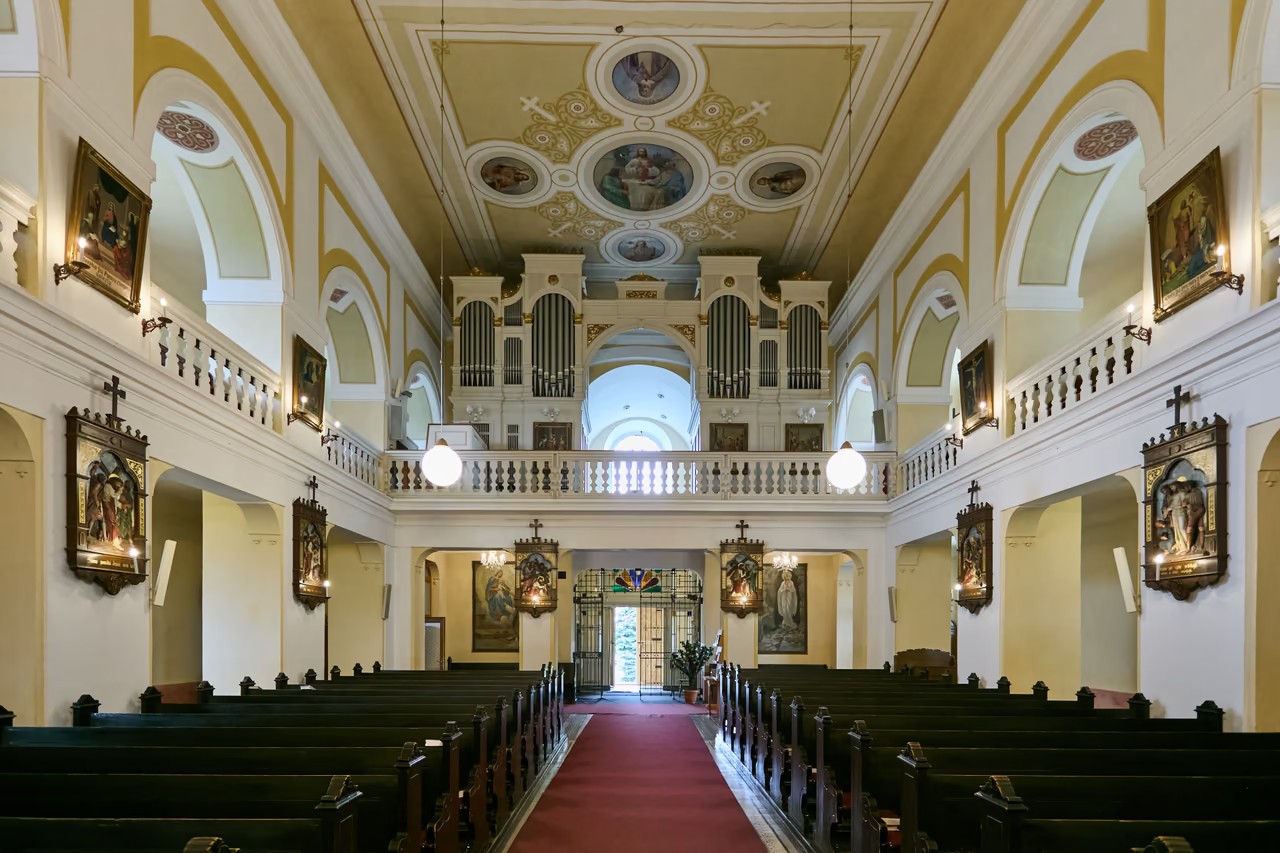
The flat ceiling is decorated with paintings in medallions, and the organ loft vaults above the entrance. Today's instrument was bought after 1989 from the congregation's contributions.
Místo pro 360° prohlídku - doplní se později.
A wooden church of 1575 was replaced by a masonry one. It came through two wars and in 2010 was ceremonially consecrated.
Wooden beginnings
The people of Zubří built their first, still wooden church in 1575 – and dedicated it even then to Saint Catherine of Alexandria, virgin and martyr. It was not a third the size of today's church.
In the 18th century priests came here from Rožnov. Their parish reached from Velké Karlovice across the Bečva valleys to the edge of Valašské Meziříčí, so the little church in Zubří was left with just twenty services a year.
Change came with the reforms of Emperor Joseph II: Zubří gained clergy of its own (neighbouring Vidče belonged under it too) and the first parish priest was Václav Marian Zischka from the dissolved monastery in Zašová.
Built 1785–1788
The new masonry church went up between 1785 and 1788. When it was finished it was blessed by the dean of Valašské Meziříčí, Fr František Kostelník; the year of completion is still proclaimed by the date MDCCLXXXVIII above the entrance.
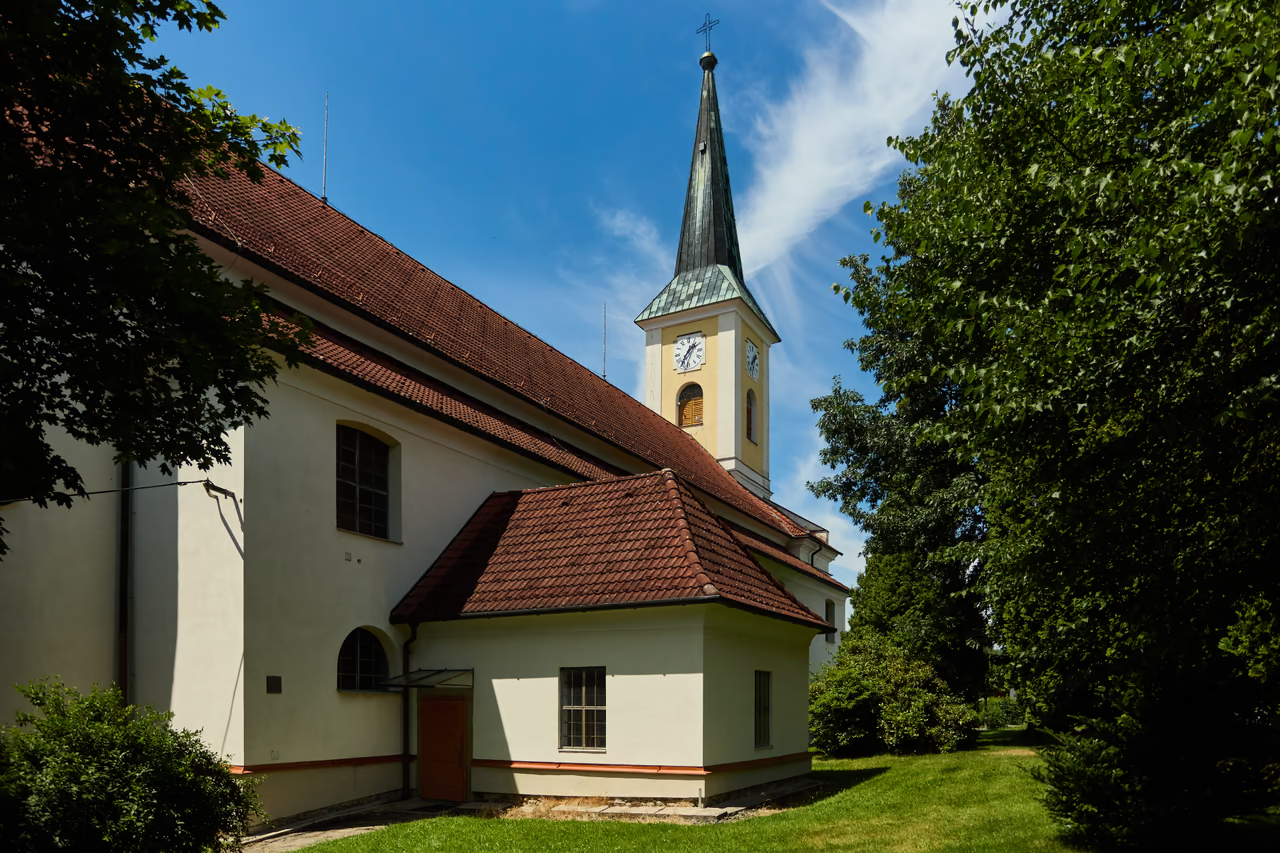
From outside the building is late baroque – a rectangular nave with a semicircular east end, a tower with clock faces and a pyramidal roof. The main thing, though, is inside: the three-aisled layout with built-in galleries, for which the church is on the list of cultural monuments.
The furnishings came gradually – the church waited for its first organ until 1823.
Wars
The First World War left marks on the church that could not be missed: in 1917 the church lost two bells to requisitioning, and a year later its organ pipes as well. A similar fate came round again in the Second World War.
Repairs nevertheless carried on, and the tower got new bells in 1970. Three years later the liturgical space was rearranged – the altar was turned to face the people and the interior was repainted.
Restoration
After 1989 the church saw the tabernacle restored, a new organ bought from the congregation's contributions, and electric heating installed. Extensive repairs to the exterior and the interior followed in the 1990s.
The symbolic full stop came in 2010: after the repairs and the rearrangement of the liturgical space, the church was ceremonially consecrated by the Olomouc archbishop Jan Graubner, 222 years after it was finished.
Parish life carries on in the church: besides services it hosts choral and organ concerts, and the church choir and the schola meet here.
Timeline
From the wooden church of 1575 to the ceremonial consecration in 2010.
1575
The people of Zubří build a wooden church dedicated to Saint Catherine of Alexandria – not a third the size of today's church.
1785
Under the Josephine reforms Zubří gains clergy of its own and building of the new masonry church begins.
1788
The church is blessed by the dean of Valašské Meziříčí, Fr František Kostelník. The year of completion is carried by the date MDCCLXXXVIII above the entrance.
1823
The church gets its first organ – 35 years after the building was finished.
1886
Thanks to the parish priest Karel Řezníček a new parish building goes up and the parish's society life develops.
1892
Repairs to the exterior and the interior; a new organ is installed. After 1900 a painted chancel and the Stations of the Cross are added.
1917
Two bells are seized for the war effort, and a year later the organ pipes as well. The Second World War brings similar losses.
1970
The tower gets new bells; in 1973 the liturgical space is rearranged with the altar facing the people.
after 1989
The tabernacle is restored, a new organ is bought from the congregation's contributions and electric heating is installed; the 1990s bring extensive repairs inside and out.
2010
After the repairs the church is ceremonially consecrated by the Olomouc archbishop Jan Graubner – 222 years after it was finished.
For its rare three-aisled layout with built-in galleries – tribunes that run along both sides of the main aisle.
The masonry building of 1785–1788 replaced a wooden church of 1575, which was not a third the size of today's church.
It is a living parish church – it opens for services and for choral and organ concerts. You can also look round the interior in the 360° panorama on this page.
After extensive repairs inside and out it was ceremonially consecrated by the Olomouc archbishop Jan Graubner – 222 years after it was finished.
Otázka 1 z 4
 Rysík→
A few quizzes and I get glasses, and I will feel properly educated.
Your rank: Homebody. You do not have a single stamp yet. Visit any place and become a Pilgrim.
You can experience the Beskids and Moravian Wallachia with Rysík and without him. Rysík would love to be there for it. Whether you take him along and take on the challenges with him is up to you.
You can find your favourite places in your account. On the Walking routes page you can use them to filter routes.
Suggest a more accurate wording.