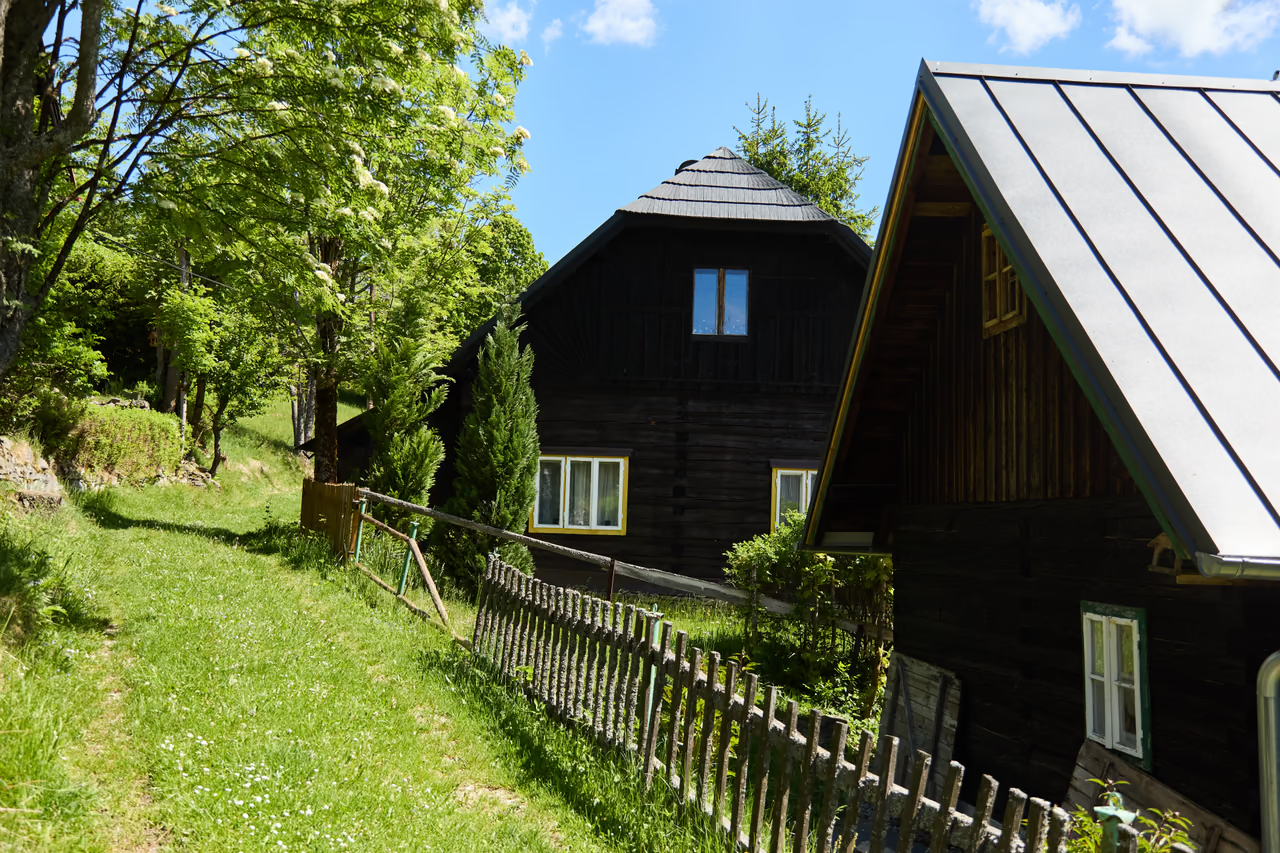
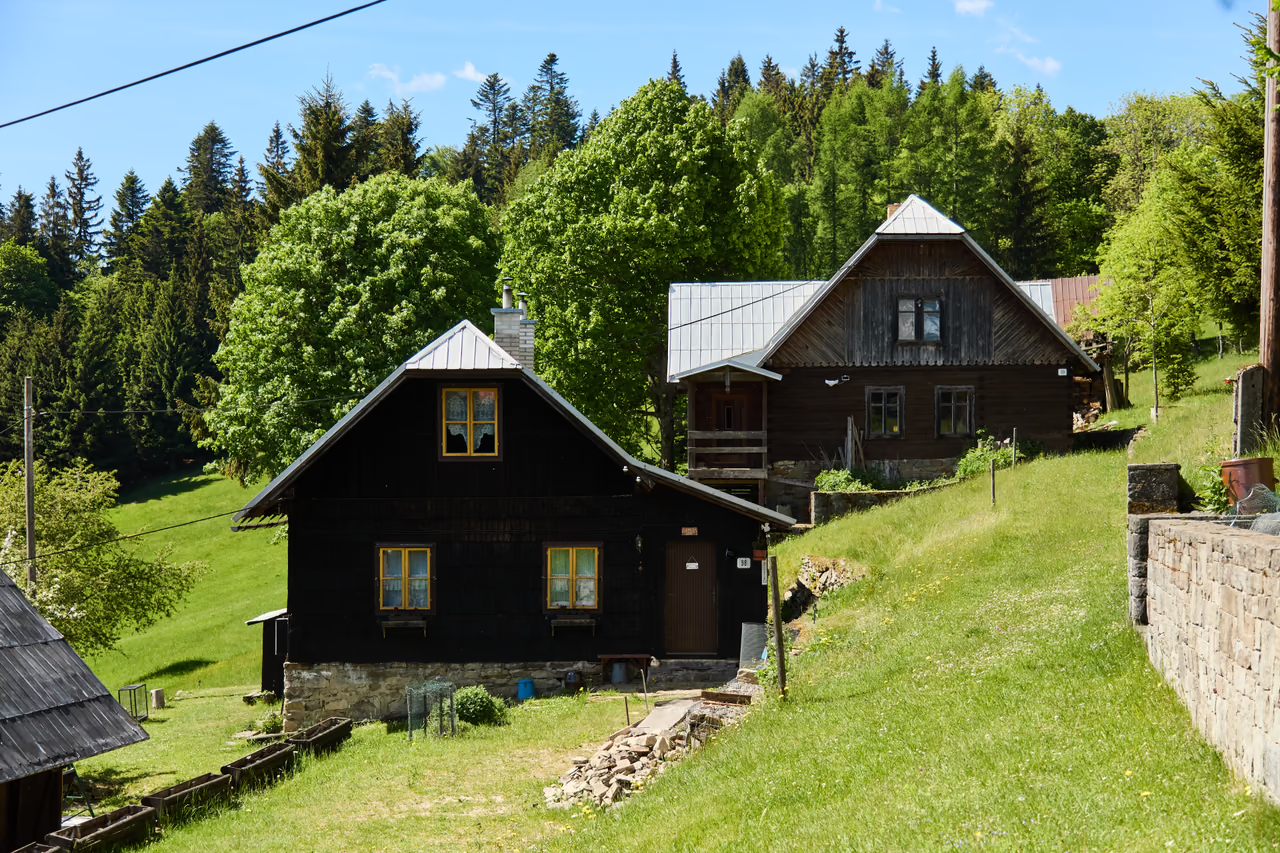
Two log cottages of the Greguše settlement on the slope, a house with yellow window frames in the foreground

A mountain settlement • the Javorníky • Makov

The Greguše settlement

A place of stories, quiet and the memory of the land.

A settlement fire could not wipe out

On the slopes of the Javorníky, five kilometres above Makov, lies Greguše – one of the oldest settlements of the village. It grew up as kopanice: fields won from the slopes, with cottages scattered beside them.

The quiet of old Kysuce here comes with log cottages, a bell tower and the memory of the war. The waymarked path carries on to Kasárne.

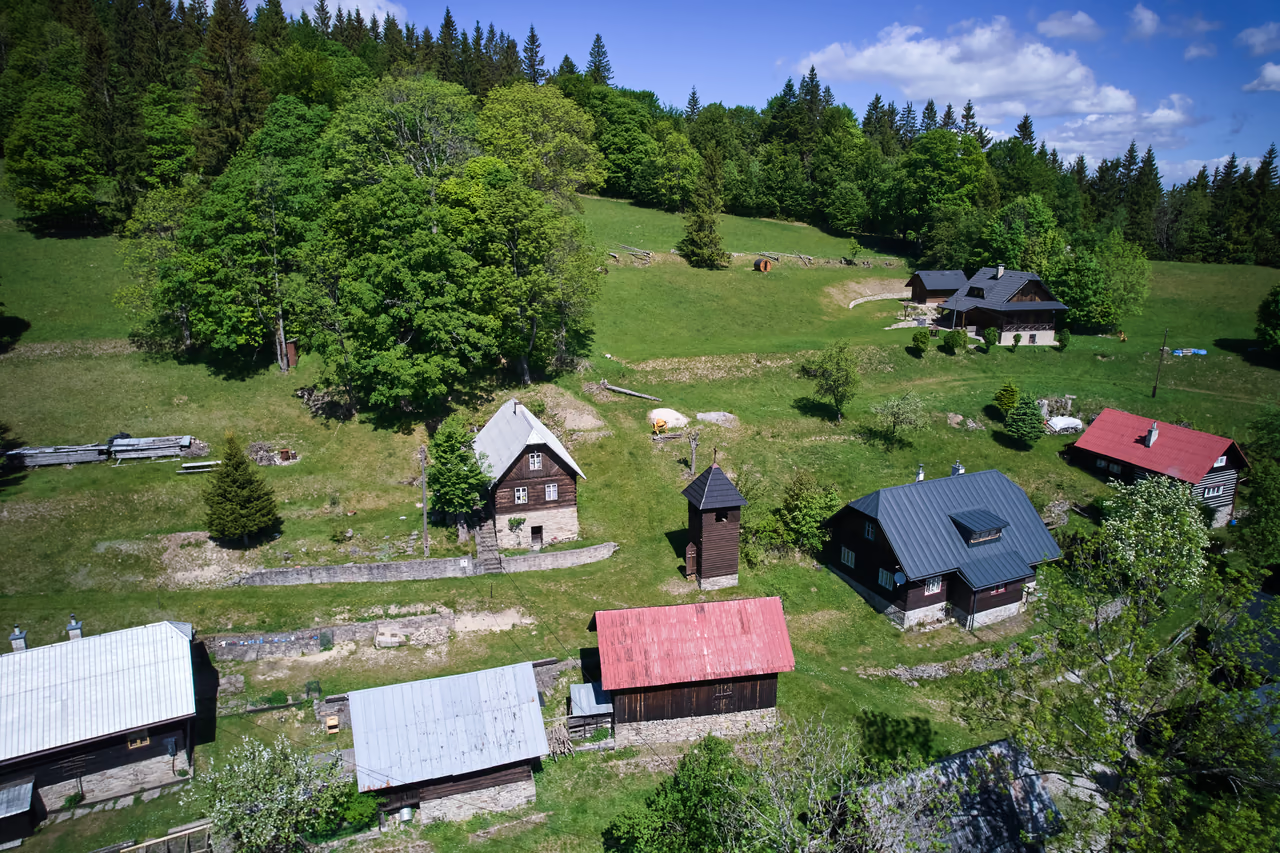
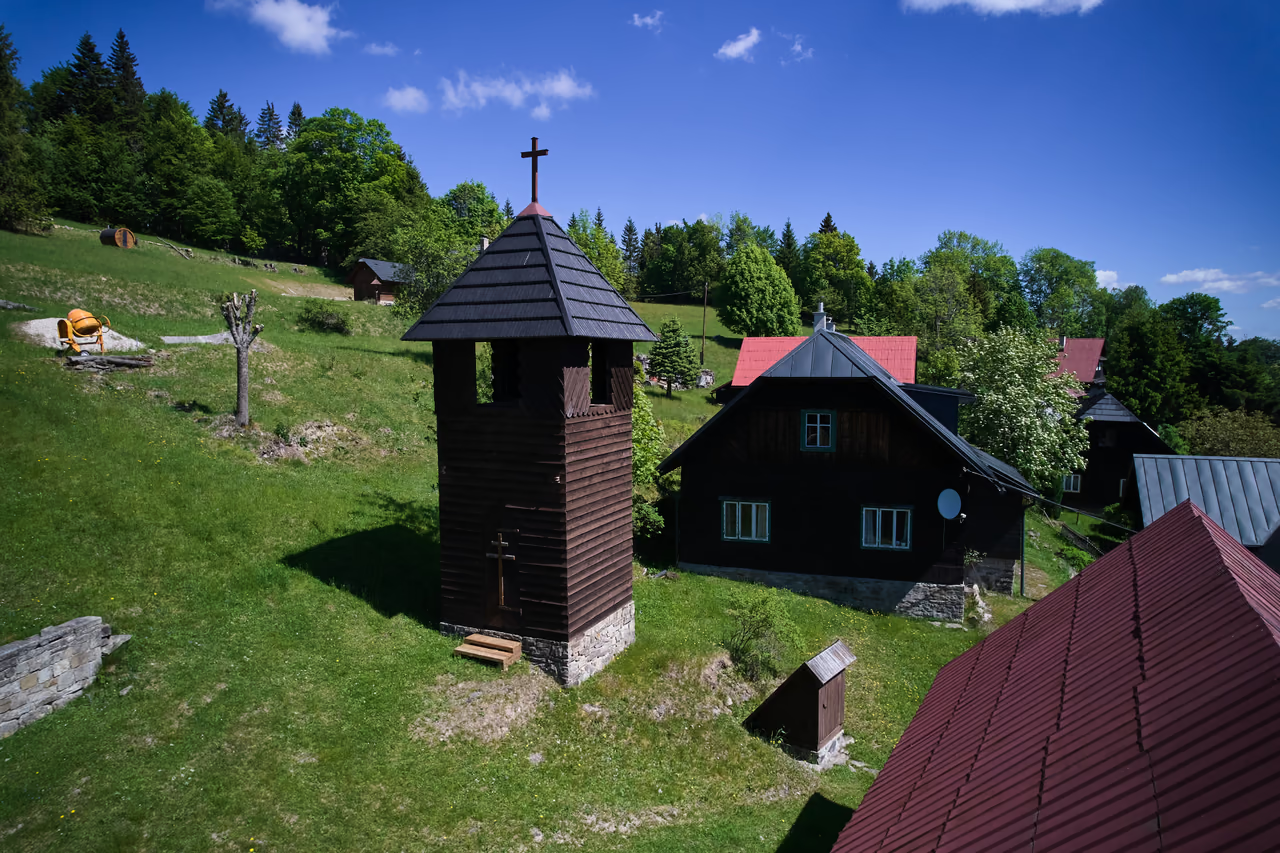
An aerial view of the Greguše settlement – log cottages and a wooden bell tower on a mountain meadow
The Greguše settlement from above – log cottages on a mountain meadow

Why come here

Kopanice with everything that belongs to them

Scattered log cottages, pastures, quiet. Along with a bell tower and a dolmen – two structures that give the settlement a spiritual and a commemorative dimension. And views into the valleys of the Javorníky.

What not to miss

The bell tower, the dolmen and the memorial stone

The bell tower was the only thing that survived the burning of the settlement in 1944. Dolmen života a smrti stands on the meadow above the settlement. Stop at the memorial stone too, with its call: stop, traveller.

How to behave

Respect the place and the people

Greguše is a lived-in settlement. Respect the privacy of its inhabitants and the peace of the place; approach the places of remembrance with respect. Take stout footwear for the walk.

A 360° view of the cottages of the Greguše settlement360°
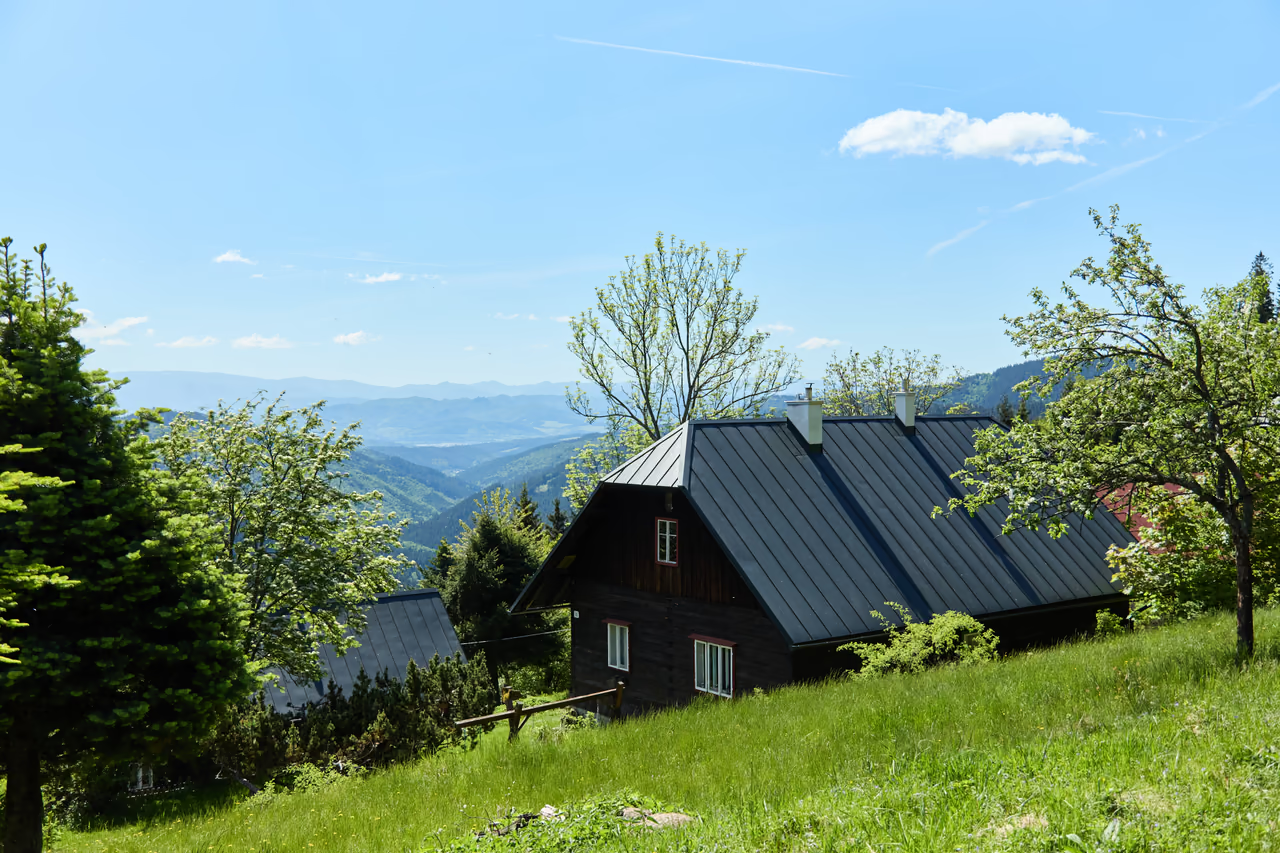
Two log cottages of the Greguše settlement on the slope, a house with yellow window frames in the foregroundA log cottage of the Greguše settlement with a view into the Javorníky valley

Log cottages of the Greguše settlement on the slope – and a log cottage with a view into the Javorníky valley.

A 360° view of the bell tower of the Greguše settlement360°
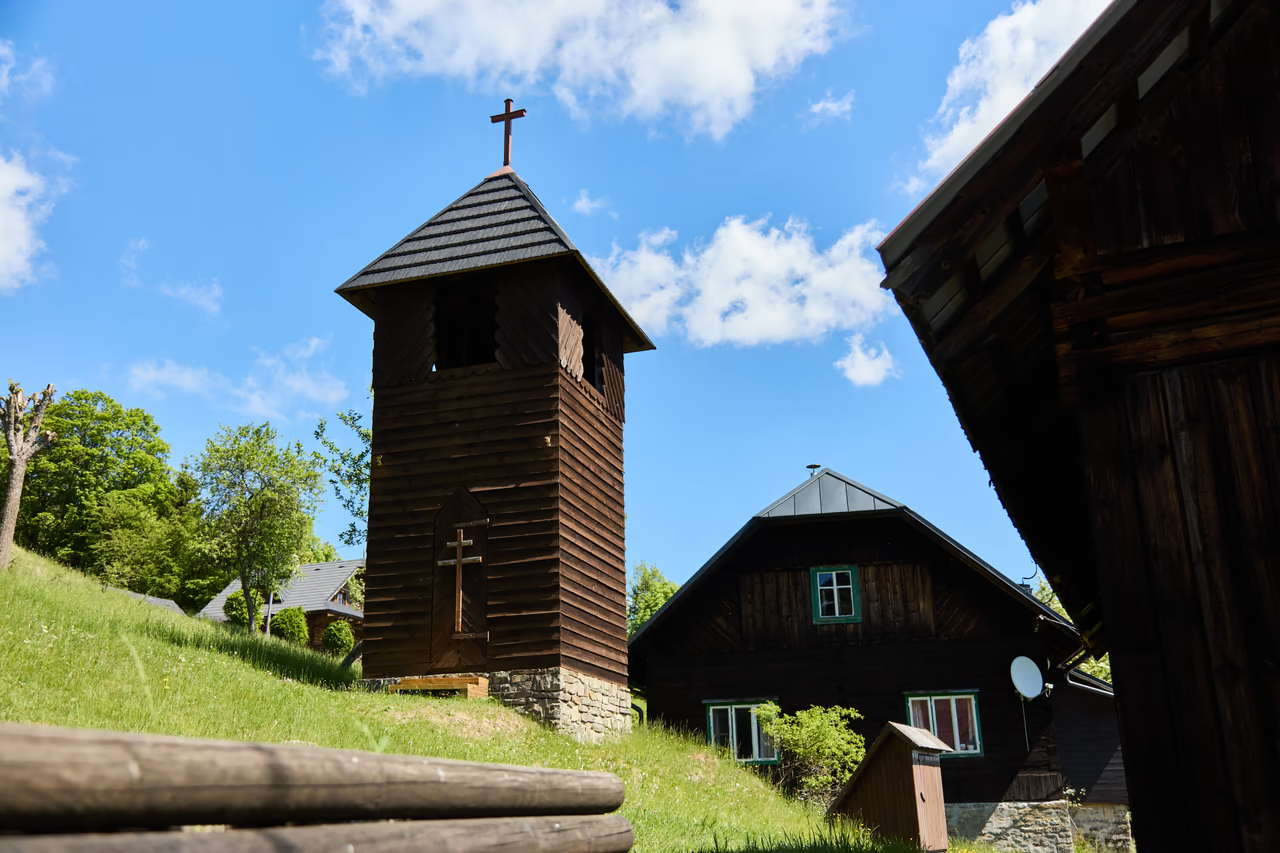
The wooden bell tower of the Greguše settlement from the path, a wooden cross on the door
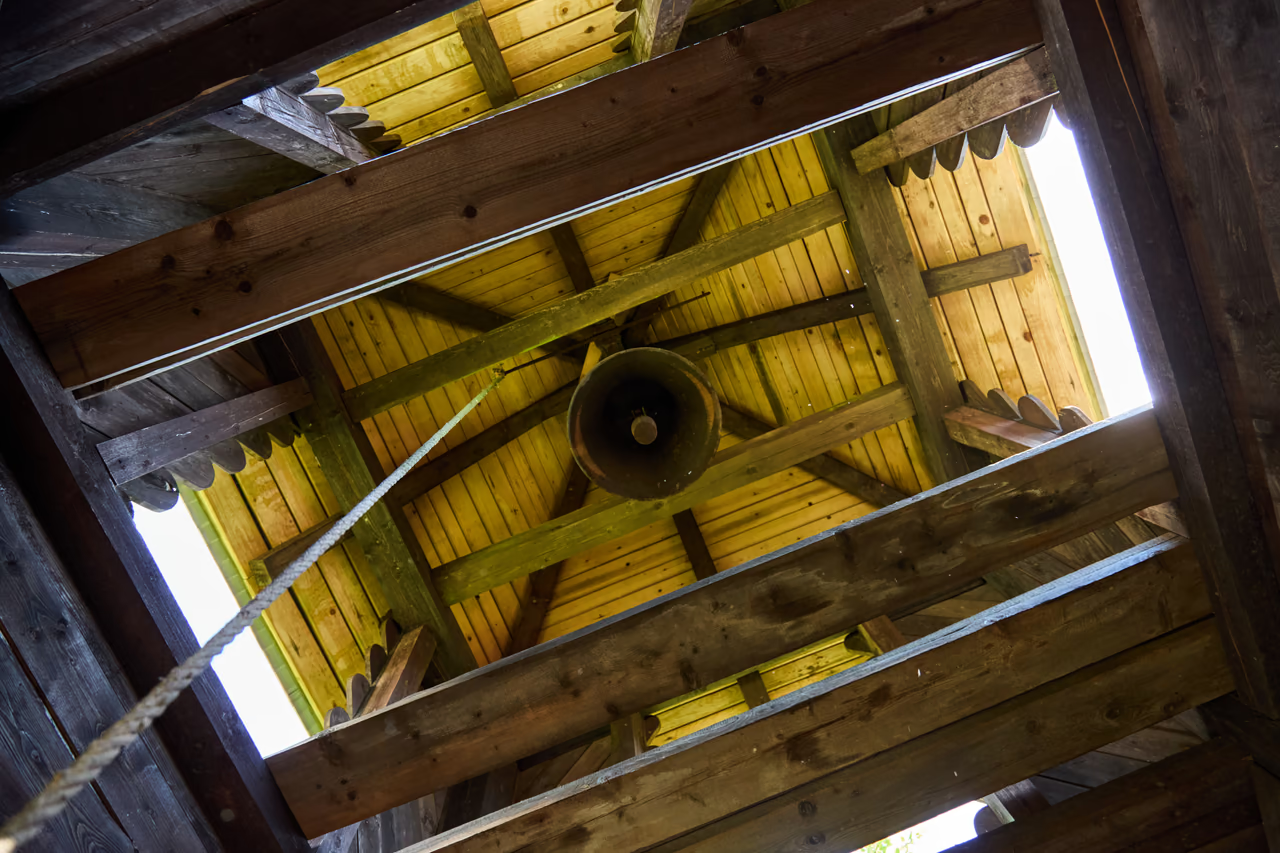
Looking up to the bell in the wooden tower, a rope running down from it
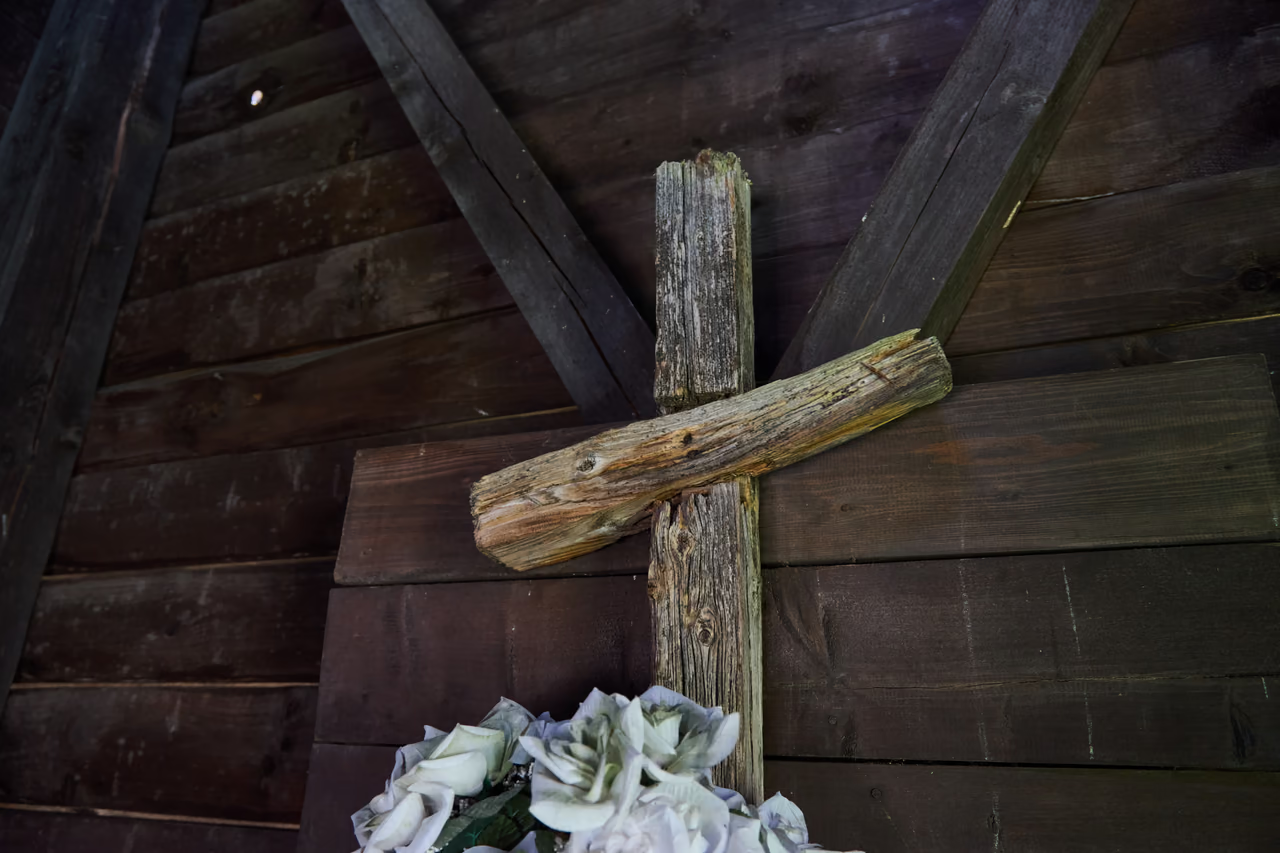
A weathered wooden cross with white flower decoration on a wall of dark boards

The bell tower from the path, the bell inside it and a weathered wooden cross with flower decoration.

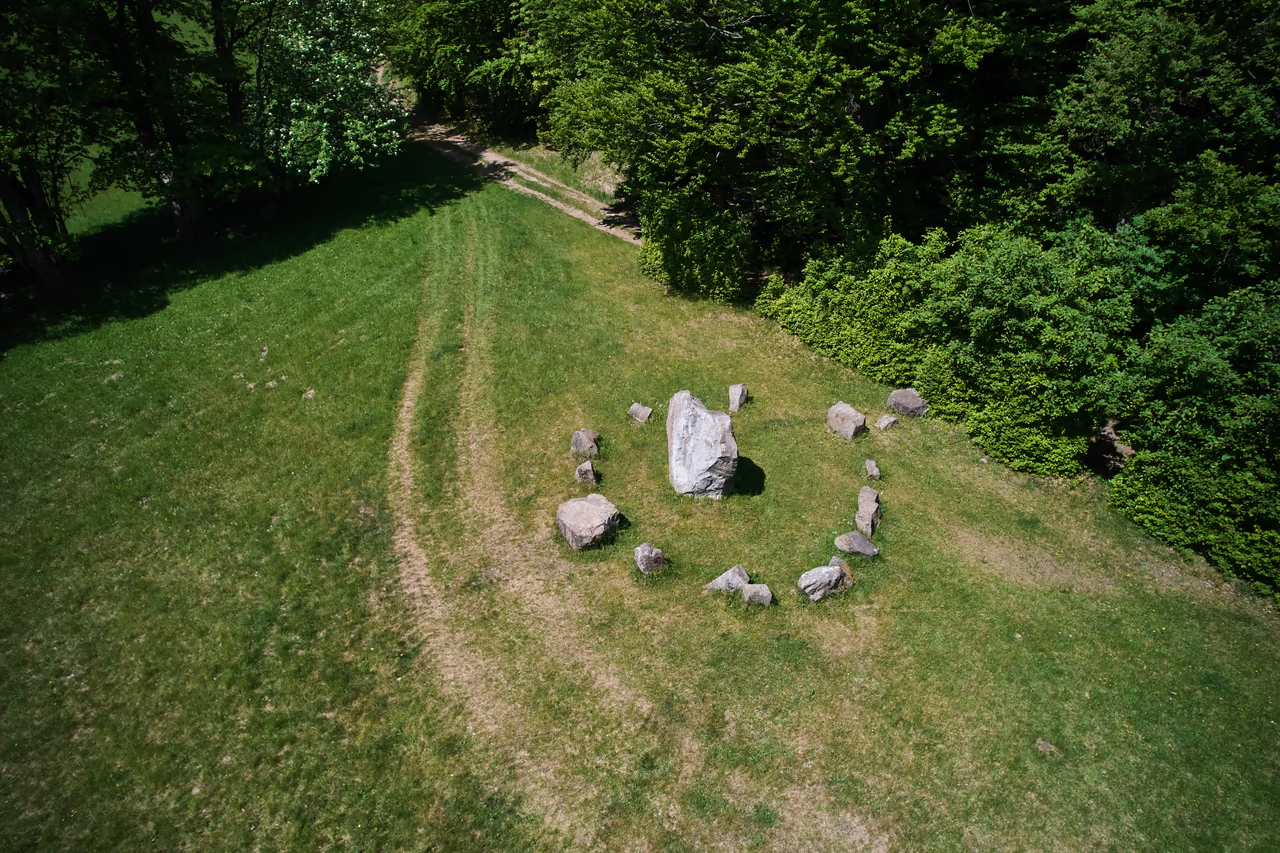
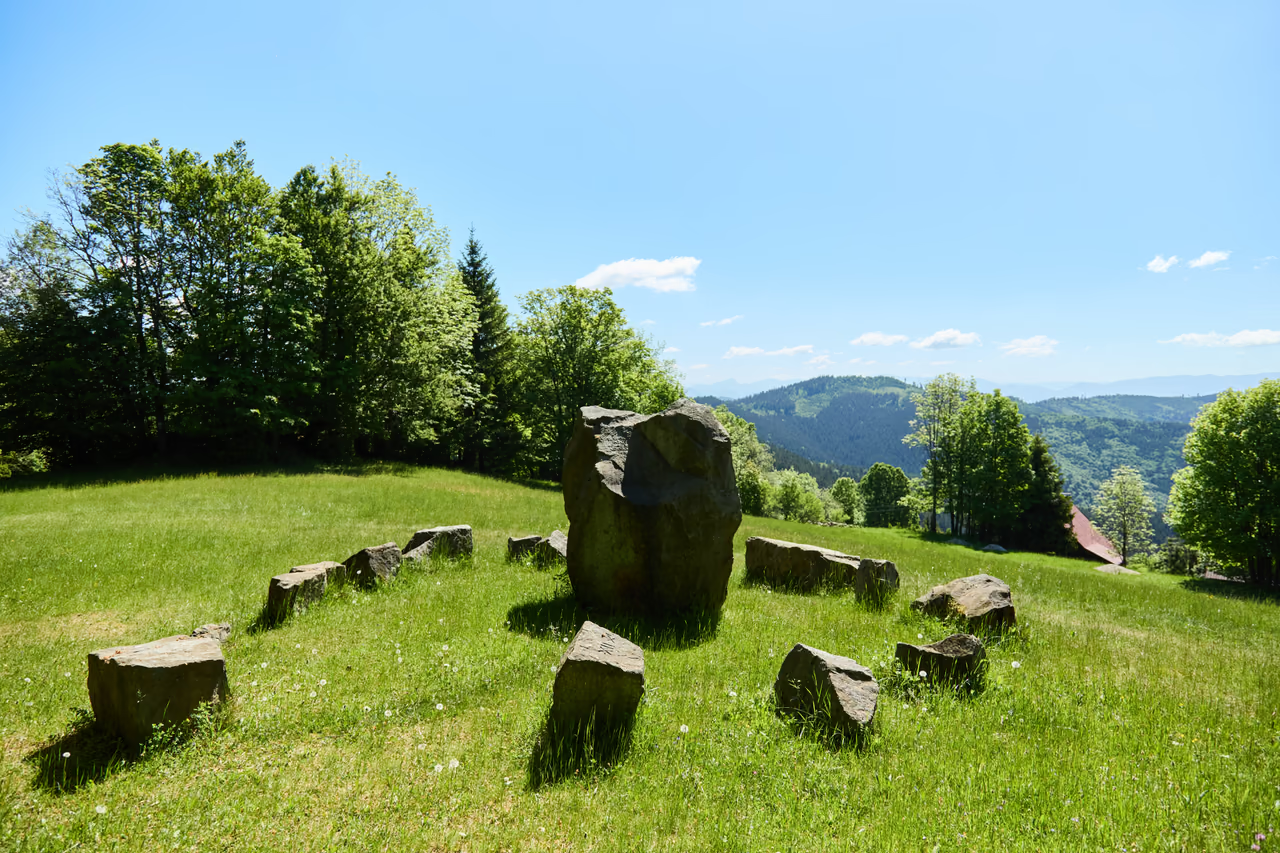
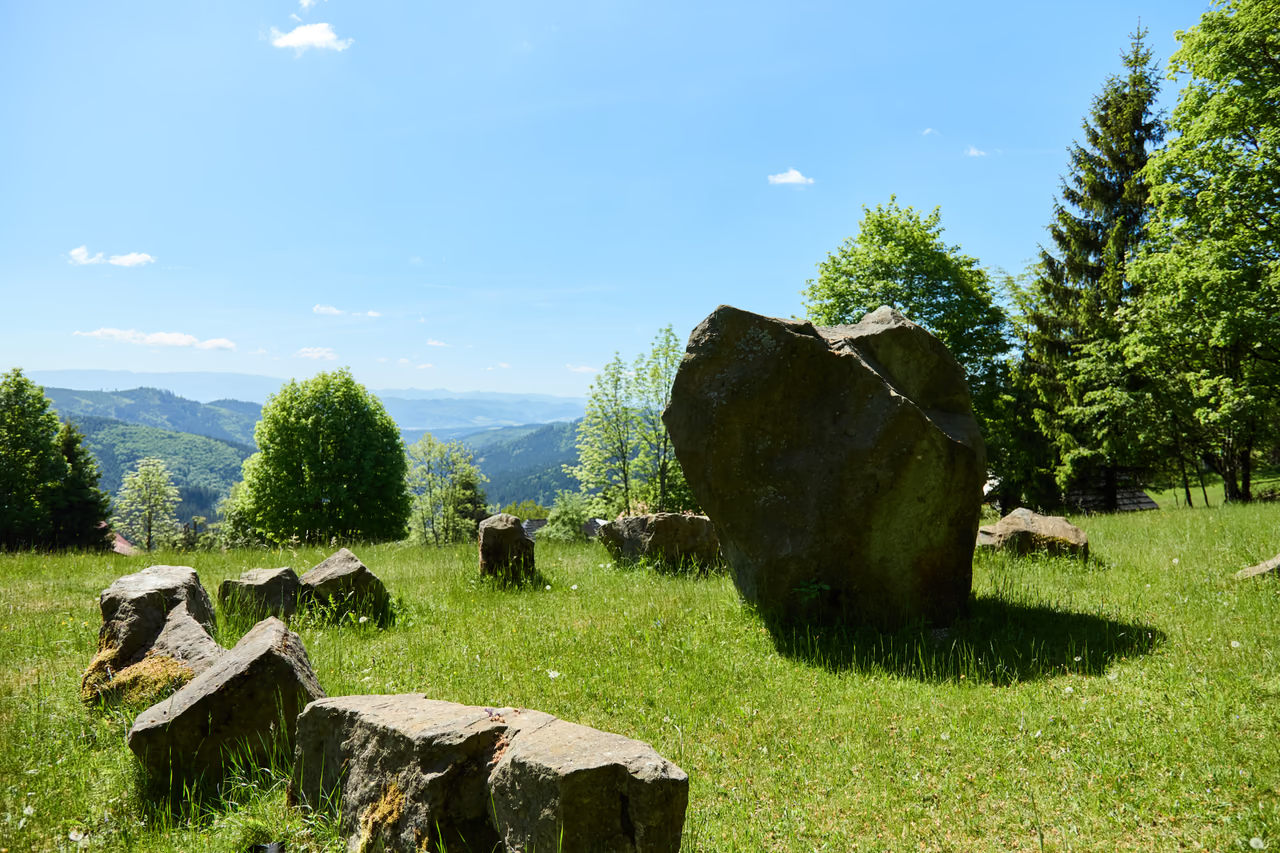
Dolmen života a smrti from above – the central stone and the circle of stones on the meadow above the settlementDolmen života a smrti from the ground – the central stone in a circle of smaller stones, the ridges of the Javorníky behind
A 360° view of Dolmen života a smrti360°

Dolmen života a smrti from above and from the ground: the central stone in a circle of stones on the meadow above the settlement, with a view into the Javorníky valley.

The story of the Greguše settlement

From a bell buried in a dung heap, through the fire that left only the bell tower standing, to a native son who came back as a stone.

Kopanice

One of the oldest kopanice of Makov

Greguše is among the oldest kopanice settlements of Makov. It grew up as kopanice – small fields dug and cleared out of the hillsides, with people building their cottages right beside them, so there was never a village green here.

The Greguše settlement belonged to the Bytča estate and used to be part of the village of Petrovice, which had its own village head as early as 1312. The exact year Greguše was founded is not known; on the sheets of the Second Military Survey from the 19th century the settlement is recorded as Gregussi. Today 16 cottages stand here, mostly serving as holiday homes.

The log cottages on their stone bases keep their authentic character to this day – the inheritance of earlier generations lives on in the everyday running of the cottages.

Two log cottages of the Greguše settlement behind a wooden fence, a slope with a meadow on the left

The bell tower

The bell that was the settlement's voice

Greguše is dominated by a wooden bell tower dedicated to Our Lady of Sorrows. It is among the rare religious buildings of Makov. The plain tower on a stone base became the natural centre of the settlement. Masses and gatherings of the faithful are still held at it.

For decades the bell was the settlement's voice: it rang on feast days and at important events, and in moments of joy and grief in local families too. Anyone who wanted to know what was happening at Greguše listened to the bell.

The settlement knew how to value its bell. When bells began to be requisitioned for the army in the First World War, the gazdas buried their bell in a dung heap for three months and so saved it from the soldiers. The present bell tower of 1997 replaced the original building of 1850.

The wooden bell tower of the Greguše settlement with a cross on the roof, a log cottage behind it
The bell tower from above and the bell inside it – switch the view

War and memory

The fire left only the bell tower standing

During the Second World War partisans hid in the mountains around and the people of Greguše helped them. When a Soviet aircraft dropped chests of weapons meant for the partisans near the settlement, the villagers took the contents into their cottages. German soldiers found the equipment – and on 13 December 1944 they burned the whole settlement down. One structure alone withstood the fire: the wooden bell tower. The day before, the same fate had met the neighbouring settlement of Magale.

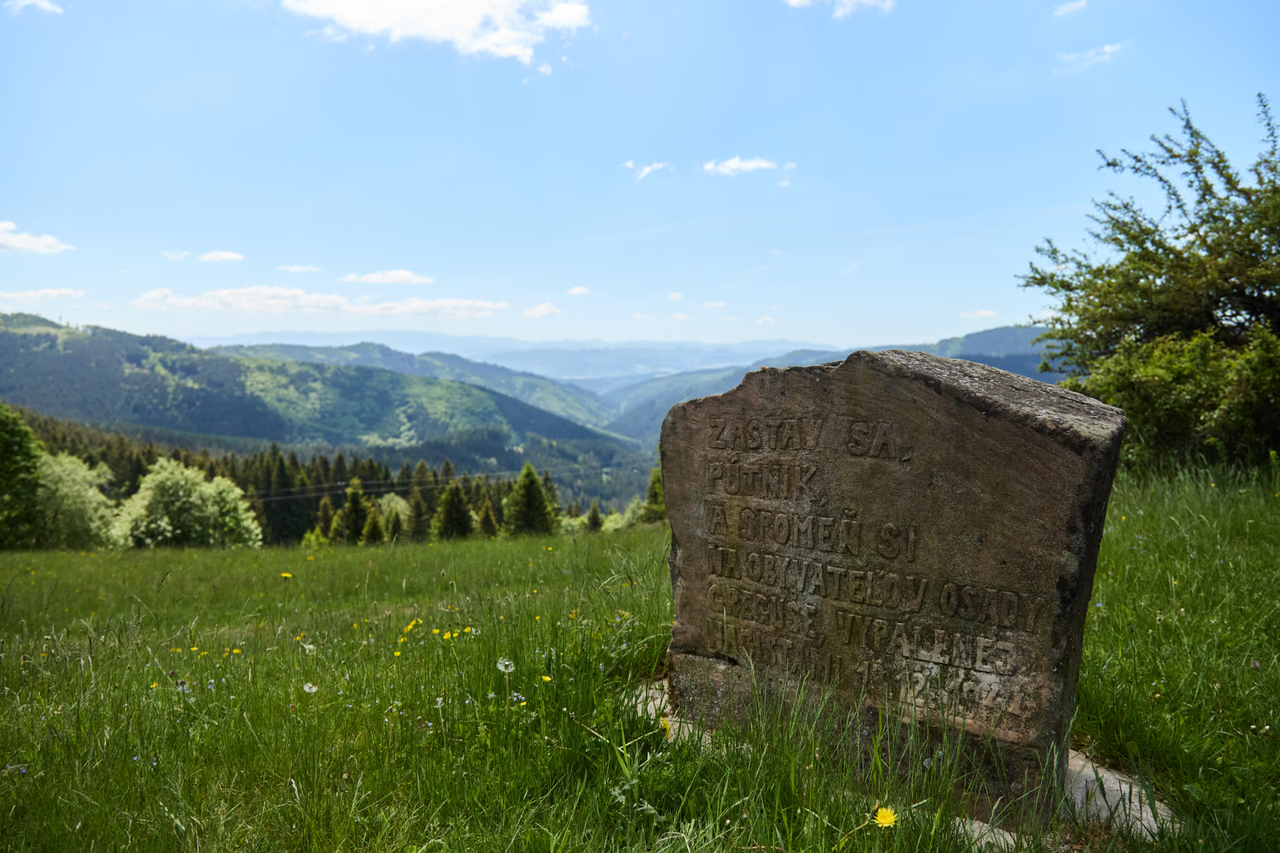
„Zastav sa, pútnik, a spomeň si na obyvateľov osady Greguše…“the opening of the inscription on the memorial stone (in Slovak)

Today Greguše serves not only as a destination for visitors but also as a place of quiet respect for the past. The memory of the burnt settlements of Greguše and Magale is also carried by a sculptural memorial designed in 1967 by Milan Greguš, a native of the place.

two-family houses before the war
13
people lived in the settlement
50–100
building survived the fire
1
A memorial stone with the inscription “Zastav sa, pútnik…” on a meadow above the Javorníky valley
The memorial stone above the valley invites the traveller to stop and remember the people of the settlement.

Dolmen života a smrti

A native son who came back as a stone

Milan Greguš (1934–2025) was born at Greguše – an academic sculptor and the first sculptor-conservator in Slovakia (VŠVU, 1962). He restored precious monuments across Slovakia, co-founded the Kysucká galéria – and did not forget the country he came from.

„Som hrdý, že pochádzam z rodu, ktorý sa tu na Starom laze usadil a prežil stáročia.“Milan Greguš on the settlement he came from (in Slovak)

His Dolmen života a smrti, the dolmen of life and death, stands on the meadow above the settlement: a central stone surrounded by a circle of stones. The work speaks of the tragedies of the war and the suffering of local people – and at the same time it stands for the victory of life over death. Today it is among the important places of remembrance in Makov.

The central stone of Dolmen života a smrti, smaller stones around it on a meadow with a view over the country

Timeline

The settlement's story in dates

From the Bytča estate through two wars to a new bell tower. The year the settlement was founded is not known.

  1. 1312

    A village head at Petrovice

    Greguše used to be part of the village of Petrovice and belonged to the Bytča estate. The year the settlement was founded is not known – the oldest surviving mention of Petrovice comes from 1312, when a village head is recorded there.

  2. 1850

    The first bell tower

    A wooden bell tower stands in the settlement. Its present form will be almost a century and a half in coming.

  3. 1914–1918

    The bell in a dung heap

    To save the bell from wartime requisition, the gazdas buried it in dung for three months – and kept it.

  4. 13 December 1944

    The settlement burned

    The Germans burned Greguše for helping the partisans in hiding. Only the bell tower survived the fire. The day before, neighbouring Magale had burned.

  5. 1967

    A memorial by a native son

    The sculptor Milan Greguš designs a memorial to the burning of the settlements of Greguše and Magale.

  6. 1997

    A new bell tower

    The present building replaces the original bell tower of 1850.

Na závěr

Doplňující info a test znalostí

Rychlá rekapitulace

What happened to the Greguše settlement?

The Nazis burned it down on 13 December 1944 – the villagers had been hiding weapons dropped for the partisans.

Did anything of the settlement survive?

Yes, the bell tower survived. Its present form dates from 1997 and replaced an older bell tower of 1850.

What is the dolmen at Greguše?

A memorial work by the sculptor Milan Greguš called Dolmen života a smrti – a “stone gallery of sculptures” above the settlement.

Who was Milan Greguš?

The first sculptor-conservator in Slovakia (VŠVU 1962), a co-founder of the Kysucká galéria and the author of the 1967 sculptural memorial to the burning of Greguše and Magale.

Does anyone live in the settlement today?

The settlement now serves holiday-home owners – in place of the earlier 13 two-family houses with 50 to 100 inhabitants, about 16 houses stand here today.

How do I get to the Greguše settlement?

On foot from Makov, from Melocík, where a waymarked path leads through the settlement and on to Kasárne; the Beskydsko-javornícka magistrála passes along the ridge here.

Závěrečný kvíz

Otázka 1 z 6

The wooden bell tower of the Greguše settlement with a cross on the roof

Whom is the wooden bell tower at Greguše dedicated to?

RysíkRysík→

There is a quiz a little further up. Shall we try it?

A few quizzes and I get glasses, and I will feel properly educated.

Try the quiz

Your rank: Homebody. You do not have a single stamp yet. Visit any place and become a Pilgrim.

You can experience the Beskids and Moravian Wallachia with Rysík and without him. Rysík would love to be there for it. Whether you take him along and take on the challenges with him is up to you.

Save The Greguše settlement to your favourite places

You can find your favourite places in your account. On the Walking routes page you can use them to filter routes.

Something not right here?

Suggest a more accurate wording.